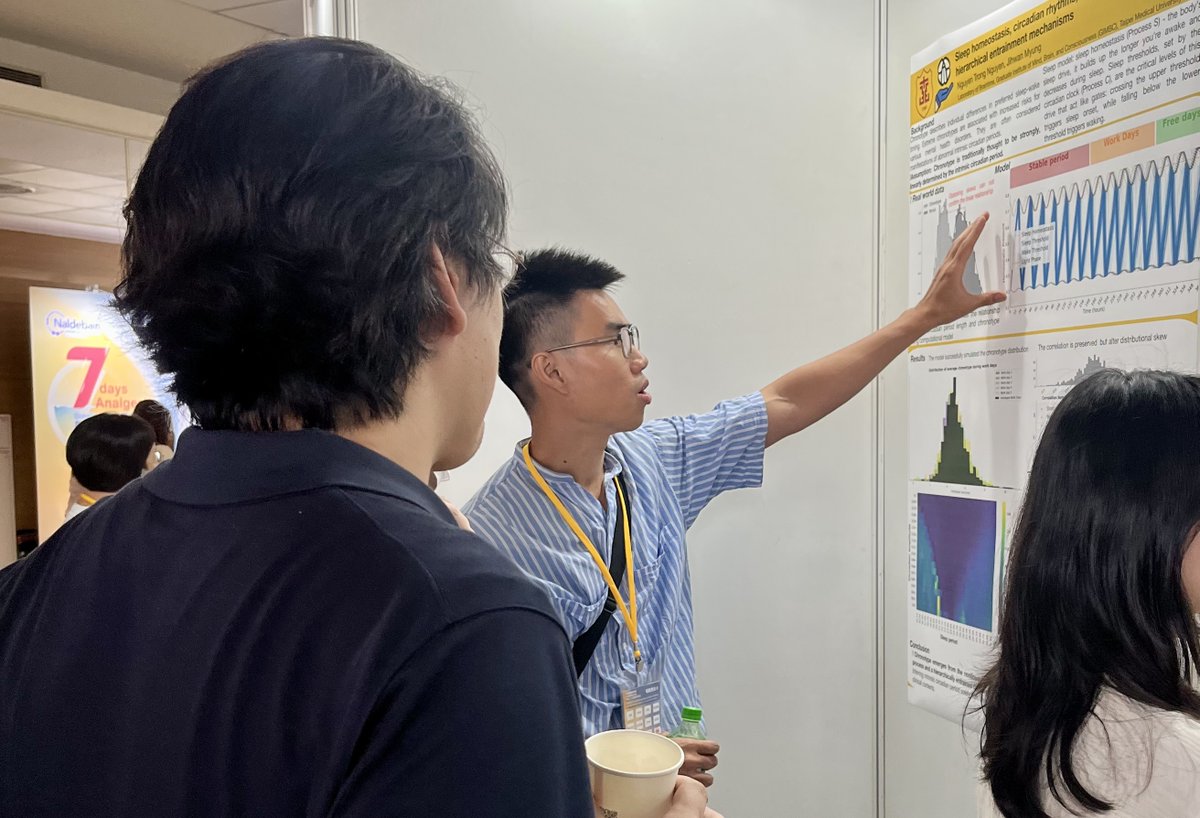
The Chronotype Paradox: intrinsic circadian periods are slightly left-skewed, yet human chronotypes are heavily right-skewed. We show stochasticity in sleep pressure accumulation is sufficient to flip the skew. https://t.co/TV3to77uWM
Circadian swings in the mood potential protect against falling into mood extremes such as mania and depression, and this helps explain why bipolar disorder and circadian dysfunction subtly interact. Work by Veronica Will (now at UCSD).
https://t.co/9Awe3uOm2m
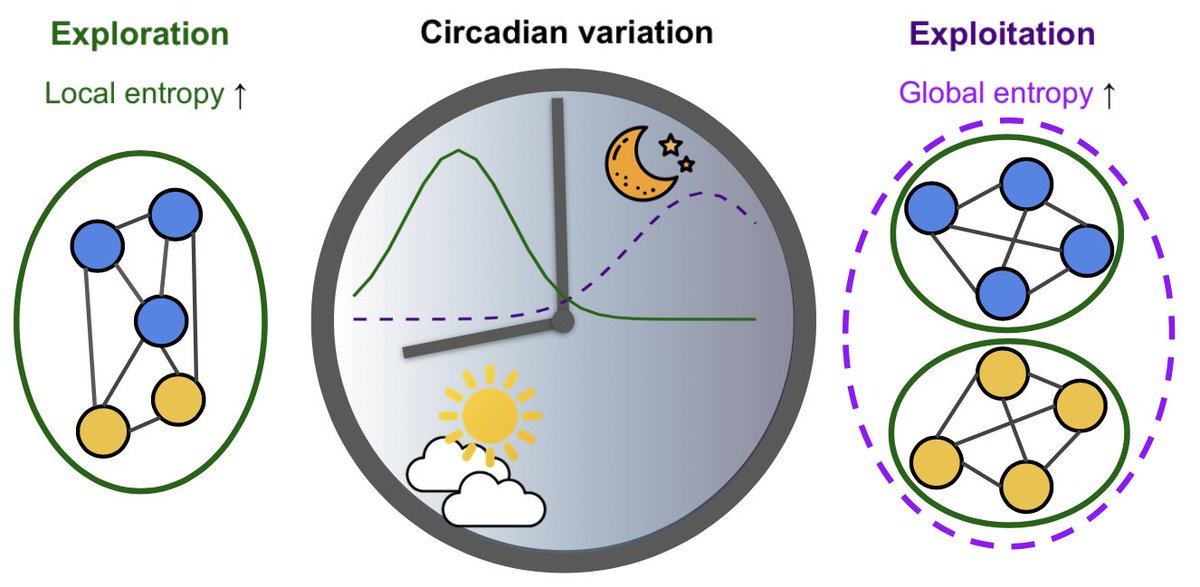
We know use of affective words show circadian fluctuations. Now Vuong and Mariana show circadian structure in embedding space, too: morning peak in local semantic exploration, later peak in global diversity as posts accumulate. https://t.co/5LDHUiTNuD
Non-seasonal infradian (longer-than-24h) rhythm exists in mice in age & sex dependent manner. By Pishan Chang and Hugh Piggins, and our lab’s Vuong. https://t.co/w6JRNzMoqv
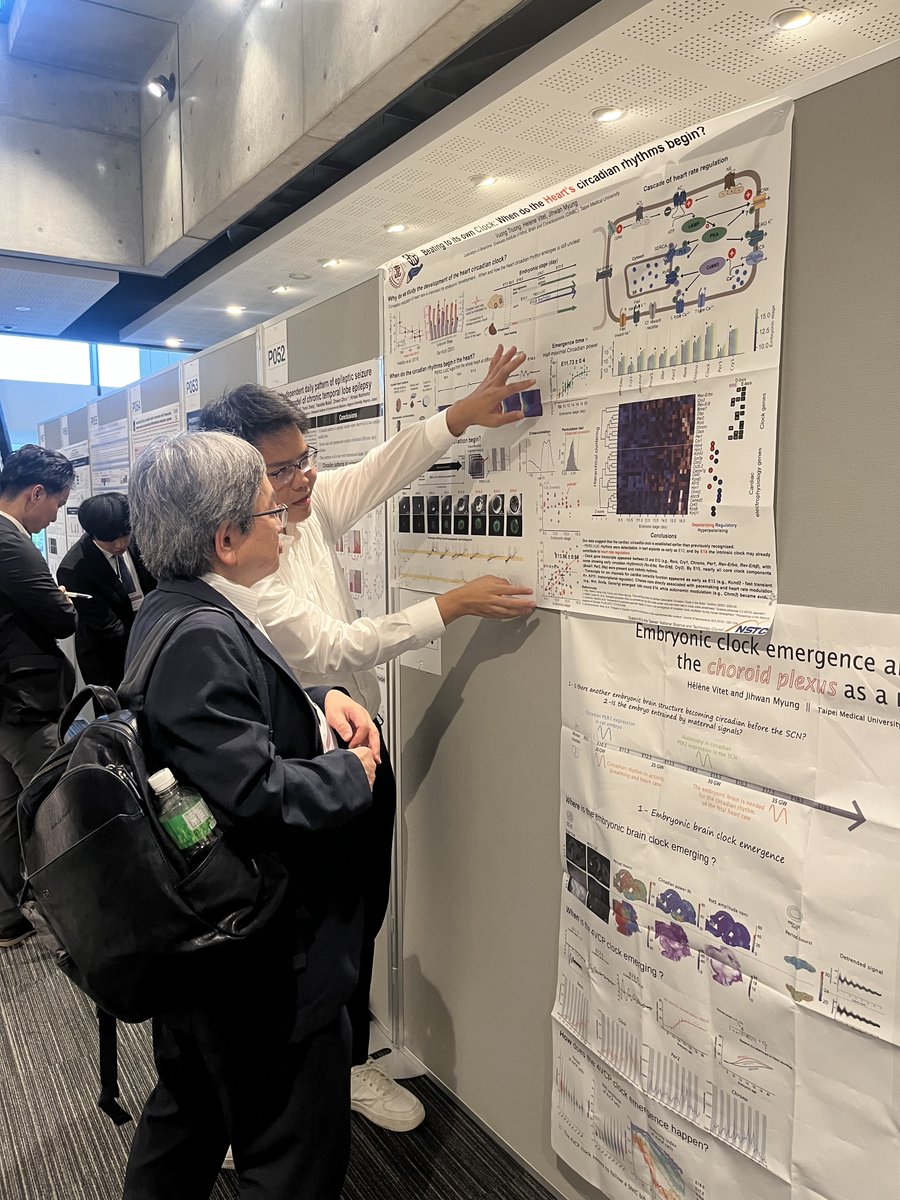
Vuong presenting his work on the origins of the heart's circadian rhythm at the Japanese Chronobiology Society 2025 @jsc2025_kyoto meeting in Kyoto. (ヴオンの初めての時間生物学会での発表) #JSC2025
New v2 on bioRxiv, with minor revisions with larger n. Conclusions unchanged: the choroid plexus is the earliest brain circadian clock in mouse; onset is SNIC-like; tiny Δ0.5 °C cycles entrain during early development. https://t.co/fECczxieuq
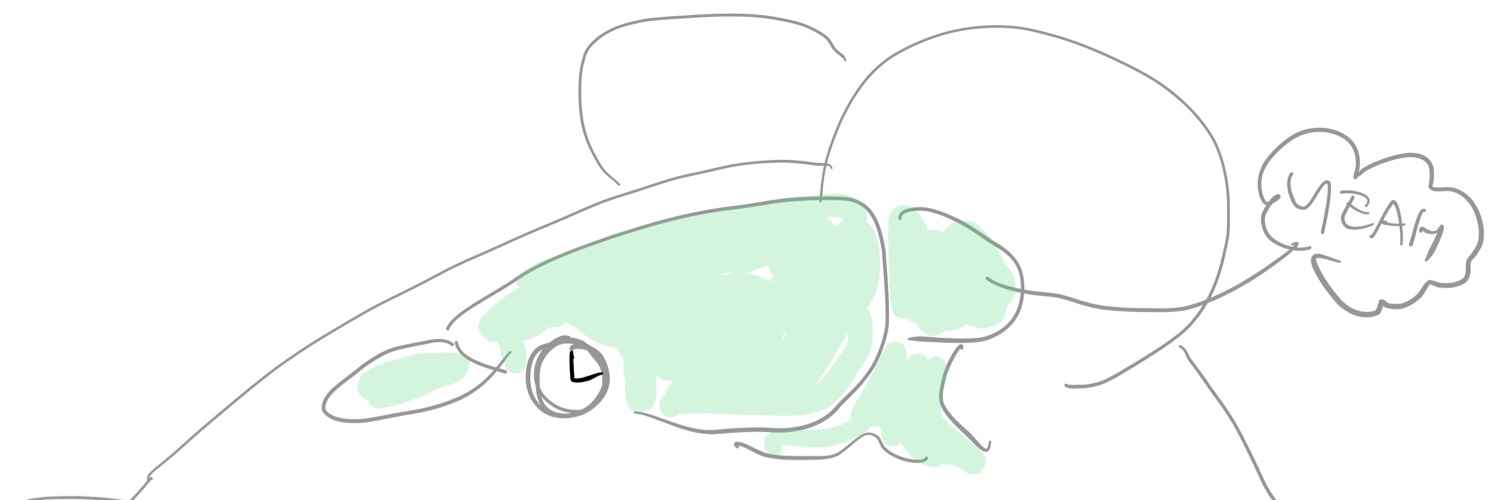
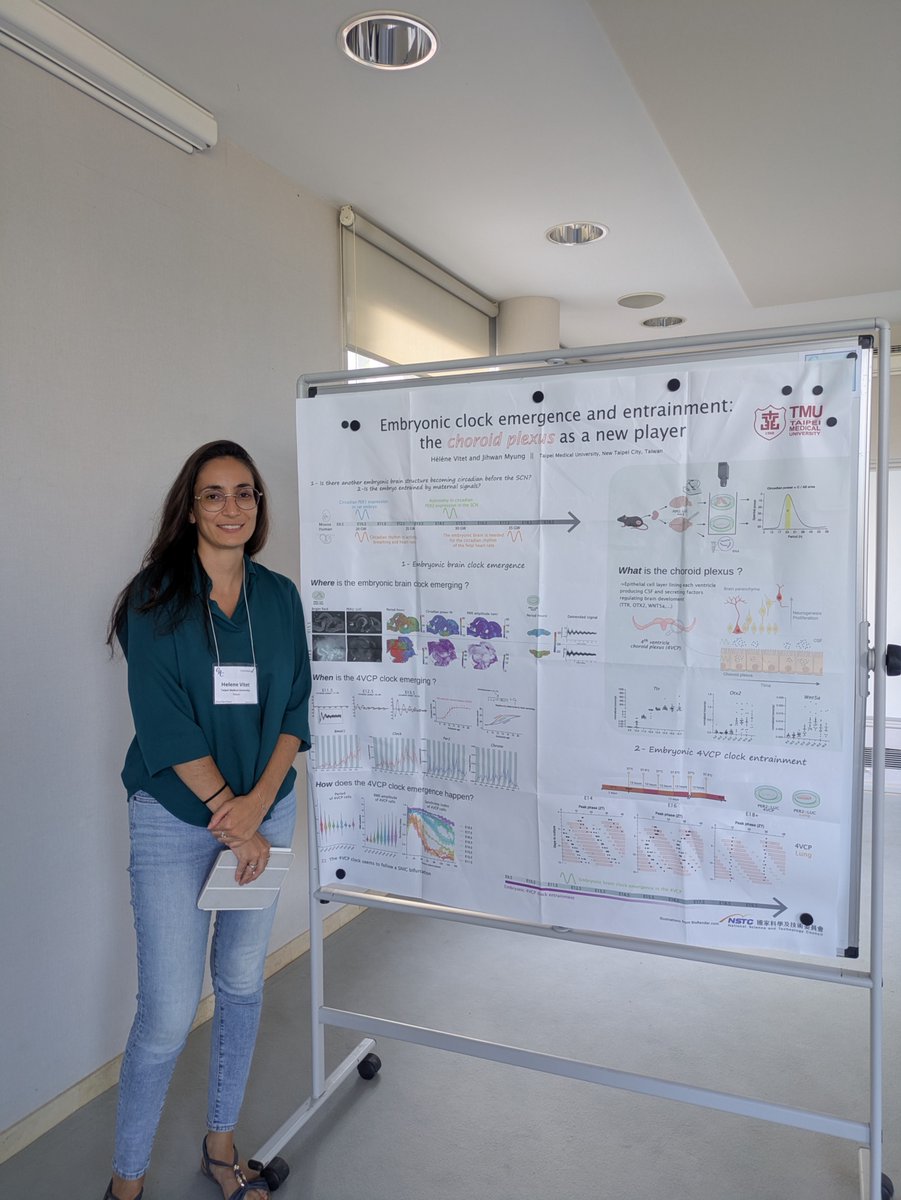
The earliest circadian clock in the brain is not the SCN. It is the choroid plexus, ticking by ~E12 with intriguing SNIC-like dynamics. Work by Helene Vitet and Vuong Truong @VuongTruong9
https://t.co/pbAFFS3Egs
When circadian periods are skewed, the relationship between period variance and coupling strength becomes 2D, creating a geometry of synchronization and macroscopic period. Circadian rhythms across aging can be viewed as movement along this geometry.
https://t.co/UB7f2y673k
Our super-postdoc Hélène is back from GRS/GRC after her wonderful talk and poster presentation! We still need to absorb what she learned there—but we are so proud of her. #GRC2025#HeleneVitet
The slow ovarian clock (~28 days) is regulated by the brain’s circadian clock (~1 day). Mood stabilizers (e.g. lithium) that affect circadian rhythms may also influence the reproductive cycle. https://t.co/16zCQISjaG
The Braintime Lab is looking for a postdoc to join an exploratory project on circadian development and neuroscience. Rodent experiments + chance to learn computational modeling. Competitive salary & benefits. Find out more at https://t.co/yH9U4MwIF6
Excited to announce Centaur -- the first foundation model of human cognition. Centaur can predict and simulate human behavior in any experiment expressible in natural language. You can readily download the model from @huggingface and test it yourself: https://t.co/nLBYhHpCtT
ML uncovers 24h rhythms in cancer 🕒🧬
Using COFE ☕, we reconstruct #circadian rhythms from human tumor biopsies across 11 #cancer types!
Turns out, tumor #clocks tick in a different timezone 🕰️💊
in PLoS Biology 👉 https://t.co/j6tC2DhivN
#Chronotherapy#CircadianMedicine
Circumventricular organs lining the brain's ventricles have circadian clocks. But why? Reviews and speculations with Rae Silver & Yifan Yao.
https://t.co/4KPp7POJxf
Circadian clocks in the body likely 'entrain' themselves rather than hierarchically reset. Given internal cellular feedback, omics (Bharath @TimelyScientist) may accurately predict their phases via connectomics, something single-gene reporters cannot. https://t.co/gVxtResERC