Every AI image tool generates pretty images.
None of them learn your brand first.
BrandGen does.
Upload one reference or type your brand guidelines. It extracts the Brand DNA. Then generates on-brand creatives from a simple prompt.
Full walkthrough 👇🏻
Most AI skincare ads look good.
That’s the problem.
Same prompt:
“Create a launch poster for a hydrating serum skincare product.”
Prompt-only AI:
good-looking, generic, hard to scale.
BrandGen:
on-brand, consistent, campaign-ready.
Brand context > better prompts.
@IKEA Live outputs from this BrandGen run:
https://t.co/Wigj6qysLA
Generated using the Guidelines path: one typed brand direction → multiple campaign-ready outputs.
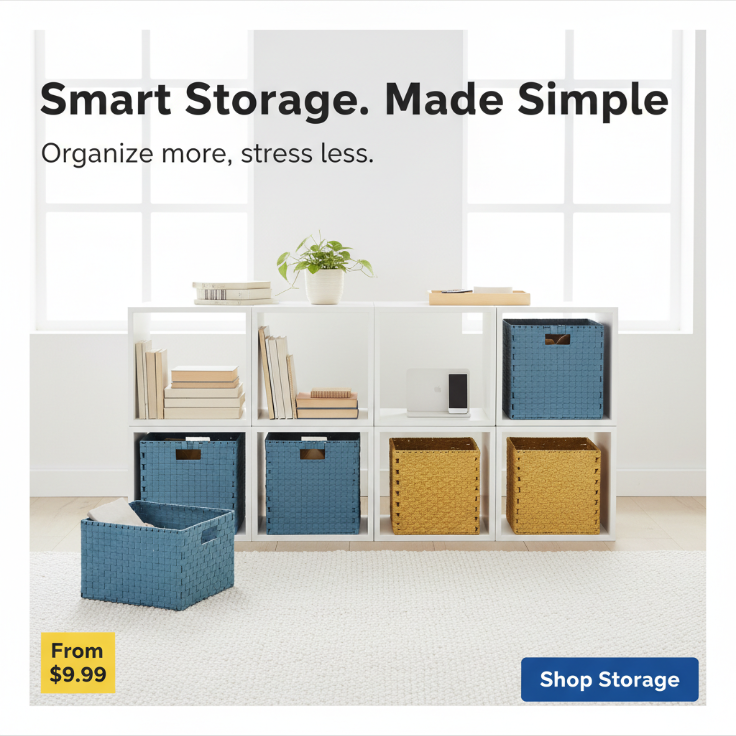
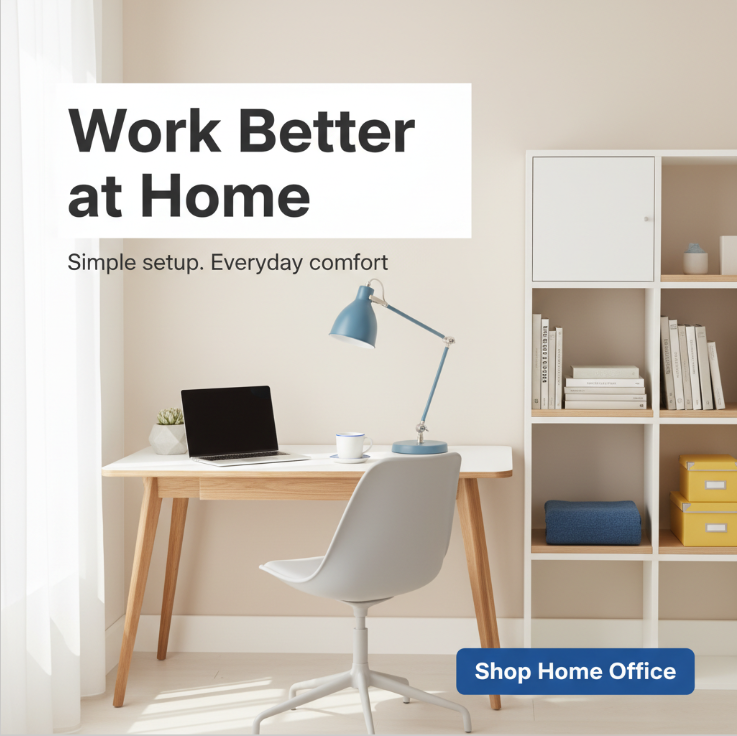
Use Case #11: Home Furniture Marketing
Furniture ads need more than nice room photos.
One BrandGen direction:
Bright Scandinavian. Functional layouts. Blue + yellow accents. Everyday home solutions.
Output:
→ Storage ad
→ Room makeover
→ Home office creative
Live outputs from this BrandGen run:
https://t.co/7wOH0XQ5NR
Generated using the Guidelines path: one typed brand direction → multiple marketing-ready outputs.
Use Case #10: Automotive Launch Campaigns
How can automotive brands create launch-ready visuals from one input guideline?
With BrandGen, one creative direction can become:
→ Exterior hero visuals
→ Interior creatives
→ Product storytelling
→ Ad concepts
→ Launch messaging
Live outputs from this BrandGen run:
https://t.co/6unmSXhCPc
Generated using the Guidelines path: one typed brand direction → multiple campaign-ready outputs.
Use Case #9: 𝗦𝘁𝗿𝗲𝗲𝘁𝘄𝗲𝗮𝗿 𝗗𝗿𝗼𝗽
Streetwear needs more than product photos.
It needs one campaign that feels consistent everywhere.
One direction:
Premium streetwear. Bold editorial type. Red accents.
Outputs
→ Drop poster
→ Lookbook cover
→ Launch graphic
Use Case #8: Fitness / Gym Creatives
Gym marketing has a consistency problem.
Every poster looks strong.
None of them look like the same brand.
So we gave BrandGen one fitness brand direction.
No reference image. No templates.
Output 1: fitness app promo ↓
The prompt was not complex.
We only gave BrandGen the brand rules:
Dark fitness-tech
Neon green energy
Bold athletic typography
Premium app-focused design
That’s the difference between a random AI image and an on-brand marketing system.
Output 3: Weekend bootcamp campaign.
High-intensity athlete visual.
Bold class announcement.
Fitness metrics.
“Book your slot” CTA.
Same brand DNA, but built for action instead of app promotion or subscription sales.
Output 2: Gym subscription offer.
50% off first month.
Premium pricing card.
Urgency badge.
Strong CTA.
The goal is conversion, but the visual system stays clean:
dark mode,
neon green,
fitness-tech energy.
@claudeai Made this alternative announcement visual for Claude Opus 4.8 using BrandGen — honestly think it fits the launch better than the current one. What do you think ? 🧡
Every AI image tool generates pretty images.
None of them learn your brand first.
BrandGen does.
Upload one reference or type your brand guidelines. It extracts the Brand DNA. Then generates on-brand creatives from a simple prompt.
Full walkthrough 👇🏻
We just launched our instagram (https://t.co/0QcZXZkm1w)
and instead of slapping a linktree in the bio, we built one into our own app at https://t.co/AlqiKIC0ZJ
same codebase. same domain. same design system. one more route in the product.
What if Liquid Death made cookies?
"GRANDMA DEATH COOKIES"
Made with love and vengeance. Death to crumbs.
The skull wears a knitted beanie. The cookies have gold chocolate chips.
One reference image. One prompt. BrandGen generated this
BrandGen just got ranked #8 in the Top 10 AI Brand Image Generators of 2026 by Gitnux.
Alongside Canva, Adobe Firefly, Kittl, and Rawshot AI.
3 months live. Zero ad spend. 30 users.
We're just getting started.
What Gitnux highlighted:
"The core differentiator is its streamlined brand image from simple inputs generation flow, designed for rapid concept variation."
Ease of Use: 8.1/10
Features: 6.8/10
We know where to improve. Building in public means sharing the wins AND the gaps.