Can a kidney graft fail because of a genetic disease that remained undiagnosed for decades? A case report in kidney transplantation describes how late graft dysfunction led to the diagnosis of PH1, a rare inherited metabolic disorder.
🆓https://t.co/MnnXeaek3G
Beyond the SARS-CoV-2 virus, ICU overload impacted post-brain de@th transplants. A review by physicians shows that the drop in donations was logistical: beds were scarce, processing times skyrocketed, & donor clinical instability increased. https://t.co/WeJwUgHaLe
#COVID19
🫁 CMV after lung transplant: Brazilian researchers validated a qPCR cutoff (3.75 log IU/mL) with 100% sensitivity — paving the way to replace pp65 antigenemia in the public health system. https://t.co/S8KISH7arq
#TXTforall#TransplantTwitter#BJT
🩸 Bone marrow transplants in Brazil dropped 18% during #COVID19. Recovery came, but regional inequalities remain stark. Who has access to treatment depends on where you live. Full study 👉https://t.co/2cVyXjb5Gw
#TXPforALL#TransplantTwitter
On International Nurse Day, the Brazilian Journal of Transplantation honors the professionals who stand by patients at every stage of transplantation - from organ procurement to post-transplant follow-up. #IND2026#BJT
Research reveals an average error rate of 37.9% in questions regarding the clinical management of the potential donor, despite 93% of healthcare professionals stating that they know and use the clínica management guidelines.
https://t.co/ttK3CrQzlr
#MedTwitter#TransplantTwitter
👁️ 1 cornea donated in 2019 → 35 donors in 2025. A Brazilian hospital restructured its organ procurement team & managed quality indicators monthly. Donor identification jumped from 33% to 88%. https://t.co/TaEUsQIiTn
#MedTwitter#TransplantTwitter
46% of families refuse #organdonation during the family interview for pediatric organ and tissue donation. What if the problem wasn't the families' decision, but the teams’ lack of technical and communication skills? 🆓https://t.co/esyaST7zOy
#MedTwitter#BJT
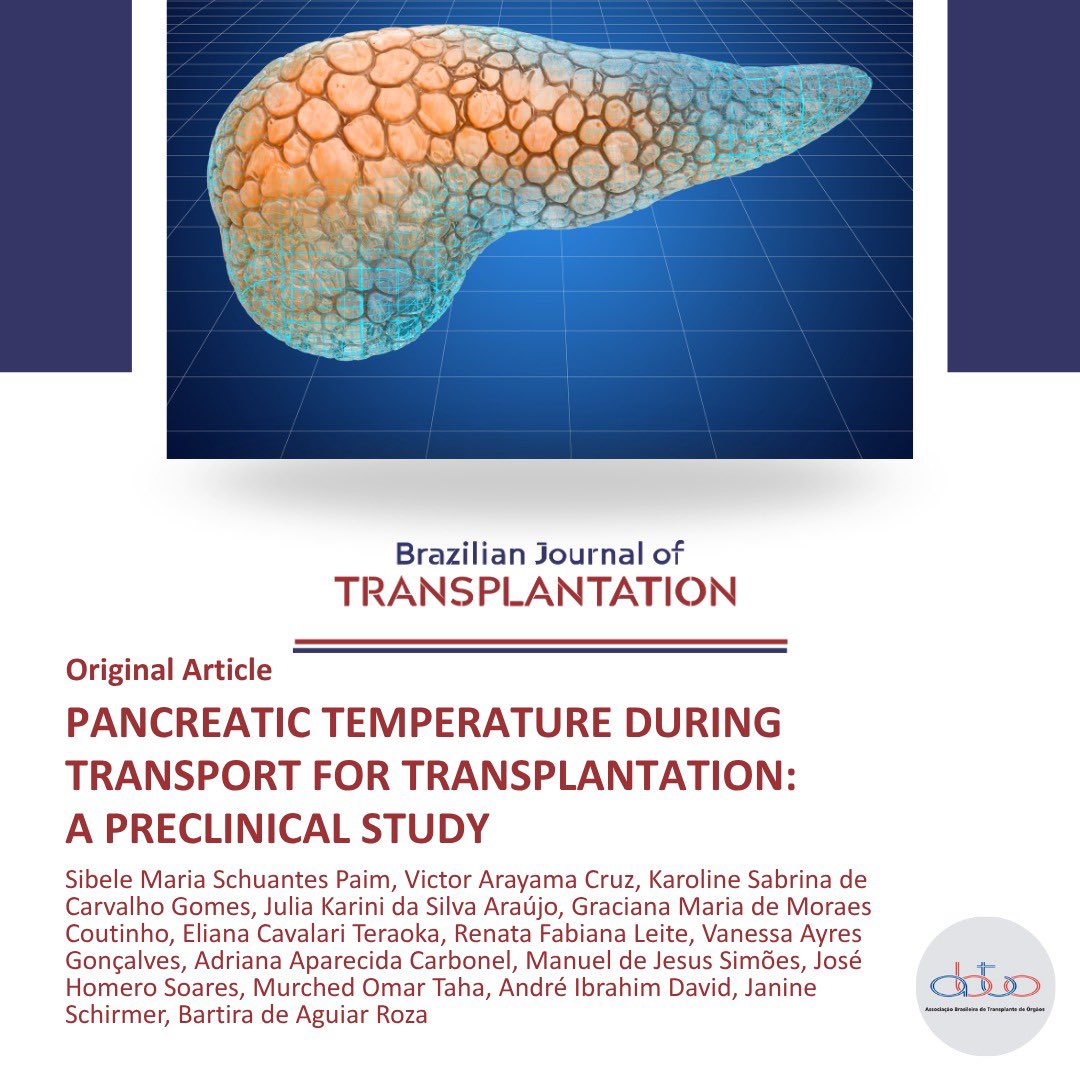
🧬 Brazilian researchers have discovered that a technological packaging method preserves the #pancreas better for #transplantation than boxes with ice. Healthier cells, safer transplants.
👀Read more at https://t.co/BkAMzujA9D
🤖 AI in kidney transplantation is growing fast, but research is heavily skewed toward post-transplant monitoring (65.7% of studies), leaving pre-transplant decision-making & patient behavior largely unexplored.
🔗https://t.co/WeGcJ6S8RO
Did you know that family refusal is still the main barrier to organ donation? A new study on the Northern Region of Brazil (2020-2024) shows that, despite the increase in the number of potential donors, misinformation continues to hinder vital transplants.
https://t.co/Y8oGYpMsFo
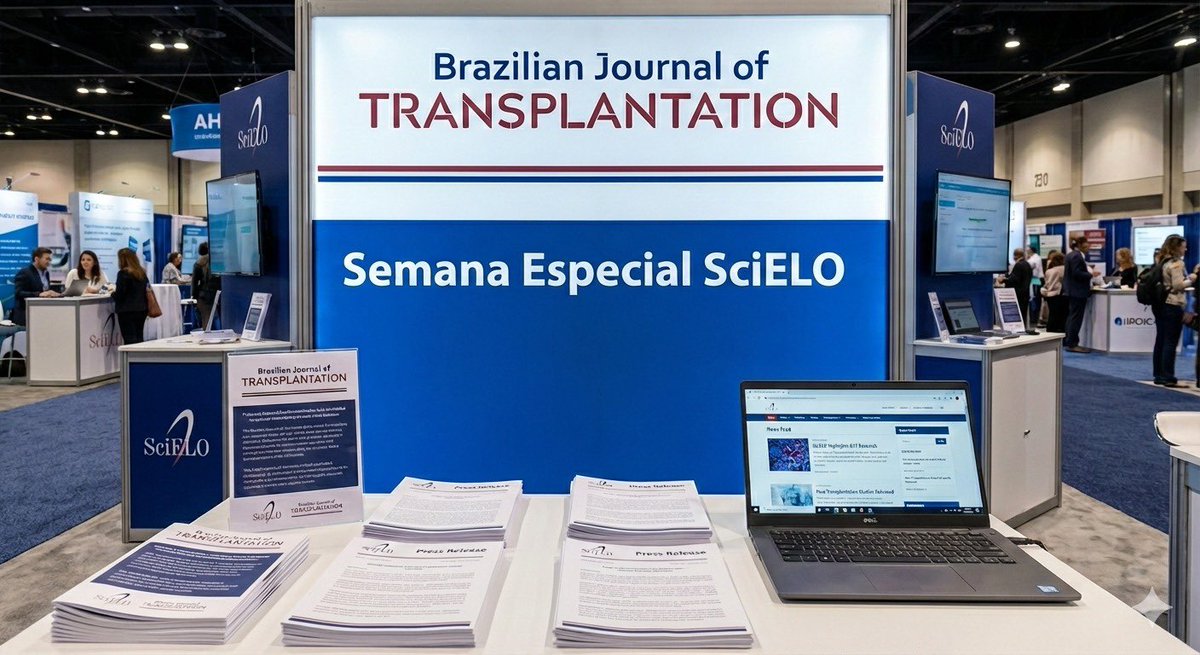
O BJT é um dos principais periódicos dedicados à área de transplantes de órgãos e tecidos no Brasil. Para aproximar diferentes públicos dos processos de doação e distribuição de órgãos, o BJT participou da Semana Especial do Blog SciELO em Perspectiva. https://t.co/KRK3tvZc64
Em 2024, + de 12 mil pacientes aguardavam um órgão ou tecido no NE, enquanto pouco - da metade foi efetivamente transplantada. O estudo expõe disparidades entre estados e mostra como limitações estruturais e sociais influenciam o acesso ao transplante.
👉https://t.co/Zuxl8ZYpzY
🧪Estudo com mais de 500 transplantados renais mostra que 12% desenvolveram infecção urinária no primeiro mês após a cirurgia, principalmente nos primeiros cinco dias.
Leia o press release publicado pela Brazilian Journal of Transplantation!
https://t.co/DuLmkVDRnD
🧪 Hoje damos início à Semana Especial do Brazilian Journal of Transplantation, trazendo publicações representativas de seu escopo multidisciplinar no campo de transplantes de órgãos e tecidos. O primeiro post fala sobre a trajetória do periódico, confira! https://t.co/Kbi542335I