@katclysmicgrace Das que eu li até então (preciso continuar a ler mais obras dele que comprei), A Abolição do Homem é minha favorita. Caso não tenha lido ainda, eu recomendo, creio que vai gostar bastante!
JUST IN - For the first time, AI has designed complete viral genomes, producing 16 functional viruses that infect bacteria and "pose no threat to people." — BBC
The last thousand years of Orthodoxy matter and those of us who act as though we are only bound to the first seven Ecumenical Councils are the furthest thing from traditionalists.
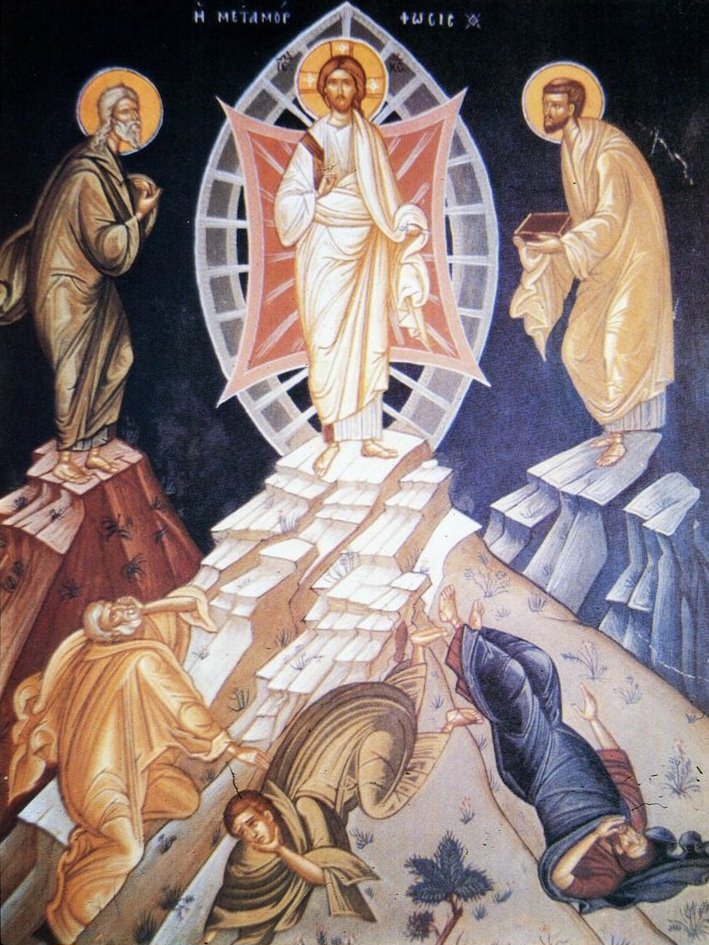
Portanto, esta Luz [não-criada] não é uma luz sensorial, e aqueles que a contemplam não o fazem simplesmente com seus olhos, mas são transformados pelo poder do Espírito Santo.
– São Gregório Palamas, Homilia sobre a Transfiguração
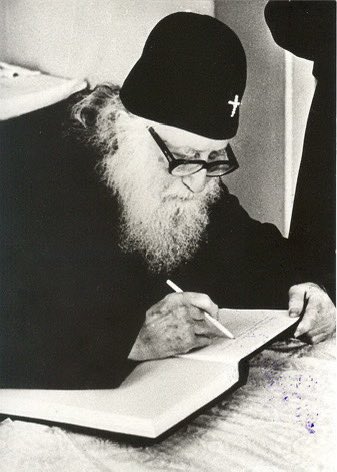
‘But what particularly offends Orthodox sentiment in Dositheus's Confession is the prohibition against laypeople reading Holy Scripture, especially the Old Testament In defense of this prohibition, Dositheus cites the Church's experience, which supposedly has become convinced of the harm that comes from laypeople reading Holy Scripture, and he attempts to justify it by asserting that, as Scripture itself states, salvation comes from "hearing the word of God," not from reading it. Needless to say, the "experience" in question here is that of the Roman Catholic Church, not the Orthodox Church. There, it is understandable, for the church structure and even the teachings of the Roman Catholic Church are indeed not in harmony with Scripture, and the laity should not know this. But this is not the case in Orthodoxy; it has nothing to fear from Holy Scripture. Let's not even mention the fact that this "experiment" of prohibiting the reading of Holy Scripture proved very unsuccessful and was one of the reasons why Protestants fell away from the Roman Catholic Church. And the claim that salvation comes not from reading, but from "listening" is nothing more than sophistry. In any case, nowhere in the patristic tradition or the decrees of the Ancient Church can one find any indication of the harm of reading the word of God. It is interesting to note that in the Russian translation of Dositheus's "Confession," made in 1838 by Metropolitan Philaret, the passage prohibiting laypeople from reading the Bible was omitted.’
- Archbishop Basil Krivoshein, A Review of Existing Symbolic Documents and the Question of Compiling a New One.
@pedrorelin É um sentimento nobre. Mas com as experiências iniciais que tive até então, acredito que o primeiro passo para isso é sempre começar com nós mesmos, e é claro, as comunidades locais que já existem.








![BrdMirage's tweet photo. Portanto, esta Luz [não-criada] não é uma luz sensorial, e aqueles que a contemplam não o fazem simplesmente com seus olhos, mas são transformados pelo poder do Espírito Santo.
– São Gregório Palamas, Homilia sobre a Transfiguração https://t.co/gA9qJ0dYxm](https://pbs.twimg.com/media/HPDHBeOWcAESqyo.jpg)