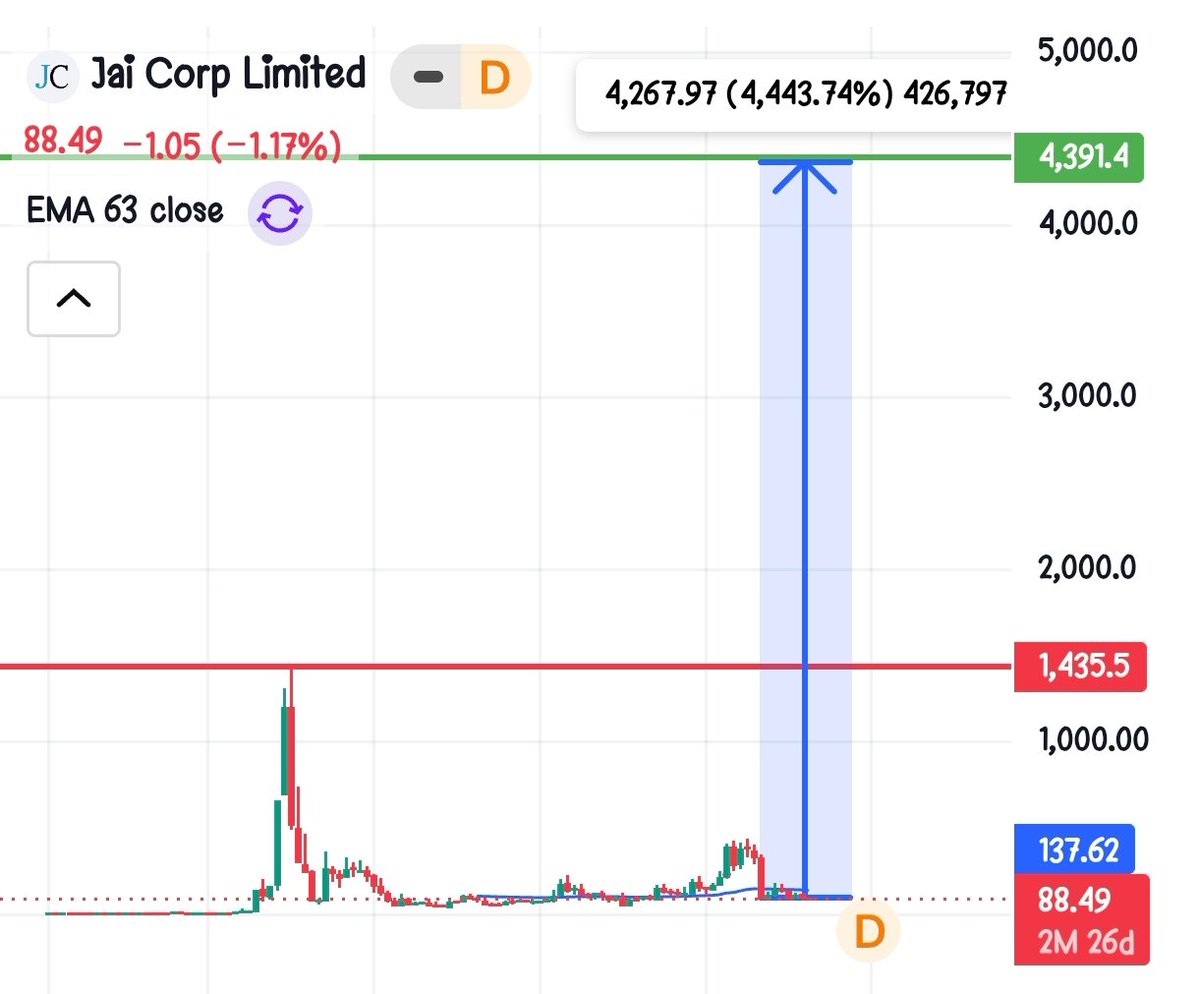
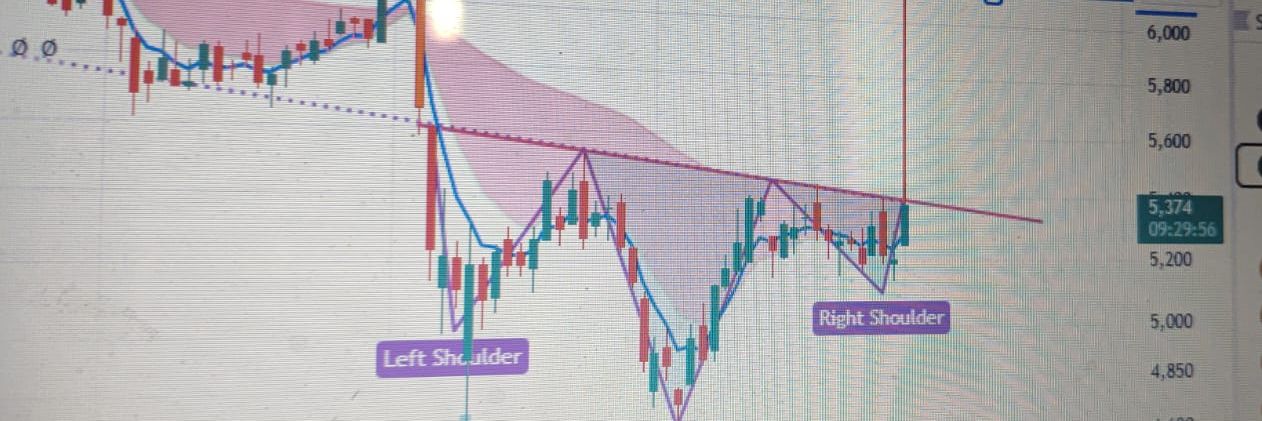
#nifty50 some relief to bulls
🐻 Will come back soon fast & furious
Till then njoy head and shoulders
#option#sensex#cas@Rishabhh005 Elliott wave king
⚠️ My biggest concern for the global economy right now: the next major market shock may not look like a normal correction.
I’m increasingly worried about a potential combination of stock-market correction + recession + corporate layoffs + higher-for-longer inflation, creating a difficult period for both the 🇺🇸 US and many Asian economies.
This is NOT a prediction that the “biggest crash in history” is guaranteed. It’s a scenario investors, businesses and governments should be prepared for.
Why am I concerned?
📉 1. Markets are vulnerable to disappointment.
US equities have been running strongly, particularly around AI and mega-cap technology. When valuations become dependent on continuously strong earnings and expectations, even a modest earnings or growth shock can trigger aggressive repricing.
💼 2. The jobs market matters more than the headline index.
If companies move from “slower hiring” to meaningful layoffs, consumer spending can weaken rapidly. That can create a feedback loop: lower spending → weaker revenues → more cost cutting → more layoffs.
🏦 3. Interest rates + government debt are a dangerous combination.
If inflation remains sticky, central banks have less freedom to cut rates aggressively during a slowdown. At the same time, elevated bond yields increase financing costs for governments, companies and households.
🛢️ 4. Energy could become the shock amplifier.
Oil has moved sharply higher amid geopolitical tensions. A prolonged energy shock can simultaneously increase inflation and reduce consumer purchasing power — the classic recipe for stagflation risk.
🌏 5. Asia cannot completely escape a US/global slowdown.
Export demand, supply chains, currencies, commodities and foreign capital flows connect Asian economies deeply to the global cycle.
But Asia is NOT one single story.
Countries with stronger domestic demand, healthier banking systems, lower external vulnerabilities and greater policy flexibility could potentially handle a global downturn better than highly export-dependent economies.
🇮🇳 India is an interesting example. Recent data showed 7.8% GDP growth in Q2 2026 and stronger private investment, although oil prices, geopolitical tensions and currency weakness remain important risks.
🇺🇸 The US also has major strengths — deep capital markets, technological leadership and a resilient private sector — so assuming an automatic 2008-style collapse would be a mistake.
The real danger is complacency.
If the following happen together:
➡️ earnings disappoint
➡️ AI/tech valuations compress
➡️ unemployment rises
➡️ oil stays elevated
➡️ inflation remains sticky
➡️ bond yields rise
➡️ consumer spending weakens
➡️ corporate layoffs accelerate
…then what starts as a stock-market correction can become a much broader economic event.
My message to investors, employees and policymakers is simple:
Don’t try to predict the exact day of the crash. Prepare for the possibility that the next downturn could be unusually interconnected.
Cash-flow resilience.
Low leverage.
Emergency savings.
Diversification.
Skills that remain valuable in a downturn.
And governments that respond early rather than after unemployment explodes.
The biggest mistake would be believing either “everything will crash” or “markets can never crash.”
Prepare for both outcomes.
2026 may ultimately prove resilient — or it may become the year that exposes how fragile some of the current assumptions really are.
#StockMarket #Economy #Recession #Markets #Investing #US #Asia #India #WallStreet #AI #Inflation #Layoffs #GlobalEconomy #Finance #RiskManagement