We are excited to announce our latest Center of Excellence, Baylor Scott and White, The Heart Hospital in Dallas, Texas. Congratulations on this huge accomplishment! 👏
A rewarding surprise of CoE: hospital administrators not only supported the accreditation but offered unexpected praise throughout the process—recognizing the hard work behind PERTs. #PERT2025#PECOE 🫁
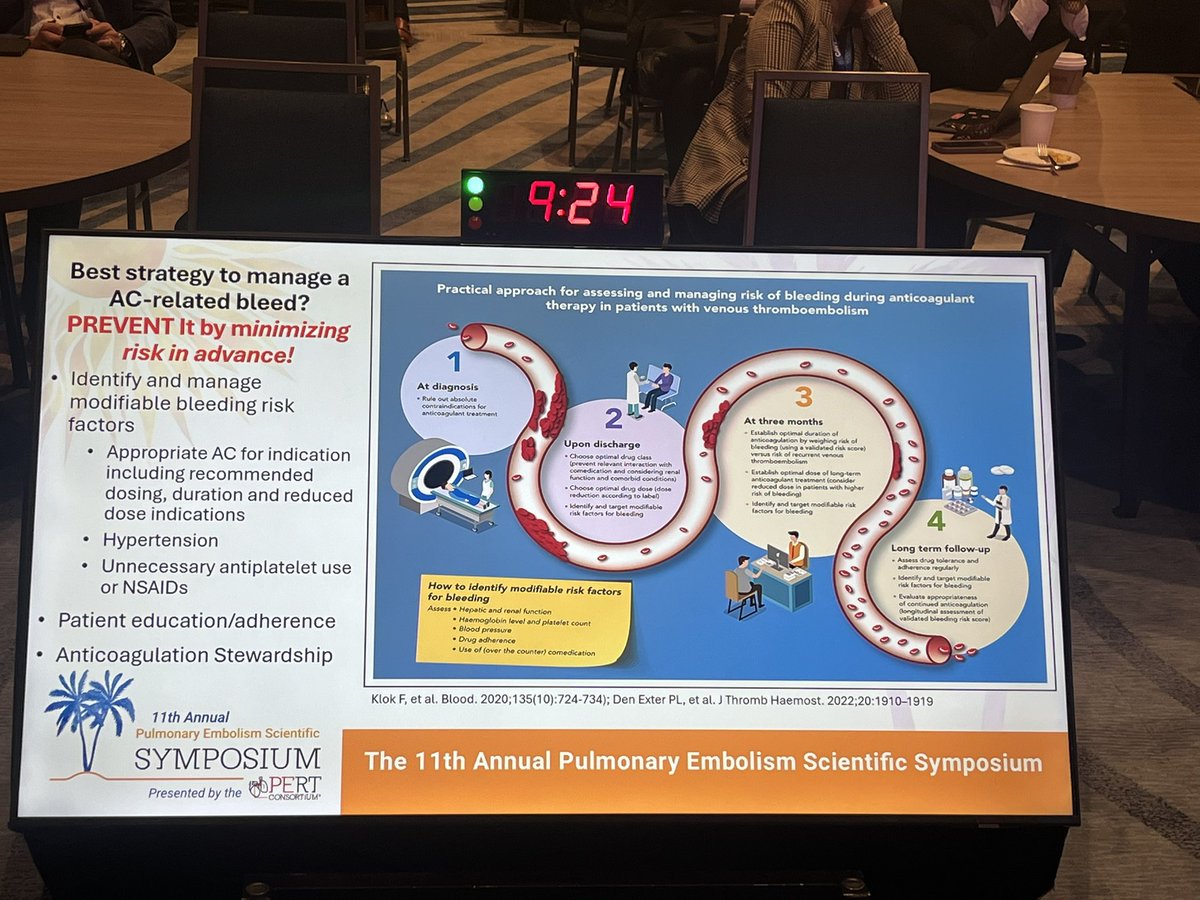
“The best strategy to manage an anticoagulation-related bleed🩸 ? PREVENT IT, by minimizing risk in advance!” says Dr. George Davis at #PERT2025 along with a discussion of updates on reversal agents
Common myths of LMWH vs UFH use highlighted by @bhwords along with advice on leveraging the unique qualities of each agent for each clinical scenario! #PERT2025#PERTtrainee
Prevention of AC-related Bleeding is the # 1 way to Treat it!
Anticoagulation stewardship should be a 🔑 part of all thrombosis programs.
Great talk by George Davis @PERTConsortium#PERT2025
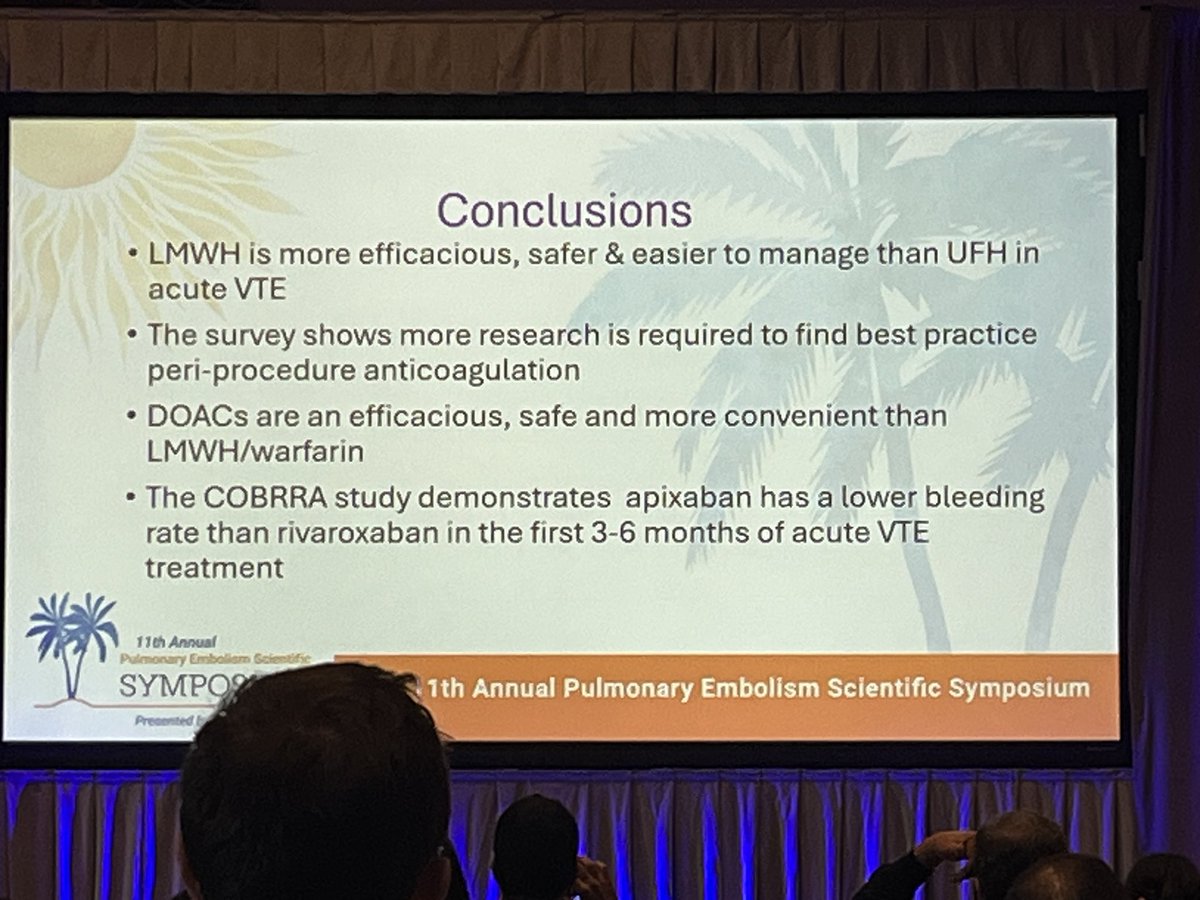
LMWH is more efficacious, safer and easier to manage than UFH in acute VTE. DOACs are effective, safe, more convenient than LMWH/warfarin. Apixaban offers lower bleeding rate than Rivaroxaban. Presentation by Beverly Hunt @PERTConsortium#PERT2025
Unfractionated heparin (UFH) vs. Low Molecular Weight Heparin (LMWH) presentation by Beverly Hunt, OBE from St Thomas’ Hospital @PERTConsortium#PERT2025
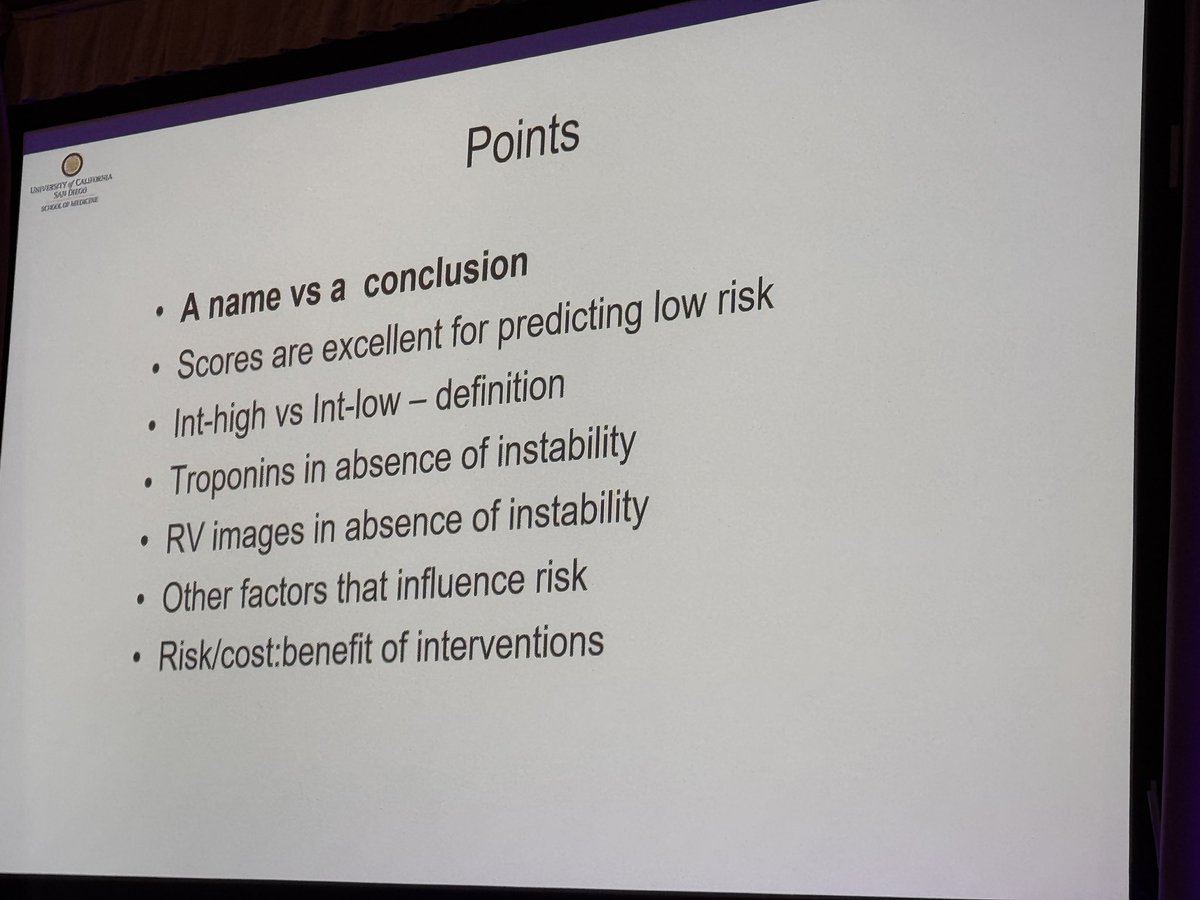
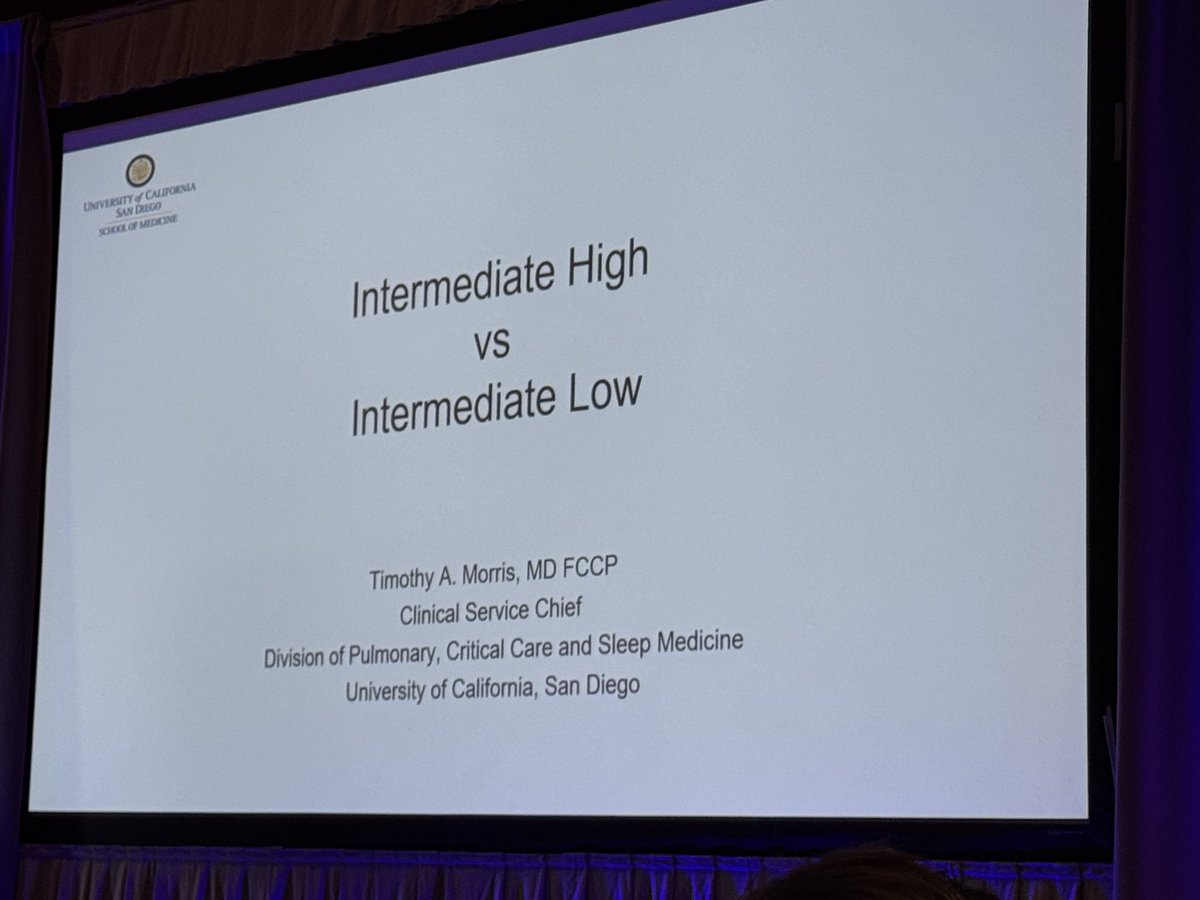
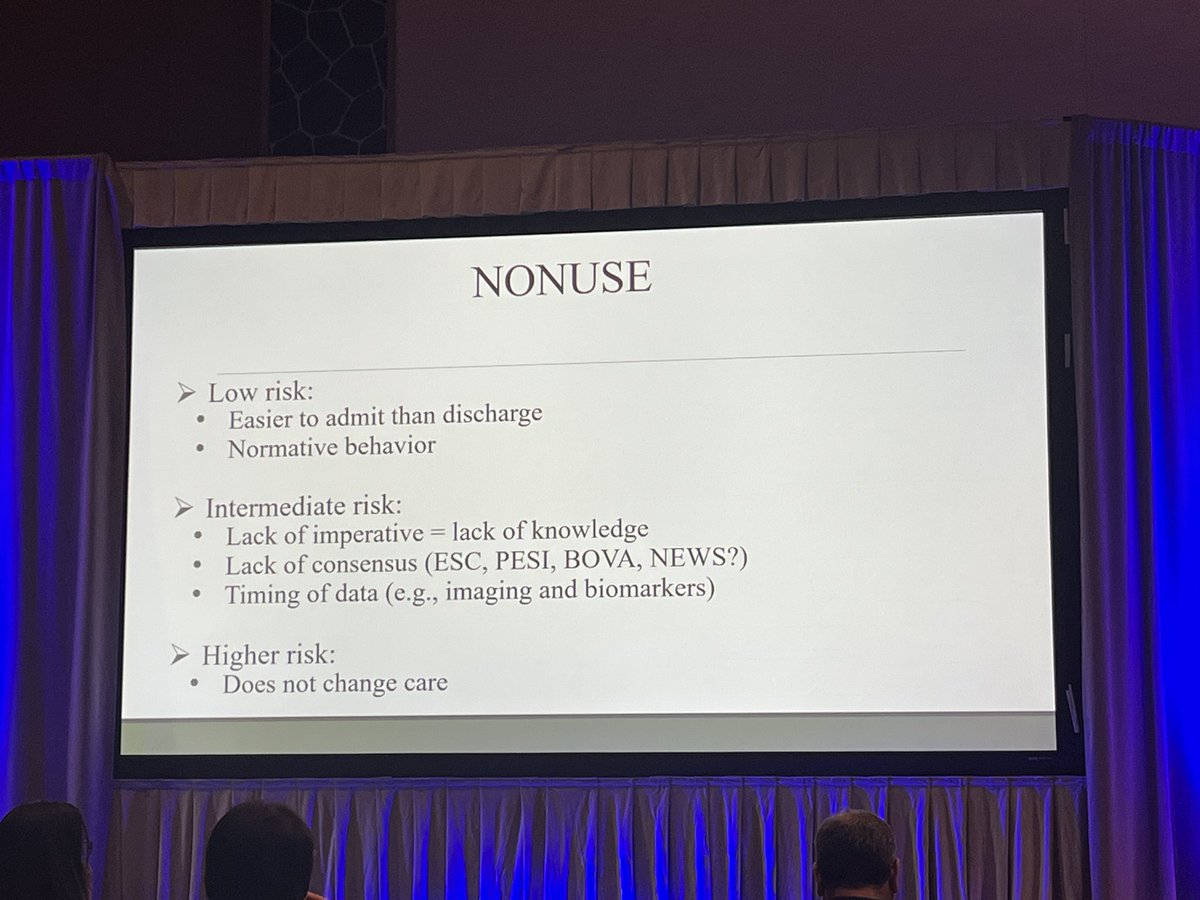
We know well how to differentiate between high-risk and low-risk #PE. The heterogeneity of intermediate-risk PE makes management challenging. What tools do we have for nuanced classification and to improve outcomes? Dr. Timothy Morris @UCSDHealth explains at #PERT2025
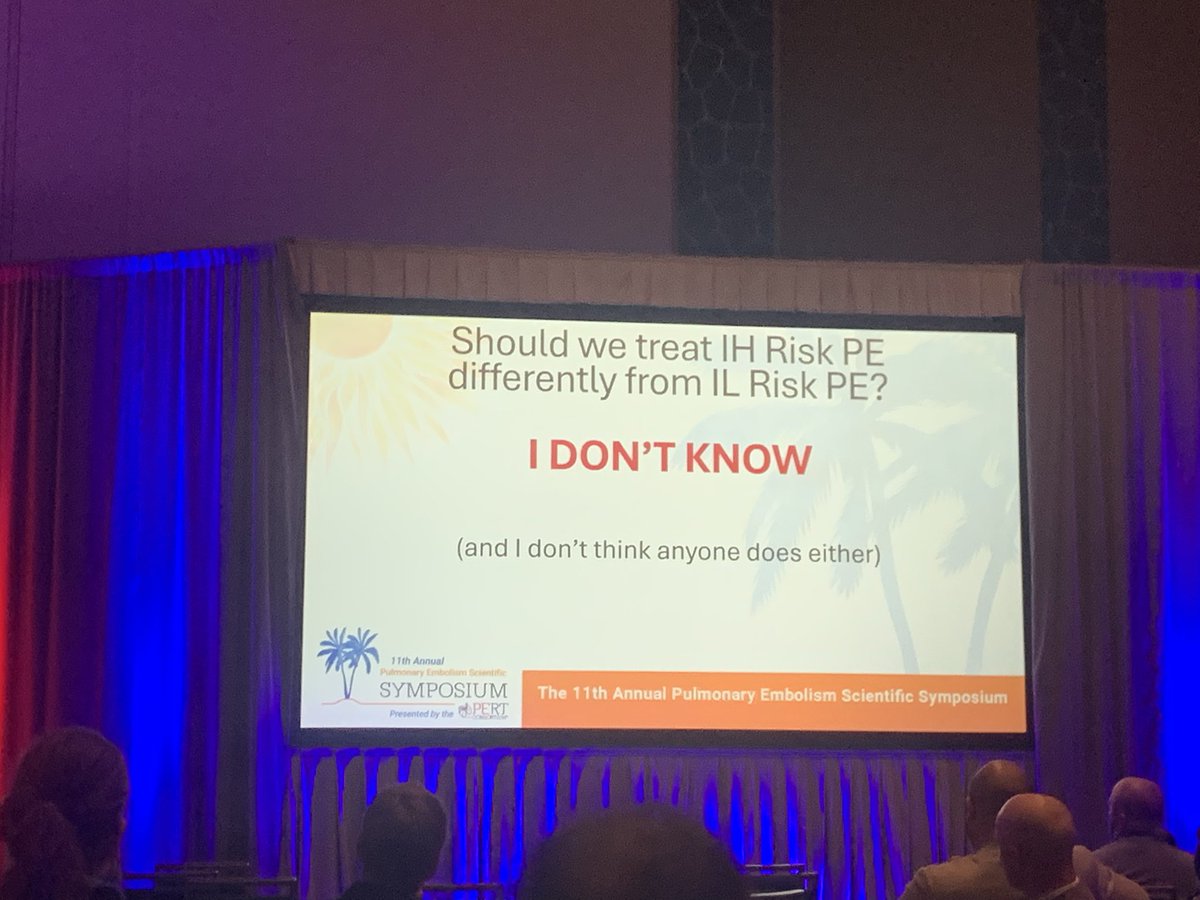
Great presentation from @drandrewsharp ending his talk by saying we don’t know (audience chuckled) and encouraging additional work in the field @PERTConsortium#PERT2025
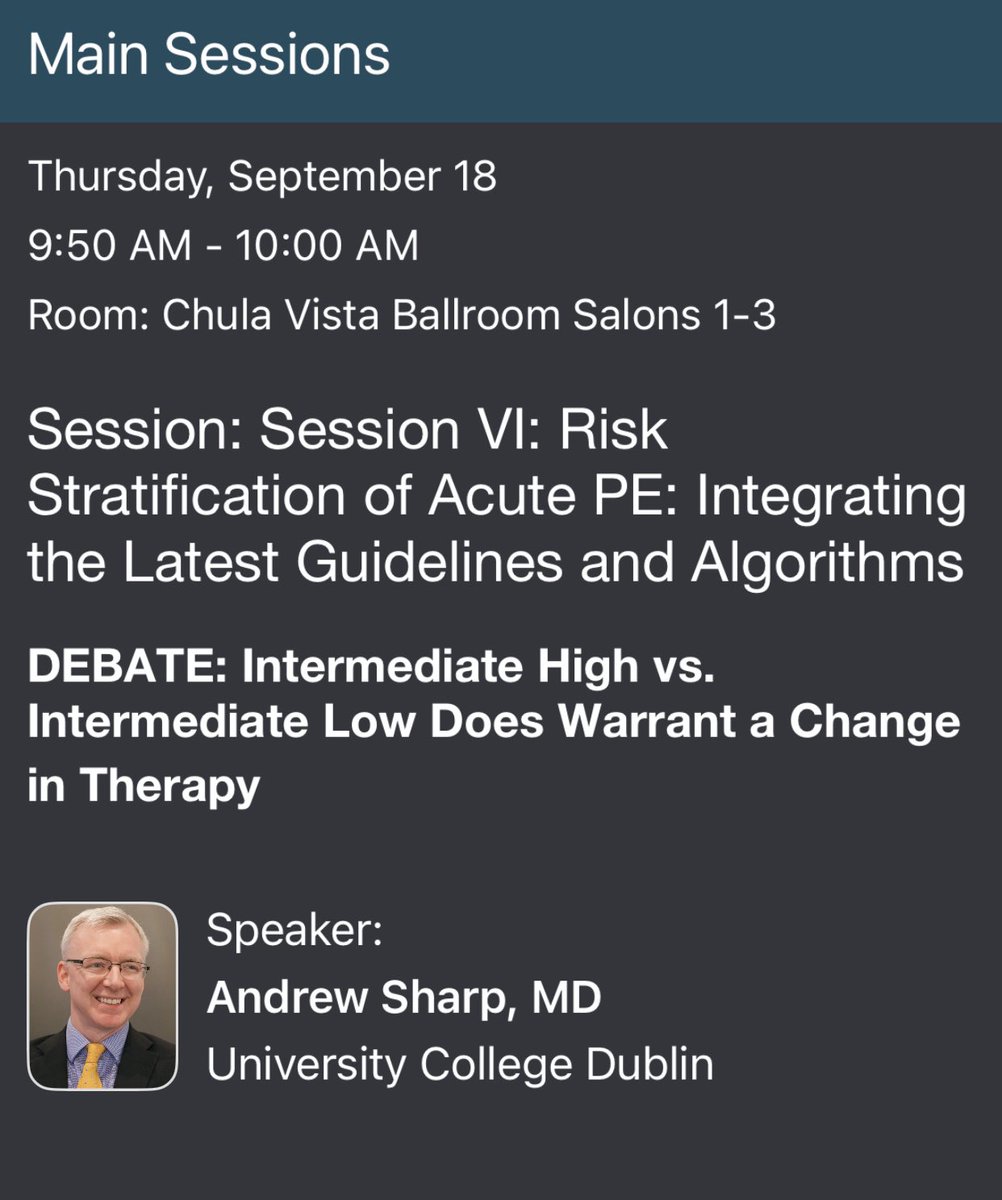
Up next: Presentation by Dr. Andrew SP Sharp: “Does Intermediate-High versus Intermediate-Low Risk PE
Warrant a Change in Therapy?” #PERT2025@PERTConsortium