Happy Fall Equinox 🍂🌞
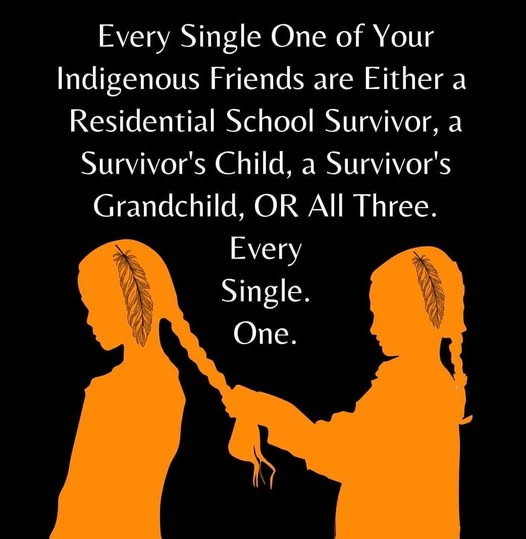
Today marks a turning point in the year: a time to notice what is changing, give thanks for what has grown, and remember our responsibilities to the lands and waters around us. As day and night become equal today, let us remind ourselves of the importance of balance – balance within ourselves, with our relatives, with our communities and with the natural world.🫎🤎🪶
Art by Cody James Houle (houlefineart)
🇨🇦 Two neighbours. Two very different scorecards.
Canada and the U.S. share the world’s longest international border, but on some measures, the numbers tell very different stories.
Better health care, lower gun violence, a more educated population, happier people, better parental leave, lower poverty rate, cleaner energy, paid vacation time, lower maternal mortality rate, more people connected.
Proudly Canadian. 🇨🇦🍁
🇨🇦🇺🇸 This is the fundamental difference between buying potash from Canada and Belarus.
Canada could have weaponized potash, oil, gas, electricity and critical minerals during this trade dispute. We deliberately chose not to disrupt the supplies American farmers, workers and families depend upon.
As Saskatchewan Premier @PremierScottMoe said:
“We should be very careful with respect to policies that maybe make us feel good at the moment.”
Why? Because Canada understands that food and energy security should not become political weapons between allies.
🌾 Saskatchewan potash moves directly by rail into established U.S. terminals and blending facilities.
⚗️ Canadian and American natural gas supports ammonia and nitrogen production.
🪨 U.S. phosphate is processed using ammonia and sulphur, including sulphur recovered from Canadian oil and gas production.
🚆 Railways, pipelines, barges, warehouses, retailers and farmers operate across the border as one continental system.
🛡️ Canada is not a geopolitical adversary. We are a NATO, NORAD and Five Eyes ally that has fought alongside the United States, defended our shared continent and built deeply integrated defence, energy, manufacturing and agricultural supply chains.
Belarus, by contrast, supports Russia’s invasion of Ukraine and remains sanctioned by more than 40 countries. As Moe put it:
“Buying blood potash from Belarus is supporting Russian aggression. It’s wrong and it doesn’t make sense.”
Belarusian potash must travel through Russia, cross an ocean, enter a U.S. port and then be transported inland—assuming sufficient supply, port access and infrastructure exist.
🇨🇦 Canadian potash is nearby, reliable, ethical and already integrated.
🇧🇾 Belarusian potash strengthens an authoritarian Russian ally while requiring a longer, more fragile supply chain.
Canada has leverage, but we have not used food security as a weapon because allies do not deliberately harm one another’s farmers. That restraint should be recognized and reciprocated—not answered by replacing a trusted ally with a regime aligned with Moscow. 🇨🇦🤝🇺🇸
#CanadaUS #CUSMA #USMCA #Potash #Fertilizer #FoodSecurity #Farmers #Agriculture #SupplyChains #Trade #NATO #NORAD #FiveEyes #StandWithUkraine
Have you tried our quizzes on The Canadian Encyclopedia? Take the Women in Canadian History quiz to get you started! #GenderEqualityWeek
https://t.co/KVTjGM0OIT
An incredibly depressing article. A few points:
🔸If your kid can’t add fractions, they are not ready for algebra, even if the school is giving them A’s. It's an easy check. Make sure they can add, subtract, multiply, divide fractions.
🔸Lots of misinformed math education academics out there downplay the importance of foundational skills and tests. They are wrong. Note how her child developed test anxiety once she started doing poorly on tests b/c she had not acquired the knowledge to do well on the tests.
🔸Standardized test results probably do give a pretty accurate picture of how a school is performing in comparison to other schools. Testing matters, for so many reasons.
🔸High standards matter. Smart kids need to be challenged. Even her own daughter could see this.
I appreciate that the journalist shared her story and I hope other parents learn from the mistake she made. https://t.co/pMCaZnlznO
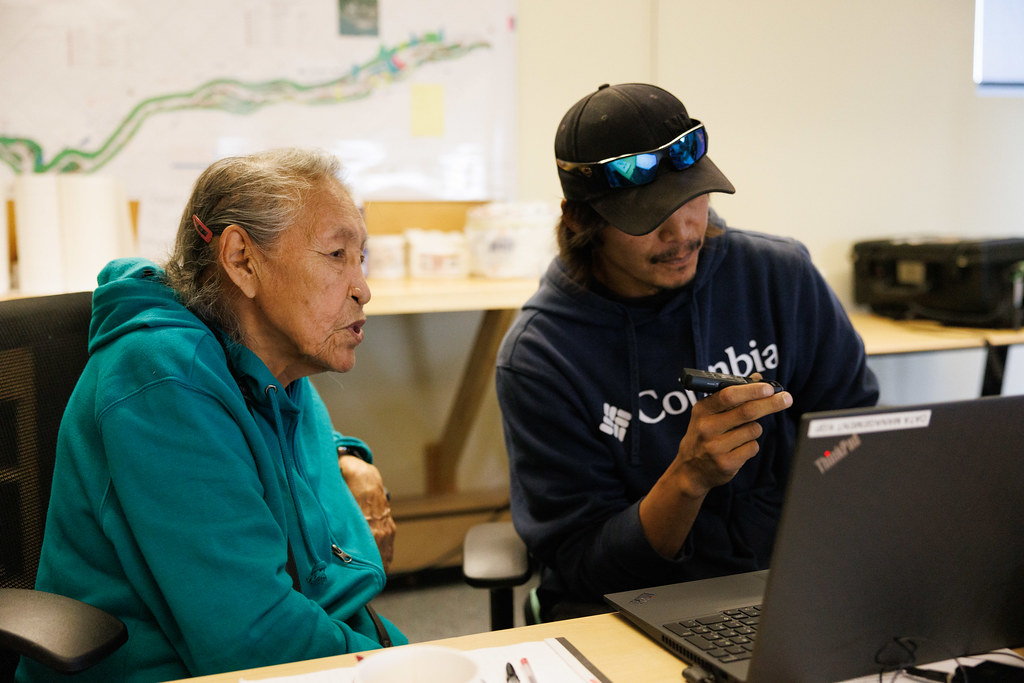
This is what “community impact” can look like.
An Elder sharing traditional ecological knowledge in their language.
And a Guardian listening, taking notes, making sure that knowledge stays alive.
Guardians' programs create space for many activities that contribute to cultural wellbeing: cultural camps, traditional harvesting, reports in their traditional language or constructing a community cabin to encourage land-based learning and connection to places that hold deep meaning for communities.🪶
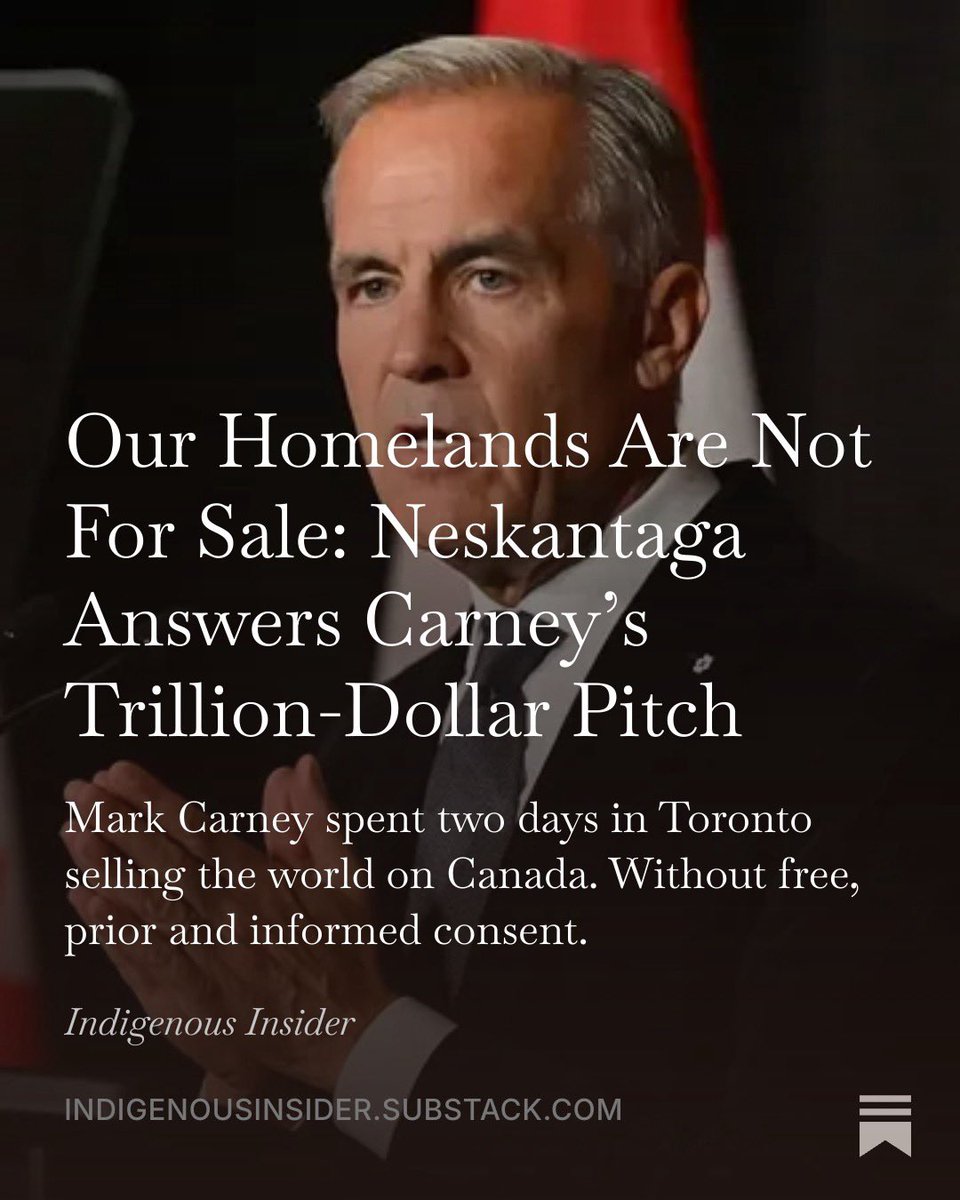
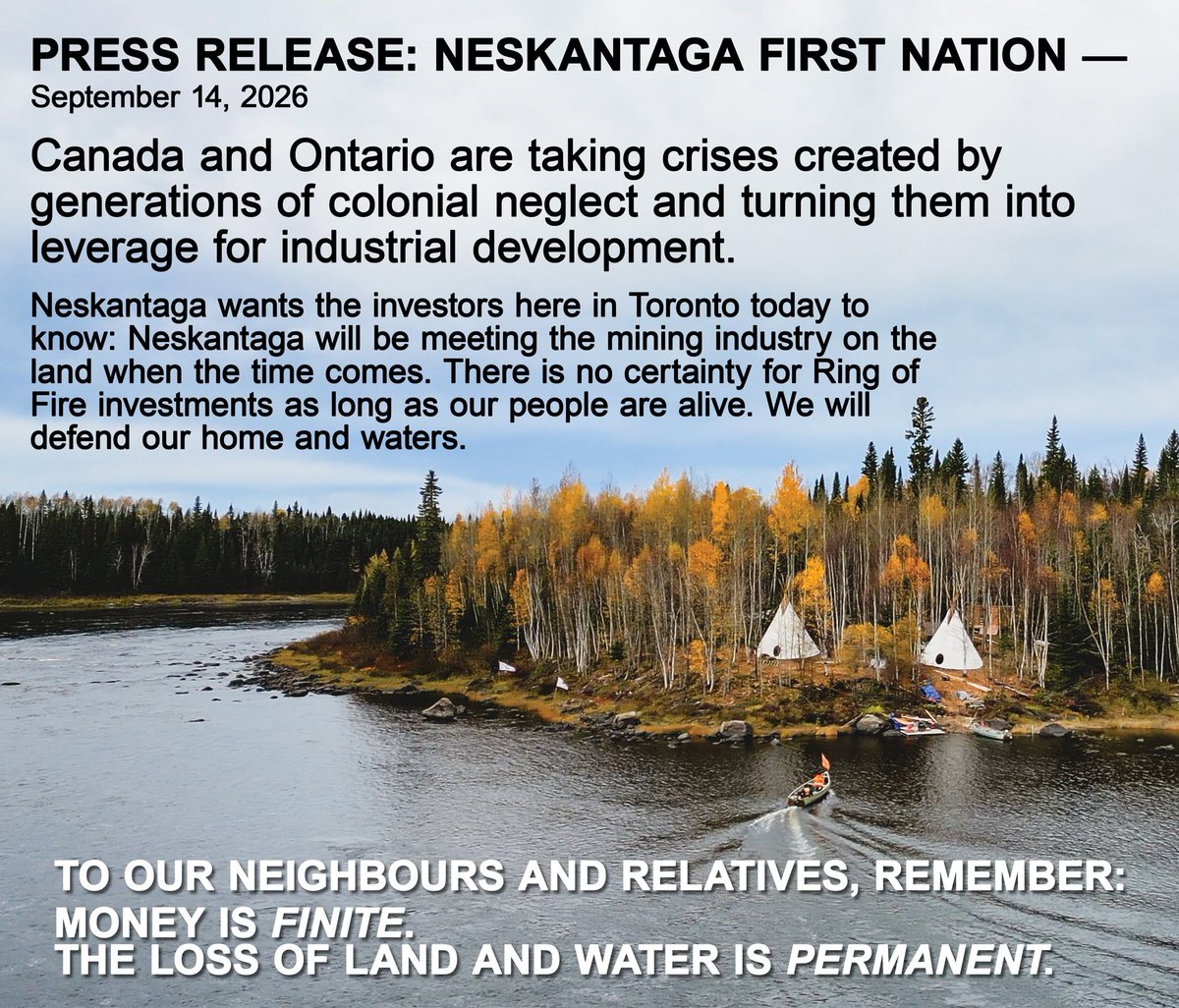
MY LATEST IS UP: Carney stood in Toronto for two days selling the world on Canada — and one of the things on the table is the Ring of Fire, land Neskantaga has NEVER given consent to touch.
Not the road or the mines, or the corridor cutting through some of the largest intact peatlands on the planet, straight across a river they call sacred. No consent, while Canada markets those same claims to global investors.
Anyone putting money behind this project (or ANY project WITHOUT Indigenous consent) is buying into a conflict over land that was never actually settled, no matter what the pitch deck says.
Read the full story — and Neskantaga’s press release, in full, via Indigenous Insider:
https://t.co/MMZNgOcucZ
Your leveled books called. They want a new job. 📞📚
We made you a free printable tool with easy ways to repurpose what you already have on your shelves.
Snag it here: https://t.co/aIXim0tHmX