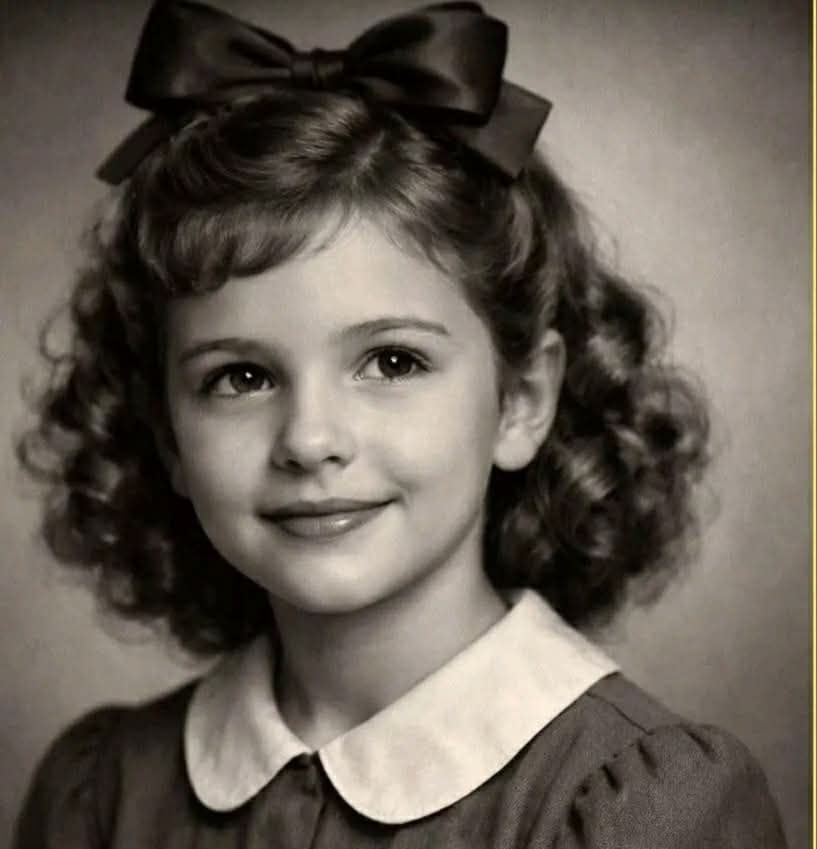
In 1946 the British government introduced free school milk for every child in the country. One third of a pint, every school day, from the age of five to the age of fifteen.
The milk was whole. Full-fat. From British dairy herds. It was delivered to the school gate in small glass bottles with foil caps and left on the doorstep in metal crates, where it sat in the sun until morning break if the weather was warm and developed a slightly suspect taste that an entire generation of British adults can still describe with uncomfortable precision.
The generation that grew up on school milk was, by every anthropometric measure, the healthiest generation of British children ever recorded.
Average height increased. Bone density improved. Dental health, despite the sugar in everything else, improved. Iron deficiency rates among school-age children dropped. The growth charts that the Ministry of Health had been keeping since the war showed a consistent, measurable, year-on-year improvement that tracked precisely onto the introduction of the milk programme.
In 1971 Margaret Thatcher, then Education Secretary, cut free school milk for children over seven. The tabloids called her Thatcher the Milk Snatcher. She was vilified. She kept the policy.
The next generation of British children, the ones who grew up without the daily third of a pint, were measurably less healthy than the one before.
The growth charts show it. The dental records show it. The conscription medicals, while they lasted, showed it. The thing the milk had been providing, the calcium, the vitamin D, the vitamin A, the complete amino acid profile, the conjugated linoleic acid, the fat-soluble nutrients that a growing skeleton requires in order to reach its genetic potential, was no longer arriving at morning break in a glass bottle with a foil cap.
It was replaced, eventually, by nothing. Or by a carton of fruit juice. Or by a packet of crisps from the vending machine that appeared in the school corridor in the 1990s.
The generation that drank the milk is now in its seventies and eighties. They are, on average, taller, stronger-boned, and longer-lived than the generation that came after them.
The milk was not magic.
The milk was milk.
It was the thing the body needed, delivered at the time the body needed it, at a cost the government considered acceptable until it didn't.
The cost of not providing it has been rather higher.
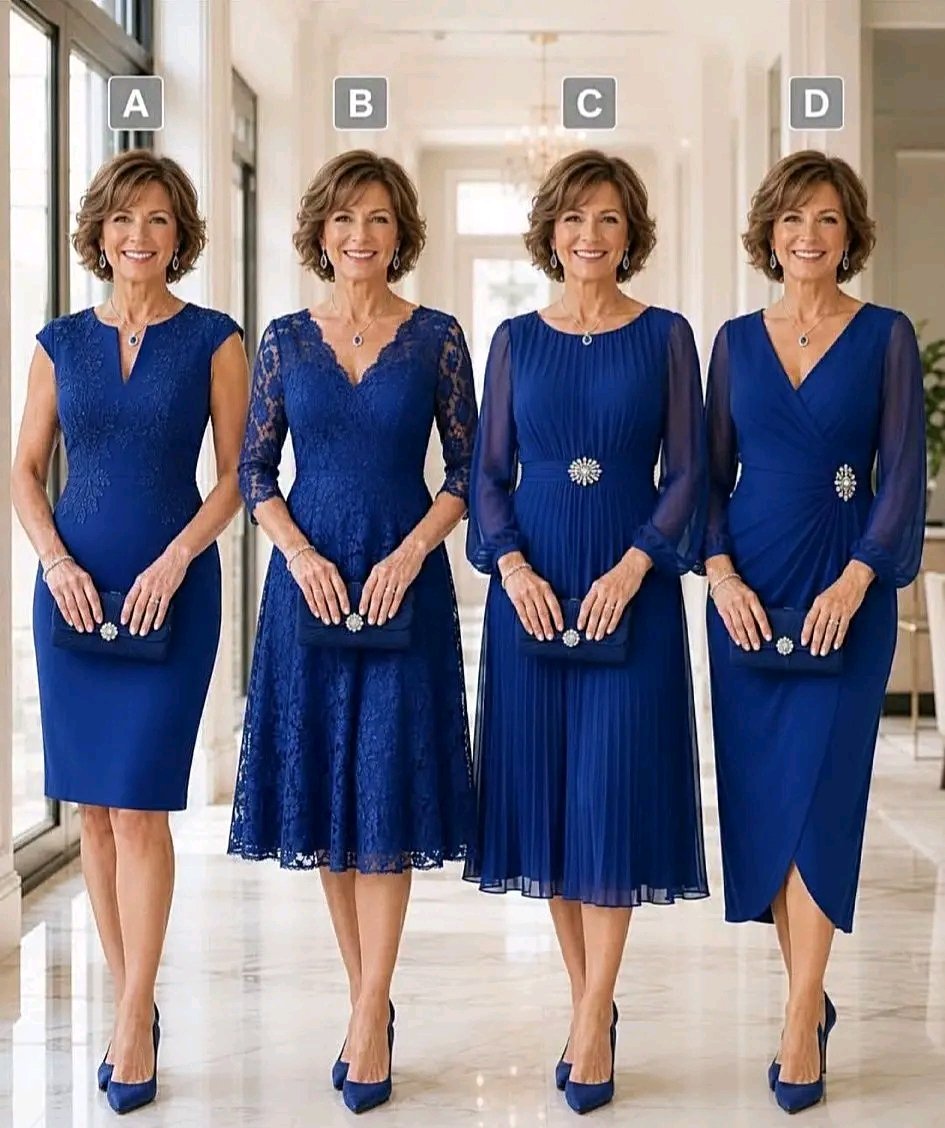
As the step-mother of the groom attending a wedding this July, I'm looking for a refined opinion; statistically, only 5% of women will choose the same dress as me, so which elegant option should I consider?
A magic moment! It’s beyond belief: Hayley Mills is 80 today & here she is blowing out the candies on her birthday cake. What a swell party this is!
In 1946 the British government introduced free school milk for every child in the country. One third of a pint, every school day, from the age of five to the age of fifteen.
The milk was whole. Full-fat. From British dairy herds. It was delivered to the school gate in small glass bottles with foil caps and left on the doorstep in metal crates, where it sat in the sun until morning break if the weather was warm and developed a slightly suspect taste that an entire generation of British adults can still describe with uncomfortable precision.
The generation that grew up on school milk was, by every anthropometric measure, the healthiest generation of British children ever recorded.
Average height increased. Bone density improved. Dental health, despite the sugar in everything else, improved. Iron deficiency rates among school-age children dropped. The growth charts that the Ministry of Health had been keeping since the war showed a consistent, measurable, year-on-year improvement that tracked precisely onto the introduction of the milk programme.
In 1971 Margaret Thatcher, then Education Secretary, cut free school milk for children over seven. The tabloids called her Thatcher the Milk Snatcher. She was vilified. She kept the policy.
The next generation of British children, the ones who grew up without the daily third of a pint, were measurably less healthy than the one before.
The growth charts show it. The dental records show it. The conscription medicals, while they lasted, showed it. The thing the milk had been providing, the calcium, the vitamin D, the vitamin A, the complete amino acid profile, the conjugated linoleic acid, the fat-soluble nutrients that a growing skeleton requires in order to reach its genetic potential, was no longer arriving at morning break in a glass bottle with a foil cap.
It was replaced, eventually, by nothing. Or by a carton of fruit juice. Or by a packet of crisps from the vending machine that appeared in the school corridor in the 1990s.
The generation that drank the milk is now in its seventies and eighties. They are, on average, taller, stronger-boned, and longer-lived than the generation that came after them.
The milk was not magic.
The milk was milk.
It was the thing the body needed, delivered at the time the body needed it, at a cost the government considered acceptable until it didn't.
The cost of not providing it has been rather higher.
The BBC…..home of the wrong un…it’s happened again. This time is Scott Mills, radio 2 DJ and presenter. Accused of something inappropriate with a boy under 16 when Mills himself would have been between 22/23 and 27 yrs old. The bbc have mod fast this time but it’s yet another nail in their coffin surely. And the question has to be asked, just how rotten is an organisation where this happens time after time after time.
In 1933, in Paris, a baby girl was born into a loving Jewish family. Her name was Francine. At the time, there was nothing to suggest that her childhood would be devoured by history.
Seven years later, the world she knew vanished.
In 1940, her father, Robert, was captured by the Germans and sent to a prisoner-of-war camp in Austria. From behind barbed wire and watchtowers, he found a way to send a message home. It wasn’t sentimental. It wasn’t long.
It was urgent.
Run. Leave immediately. Don’t wait.
Francine’s mother, Marcelle, listened. In the summer of 1942, she took her nine-year-old daughter by the hand and fled toward the border, hoping speed might save them. It didn’t.
They were arrested.
Because Robert was a French POW, mother and child were spared immediate deportation. Instead, they were labeled “hostages”—a word that sounded almost merciful until you learned what it meant. Over the next two years, they were moved again and again through France’s transit camps: Poitiers. Drancy. Pithiviers. Beaune-la-Rolande. Each stop was colder, hungrier, closer to disappearance.
On May 4, 1944, that fragile protection ended.
They were ordered onto a train bound for Bergen-Belsen.
Each prisoner was allowed one small bag. Marcelle chose carefully. Hidden among the essentials were two pieces of chocolate—a luxury beyond measure, meant for moments when despair or starvation might otherwise win.
Bergen-Belsen was not a place of sudden death. It was worse. It was decay stretched over time. Hunger gnawed constantly. Disease spread unchecked. Corpses were stacked like discarded objects. Hope thinned by the day.
Francine was ten years old.
One day, in the middle of that nightmare, she noticed a woman lying apart from the others. Pregnant. Alone. In labor. So weak she could barely breathe, let alone survive childbirth. Francine reached into her pocket. She felt the chocolate.
It was her last piece. Her mother’s insurance against collapse. Something that might have meant one more day of survival. She hesitated. Then she gave it away. That single act—small, almost invisible—changed everything.
The sugar gave the woman enough strength. Enough energy to endure the pain. A baby girl was born in a place designed to erase life. Against all logic, both mother and child survived.
Weeks later, Allied troops liberated the camp.
Francine lived. Her mother lived. And somehow, unbelievably, they found Robert again. A family scarred beyond repair—but alive.
Time moved forward.
Francine grew up. She became a teacher. Then something more: a witness. She devoted her life to Holocaust education, traveling, speaking, refusing to allow memory to fade into abstraction.
Decades passed.
At a conference many years later, a woman stood up before speaking and said she needed to do something first.
“My name is Yvonne,” she said. “I’m a psychiatrist from Marseille.” She walked toward the audience.
“I’m looking for Francine Christophe.” Francine raised her hand. Yvonne placed something gently into it.
A piece of chocolate.
“I’m the baby,” she said quietly. For a moment, no one spoke. Because everyone understood: this was not coincidence. This was history closing a circle.
Fifty years earlier, a starving child had chosen compassion over self-preservation. That choice had grown into a life—a doctor who now helped others heal. A life that existed because kindness had appeared in the darkest possible place.
Francine Christophe is now in her nineties. She has children, grandchildren, great-grandchildren. She still tells her story. Still insists on remembrance.
That piece of chocolate was never just food.
It was proof that the Nazis failed.
They tried to destroy empathy. They didn’t. They tried to erase human worth. They couldn’t. In a camp built to strip people of their souls, a ten-year-old girl proved that love can survive even there.
Some acts of kindness echo for generations.
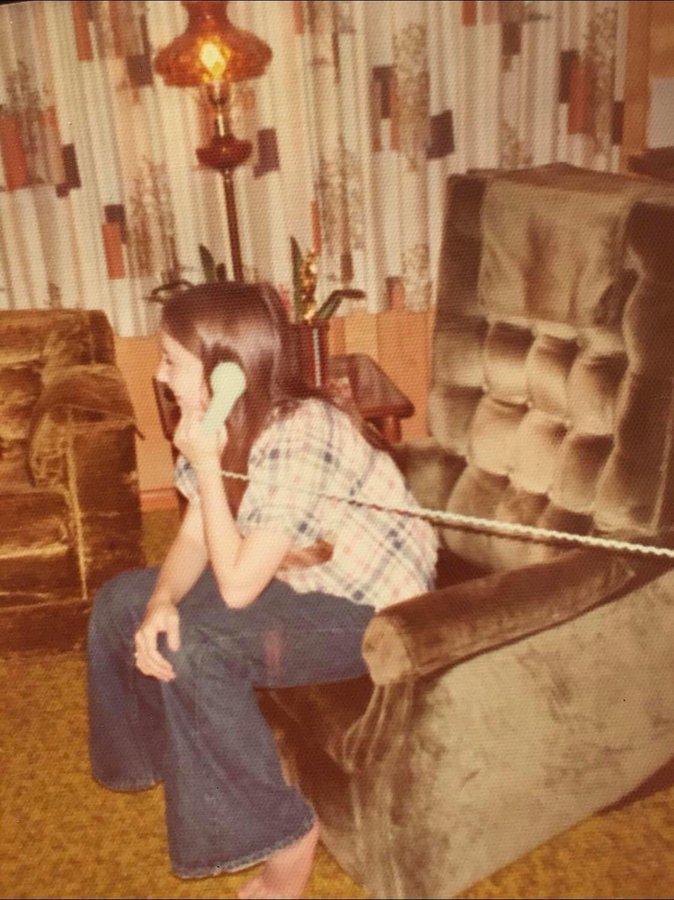
After posting a photo of me, I ended up getting some pretty horrible comments about my appearance, and I’ve been too scared to post a photo on here since…
But I’ve decided I’m not gonna let nasty people dictate what I post - so here I am, unashamed of what I look like 😊