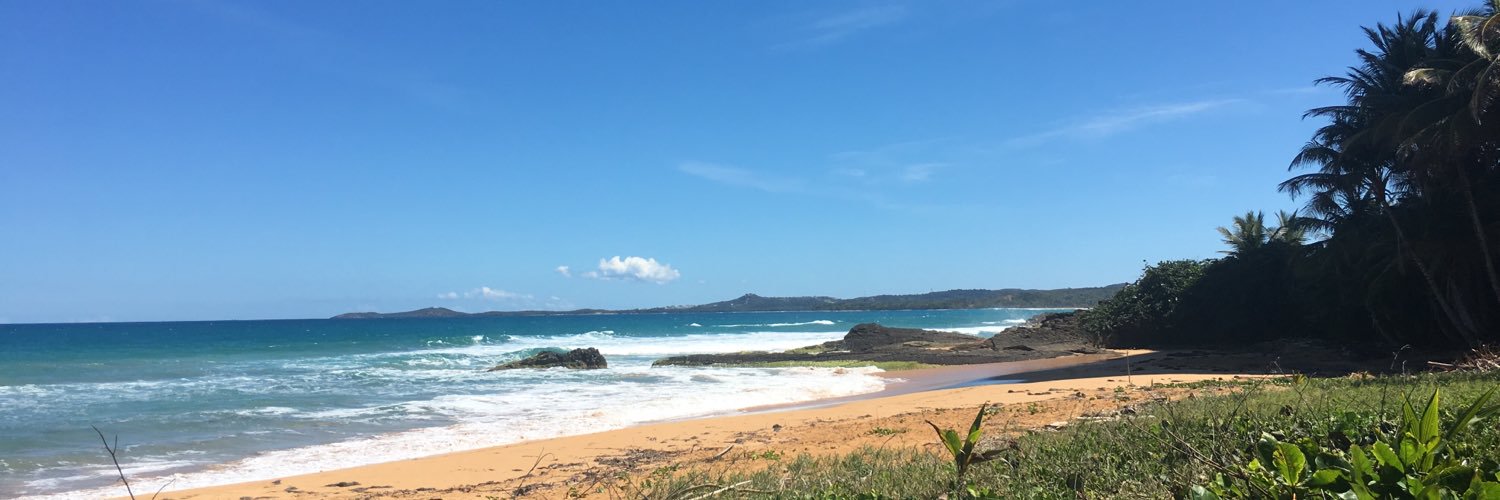
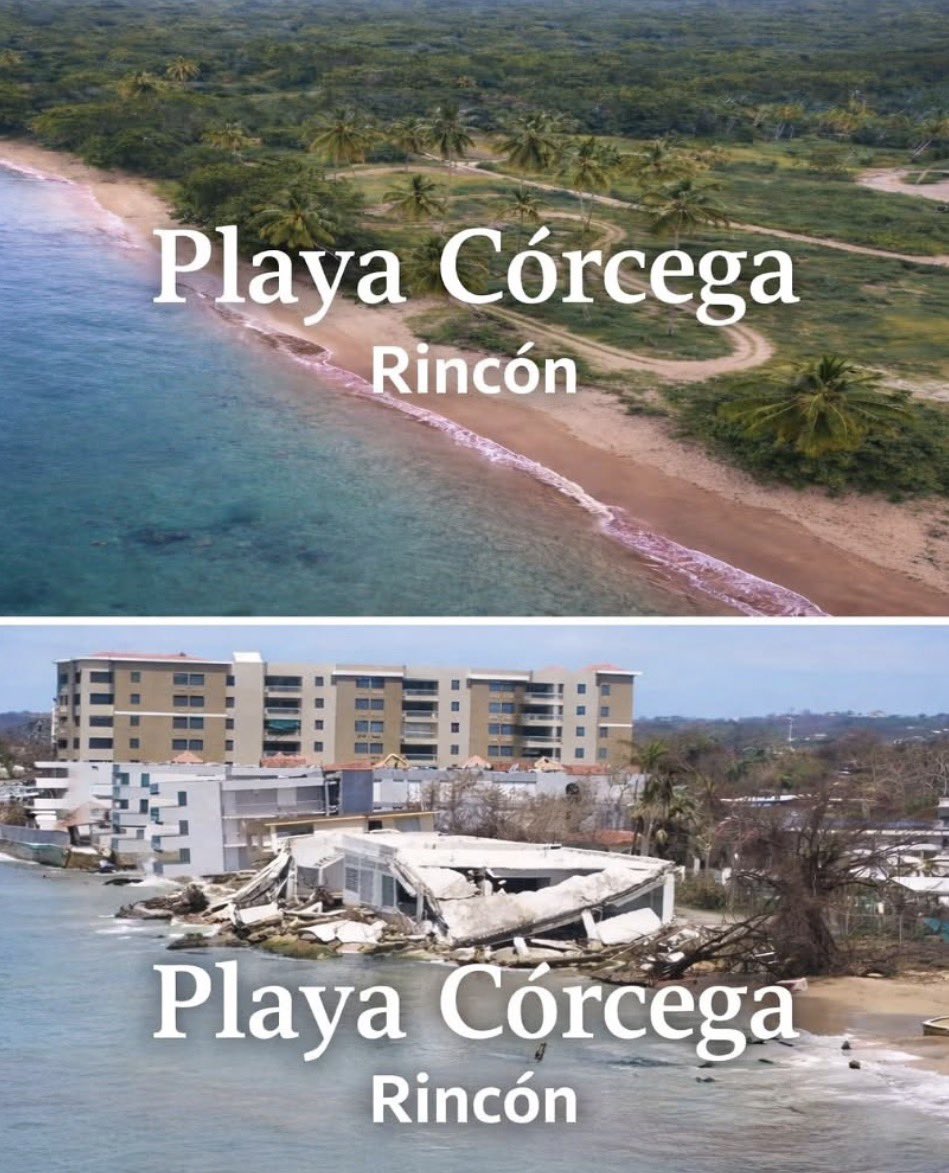
Las costas en Puerto Rico amenazadas por extranjeros multi millonarios que no les importa nada mas que las exenciones contributivas y su disfrute personal destruyendo nuestros recursos naturales
Cuba experiencing severe & unprecedented socioeconomic crisis described as "near-total collapse" extreme, critical shortage of fuel, electricity, and basic necessities
the country is running out of oil & electrical grid has failed, leaving the population in the dark for days‼️
I’m impressed to see how many Americans feel offended by a 13-minute halftime show by Bad Bunny. Yet, they don’t feel offended by the undemocratic reality that 3.2 million Americans living in Puerto Rico cannot vote for the U.S. President or have voting representation in Congress. Puerto Ricans are U.S. citizens, yet residents of the island cannot vote in presidential general elections and have no voting representation in Congress simply because Puerto Rico is a US territory, not a state.
Why isn’t there outrage over the fact that more than 350,000 Americans from Puerto Rico have served in the U.S. Armed Forces, many risking their lives, without having the right to elect their own Commander in Chief? How can a 13-minute performance in Spanish provoke such strong reactions, while the lack of full democratic rights for millions of fellow Americans for over a century does not?
Puerto Rico has voted on its political status multiple times, with statehood receiving majorities in the last four plebiscites: 62% (2012), 97% (2017), 53% (2020), and 58% (2024). Yet despite these repeated votes, neither Obama, nor Trump, nor Biden has delivered equal voting rights under the American flag to Puerto Rico, just as Washington, D.C., did in 1961, or statehood, as 37 states, including the Island of Hawaii, did in 1959.
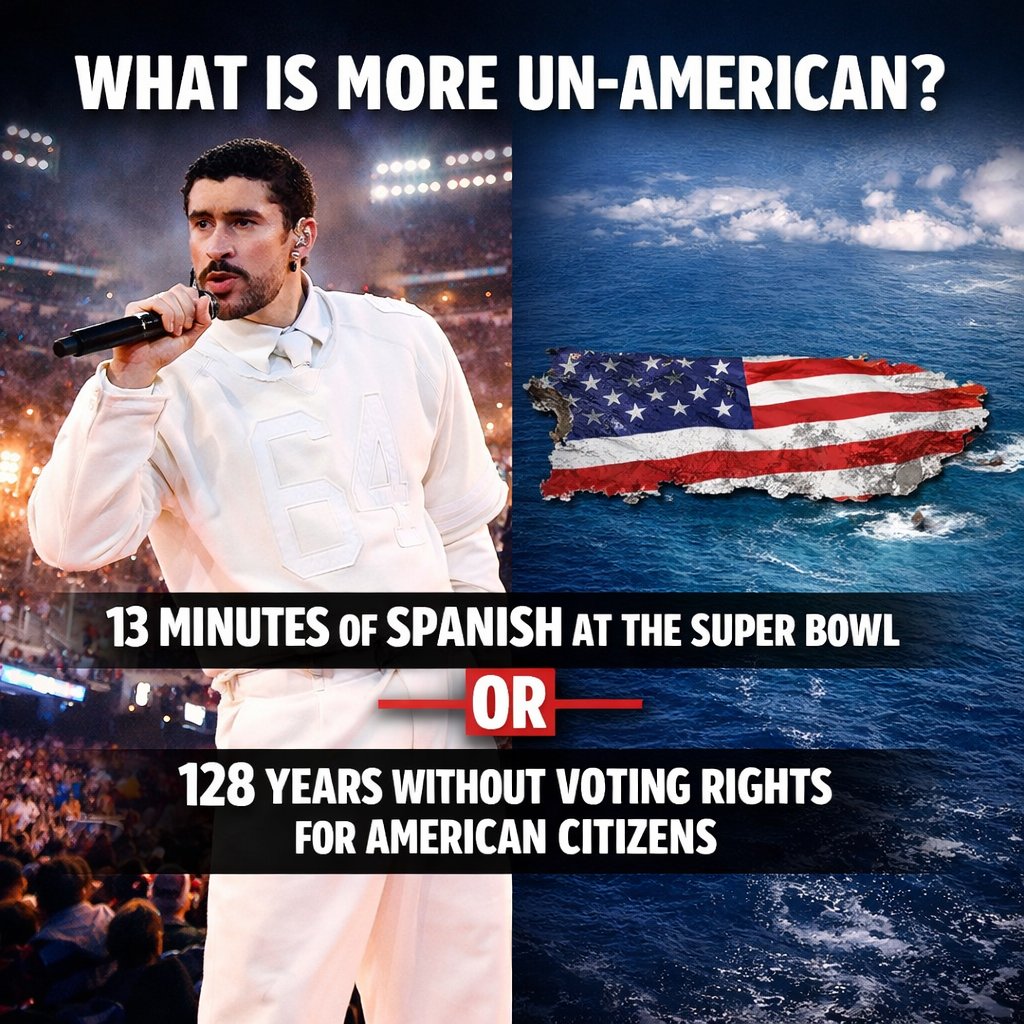
So let me ask a simple question: what is more un-American, singing in Spanish for 13 minutes at the Super Bowl halftime show, or denying 3.2 million American citizens the right to vote in the U.S. general elections for more than a century?
At a time when the nation is debating stricter voter ID requirements to ensure that American citizens decide U.S. elections, shouldn’t the first priority be guaranteeing that all American citizens actually have the right to vote? The 3.2 million Americans living in Puerto Rico already have voter ID requirements to participate in elections. The issue in Puerto Rico is not voter verification, it is the denial of equal voting rights in federal elections.
Before questioning the language spoken on a stage, perhaps the country should confront a far more fundamental question: why are millions of American citizens still excluded from full participation in the democracy they serve, support, and defend?
At least during that halftime show, Puerto Rico, a U.S. territory since 1898, had a brief moment of visibility in America’s cultural spotlight. Thirteen minutes of visibility is nothing compared to 128 years of electoral invisibility without full representation in the American democracy Puerto Ricans have defended, served, and strengthened for generations, just as Texans, Californians, and Floridians have.
And don’t claim opposition to Puerto Rico statehood based on the assumption that it would become a reliably liberal-leftist state. Today, Puerto Rico’s governor is a Republican, and the island’s legislature reflects a strong conservative influence. Bad Bunny does not represent Puerto Rico’s core political values. He represents Puerto Rico’s cultural identity; its language, heritage, and global presence, which is entirely different from how public policy and laws are shaped.
Over the past decade, Puerto Rico has enacted legislation that reflects socially conservative priorities. These measures include legislation restricting abortion, criminalizing gender-affirming care for minors, expanding religious-based service refusals by state government employees, recognizing the unborn as legal persons, and broadening gun rights. From a legislative standpoint, Puerto Rico increasingly resembles socially conservative states such as Florida, Texas, and Tennessee.
Puerto Rico’s political reality is more complex and more conservative than many assume. Cultural expression does not always align with legislative ideology, and it is inaccurate to judge the political character of 3.2 million American citizens based solely on the views of a single artist.