Day 8 of great synthetic biology papers.
“Idempotent Vector Design for Standard Assembly of Biobricks” (2003).
Genetic circuits rarely work on first try. It's hard to copy someone else’s work.
So this paper standardized DNA assembly, much like screws were standardized in 1864.
*****
In the 1850s, if you wanted to build a house, you might go chop down some wood and then fasten together the logs using wonky-looking screws, which have been around since at least 400 B.C. but were not standardized until 1864.
A man named William Sellers was responsible. He gave a speech at the Franklin Institute in Philadelphia, proposing to standardize the screw; to make each one, of varying sizes, have a consistent “pitch, diameter, and form of screw threads.”
Up to this point in history, each screw had a different shape. Each workshop made them in a different way.
But, after Sellers' speech, an entire industry quickly formed around the new standards. Soon, all the different workshops made screws in the same way. Suddenly, a blueprint for a bridge in San Francisco could be duplicated in Tokyo or Sydney. Engineering became standardized, consistent, and replicable.
So why should biology be any different?
After all, synthetic biologists spend lots of time building genetic circuits from small, modular sequences. A gene in bacteria is made from a promoter, coding sequence, ribosome binding site, and terminator.
Each of these parts can be isolated from diverse organisms, placed into a cell, and they just...work.
But it wasn't until 1996 that a group of researchers at the University of Illinois at Chicago first proposed consistent standards for assembling DNA in biology! They called their approach, published in PNAS, NOMAD. It stands for Nucleic acid Ordered Module Assembly with Directionality.
“Use of NOMAD ensures that the production of experimental constructs is no longer the rate-limiting step in applications that require combinatorial rearrangement of DNA fragments,” they wrote. (https://t.co/HabMxHJ3Sv)
The paper is very impressive. It lays out a whole system to stitch together promoters and other “pieces” into synthetic genes. But nobody really seems to have given a damn, until seven years later, when Tom Knight (who ran a biology lab at the MIT AI Laboratory, and who had previously designed and implemented the MIT Lisp Machine processor and also “supervised the construction of the first PDP-10 ARPANET interfaces with Bob Metcalfe) devised a similar standardization protocol, called Biobricks. (https://t.co/bP55eFclCv)
The basic idea of Biobricks is to store each individual DNA “part” — a promoter, coding sequence, terminator, whatever — on a circular loop of DNA, called a plasmid. Each part is then flanked with short DNA fragments, called restriction sites, that are recognized and cleaved by specific enzymes. When these sites are cut, they leave behind little overhangs that can be stitched together with other DNA parts.
It’s a really clever approach, and useful. This paper, much like Sellers' speech for screws, formed the entire basis by which we now clone and assemble DNA in synthetic biology.
h/t @jrkelly
Paper: https://t.co/5aaf79bu0N
Having spent just 6 months within the @NucleateHQ environment has been immensely helpful for developing my ideas. This sounds like a great opportunity.
Undergrads pursuing research are undersupported, underpaid, and overlooked. Let's change that.
That's where we come in. DojoGrants is designed to financially enable undergrads, from anywhere in the world, to pursue life sciences research in the U.S.
Apps launch JUNE 2023. 👇
Change is possible, and challenges can be addressed💙💚💛🧡💜❤️
I've seen a lot of problems in science, but I want to celebrate and acknowledge the progress we've made yet still need to push. By recognizing the good, we inspire change and build a more inclusive home #PrideMonth
I want to share cool science with my community! I went on an interview and asked about spending time to help with community science and was actively scolded for not wanting to give 100% effort on the bench.
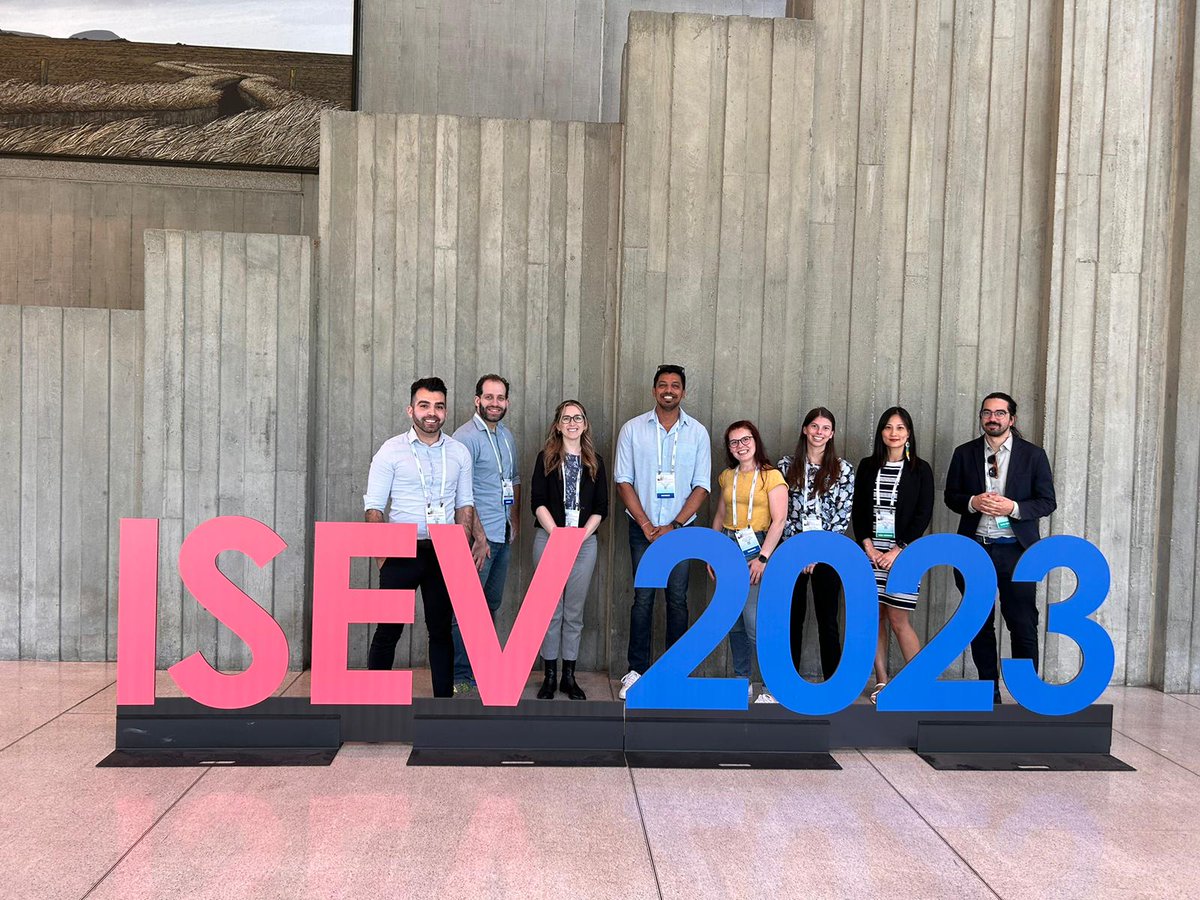
The EV field is inherently collaborative because of the great people in the field. Grateful for all of the friends and colleagues I've been able to make because of @IsevOrg#ISEV2023
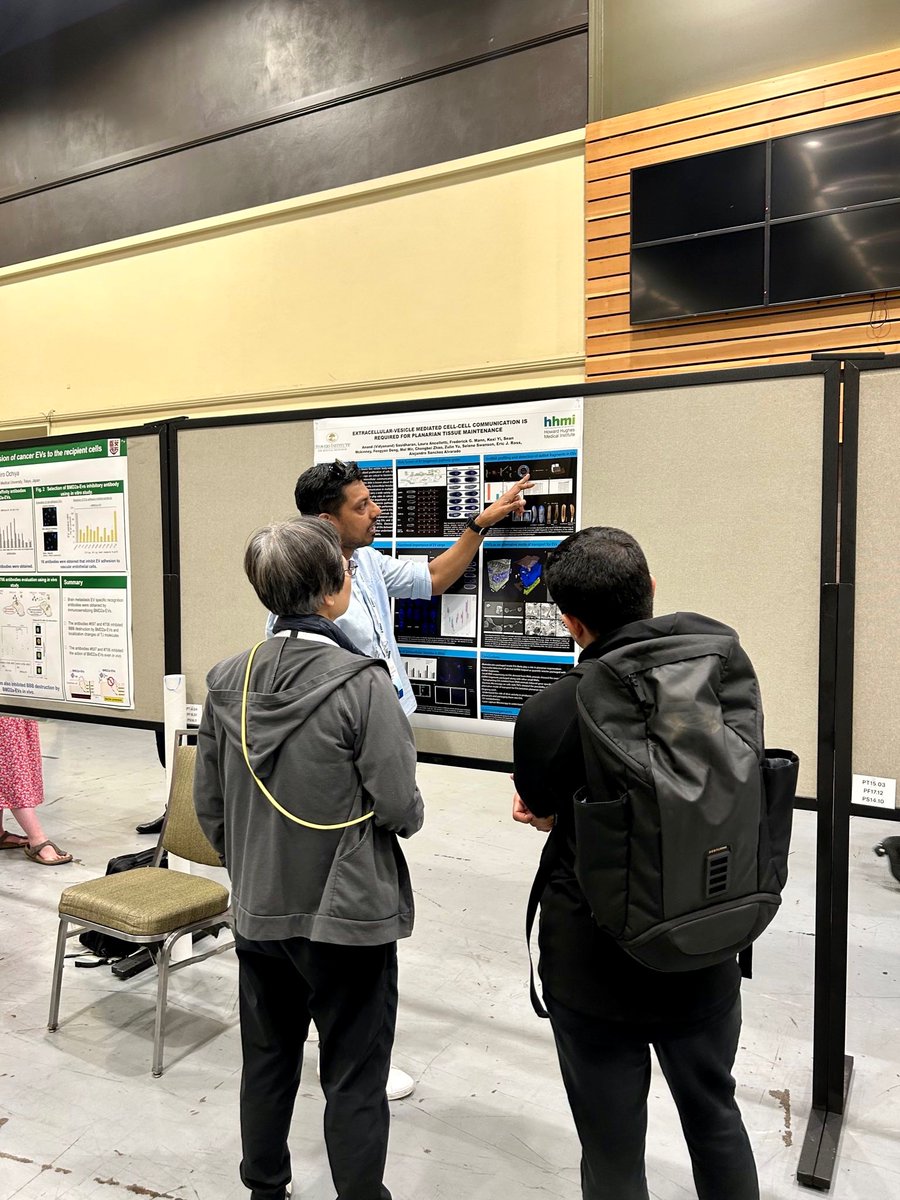
4 days of Amazing talks, posters and more importantly #NETWORKING comes to an end today. Thanks to all for coming to my poster and sharing your thoughts #earlyresearcher. Got to be with my Fav EV folks from #GRCEV2022 meeting. My first ever ISEV meeting was a blast. #ISEV2023
This is why:
1. Funding decisions for PIs must take into account recommendation letters from former PhD graduates and postdocs. Because funding is used to pay for more students and postdocs, it should be allocated only if the PI knows how to manage people correctly.
2. Universities should hire senior professors only after collecting 5-10 recomm. letters from their former graduates, randomly selected.
3. Students should get university-level (or country-level) training in how to select advisors and avoid toxic PIs.
4. Universities should create internal funds and programs for the students who need to switch groups or get financial security while they’re trying to find a new employer. It should be mandatory if the university wants to receive funding from the government (that comes from taxes).
5. Private funders should stop funding “hot research topics” as much as they do these days. Instead, if they start helping students who are already in crisis (by offering fellowships or other support), they will make A LOT bigger impact on the academic community and entire society.
6. In any department, fellow professors should HELP students who got into toxic groups and need support. Not avoid them.
7. At department meetings, the topics of toxicity and mismanagement must be discussed as often as possible. Believe me, your students don’t care about the “strategic plans for the department”, “teaching rotations”, etc that you keep discussing there. All they care about is wellbeing. Everything else comes second. Ensure you are raising awareness and making the right emphasis on what is truly important for the students.
8. Finally, reduce tenure requirements. A lot of issues stem from the load the young PIs have to withstand. Reduce the load on PIs and you will reduce the load on students and postdocs.
Don’t ignore mismanagement. Don’t ignore toxicity.
Even if it doesn’t happen in your lab.
@AcademicChatter #AcademicTwitter #phdchat
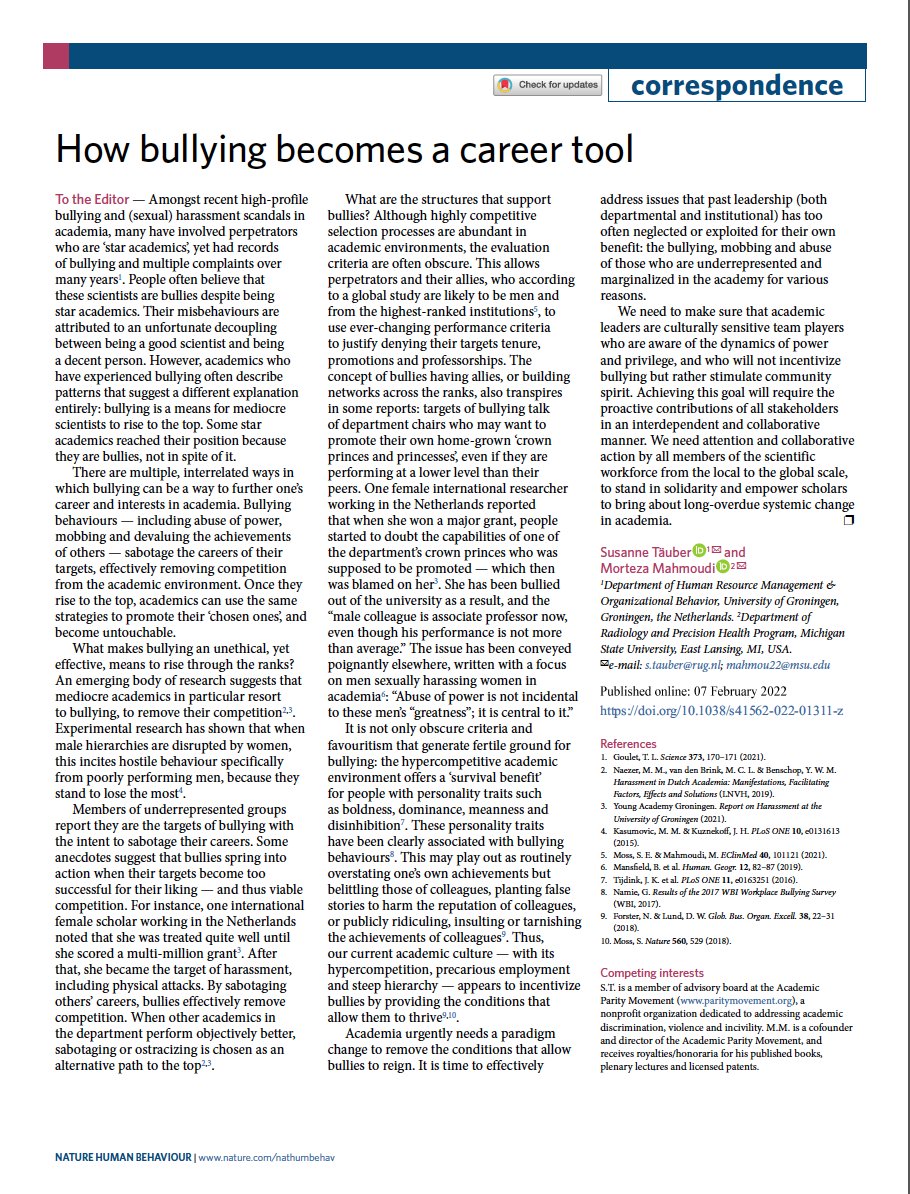
"Bullying is a means for mediocre scientists to rise to the top. Some star academics reached their position because they are bullies, not in spite of it." - Excellent piece about bullying in academia (and really any other professional environment). https://t.co/JTqGBaAuuf
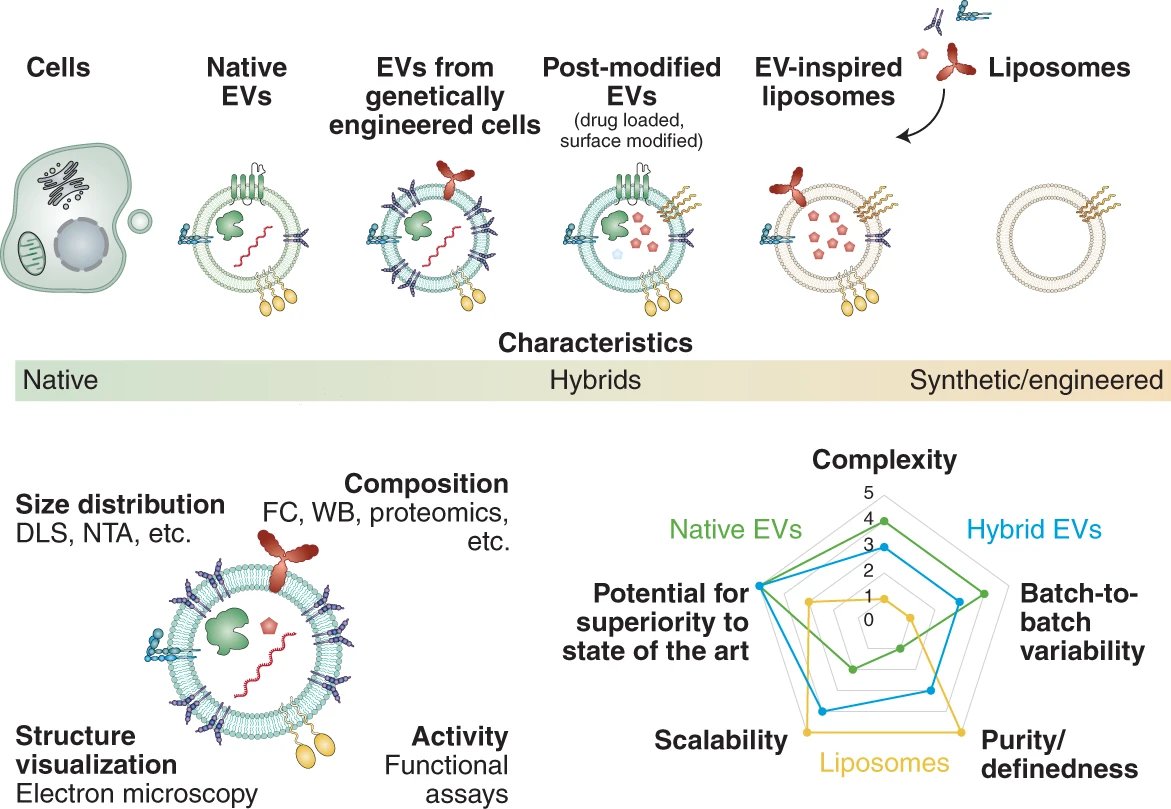
Our Extracellular vesicles (EVs) collection features selected articles from across Nature Portfolio jornals covering recent progress in EVs, EV-mediated cell–cell communication, methods & advances in clinical translation of EVs.
👉https://t.co/QJNaIMCkWm
#ExtracellularVesicles
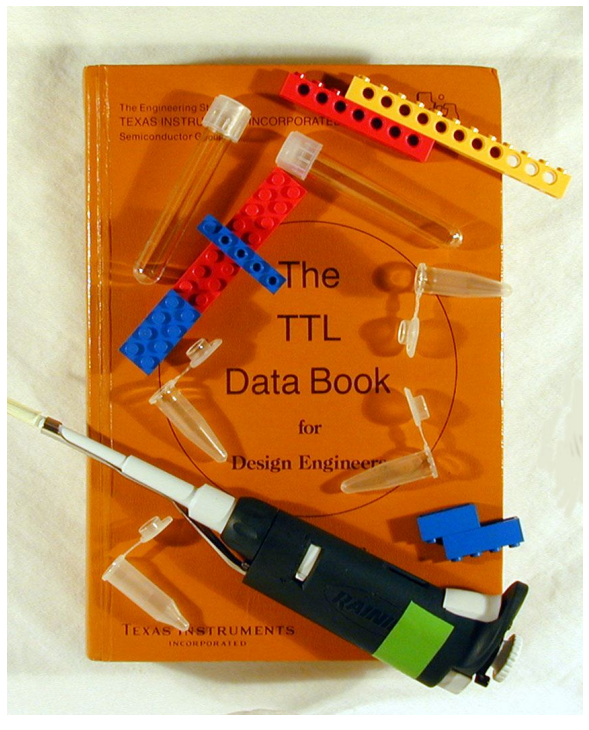
What does it say about me that this is one of the main reasons I want a house? I need a space to tinker with designs, both mechanical/electrical and synthetic biology (and combining them)!
@austingmeyer@Mathieu_Ferron Sorry for the long thread. I also just wanted to add the thought of not needing to ship something cross-country with dry ice although I don't know how that compares with the shipment of liquid N2 and different environmental concerns.
Is there a tool to manage your figures while writing?
If a figure is Panel 2A, and now it's sup 3D (and all of the other figures get moved) is there a reference manager-like tool to move this in the text and shift the labeling of subsequent labels?
@OpenAcademics@PhD_Genie
@alyssa_hill@OpenAcademics@PhD_Genie That's how I've been feeling, but it seems I need to take a foray into finally learning LaTeX. If it works, hopefully I can share the gospel! There's enough things to keep track of while writing, figure labels shouldn't be one of them 🔃🔄🔀