I left coaching NCAA basketball to pursue a degree in sport and performance psychology, thinking I would learn what I needed as a player.
My lightbulb moment was recognizing I needed this even more as a coach.
In December 2021, I wrote my first newsletter around one simple premise: "Coaches are performers and can benefit from sport and performance psychology too."
At the time, it felt like a niche idea. Five years later, and it feels like the tides are turning.
Legacy is just one of four foundations of a high-performing team culture.
Most teams are strong in one or two. Few have all four.
Where is your team right now?
→ Take the free 2-minute culture audit
https://t.co/g56F2bSo1f
Every coach wants their team to play for something bigger than themselves.
But that “something bigger” has to be built.
Legacy bridges past, present and future.
The team becomes a part of a bigger story and what they do together will matter long after they leave.
"Arizona's going to have another good coach after me, I promise you."
Tommy Lloyd on protecting the program, for those who've come before, and those who'll come after.
Great teams have a system for offense, and a system for defense.
Yet, most teams are winging their team culture.
I recently joined the @DavidsonMBB Inside Out Show to go behind the scenes on how we’ve been building team culture together.
The same system we used to help NCAA coaches win Coach of the Year 5x.
Different conferences, sports, and teams. One thing in common: Culture deliberately built by the leader.
See exactly how you score across the 4 pillars of high-performance culture: https://t.co/KQPnfUTm2x
New episode of "The Inside Out Show" presented by @CarbDav also features Brian Sullivan (Davidson '16) 🎙️
YouTube: https://t.co/cOVPJKrLJM
Spotify: https://t.co/GyQI7lvPge
Apple: https://t.co/Sz7pE82HAr
Individual ambition isn’t the problem. The problem is when individual goals conflict with team goals.
The best coaches don’t suppress individual goals. They understand them and connect them to the team’s mission.
Both are powerful motivators. Why not allow for both?
Asked Mark Daigneault why so many players are able to buy into OKC’s system and values:
“The idea is for those things to be win wins. Theoretically, those things should help us be successful as a team, but they should also help every single player individually build a good career. I think that’s part of the reason why there’s such commitment to it as well because most of the stuff we try to emphasize are things that can also enhance their individual trajectories as well as enhance the team.”
Change is constant for leaders. A strong organizational identity, knowing what’s central, distinctive, & enduring, anchors leaders & their teams in uncertainty.
It helps everyone get on the same page, see things clearly, act on opportunities, & implement strategy smoothly.
@stephale13 Yes! Trust can be boiled down to 3 questions:
1. Do you care about my best interests?
2. Do your actions align with your values?
3. Can you actually deliver?
Postseason reveals what teams truly value.
Some play to win, others to avoid losing.
In my experience, the best teams fight for time—one more practice, one more meal, one more road trip.
Love of the experience, not fear of failure, keeps them grounded when it matters most.
Ask your staff:
“What makes a [program name] player?”
Have them write down 3–5 qualities, then compare answers.
If your staff isn’t aligned on what it means to be one of us, your players probably won’t be either.
Great teams share a clear identity and it’s not by accident.
I’d be doing a disservice if I didn’t also share: I’m a huge fan of his podcast. It is a hidden gem (for now) and worth checking out.
https://t.co/h7OpRut6jL
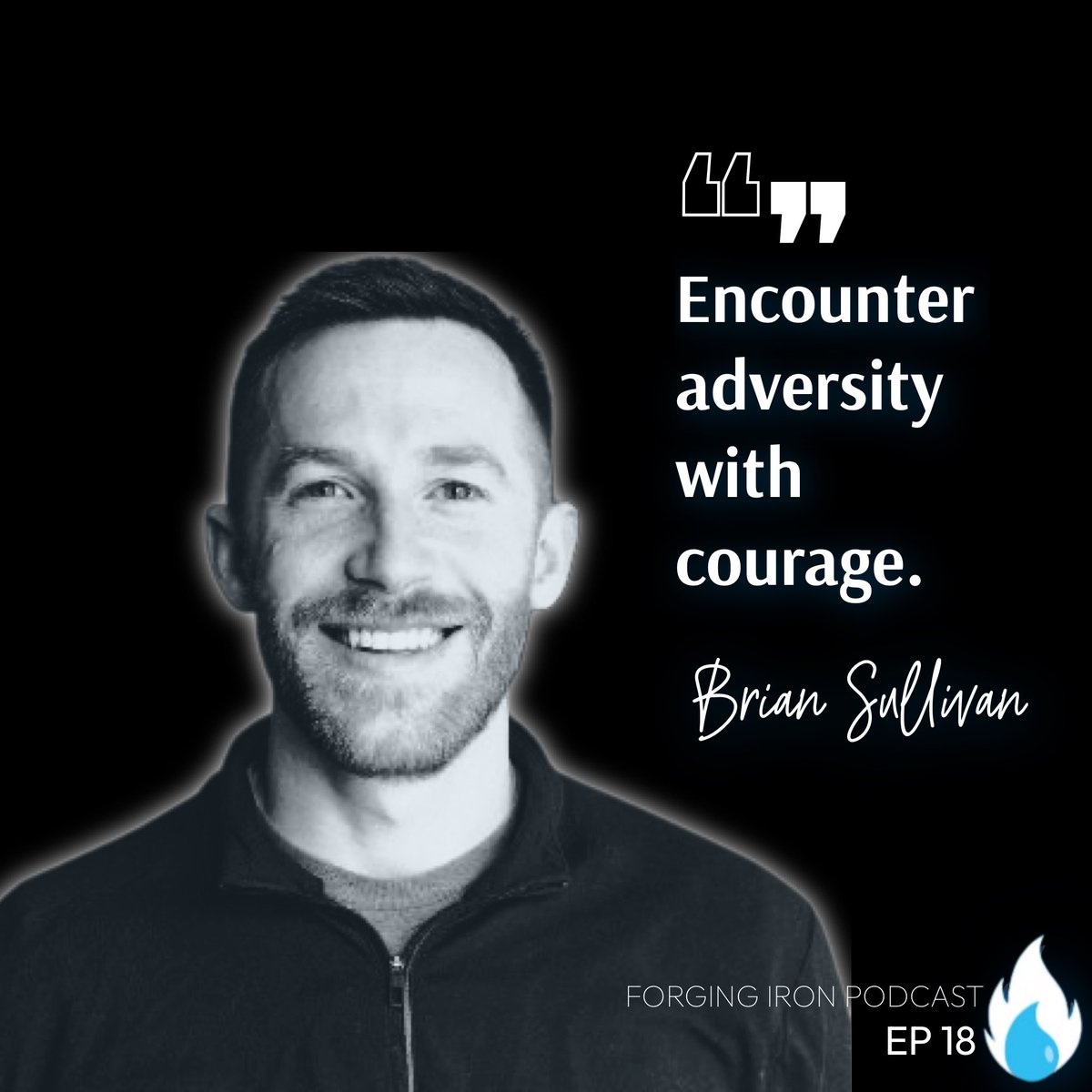
Had a great time joining the Forging Iron Podcast with @Coach_Grifjaws to go behind the scenes of the work we get to do with coaches and teams — and why it means so much to me.
https://t.co/ejkCuHw4O8