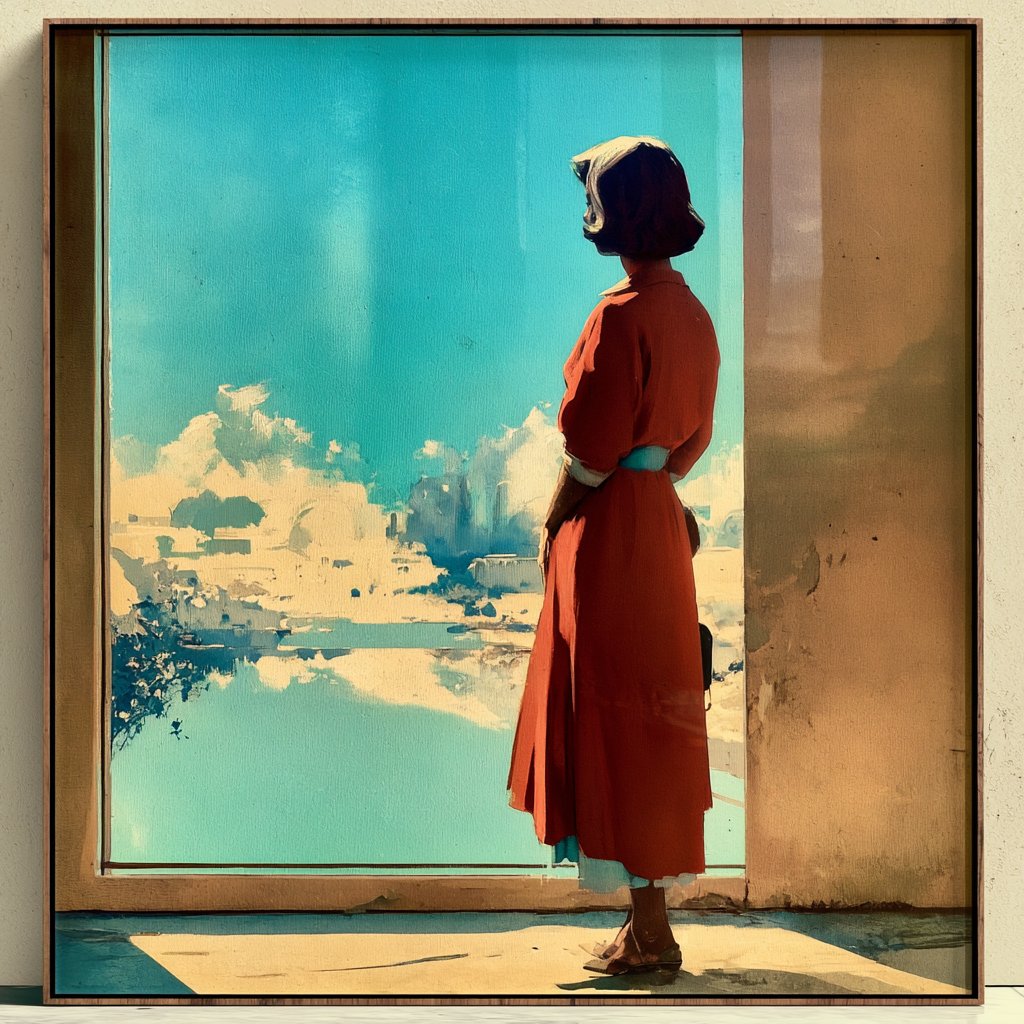
GPT2 x 活动 x 海报 x 信息图 x 美学提示词
厚重仪式感的一组 活动提示词
适合文化相关用途
书籍作为解体,是这个创意的出发点
实话说,这一周,我的提示词质量上来了
也可能并不是我提示词质量上来了
而是GPT-image2的理解力上来了
提示词在图片alt属性中,记得返图作业
可以尝试各种变种方向,比如电影海报...
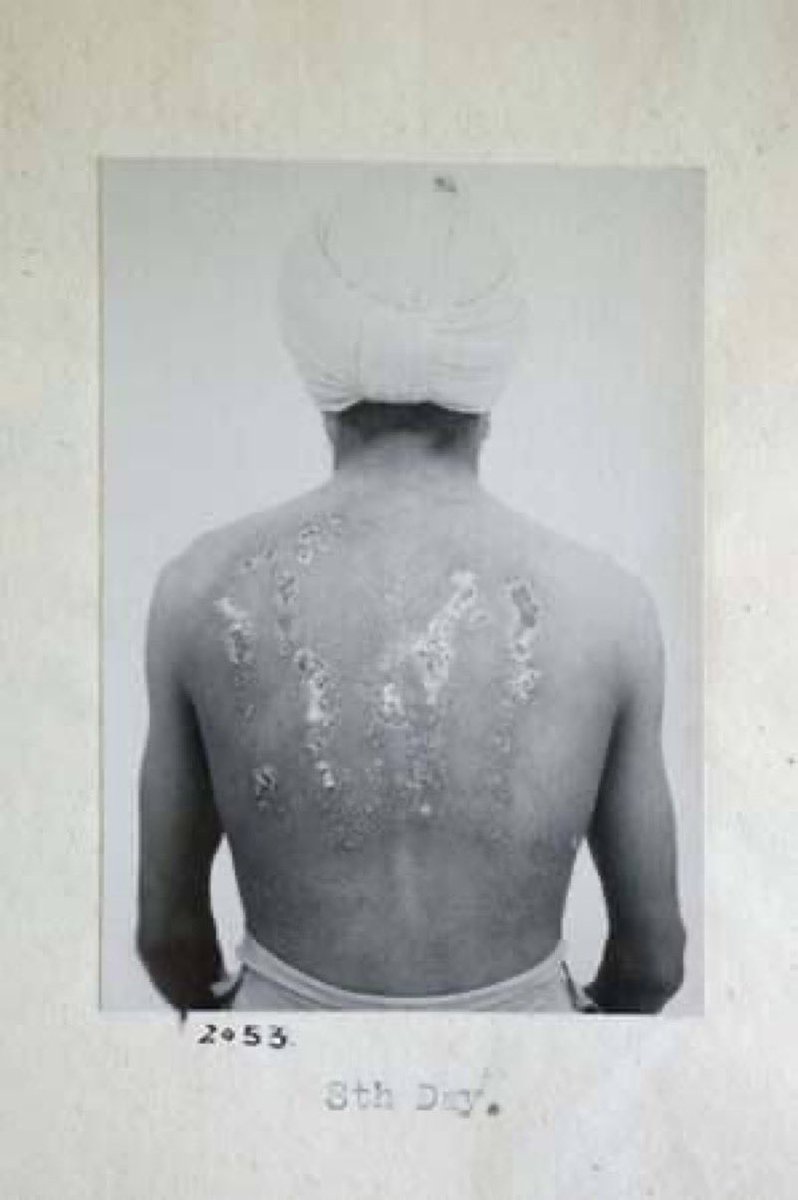
The Indian Holocaust- This must go viral
Hitler did not come to India - Then who put 20000 Indian Army Soldiers in Gas Chambers??
The Britishers did- 1930 British Holocaust on Indians for 10 years suspected to have killed over 20000 soldiers
This story won’t give you goosebumps. 🇮🇳💔
It will leave you in silence.
History often speaks of wars, but stays silent about what happened behind closed doors.
In the 1930s and 1940s, soldiers of the British Indian Army were taken to military testing programs linked to Porton Down.
Inside controlled gas chambers in Rawalpindi, Indian Army soldiers were exposed to mustard gas.
Not in battle.
In experiments.
They were made to stand inside sealed chambers wearing minimal clothing so the effects on skin, eyes, and lungs could be studied.
What they endured was not warfare it was observation.
Hundreds were exposed.
Many suffered severe burns. Many developed long-term respiratory and eye damage. Some were hospitalized for weeks.
Consent was not truly informed. Within the structure of colonial military authority, refusal was not realistically possible.
For years, this remained hidden from public view.
Later reporting, including by The Guardian, brought fragments of this truth into light.
This was not a battlefield.
This was controlled human experimentation done in the name of research.
And the people inside those chambers were Indian Army soldiers who had no real choice in what they were part of.
Some parts of history are not meant to give chills.
They are meant to leave you with silence.
You can now create 60-second vertical Video Overviews in @NotebookLM. 🎬
Just upload your notes, study guides or links to get a short vertical video breaking down your most complex concepts. It’s powered by Nano Banana 2 Lite — our newest Gemini Image model.
Vincent van Gogh sliced off his own ear in December 1888, wrapped it in paper, and handed it to a woman at a brothel. This shirt is built around that: the buttons are ears, and each one sits in the exact spot where his missing ear should be.
Police found him bleeding at home the next morning and took him to the hospital.
The ear is what he's remembered for. The story around it is stranger.
Vincent came to painting late. He'd failed as an art dealer and washed out as a preacher before he picked up a brush at 27. In roughly ten years he made about 2,100 works. He earned almost nothing from any of them. His younger brother Theo, an art dealer in Paris, quietly paid for all of it: the paint, the canvas, the rent, the food.
He's known to have sold one painting at a public exhibition while he was alive. The Red Vineyard, for 400 francs, about $2,000 today. He even wrote to Theo, embarrassed that the buyer had paid full price instead of a friend's rate.
His most famous work came out of his lowest point. He painted Starry Night and Irises as a patient inside a mental hospital he had checked himself into. In July 1890 he died of a gunshot wound, almost certainly his own, at 37. He died believing he had failed.
Then it gets sadder, and then it doesn't. Theo, the one person who believed in him, died six months after Vincent. That left Theo's widow, Johanna, 28 years old, with a one-year-old son and about 200 paintings no one wanted. People told her to leave them behind in Paris. She refused. She carried the canvases back to the Netherlands, ran a guest house to pay the bills, and spent the next three decades putting Vincent in front of the world, one exhibition at a time. She published his letters so people could meet the man behind the paint. By her death in 1925, he was famous everywhere. Her son later founded the Van Gogh Museum in Amsterdam.
The paintings he couldn't give away now hang in rooms people wait hours to enter. The few that reach auction sell for fortunes. Orchard with Cypresses sold for $117 million in 2022. The truly famous ones, like Starry Night, sit in museums and will never carry a price.
A man who sold almost nothing left behind some of the most valuable paintings on earth, and never knew it. The shirt gives him his ear back. The rest he got about a century too late.
Marble carved to look almost weightless.
This funerary monument was created in 1856 by Giovanni Battista Lombardi for the Dossi Rampinelli Spalenza family in Brescia’s Cimitero Vantiniano.
The kneeling mourner appears before a closed tomb door, her veil pressed softly across her face — but every fold, shadow, and transparent-looking layer is carved from solid marble.
A 19th-century memorial where grief becomes architecture, sculpture, and illusion at once.
Spare the soldiers
Wear the shoes of RR company commander for a day and you will get to know the reality of life
Nuisance from the civil administration is the last thing he has written in his field diary
Hardly he gets the time to speak back at home in an entire day
Other than facing terrorists, he is always standing there for you amid all the threats uncared about his own life, wife, kids, and parents
Spare him please
He won’t care if you don’t offer him a seat while on leave
But he and his boys will surely mind it if his own police harasses him and becomes a hindrance in his operational duty
Spare him
Because let him focus on his operational duties
Don’t drag him in courts just because you have a mightier pen and a ego bigger than Mount Everest
Spare him
If you don’t want another pulwama
Spare him
If you want a safe and a happy trip in Kashmir
Spare the soldier
Google is working on Collections support for NotebookLM.
> Users will be able to group multiple notebooks into a single collection.
> Collections will appear in a separate tab in the NotebookLM main menu.
Since Notebooks now also function as "projects" in Gemini, this may help users organize them more effectively.