Salaries in industry are ~ 2x higher than in academia after #PhD. This is a huge gap.
Many students ask me what to do about their bad advisors and boring PhD time. They love doing #research but have no idea how to stay in academia.
My advice these days is simple:
1. Do your best to get the PhD degree.
2. Try to leave your advisor somewhat happy so that you can ask for a recommendation letter.
3. And then LEAVE academia for industry. DON’T look for a postdoc position, it won’t help you.
- Why? Because if you have a difficult advisor and unproductive PhD time, it means your chances of staying in academia are extremely slim (~ 1%).
BUT companies don’t care about your advisor as much as academics do. They don’t need your fancy papers in Science and Nature.
They need your expertise and skills. And you as a critical thinker.
It may feel like a hard transition because you’ve got used to academic work so much.
But once you move to a company and see your bank account finally doing well, you will be surprised by how shortsighted you were before.
In industry, people solve all sorts of complex problems. Many of them are more challenging than in academia. So, believe me that you WON'T be bored if you find the right company.
And if you want to stay in academia because your brain strives for solving complex problems, you will be equally challenged in industry, especially in a tech company.
Of course industry also has all sorts of troubles. However, they are usually much easier to solve than in academia, especially when you’re a high-level professional.
#AcademicTwitter
[ Figure is from NSF ]
#ICIQNews@carbonize_d will recruit 12 PhD Candidates to Tackle Carbon Recycling to join @KLEIJ_ICIQ
Be a future leader in sustainable polymers, depolymerization, biocarbon valorization, and innovative catalysis strategies
👀 https://t.co/SaE3QBMKm3
⏳Apply before April 10
First paper authored by @BrigetteFortuin investigates 2 polymer systems with 3 different Li-salts. Balancing composition of the SPE, higher lithium transference number or higher ionic conductivity is favoured. @HegoiManzano@phd_destiny@energigune_brta
https://t.co/r9bDGkfMhG
⭐️MEET OUR PHD CANDIDATES⭐️
Today, Brigette at @upvehu & @energigune_brta
"Being an MSCA Fellow means connecting with a network of experts around the world to accelerate technological advancement in the battery sector.
👉https://t.co/7EUYiGJCwE
@C_MASQUELIER
Interested in emerging materials for battery technologies!
The Organic Battery Days 2023(https://t.co/o3b4O3lj0t ) will take place in San Sebastian-Spain on June 7-8, 2023.
@2030Battery@POLYMAT_BERC#batteries#polymers
📣Call for Doctoral INPhINIT Fellowships
Institute of Materials Science of Barcelona (ICMAB-CSIC)
🗓️ Fecha límite/Deadline: 25/01/2023
➡️https://t.co/XTUxvf6IFH
And the first one of my @phd_destiny is finally published! If you’re interested in batteries and electrolytes, check it out @JPhysChem https://t.co/9pHwoiSW53 @journalofphys @energigune_brta
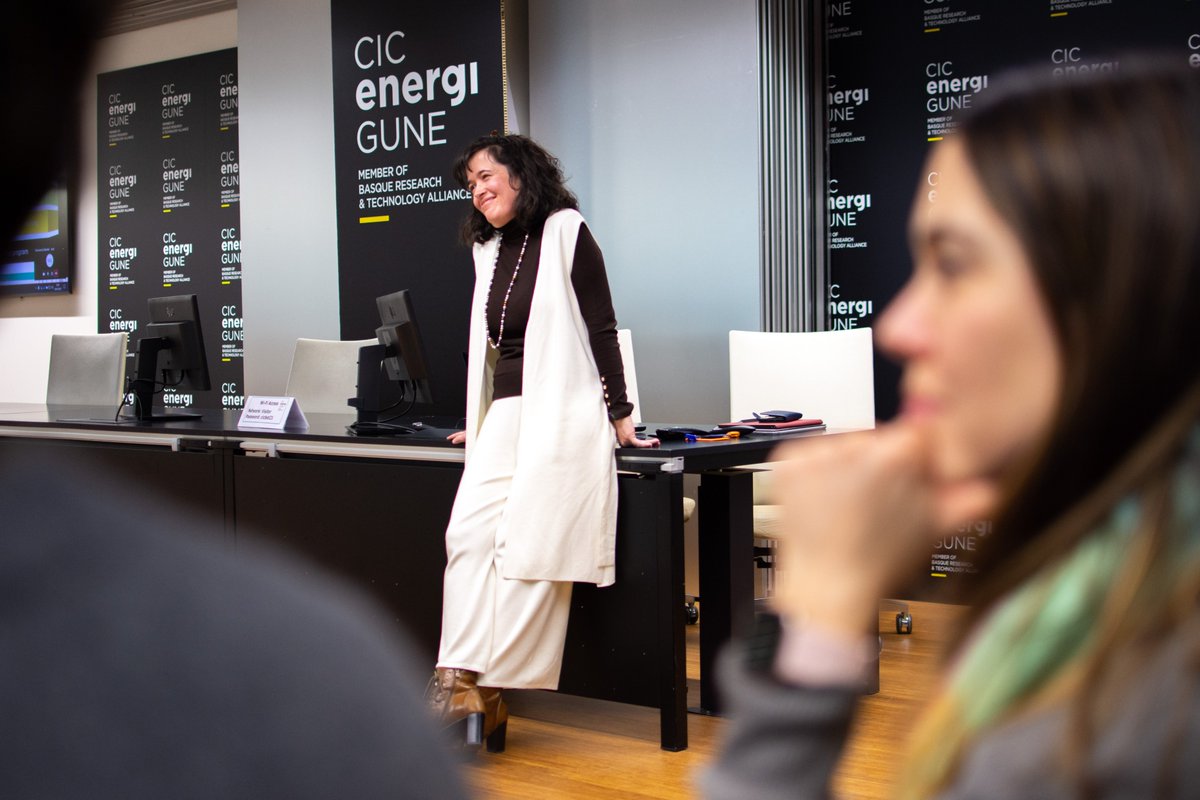
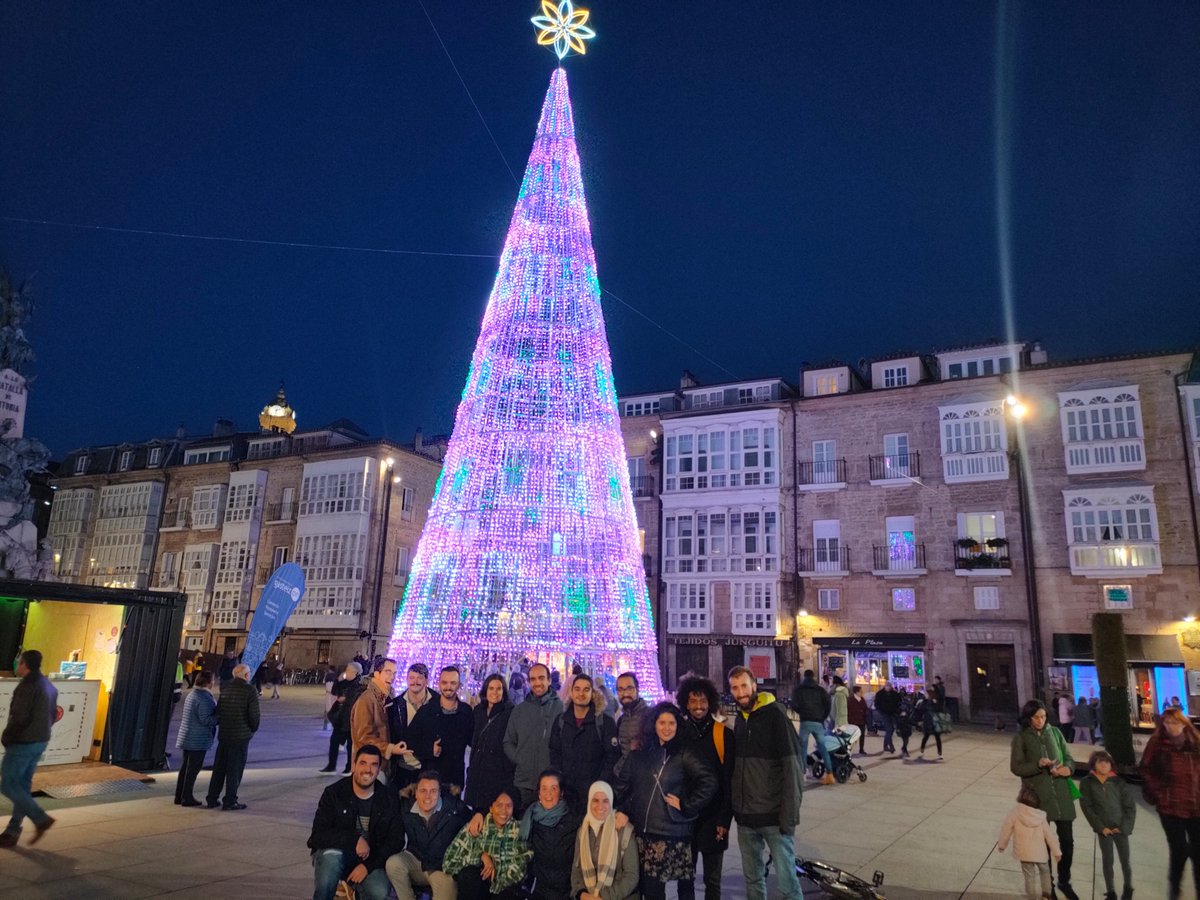
📢Members of CIC energiGUNE granted by the @phd_destiny program are in #Slovenia in a conference gathering young #talents🔬& industrial @AlistoreE members.
The program aims to educate the next generation of #battery scientists & engineers,covering the #EnergyStorage🔋value chain!
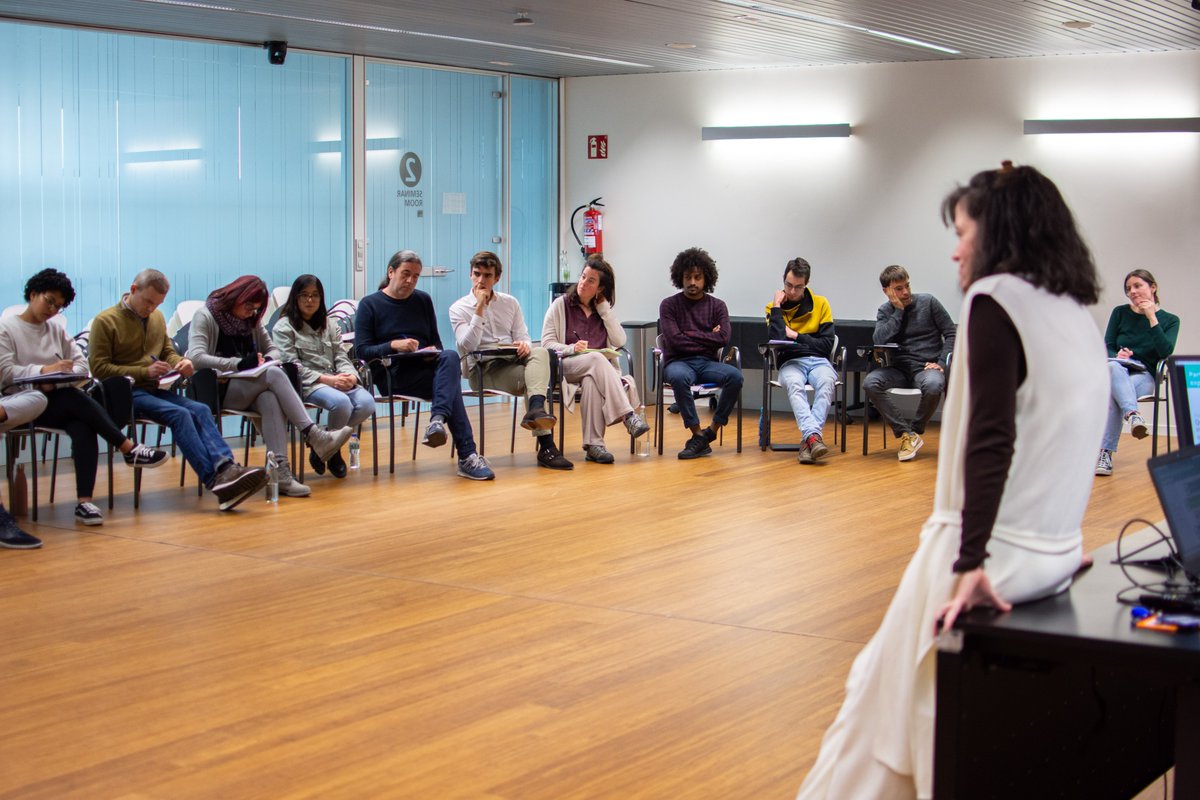
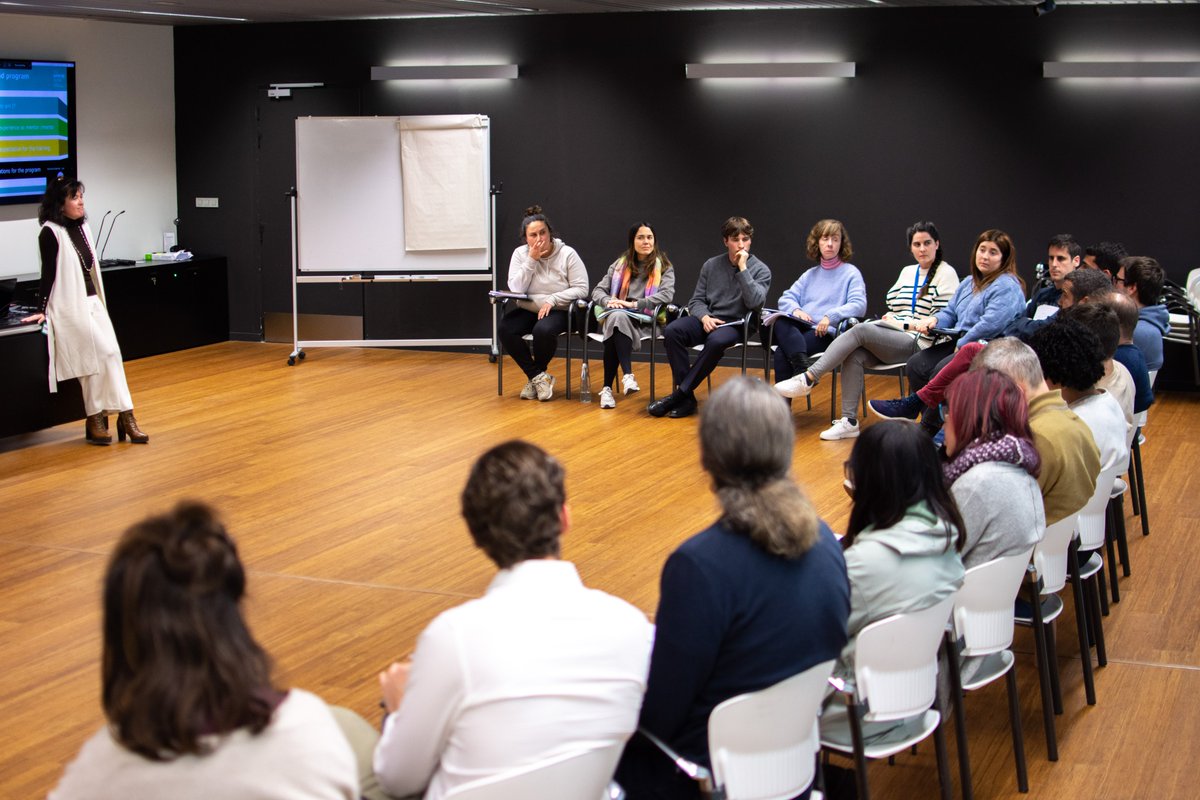
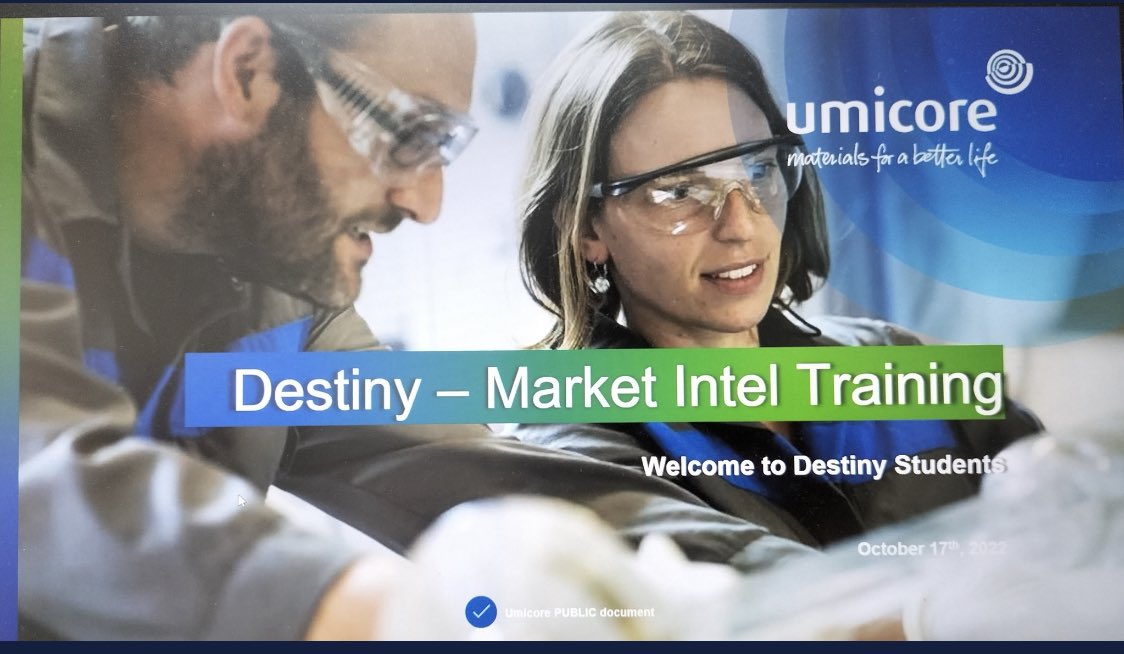
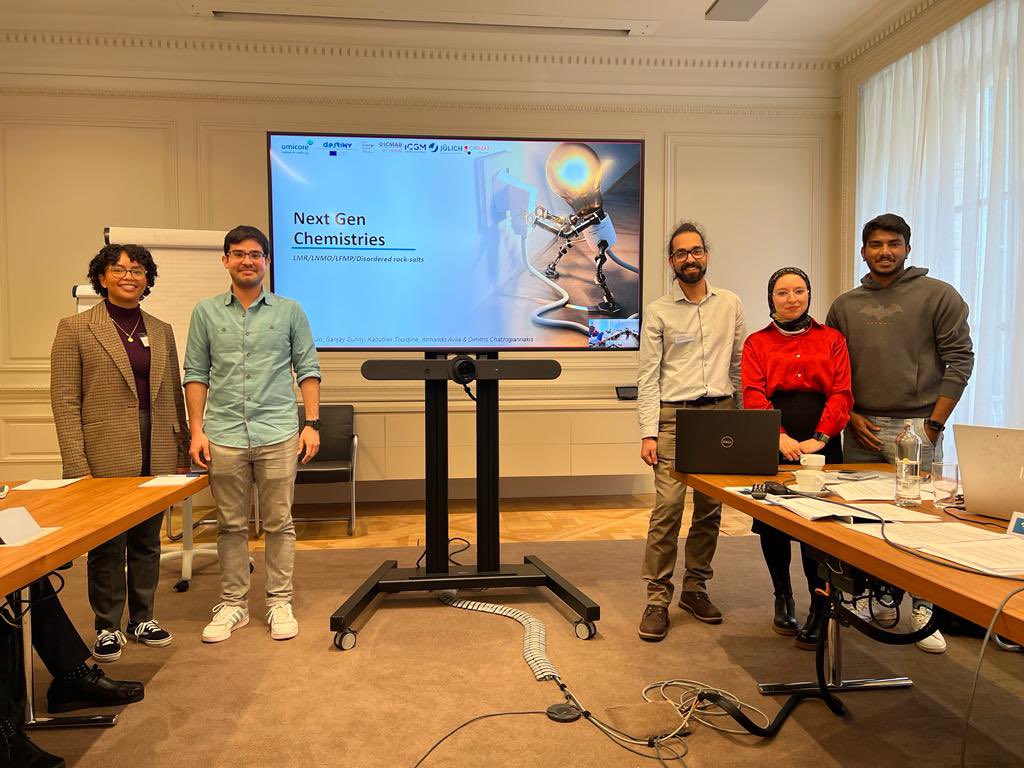
An enriching time @UmicoreGroup part of @phd_destiny Market Intelligence training. Learned a lot, especially how to sometimes not think like a scientist, but as a battery manufacturer and consumer, important to remember in our industry🔋 ⚡️🧪👩🏽🔬












![Andrew_Akbashev's tweet photo. Salaries in industry are ~ 2x higher than in academia after #PhD. This is a huge gap.
Many students ask me what to do about their bad advisors and boring PhD time. They love doing #research but have no idea how to stay in academia.
My advice these days is simple:
1. Do your best to get the PhD degree.
2. Try to leave your advisor somewhat happy so that you can ask for a recommendation letter.
3. And then LEAVE academia for industry. DON’T look for a postdoc position, it won’t help you.
- Why? Because if you have a difficult advisor and unproductive PhD time, it means your chances of staying in academia are extremely slim (~ 1%).
BUT companies don’t care about your advisor as much as academics do. They don’t need your fancy papers in Science and Nature.
They need your expertise and skills. And you as a critical thinker.
It may feel like a hard transition because you’ve got used to academic work so much.
But once you move to a company and see your bank account finally doing well, you will be surprised by how shortsighted you were before.
In industry, people solve all sorts of complex problems. Many of them are more challenging than in academia. So, believe me that you WON'T be bored if you find the right company.
And if you want to stay in academia because your brain strives for solving complex problems, you will be equally challenged in industry, especially in a tech company.
Of course industry also has all sorts of troubles. However, they are usually much easier to solve than in academia, especially when you’re a high-level professional.
#AcademicTwitter
[ Figure is from NSF ]](https://pbs.twimg.com/media/FuQLecEXgAkndTo.jpg)