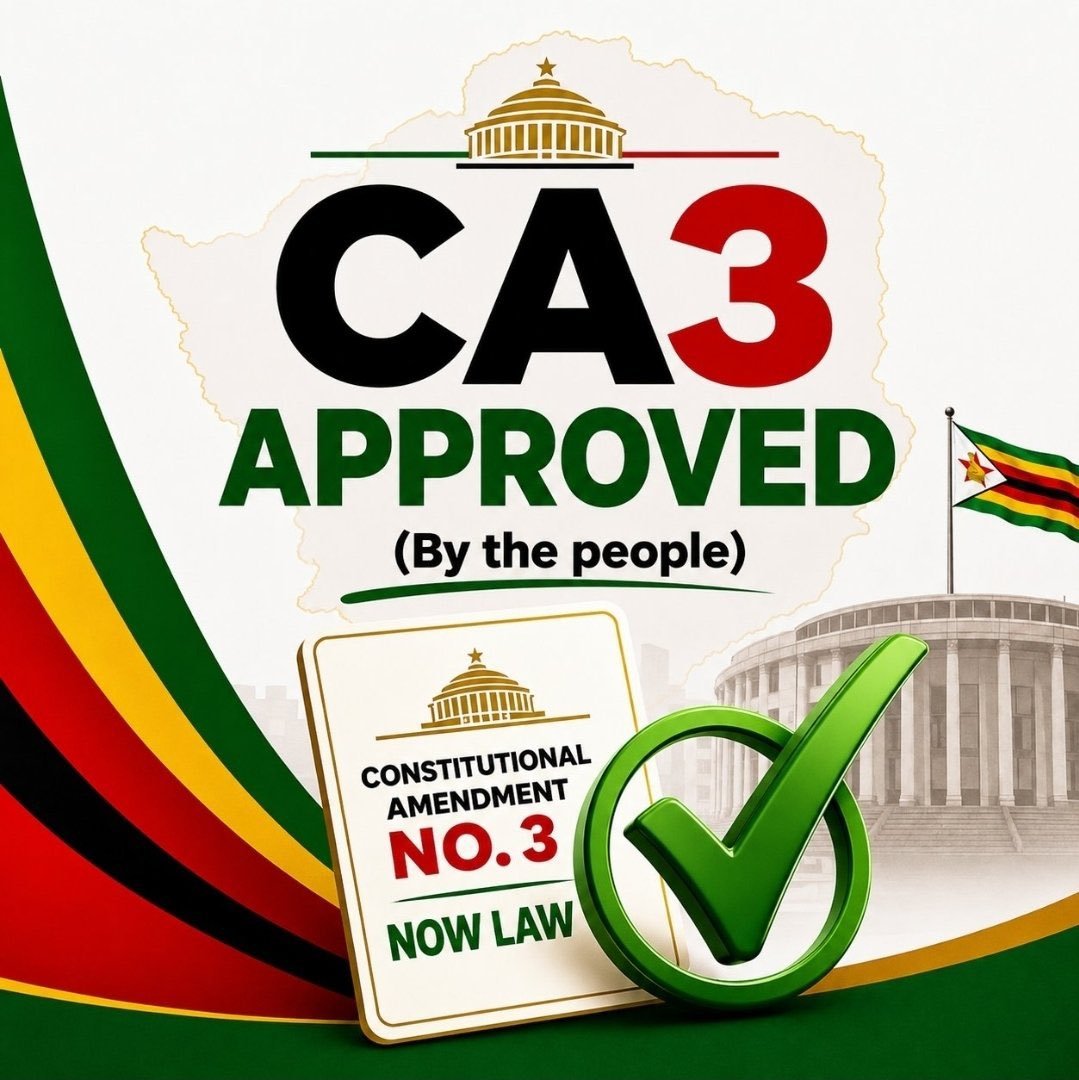
𝑇ℎ𝑒 𝑃𝑢𝑏𝑙𝑖𝑐 𝑃𝑜𝑙𝑖𝑐𝑦 𝑎𝑛𝑑 𝑅𝑒𝑠𝑒𝑎𝑟𝑐ℎ 𝐼𝑛𝑠𝑡𝑖𝑡𝑢𝑡𝑒 𝑜𝑓 𝑍𝑖𝑚𝑏𝑎𝑏𝑤𝑒 𝑦𝑒𝑠𝑡𝑒𝑟𝑑𝑎𝑦 𝑣𝑖𝑟𝑡𝑢𝑎𝑙𝑙𝑦 𝑙𝑎𝑢𝑛𝑐ℎ𝑒𝑑 𝑖𝑡𝑠 𝑟𝑒𝑐𝑒𝑛𝑡 𝑝𝑢𝑏𝑙𝑖𝑐 𝑜𝑝𝑖𝑛𝑖𝑜𝑛 𝑠𝑢𝑟𝑣𝑒𝑦 𝑤ℎ𝑜𝑠𝑒 𝑓𝑖𝑒𝑙𝑑𝑤𝑜𝑟𝑘 𝑤𝑎𝑠 𝑐𝑜𝑛𝑑𝑢𝑐𝑡𝑒𝑑 𝑏𝑦 𝑡ℎ𝑒 𝑀𝑎𝑠𝑠 𝑃𝑢𝑏𝑙𝑖𝑐 𝑂𝑝𝑖𝑛𝑖𝑜𝑛 𝐼𝑛𝑠𝑡𝑖𝑡𝑢𝑡𝑒 𝑖𝑛 𝐴𝑝𝑟𝑖𝑙 𝑜𝑛 𝑡ℎ𝑒 𝑗𝑢𝑠𝑡-𝑒𝑛𝑑𝑒𝑑 𝐶𝑜𝑛𝑠𝑡𝑖𝑡𝑢𝑡𝑖𝑜𝑛 𝐴𝑚𝑒𝑛𝑑𝑚𝑒𝑛𝑡 𝐵𝑖𝑙𝑙 𝑁0.3 (𝑛𝑜𝑤 𝐴𝑐𝑡) 𝑝𝑟𝑜𝑐𝑒𝑠𝑠.
𝑇ℎ𝑒 𝑝𝑟𝑒𝑙𝑖𝑚𝑖𝑛𝑎𝑟𝑦 𝑓𝑖𝑛𝑑𝑖𝑛𝑔𝑠 𝑜𝑓 𝑡ℎ𝑒 𝑠𝑡𝑢𝑑𝑦 𝑤𝑒𝑟𝑒 𝑟𝑒𝑙𝑒𝑎𝑠𝑒𝑑 𝑖𝑛 𝐻𝑎𝑟𝑎𝑟𝑒 𝑜𝑛 2 𝐽𝑢𝑙𝑦.
By Reinford Khumalo
Good morning, distinguished guests, our valued partners, members of the media, colleagues, and fellow Zimbabweans joining us online from across the country and beyond.
It is my great pleasure to welcome you to this important occasion.
The Public Policy and Research Institute of Zimbabwe (PPRIZ) is an independent, non-partisan think tank committed to strengthening constitutional governance and evidence-informed public policy through high-quality research.
Our mission is to bridge the gap between citizens and public policy by generating credible evidence, facilitating informed public dialogue, and providing practical policy options that strengthen accountability, improve governance, and ensure that the lived realities of Zimbabweans remain central to policy discussions.
Since our establishment in 2015, PPRIZ has contributed to informed national conversations through public opinion surveys, policy research, multi-stakeholder dialogues, and civic education programmes covering constitutionalism, elections, devolution, public participation, and service delivery.
Our work has brought together elected leaders, Parliament, constitutional institutions, local authorities, residents’ associations, civil society organisations, academia, development partners, and communities.
We believe that sound research should not remain on library shelves but should inform constructive dialogue, support evidence-based decision-making, and contribute practical options for addressing national challenges.
We also collaborate with fellow think tanks, universities, and research institutions within Zimbabwe and beyond to strengthen research quality, encourage scholarly exchange, and enrich public discourse.
Our reputation has been built upon methodological rigor, professional independence, transparency, and ethical research practice.
Over the years, our findings have contributed to policy discussions, legislative reviews, academic inquiry, civic engagement, and public programmes because policymakers, practitioners, researchers, and citizens alike recognise our work as credible, balanced, and firmly grounded in Zimbabwean realities.
We chose to undertake this study because Constitutional Amendment Bill No. 3 proposed important changes relating to constitutional governance, including provisions concerning the judiciary, elections, and the Presidency.
Given the significance of these issues, it was important to understand what ordinary Zimbabweans thought during the period when the Bill was still under public consideration.
The survey was therefore conducted while the Bill was still before the relevant constitutional processes, allowing citizens to express their views at that important moment. Since then, the constitutional process has been concluded, and the Bill has been enacted into law.
Accordingly, this report should be understood as an important historical record of public opinion during that consultation period.
It preserves the voices of Zimbabweans at a particular point in time and contributes evidence that may inform future constitutional and policy discussions.
Many of you will recall that we presented the preliminary findings of this study at a launch event in Harare on 2 July 2026.
Today, we are pleased to present the full report through this virtual platform, making the complete findings accessible to a much wider audience.
Zimbabwe is picking up speed on its AI journey. The country has rolled out digital skills training programs and set up an AI Office. Soon, Zimbabwe will launch the AI for Impact Grand Challenge. Step by step, the National AI Strategy is shifting from just talk to real action.
He arrived with a strong delegation, including King Ndamase all from the Eastern Cape. Now, that region’s seen a lot of tension lately, especially fighting among Africans themselves. These Kings believe they have a responsibility to help,president Emmerson Mnangagwa.
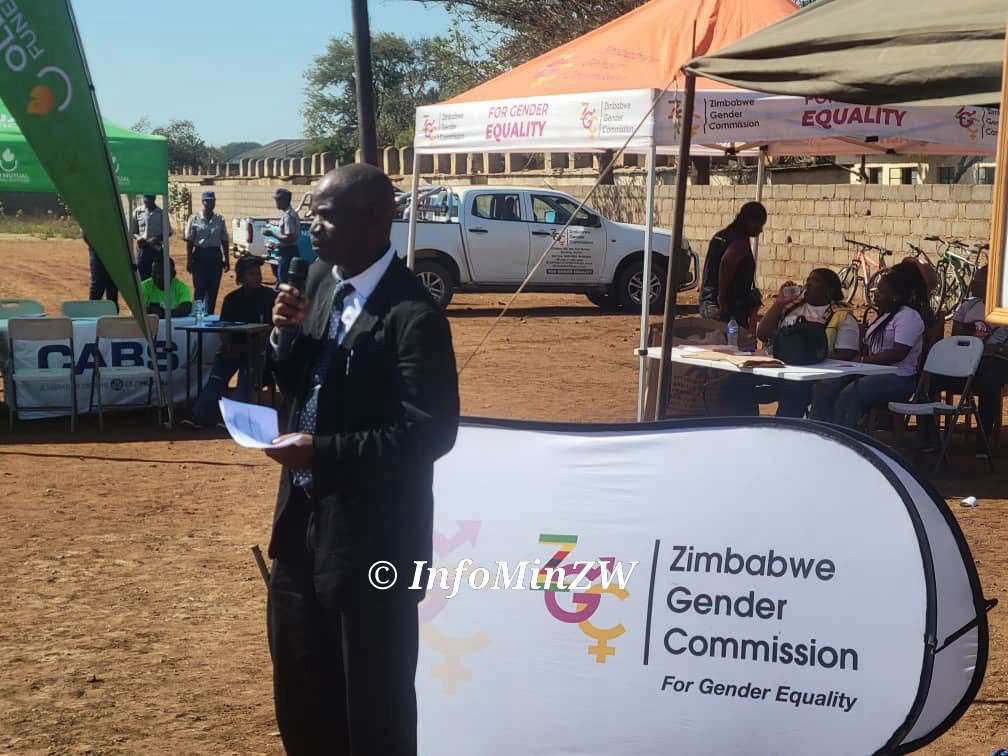
The Zimbabwe Gender Commission held the Manicaland Provincial Male Symposium at Checheche Growth Point in Chipinge District, rallying around the theme: "Real Men Choose Equality, Not Drug and Substance Abuse."
#NoToDrugs
The Second Republic is building permanent, top-quality roads meant to outlast us all. These roads don’t just make travel easier they connect people and markets, speed up trade, and save everyone time. More than that, they’re setting the stage for real, lasting economic growth .
Big shoutout to Zimbabwe’s mining companies for stepping up their game when it comes to worker safety and caring for the environment. They're not just talking about it they’re actually putting solid safety systems in place, handling risks, keeping dust down, managing waste.
#NDS2
President Emmerson Mnangagwa personally handed the National Flag to Mrs. Lois Ruwodo honoring her late husband, Major General Richard Ruwodo. Major General Ruwodo leaves behind his wife, their children Tatenda, Thabiso Parirenyatwa, and Tinodiwa and four grandchildren .
Zimbabwe just picked up the Gold Award at the 2026 Chinese Tourist Welcome Awards in Beijing, proof that more travelers see the country as a top spot to visit. The government’s smart marketing campaigns like the Victoria Falls spotlight and deals with influential Chinese content
Leadership isn’t just about showing up during election season to campaign for votes. Real leadership means sticking around, guiding people through good times and bad. The best leaders don’t just stand in the spotlight they set direction.