Advantages of KuCoin floor:
Altcoin diversity: KuCoin offers a large variety of digital currencies (altcoins), not just limited to the top major coins such as Bitcoin and Ethereum.
Reasonable Fee Policy: Trading fees on KuCoin are generally considered reasonable compared to many other exchanges.
Trading with Margin and Futures: KuCoin supports margin trading and futures contracts, providing many trading opportunities.
Attractive Referral and Bonus Programs: KuCoin regularly organizes promotions and rewards programs for users, as well as referral programs.
Security: KuCoin enhanced its security system after the hack incident in 2020, and they published a detailed security strategy.
Disadvantages and Notes:
Regulatory Challenges: Like many cryptocurrency exchanges, KuCoin faces regulatory and compliance challenges with national financial regulations.
Liquidity: Some small coins may have difficulty with liquidity on the exchange.
Customer Support: There are some reports of unresponsive customer support, although many users also report positive experiences with KuCoin support.
Bybit is a cryptocurrency exchange where users can trade futures contracts and other digital assets. Here are some important points about Bybit:
Transaction type:
Bybit mainly focuses on trading Bitcoin and Ethereum futures contracts. This includes Bitcoin/USD, Ethereum/USD, and several other trading pairs.
Leverage and Risk Limit:
This exchange provides leverage, allowing users to open positions larger than the amount of capital they have by borrowing capital from the exchange. However, using leverage also increases risk, and Bybit regularly reminds us about understanding and managing risk.
Trading Technology:
Bybit uses modern trading technology and has a user-friendly user interface.
Security:
Security is a top priority for any cryptocurrency exchange. Bybit regularly updates its security measures to protect users' accounts and personal information.
Transaction Fee:
The exchange has different trading fee structures for market makers (makers) and market takers (takers). Market makers typically receive lower fees, which incentivizes the provision of liquidity to the market.
Customer support:
Bybit provides customer support through a variety of channels, including online chat and email.
As with any exchange, it is important to read and understand Bybit's terms and conditions and trading rules before engaging in trading. At the same time, users should always comply with security measures to protect their accounts.
"BTC hitting $42,000 is not just a milestone; it's an inspiration for all crypto enthusiasts. The journey continues with renewed motivation! 🌟🚀 #BitcoinInspiration#CryptoJourney"
Evaluate Risk Tolerance when a Downward Trend in the Market:
Reassess your risk tolerance and adjust your investment strategy accordingly. It's essential to invest within your comfort zone, especially during challenging market conditions.
Altcoins in the Future: Shaping the Crypto Landscape
As the crypto landscape evolves, Altcoins play a pivotal role in shaping its future:
Innovation Catalysts: Altcoins drive competition and innovation, pushing the entire crypto space forward.
Adoption Accelerators: Some Altcoins focus on real-world use cases, contributing to the broader adoption of blockchain technology.
Decentralization Advocates: Altcoins often embody the principles of decentralization, advocating for a more inclusive and distributed financial system.
Tokenization: Pivotal Step in Global Financial Evolution, Expanding Access and Opportunities for All
In the ever-evolving landscape of global finance, tokenization emerges as a pivotal and transformative step, unlocking new dimensions of accessibility and opportunities for individuals worldwide. This innovative approach transcends traditional financial paradigms, heralding a more inclusive and decentralized era.
1. Democratizing Access to Assets:
Tokenizing Real-World Assets:
Inclusive Ownership: Tokenization enables the fractional ownership of real-world assets, breaking down barriers to entry. Individuals can now invest in high-value assets, such as real estate or fine art, with minimal capital.
Global Accessibility: By converting physical assets into digital tokens, tokenization ensures that individuals from diverse geographic locations can participate in previously exclusive investment opportunities.
2. Accessibility to Global Markets:
Borderless Financial Transactions:
Seamless Cross-Border Transactions: Tokenized assets facilitate cross-border transactions without the need for intermediaries or complex regulatory processes. This fosters a more efficient and accessible global market.
24/7 Market Access: The decentralized nature of tokenized assets allows users to trade and transact 24/7, transcending traditional market hours and providing unparalleled accessibility.
3. Inclusive Investment Opportunities:
Tokenized Securities and Equities:
Fractionalized Ownership: Tokenized securities offer fractional ownership, making traditional assets like stocks and bonds accessible to a broader audience. Individuals can invest in portions of high-value securities.
Micro-Investments: Tokenization facilitates micro-investments, enabling individuals to diversify their portfolios with smaller amounts of capital.
4. Enhanced Liquidity and Market Efficiency:
Tokenized Liquidity Pools:
Increased Market Liquidity: Tokenization contributes to enhanced market liquidity by allowing assets to be traded in fractionalized units. This increased liquidity benefits both buyers and sellers in the market.
Efficient Price Discovery: The ease of trading tokenized assets promotes efficient price discovery, creating a more transparent and dynamic market environment.
5. Incentivizing Innovation Through Token Models:
Dynamic Tokenomics:
Incentive Structures: Tokenization introduces dynamic tokenomics, where tokens can represent not only ownership but also governance rights, rewards, or utility within a platform. This incentivizes active participation and engagement.
Community-Driven Innovation: Token models encourage community-driven innovation, as projects experiment with diverse token functionalities to create unique value propositions.
6. Financial Inclusion Through DeFi:
Decentralized Finance (DeFi):
Open Financial Ecosystems: Tokenization is a cornerstone of the DeFi movement, creating open and permissionless financial ecosystems. Individuals can access a range of financial services without traditional intermediaries.
Empowering the Unbanked: DeFi, enabled by tokenization, has the potential to empower the unbanked population by providing financial services through decentralized protocols accessible to anyone with an internet connection.
7. Increased Security and Transparency:
Immutable Blockchain Records:
Transparent Transactions: Tokenization leverages blockchain technology, ensuring transparent and immutable records of transactions. This transparency builds trust and confidence among participants in the tokenized ecosystem.
Enhanced Security: Blockchain's cryptographic security features enhance the security of tokenized assets, reducing the risk of fraud and unauthorized access.
8. Nurturing Innovation Ecosystems:
Encouraging Entrepreneurship:
Token Creation for Unique Use Cases: The ability to tokenize various assets and create custom tokens opens the door for entrepreneurs and developers to explore innovative use cases, driving continuous evolution in the financial ecosystem.
Experimentation and Iteration: The tokenization landscape encourages experimentation and iteration, fostering a culture of innovation and adaptability.
Continuous Evaluation and Improvement in the Crypto Market:
Review and Learn: Regularly evaluate the performance of your trading plan. Identify successful strategies and areas for improvement. Continuous learning is essential in the evolving crypto space.
Adapt to Market Evolution: Cryptocurrency markets evolve rapidly. Be prepared to adjust your trading plan as market dynamics change, ensuring its relevance and effectiveness.
Conclusion:
Effectively navigating the cryptocurrency market requires a meticulous approach to time management and trading planning. By allocating time wisely, adhering to a well-defined trading plan, and remaining adaptable in the face of market changes, traders can enhance their chances of success in this dynamic and volatile environment. Emphasizing discipline, risk management, and continuous improvement contributes to building a resilient strategy in the ever-evolving world of crypto trading."
Governance Redefined in the Web3 Era - Embracing Decentralized Decision-Making
In the epoch of Web3, the concept of governance has undergone a profound transformation, evolving into a communal affair that reflects the decentralized nature of the digital landscape. Tokenized ecosystems play a pivotal role in this paradigm shift, empowering users and facilitating collaborative decision-making. It's governance by the people, for the people, ushering in a new era of decentralized decisions in the Web3 realm.
1. Communal Governance in Web3
Web3 disrupts traditional governance models by introducing a communal approach. In this decentralized era, decision-making power is distributed among the community participants. Token holders become active contributors to the governance process, fostering inclusivity and diversity in decision-making.
2. Empowering Users through Tokenized Ecosystems
Tokenized ecosystems lie at the heart of Web3 governance, providing a mechanism for user empowerment. Through the possession of tokens, participants gain voting rights and influence over network decisions. This democratization of governance ensures that decisions are reflective of the collective will of the community.
3. Collaborative Decision-Making
Web3 governance is characterized by collaborative decision-making processes. Proposals for changes or upgrades are often subject to community-wide voting, with each participant's influence proportional to their token holdings. This collective approach minimizes centralization and enhances transparency in decision-making.
4. Governance by the People
The ethos of Web3 governance aligns with the principle of governance by the people. Users actively participate in shaping the rules, policies, and development trajectories of the platforms they engage with. This direct involvement creates a sense of ownership and responsibility within the community.
5. Web3 Governance in Action**
Numerous projects within the Web3 ecosystem exemplify the principles of decentralized governance. Platforms like DAOs (Decentralized Autonomous Organizations) and DeFi protocols often allow token holders to propose and vote on changes. This dynamic interaction ensures that the platforms evolve in line with the community's vision.
6. Challenges and Innovations
While Web3 governance brings about a more inclusive and decentralized decision-making process, challenges such as voter apathy and plutocracy still exist. Innovations, including quadratic voting and liquid democracy, are being explored to address these issues and further refine the democratic nature of Web3 governance.
The redefinition of governance in the Web3 era signifies a monumental shift towards decentralization, transparency, and inclusivity. As users actively engage in decision-making processes through tokenized ecosystems, we witness the emergence of governance models that prioritize the collective wisdom of the community. Web3 governance is not merely a technical upgrade; it represents a fundamental shift in power dynamics, placing the reins of control firmly in the hands of the people. It's a journey towards decentralized decisions that resonate with the ethos of the digital age. #Web3Governance #DecentralizedDecisions
🚀 Bitcoin's meteoric rise echoes the resilience of decentralized finance. As it continues to defy gravity, the future of finance is being rewritten. 💡💰 #BitcoinJourney#CryptoRevolution
"BitMEX co-founder drops knowledge bombs! 💣 Anticipate a Bitcoin surge as dollar liquidity takes the stage. The crypto world is buzzing with excitement – don't miss out on the action! 🌐📈 #BitcoinRally#BitMEXAnalysis#CryptoInsights"
🔍 In a fiery rebuke, Kraken co-founder lashes out at the SEC for hindering crypto progress. Claims the 'decel' stance is stifling innovation and driving talent away. Are we witnessing a pivotal moment for crypto in the US? #Blockchain#Innovation#Kraken
🔍 Unraveling the threads of change: Sam Altman bids adieu to OpenAI. Join me in dissecting the strategic shifts, challenges, and triumphs that marked this transformative era. #OpenAIChanges#SamAltmanFarewell
@TaoHoa4 Thank you! Indeed, candlestick patterns are fascinating and powerful tools for crypto traders. They encapsulate market sentiment and potential price movements in a visually comprehensible manner.
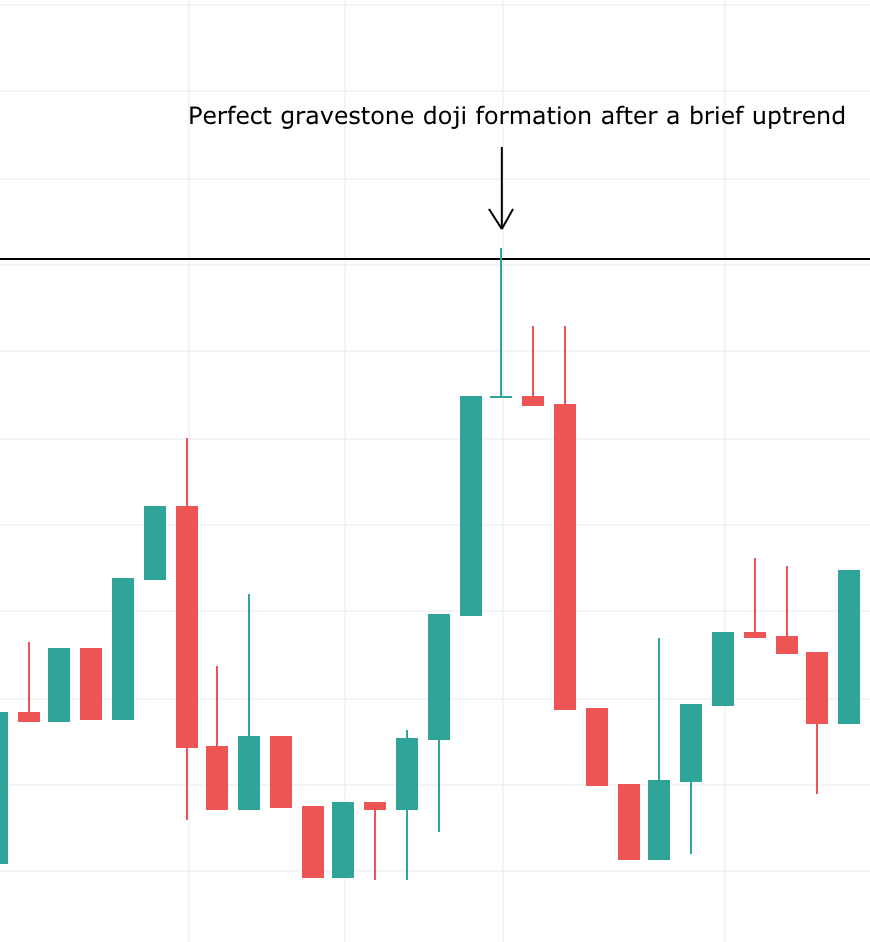
In-Depth Analysis of Gravestone Doji Candlestick Pattern in Cryptocurrency Trading
Introduction: In the volatile world of cryptocurrency trading, technical analysis plays a crucial role in helping investors make informed decisions. One notable candlestick pattern that traders often encounter is the "Gravestone Doji." This analysis aims to provide a comprehensive understanding of the Gravestone Doji, its significance, and its implications for cryptocurrency traders.
I. Definition and Characteristics: The Gravestone Doji is a single candlestick pattern that forms when the opening and closing prices are near the low of the trading session, creating a long upper shadow. Visually, it resembles an inverted "T" or an upside-down tombstone, hence the name. Key characteristics include a small real body near the low of the candle, a long upper shadow, and little to no lower shadow.
II. Interpretation and Significance:
Bearish Reversal Signal: The Gravestone Doji is often interpreted as a bearish reversal signal when it appears after an uptrend. It suggests that buyers initially pushed prices higher but faced strong selling pressure, resulting in a session where bears took control.
Market Sentiment Shift: The pattern reflects a shift in market sentiment from bullish to bearish. Traders view the long upper shadow as a sign that the bears have successfully countered the bulls' attempt to maintain higher prices.
Confirmation with Volume Analysis: To enhance the reliability of the signal, traders often look for confirmation through volume analysis. An increase in selling volume on the day the Gravestone Doji forms strengthens the bearish reversal signal.
III. Trading Strategies:
Wait for Confirmation: Prudent traders wait for confirmation in subsequent sessions. A follow-up candle confirming the bearish sentiment strengthens the likelihood of a trend reversal.
Use of Support and Resistance: Incorporating support and resistance levels in conjunction with the Gravestone Doji can enhance the precision of trading decisions. If the pattern forms near a significant resistance level, it adds weight to the bearish bias.
Risk Management: As with any trading strategy, risk management is crucial. Setting stop-loss orders and defining risk-reward ratios help mitigate potential losses.
IV. Limitations and Considerations:
Market Conditions: Traders must consider overall market conditions and other technical indicators. In trending markets, the Gravestone Doji's signals may be less reliable.
Confirmation from Other Indicators: Relying solely on the Gravestone Doji may lead to false signals. Combining its analysis with other technical indicators like RSI, MACD, or trendlines can enhance accuracy.
Conclusion: The Gravestone Doji is a valuable tool in a cryptocurrency trader's arsenal, providing insights into potential trend reversals. However, like any technical analysis tool, it is most effective when used in conjunction with other indicators and within the broader context of market conditions. Traders should exercise prudence, conduct thorough analysis, and consider risk management principles when incorporating the Gravestone Doji into their decision-making process.
Solana enthusiasts rejoice! A remarkable 20% leap on the charts following praise from the one and only @CathieDWood. The spotlight is on Solana's speed and cost advantages over Ethereum. 🚀🔥 #CryptoNews#SolanaRising"
@dakeensahbonv 📷 Resilience of Tether (USDT) Sparks a Remarkable $4 Billion Surge in Market Cap in Just 3 Weeks
In an unexpected twist, Tether (USDT) has experienced a remarkable upswing, witnessing a staggering $4 billion spike in its market capitalization over a brief 3-week period. This unprecedented surge not only captures attention but also underlines the growing influence and resilience of stablecoins in shaping the dynamics of the cryptocurrency market.
The surge in Tether's market cap signifies a noteworthy development within the crypto space, defying conventional expectations. Stablecoins, known for their pegging to fiat currencies, have often been perceived as conservative players in the volatile world of cryptocurrencies. However, Tether's recent surge challenges this perception, shedding light on the evolving nature of stablecoins and their impact on the broader market.
One key factor contributing to Tether's rapid ascent could be the increasing demand for a stable store of value amidst the market's inherent volatility. Traders and investors seeking a haven from the unpredictable price fluctuations of more volatile cryptocurrencies may be turning to Tether as a reliable and secure option. This surge in demand not only bolsters Tether's market cap but also reflects a shifting sentiment within the crypto community.
The resilience of stablecoins, particularly Tether in this instance, is reshaping the crypto market landscape. As traditional financial markets continue to experience uncertainties, stablecoins are emerging as a stabilizing force within the crypto ecosystem. The ability to provide a hedge against market volatility while maintaining a link to traditional fiat currencies positions stablecoins as a bridge between the crypto and traditional financial realms.
The surge in Tether's market cap should also prompt a closer examination of the broader implications for the crypto market. It suggests that stability and reliability, traditionally associated with fiat currencies, are increasingly becoming sought-after qualities in the crypto space. This shift in preference could have a cascading effect on other stablecoins and potentially impact the valuation and adoption of more volatile cryptocurrencies.
As the crypto community reacts to Tether's surprising surge, it underscores the importance of closely monitoring stablecoins' role in the market. Investors and analysts alike may need to recalibrate their strategies, considering the evolving dynamics and the potential ripple effects on other digital assets.
In conclusion, Tether's $4 billion spike in market cap within a mere 3-week timeframe stands as a testament to the changing tides in the crypto market. The resilience and appeal of stablecoins, exemplified by Tether, are reshaping the landscape and challenging preconceived notions about their role in the broader financial ecosystem. As stablecoins continue to gain prominence, their impact on the crypto market is poised to be a defining factor in the coming months.
#CryptoNews #USDT #Stablecoins #Cryptocurrency #MarketAnalysis