Traditional software bugs are usually visible and reproducible.
AI errors are different. They often look correct, fail silently, and emerge gradually over time.
As AI becomes part of critical business workflows, detecting and managing these hidden failures is becoming one of the biggest engineering challenges in modern software.
https://t.co/bCBvK1jGcU
AI has made it easier than ever to build products, but that same accessibility is making it harder to win.
This blog explores why speed and capability are no longer enough, and what it takes to create lasting advantage in an increasingly competitive AI driven landscape.
https://t.co/I3jjzRHfBD
AI is transforming software from static, rule based systems into living systems that learn, adapt, and evolve over time.
This shift is redefining how software is built, experienced, and scaled in the modern era.
https://t.co/tEnW2QxXmu
Most companies believe they own their AI powered products, but in reality, they are renting the most critical layer, intelligence.
This blog explores how reliance on third party models is quietly eroding control over workflows, costs, and decision making, and what businesses must do to turn AI from a dependency into a true strategic asset.
https://t.co/DW9itln8wh
AI is transforming product market fit from a static milestone into a dynamic, continuously evolving system.
This blog explores how faster feedback loops, personalization, and outcome driven design are reshaping how products find and maintain true market alignment.
https://t.co/Qq23Qki0Zu
Most companies investing in AI expect measurable returns but end up with isolated pilots, fragmented data, and systems that never reach production.
The real problem is not the technology, it is how AI is approached.
https://t.co/eQnTZE5wld
Digital products are moving away from rigid interfaces and static workflows toward intelligent systems that understand intent and deliver outcomes.
https://t.co/f4AiTBot8s
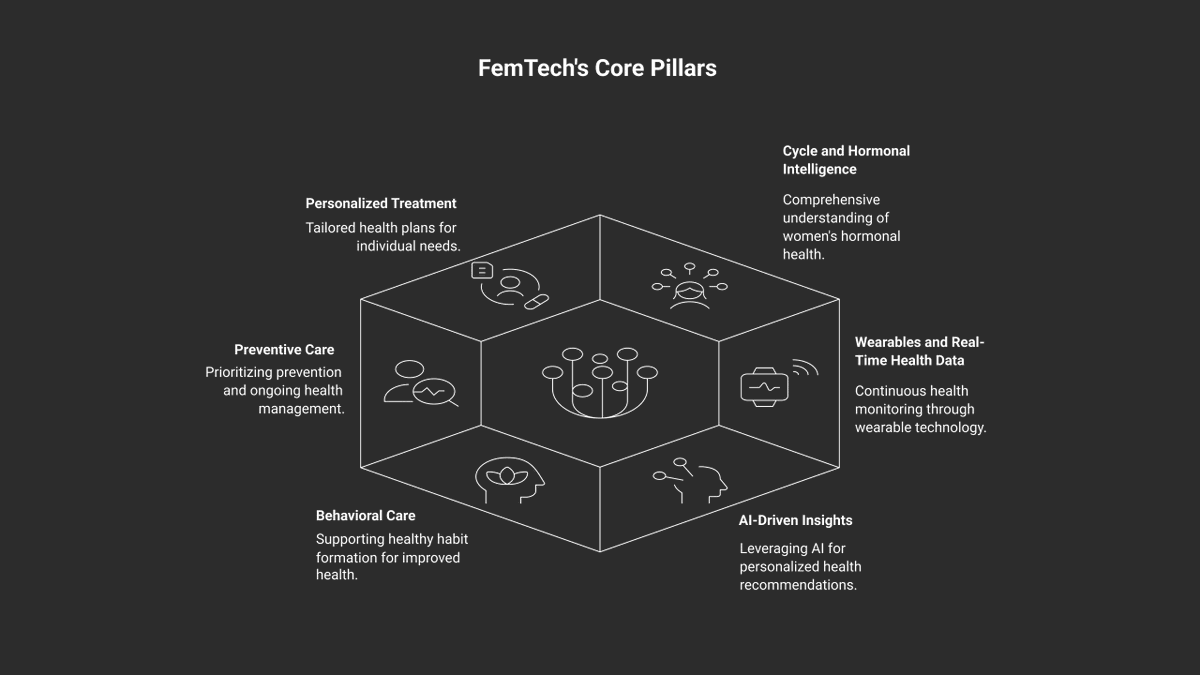
Women’s health has long been underserved by systems designed without fully understanding their needs.
The rise of FemTech is changing this by introducing data driven, personalized, & continuous care models that go beyond traditional reproductive health.
https://t.co/gXrSsyXa6Z
Modern healthcare excels at diagnosis and treatment, but often fails where it matters most, human behavior.
Behavioral care fills this gap by focusing on how individuals actually act, not just what they are told.
https://t.co/7mOl1gZQpJ
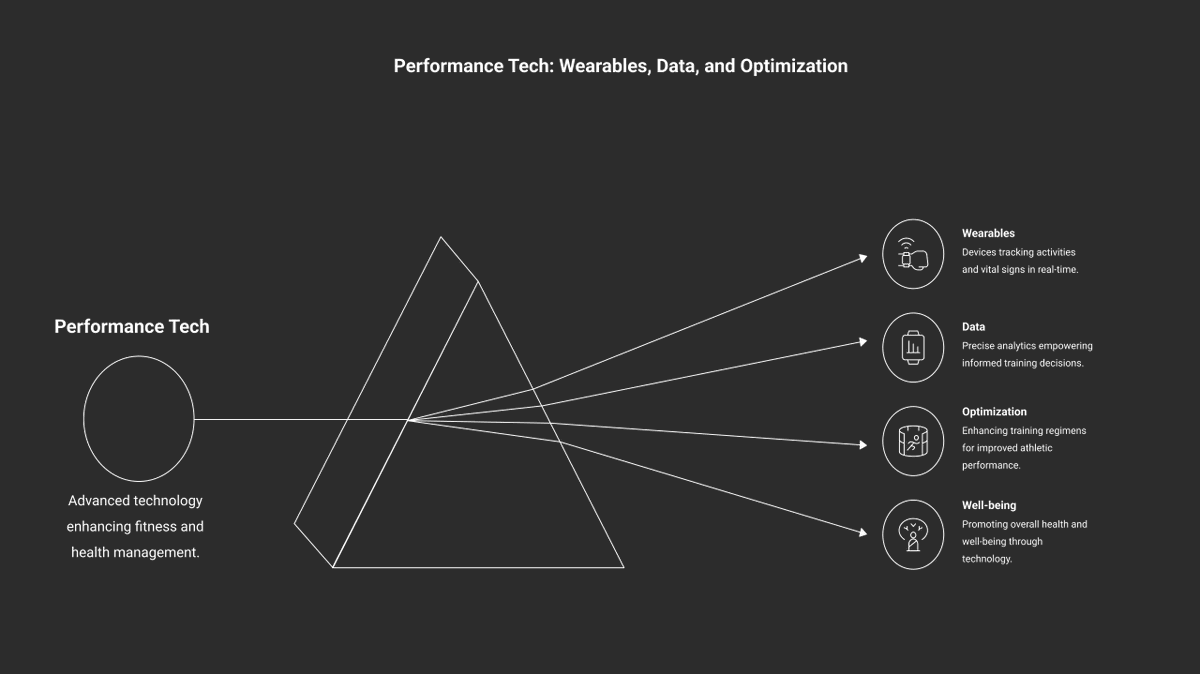
Performance is no longer driven by intuition alone.
With the rise of wearables, continuous data, and AI, individuals can now track, understand, and optimize how their body and mind function over time.
https://t.co/JiUbfBanFn
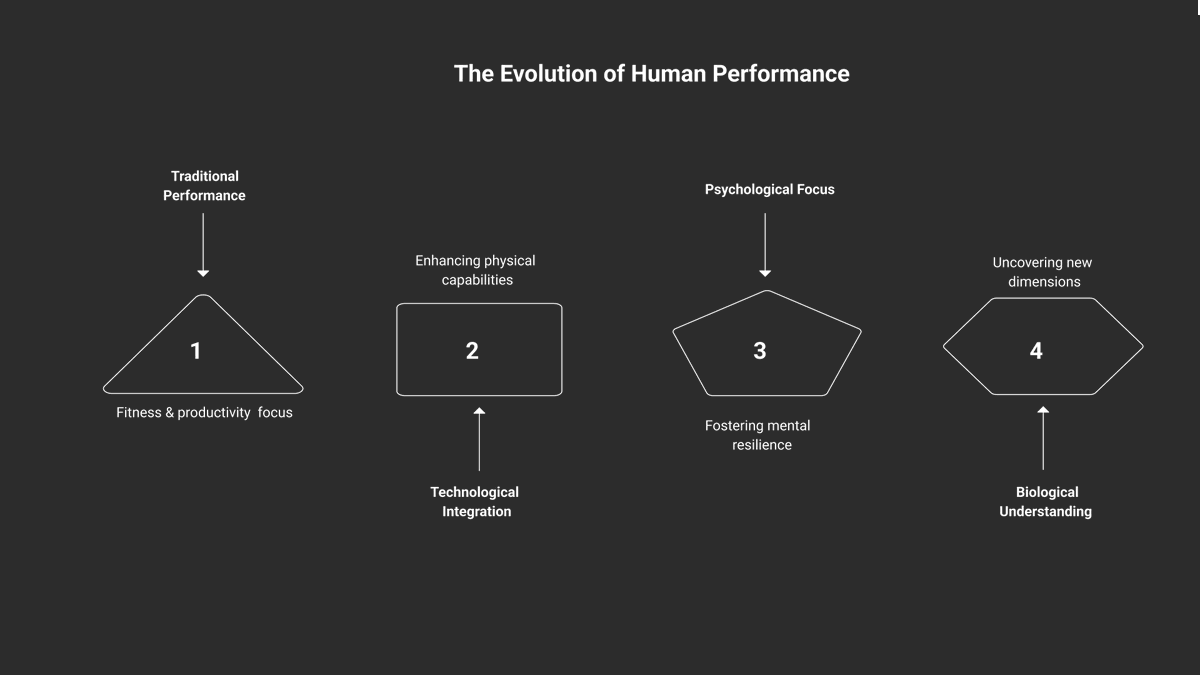
Human performance is evolving beyond traditional ideas of fitness & productivity toward a more holistic, system driven approach.
With the rise of data, wearables, & AI, performance is now about optimizing how body and mind function together over time.
https://t.co/4nljj98J53
Healthcare is shifting from a reactive model to a predictive one, where the focus is not just treating disease but preventing it.
As longevity becomes about improving healthspan, AI is emerging as a key driver of more proactive & sustainable healthcare.
https://t.co/Qzcmy9sBq3
AI products look simple, but behind every response lies a complex web of dependencies across models, infrastructure, data pipelines, integrations.
As AI systems scale, managing these dependencies becomes critical to building reliable products.
https://t.co/OdKEDODSpM
Vibe coding has made software development faster, but as AI built systems move into production, teams are realizing that architecture, infrastructure reliability, and engineering discipline are critical.
https://t.co/ugGsDdDh9w
Outages linked to AI assisted code show that while AI tools accelerate development, they cannot replace disciplined engineering practices.
https://t.co/3nICB2sqMp
Open source made AI accessible.
It did not make it cheap.
The real cost shows up in infrastructure, monitoring, security, and compliance.
That is the difference between demos and production.
What part of AI cost surprised you the most?
Most startups did not fail at AI in 2025. They failed after the demo worked.
The real hurdle was not models or funding. It was production readiness.
Latency, cost overruns, hallucinations, and trust gaps only appear when real users show up. That is where most AI pilots stalled.
At Brim Labs, we help founders turn raw internal data into intelligent AI agents in just 6 to 8 weeks.
From docs to decisions.
From logs to copilots.
Let’s co-build: https://t.co/6IHszMni0W
Or grab a quick call: https://t.co/Q5la6Uj0WI 11/11
The most powerful AI you can build doesn’t live in ChatGPT.
It lives in your docs, tickets, logs, and Slack threads.
Here’s why native AI needs native data, and how founders are turning internal mess into AI gold: 1/11
The next AI advantage won’t come from bigger models.
It’ll come from better context.
And that context is already sitting in your Notion, Zendesk, and Google Drive.
Native AI is the real unlock. 10/11