Preventing Food Allergies in Infants
From Brinefort NUTAC Training Module
Prevention is better than emergency care. Here are evidence-backed steps for reducing food allergy risks in infants:
- Exclusive breastfeeding for the first 6 months
- Don’t delay introducing allergenic foods like peanuts and eggs
- For high-risk infants (eczema, family history), introduce allergens early under health supervision
- Maintain skin health — eczema increases allergy risk
Emergency Management of Allergies in the Field
Brinefort NUTAC – Volunteer Emergency Response
If a child is experiencing a severe allergic reaction (anaphylaxis):
- Identify signs: rash + wheezing + swelling + faintness
- Administer epinephrine injection (IM) immediately
- Call for urgent medical help
- Provide oxygen (if available)
- Lay the child flat, loosen clothing, monitor breathing
- Antihistamines may help in mild reactions but are NOT enough for anaphylaxis.
Understanding Nutrition in Emergencies
Nutrition in Emergency (NiE): Why It Matters
In times of crisis—be it natural disasters, conflict, or accidents—access to safe and nutritious food becomes a matter of survival.
Nutrition in emergencies is not just a support system—it is a right and a life-saving intervention.
NiE Preparedness Includes:
- Preventing malnutrition before it worsens
- Providing specialized rations that meet energy, protein, fat & micronutrient needs
Choosing the Right Food Commodities
How do you build an emergency ration?
Start with the basics:
- 2,100 kcal/day per person
- 10–12% of energy from protein
- At least 17% from fat (30–40% for children, 20%+ for pregnant/lactating women)
Food Choices Should Include:
Tackling Micronutrient Deficiencies
Even when food is available, micronutrient deficiency can silently cause severe health problems.
Common deficiencies in emergencies:
Iron → Anemia
Vitamin A → Blindness, low immunity
Iodine → Goiter, developmental issues
Why do deficiencies occur?
- Limited food diversity
- Highly refined cereal-based rations
- Lack of access to fresh produce
The Solution: Food Fortification
Add essential vitamins/minerals during food processing
Doesn’t change the taste or cost significantly
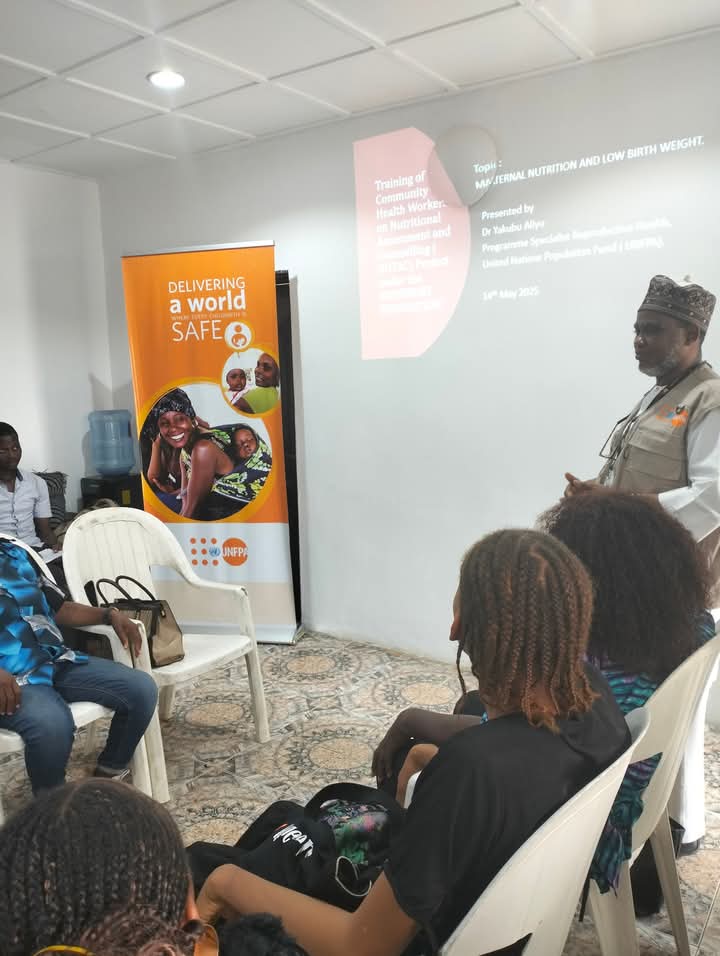
MATERNAL HEALTH AND LOW BIRTH RATE
Maternal health refers to the health of women during pregnancy, childbirth, and the postpartum period. It's a critical aspect of reproductive health and has a significant impact on the well-being of both mothers and their babies.
Let's prioritize maternal health and work towards creating a supportive environment for expectant mothers.
Key Statistics:
- According to the World Health Organization (WHO), approximately 800 women die every day due to pregnancy-related complications.