"Chronicles of Britannia 🏰 | Unearthing tales from Britain's storied past | Historian & curator of the ages | From Romans to Royals 👑 | #BritishHistory
On this day in 1917, T. E. Lawrence, famously known as Lawrence of Arabia, played a pivotal role in the capture of Aqaba during the Arab Revolt against the Ottoman Empire. This daring and strategic victory was a turning point in the campaign and showcased Lawrence's exceptional leadership and tactical brilliance. 🏜️⚔️
The capture of Aqaba was not just a military triumph but a masterclass in guerrilla warfare. Lawrence, alongside Arab forces led by Auda Abu Tayi, executed a bold and unexpected overland assault, traversing the harsh Nefud Desert. This maneuver caught the Ottoman defenders off guard, as they had fortified Aqaba against a seaborne attack, leaving the landward side vulnerable. 🌵🗺️
Lawrence's deep understanding of the terrain, combined with his ability to unite and inspire the diverse Arab tribes, was instrumental in the success of this mission. The fall of Aqaba opened a crucial supply route for the Allies and significantly boosted the morale of the Arab forces fighting for independence. 🌟🤝
This victory also cemented Lawrence's legendary status and highlighted the importance of unconventional warfare tactics. The capture of Aqaba remains a testament to the power of strategic ingenuity and the enduring spirit of those who fight for freedom. 🌍✊
#OnThisDay #History #LawrenceOfArabia #Aqaba #ArabRevolt #WWI #MilitaryHistory #Leadership #GuerrillaWarfare
On this day in 1819, a future queen entered the world at Kensington Palace. Named Alexandrina Victoria, Queen Victoria was originally named Alexandrina Victoria, after her godfather, Tsar Alexander I, she favored her second name and the endearing 'Drina. Fifth in line to the throne, behind George III's sons, little did the world know she would rise to become the iconic Queen Victoria. #History #OnThisDay #QueenVictoria #BritishRoyalty
On this day in 1915, the RMS Lusitania, a symbol of maritime prowess, was tragically sunk by a German U-boat off the coast of Ireland. The attack resulted in the loss of 1,198 innocent lives and became a catalyst for changing public opinion, ultimately influencing the United States' decision to enter World War I. As we commemorate this somber anniversary, we reflect on the impact of the disaster and remember those who perished in one of history's deadliest maritime tragedies. #Lusitania #WWI #History #MaritimeDisaster
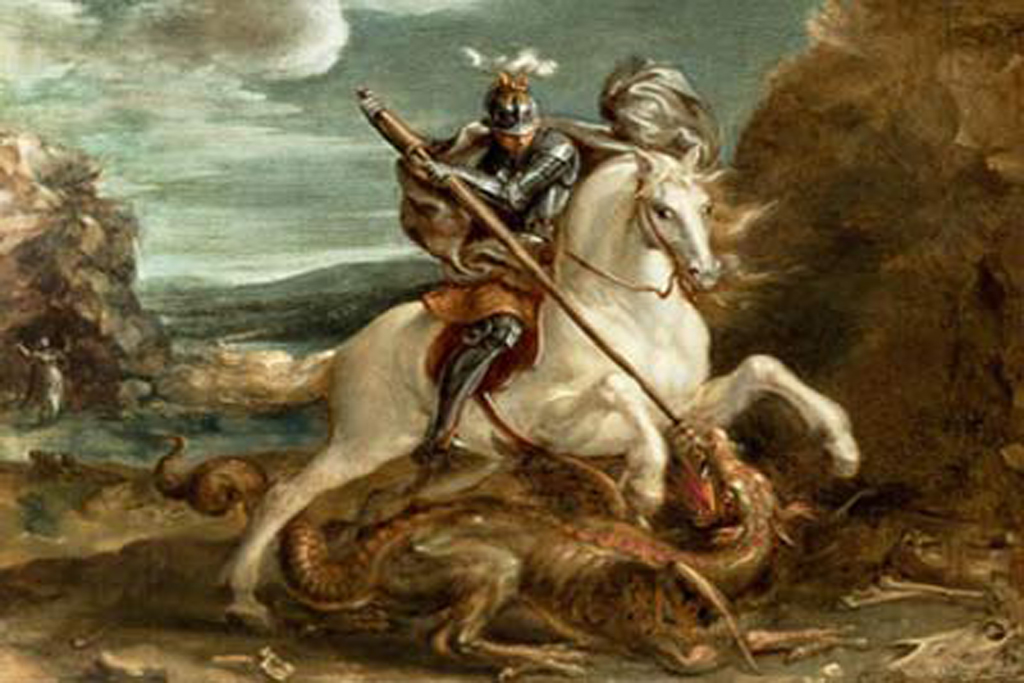
St. George's Day, celebrated on the 23rd of April, is a tribute to England's patron saint, a figure who is as much myth as he is historical. The legend of St. George, which features the heroic saint slaying a dragon to save a princess, is a narrative that has captured the imagination for generations. Interestingly, St. George himself was a Roman soldier of Greek descent and never actually visited England. His story likely made its way to British shores with the Crusaders, who were inspired by his reputed valor and bravery.
The day dedicated to St. George was once as significant as Christmas in England, with grand festivities and public celebrations. Over time, the prominence of St. George's Day diminished, but there has been a recent revival of interest, with many communities across England holding parades and events to celebrate their history and culture.
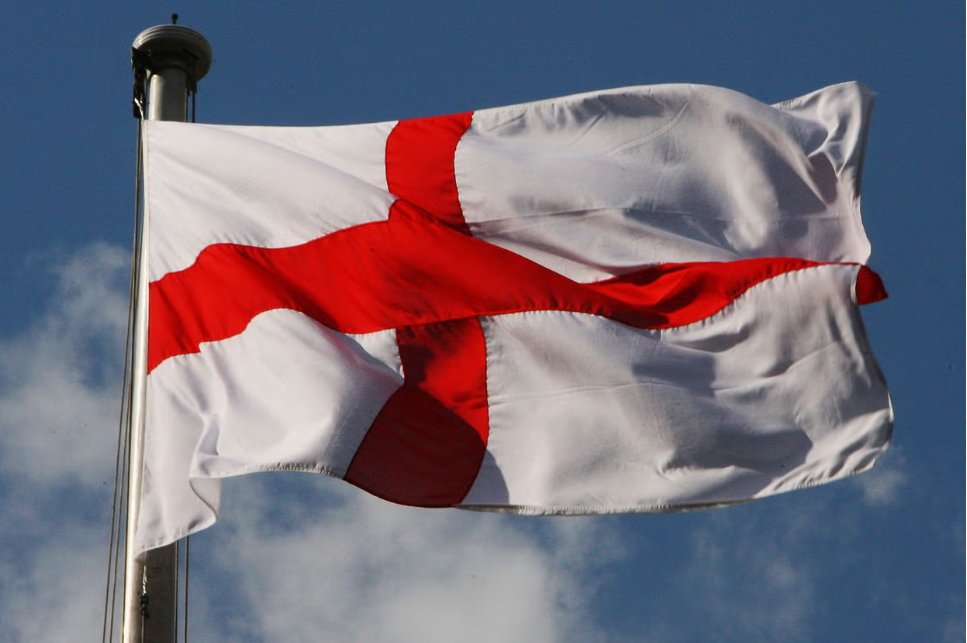
The emblem of St. George, a red cross on a white background, is not only the flag of England but also an integral part of the Union Jack. It has been a symbol of English identity since the Middle Ages. Moreover, St. George's influence extends beyond England, as he is also the patron saint of several other countries, including Portugal, Georgia, and Ethiopia, highlighting his widespread veneration.
On St. George's Day, people are encouraged to delve into the rich cultural heritage of England, from traditional Morris dancing to historical re-enactments at medieval fairs. It's a day to honor the enduring legacy of St. George and the cultural fabric of England, celebrating the myths, history, and identity that continue to shape the nation. Happy St. George's Day! Whether it's through engaging with folklore or simply enjoying the quintessential English tea, this day is an opportunity to reflect on the stories and traditions that are an indelible part of England's national character.
#StGeorgesDay #England #EnglishHeritage #PatronSaint #MythAndLegend #DragonSlayer #NationalDay #BritishHistory
On April 16, 1965, the UK charted a course for compassion and justice, enacting the Murder (Abolition of Death Penalty) Act. This landmark legislation suspended the death penalty for murder, marking a significant shift from retribution to rehabilitation in the British legal system. A momentous day that underscored the nation's commitment to human rights and the value of every life. #OnThisDay #JusticeReformed #EndTheDeathPenalty #BritishLegalHistory
Nestled in the heart of Somerset lies a tale as old as the caves themselves. In Somerset's Wookey Hole caves, a limestone figure fuels legends of a witch turned to stone by a monk's curse. This enigmatic silhouette continues to captivate visitors, embodying centuries of folklore amidst the cavern's eerie echoes. #WookeyHoleWitch #SomersetFolklore #HiddenHistories #CaveLegends #MythicalBritain
On this day in 1911, the #ParliamentAct received Royal Assent, marking a significant shift in the UK's constitutional landscape. This act reduced the House of Lords' power to block legislation, reinforcing the supremacy of the elected House of Commons. A century on, we recognize this step towards a more democratic system as a cornerstone of modern British governance. 🇬🇧🏛️ #OnThisDay #BritishHistory #ConstitutionalChange #DemocracyInAction
On #ThisDayInHistory, April 2nd, 1982, the Falklands War began as Argentina invaded the remote British Falkland Islands. The UK's swift and resolute response, Operation Corporate, led to a challenging conflict 8,000 miles from home. We honor the bravery of those who served and the 255 British lives lost in the fight to uphold sovereignty. Their legacy endures in the continued peace and freedom of the Falklands. 🇬🇧 #FalklandsWar #MilitaryHistory #Remembrance #Sovereignty #OperationCorporate
Scottish Soldier Sir Hugh Trenchard: Often referred to as the "Father of the Royal Air Force," Trenchard was the first Chief of the Air Staff. His leadership and advocacy for air power were significant in shaping the RAF's early years and its future as a military force.
#RoyalAirForce #RAF100 #AviationHistory #MilitaryMilestones #WWIHistory #AirPower #BritishArmedForces #OnThisDay #AerialSupremacy #SkyGuardians #BritishInnovation #DefenceHistory #AerospaceLegacy #FlightHeritage #WarCabinet #SmutsReport #BritishMilitary #RAFFormation #April1st1918 #AirmenAndAirwomen #RAFProud #UnitedKingdomHistory #BattleOfBritain #RAFHeroes #FlyPastHistory #AerialDefence
The Royal Air Force (RAF) was formed on April 1, 1918, through the amalgamation of the Royal Flying Corps (RFC) and the Royal Naval Air Service (RNAS). This historic event was the result of the efforts of several key figures:
The birth of the RAF is credited to a diverse trio: a South African Field Marshal, a Welsh politician, and a Scottish soldier. Their vision was crucial in its formation. Additionally, we must tip our hats to the unintended push from several German pilots, whose actions underscored the need for a formidable air force. #RAFOrigins #MilitaryHistory #OnThisDay
Welsh Politician David Lloyd George: As the Prime Minister of the United Kingdom during World War I, Lloyd George was a driving force behind the reorganization of the British air services. His government's support was vital in implementing the recommendations of the Smuts Report and establishing the RAF.
On this day in 1918, the Royal Air Force was established, marking a pivotal moment in military history. As the first independent air force in the world, the #RAF emerged from the union of the Royal Flying Corps and the Royal Naval Air Service. This visionary move recognized the crucial role of air power in modern warfare. The RAF would go on to play a decisive role in defending the skies during the Battle of Britain in WWII. Today, we honor the bravery and innovation that has been a hallmark of the #RoyalAirForce for over a century. 🛩️🎖️ #RAF100 #BritishHistory #OnThisDay
Today we remember the Queen Mother, Elizabeth, who passed away on this day in 2002 at the age of 101. Her life spanned a century of profound change, and as the last Empress Consort of India, she left a lasting legacy on British public life. A nation reflects on an era's end. #QueenMother #OnThisDay #BritishHistory 🇬🇧
Standing for over half a millennium, the Marton Oak in Middlesbrough is a remarkable piece of living history. At 500-600 years old, it's seen the world change around it. Just a stone's throw from Captain Cook's birthplace, this ancient tree is a cherished local icon and a symbol of endurance. #MartonOak #HistoricLandmark #Nature #thicktrunktuesday
On March 26, 1885, the British Empire expanded its reach as the East Africa Company, led by William Mackinnon, received its charter. This move was a key play in the great game of imperial rivalry, as European powers vied for control of African territories. The company's influence paved the way for British trade and governance in East Africa, leaving an indelible mark on the region's history and heritage. #BritishEmpire #EastAfrica #ImperialHistory #WilliamMackinnon #TradeAndTerritory
The history of British involvement in Corfu, an island off the northwest coast of Greece, is a fascinating chapter in the broader narrative of British foreign policy and empire. Here are some key points:
British Protectorate: Corfu became a British protectorate as part of the United States of the Ionian Islands in 1815, after the Napoleonic Wars. The Congress of Vienna decided this fate for the Ionian Islands to prevent them from falling back under French control.
Lord High Commissioner: The British appointed a Lord High Commissioner to govern the islands. Sir Thomas Maitland was the first to hold this position, and he established a period of reform and infrastructure development, including the building of roads and improvements in public administration.
Cultural Impact: The British left a significant cultural imprint on Corfu, with the construction of notable buildings such as the Palace of St. Michael and St. George, which served as the residence of the Lord High Commissioner and later as the seat of the Ionian Senate and Parliament.
Military Presence: The British maintained a strong military presence on the island, with fortifications like the Old Fortress of Corfu being used by British forces. Corfu was considered a strategic naval base in the Mediterranean.
Philanthropy and Education: The British contributed to the development of education and philanthropy in Corfu. They established schools and charitable institutions, which had a lasting impact on the local society.
Ionian University: The Ionian Academy, the precursor to the Ionian University, was founded during the British Protectorate and was the first Greek university in modern times.
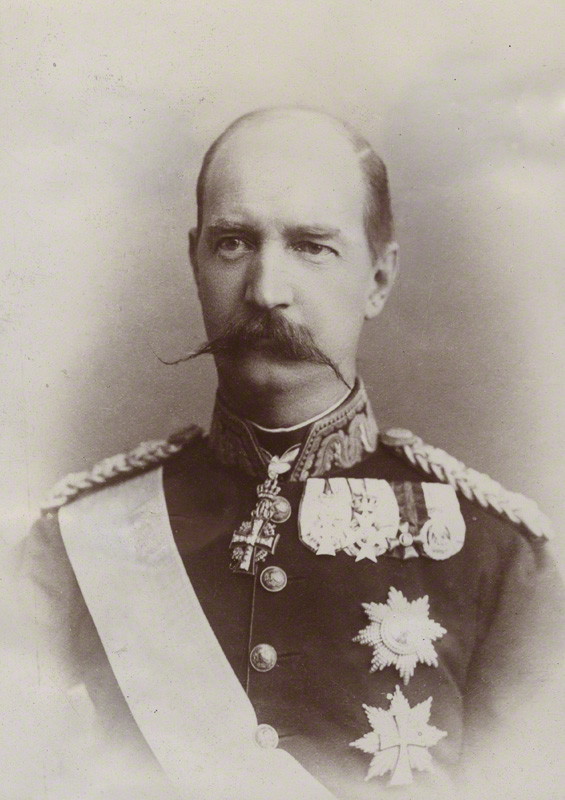
End of British Rule: British rule in Corfu and the other Ionian Islands ended in 1864 when the islands were ceded to Greece as a gesture of goodwill to support the newly established Greek monarchy under King George I of Greece, who was of Danish origin but had ties to Britain.
Legacy: The British legacy in Corfu is still visible in the island's architecture, cultural institutions, and the Anglican Church of Saint George in the Old Fortress. The historical connection between Britain and Corfu continues to be a point of interest for historians and tourists alike.
The British period in Corfu is remembered as a time of modernization and development, and it has left an indelible mark on the island's identity.
#CongressOfVienna #NapoleonicWars #SirThomasMaitland #BritishProtectorate
#CorfuArchitecture #Neoclassical #IonianAcademy #GreekEducation #GreekMonarchy #Diplomacy #CorfuLegacy #CulturalHeritage
Immerse yourself in the serene beauty and rich tapestry of Staithes, a historic jewel nestled on the Yorkshire coast. With origins dating back to the Viking era, this charming village was once the heart of the 18th-century fishing industry, boasting one of the largest fleets in England by the 1700s. It was here, amid the huddled cottages and winding streets, that a young James Cook found his sea legs before setting sail into history.
Fast forward to the 19th century, when Staithes blossomed into an artists' sanctuary, its unique northern light enchanting the Staithes Group of artists, who captured the village's raw beauty on canvas. Today, Staithes remains a haven for creatives, its timeless allure preserved in the weathered facades and the tranquil harbor.
As you explore Staithes, let the past envelop you; from the fossil-rich cliffs dating back to the Jurassic period to the annual Staithes Festival of Arts & Heritage, which celebrates the village's cultural legacy. Whether it's the echoes of smugglers' tales from the 18th century or the stunning vistas that stretch out to the North Sea, Staithes is a picturesque testament to the enduring spirit of Yorkshire's coastal heritage. 🌊🏠🎨 #Staithes #HistoricVillage #YorkshireCoast #CaptainCookLegacy #ArtistsParadise #HeritageCoast #FossilHunting #BritishHistory
On this day, March 25th, in 1306, a significant moment in Scottish history unfolded as Robert the Bruce was crowned King of Scots at the historic Scone Palace. Though his legacy is legendary, the exact date of his ascension to the throne often goes unheralded. Let's honor the memory of the man whose courage and determination shaped the nation's quest for sovereignty. 🏴👑 #RobertTheBruce #ScottishIndependence #MedievalScotland #SconeCoronationDay #HistoryMatters