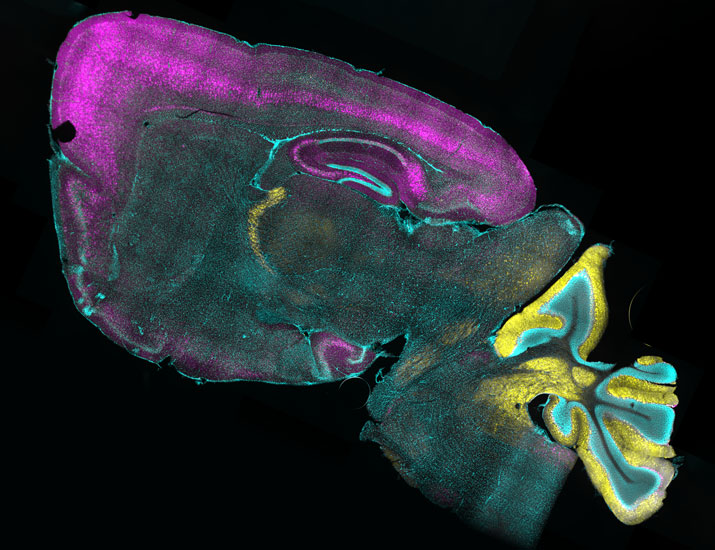
When we lower PrP in prion-infected mice, how much good we can do depends critically on how much time they've got left. A key reason: PrP has a 5 day half-life in vivo. This is why we need to accelerate diagnosis, particularly in rapid subtypes. Paper: https://t.co/WZ61tLyXef
We took ~750,000 whole genomes and found the putative mechanism by which mitochondrial DNA mutations accumulate with age in blood. Spoiler: we think these mutations arise by replication error and tag age-related clonal hematopoiesis. Read @Nature https://t.co/Xlc0yIDgG1
PBS News Hour recently featured Broad researchers Jim Collins, @MelisAnahtar, and team for their work using deep neural networks to generate and screen billions of theoretical molecules in the search for next-generation antibiotics to combat drug-resistant infections.
Drug-resistant infections are a major public health threat around the world. To fight them, scientists are constantly trying to find and develop new antibiotics. https://t.co/kMVArMMWBP
New research in @NatureMedicine co-authored by @DanaFarber’s Dr. Suzanne George and @BradEBernstein reveals the clinical activity of FGFR inhibition in SDH-deficient GIST. This trial illustrates successful demonstration of targeted cancer therapy predicated on an epigenetic mechanism of oncogene activation. Read more: https://t.co/vMlAMyG1ge @broadinstitute
Delighted to share the final version of our story on mtDNA mutations and aging, published today.
We show mtDNA mutation burden is a sensitive marker of somatic mosaicism (due to CHIP) in blood.
Curious if this pattern will extens to solid organs, too.
https://t.co/GcFKwwpfUu
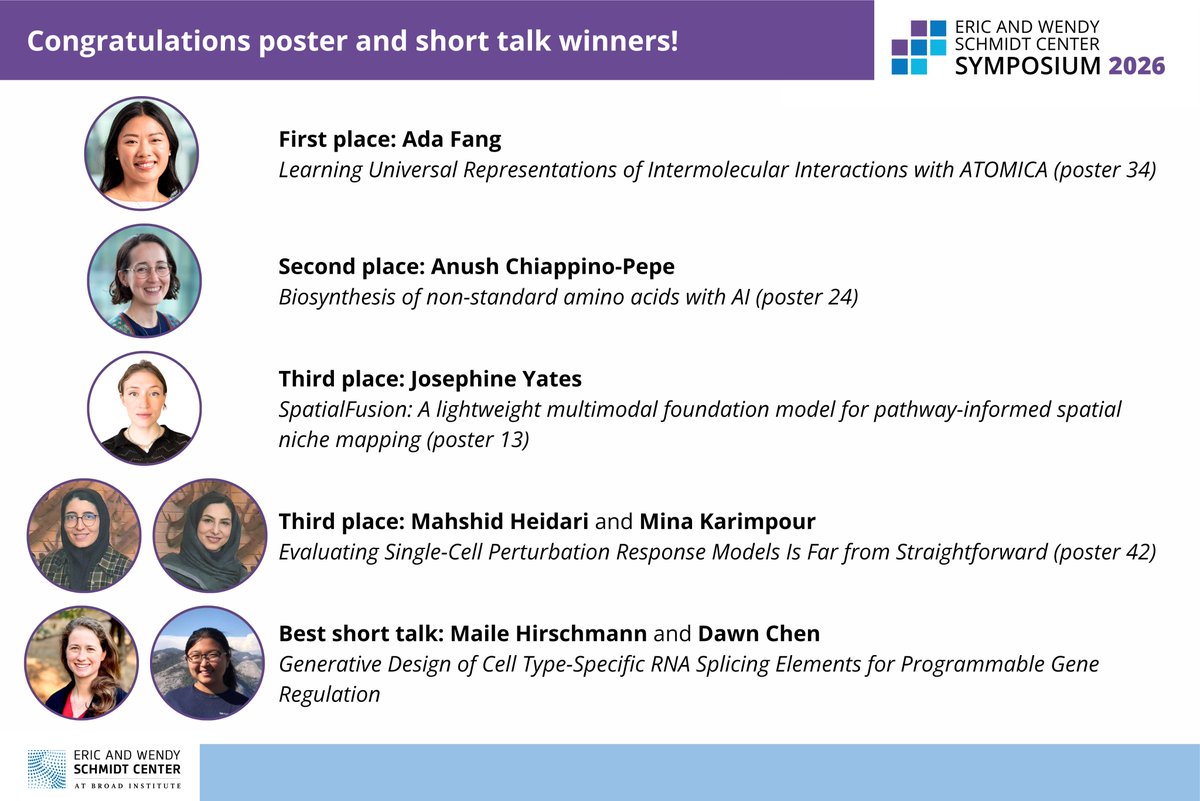
1/ Excited to share our preprint on the Cancer Immunotherapy Machine Learning Competition: https://t.co/hKbrWLkfzK - the first of the ongoing @SchmidtCenter Cell Perturbation Prediction Challenge (CPPC) series.
Here are some key points! 🧵👇
Dravet syndrome is a rare, often fatal form of childhood epilepsy. New research from #HHMIInvestigator David Liu & collaborators found that a single dose of base editing can correct its underlying mutation in mice, reducing seizures & extending survival: https://t.co/9hIHpdtXjY.
Analyzing protein-coding variants across 1.2M individuals, our study by @skoyamamd identifies new targets for lipid and CAD therapeutics & informs genetic testing for Mendelian dyslipidemias https://t.co/dFv7mDn9EJ @NatureGenet
🎉 A new preprint spearheaded by @JiaqiZhangVic reports the results of the first @Schmidt_Center machine learning challenge, the Cancer Immunotherapy ML Competition: https://t.co/sgH2g2ZqCZ
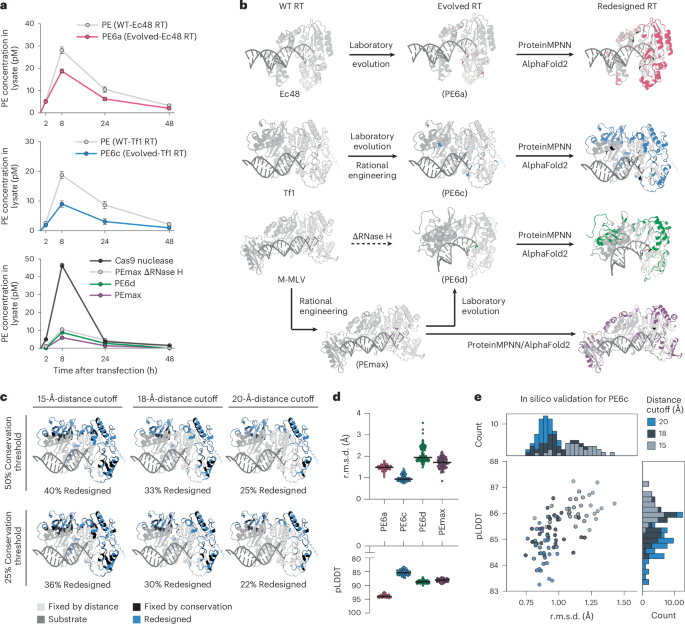
Today in @NatureBiotech we report a new suit of PE8 prime editor proteins. PE8 variants were developed from laboratory-evolved PE6 proteins using AI-guided protein redesign. This approach combines recent advances in computational protein design and directed evolution to increase prime editing efficiency, especially in transient therapeutically relevant delivery settings such as mRNA+pegRNA electroporation into primary cells, eVLP delivery of prime editing RNPs, and LNP-mediated mRNA+pegRNA delivery in mice.
https://t.co/bz6PalFvc4
1/11
Excited to share the first co-first author paper from my postdoc in @davidrliu’s group @broadinstitute, out now in @NatureBiotech! We used AI-guided computational redesign to develop new PE8 prime editors. See David’s thread below!
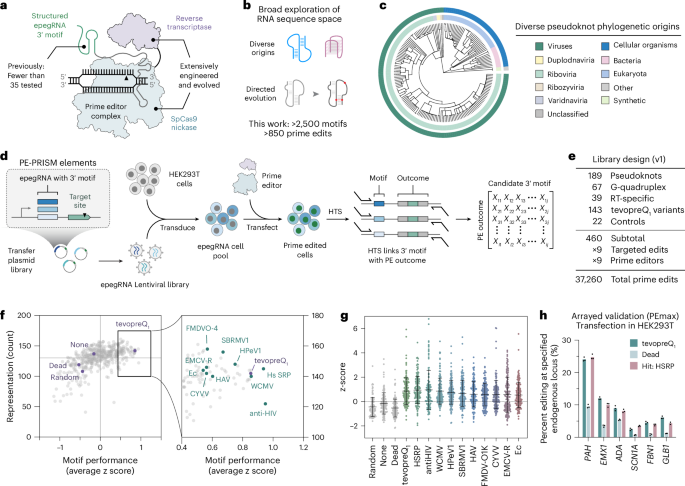
Today in @NatBiotech, we report the directed evolution of structured RNA motifs that enhance the efficiency of prime editing. Iterated high-throughput pooled screens and mutagenesis of these small RNA elements improved transient pegRNA lifetime.
https://t.co/ZiytYXicaJ
1/11
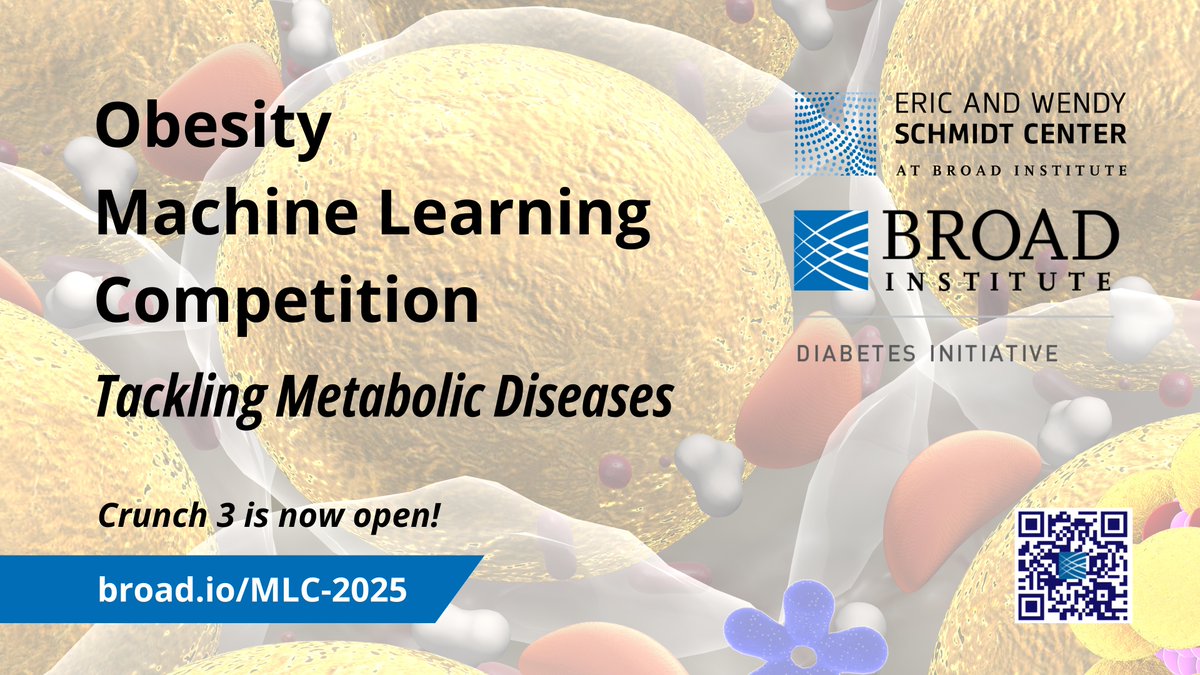
🎉 The next phase of the @Schmidt_Center Obesity ML Competition is LIVE!
https://t.co/R44sR8EadC
This challenge is open to researchers from all backgrounds — no machine learning expertise required.
🎉Happy to share our (@LinkeLi_MGH@tigerstatdoc@M_Mesbah_Uddin@abhinrl@pnatarajanmd me) collaborative article with Reuben & Santhosh's team at @IUMedSchool, just out in @BloodPortfolio!
Clonal hematopoiesis of indeterminate potential (CHIP)🧬is linked to multiple organ systems — heart, liver, brain — what about the colon? And if there is a causal link, can we do something about it?
Using Dnmt3a-mutant mouse 🐭models of colitis and human🧓data from UK Biobank & Mass General Brigham, we show that CHIP increases inflammatory bowel disease (IBD) risk; further, APE1/Ref-1 inhibitor APX3330 can ameliorate CHIP-driven IBD, potentially breaking the CHIP-disease link.
🔗https://t.co/mWrrQP4tK5
Leveraging adenine #BaseEditing, researchers demonstrate high editing efficiency of mutant SCN1A in a newborn mouse model of #DravetSyndrome and show it can lower seizure frequency while boosting survival. @davidrliu@broadinstitute https://t.co/ZyEIdqSxbQ
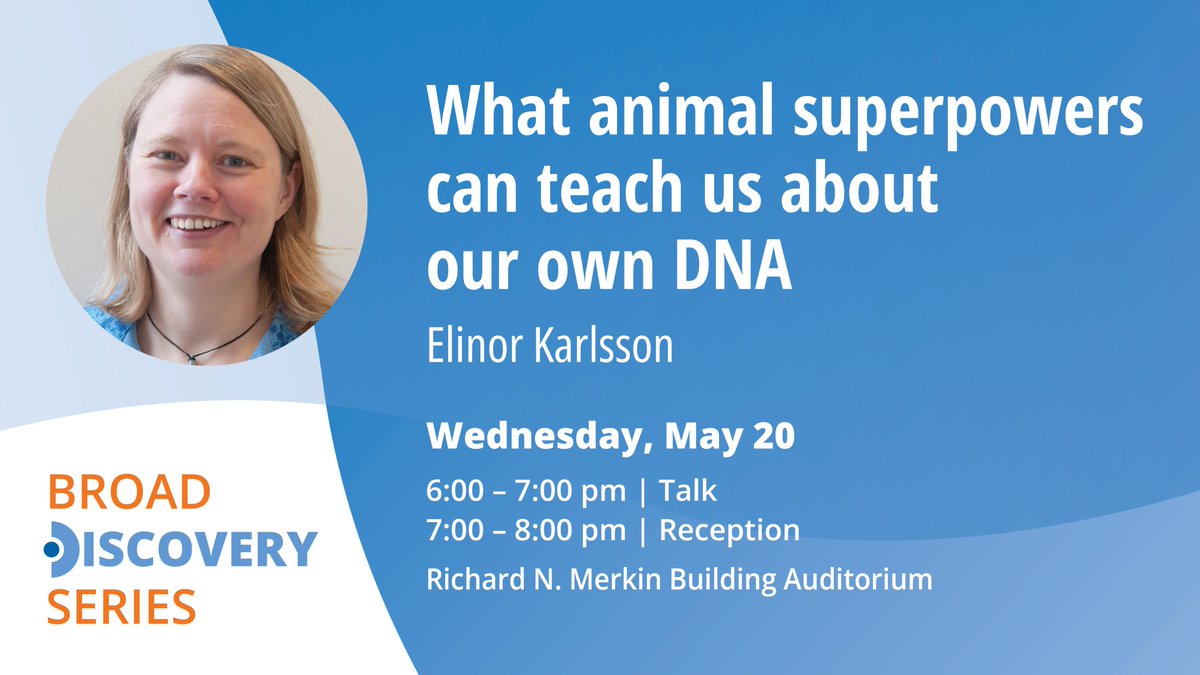
Join us in Cambridge, MA (or online) for a Broad Discovery Series talk, “What Animal Superpowers Can Teach Us About Our Own DNA,” on Wednesday, May 20, at 6 pm ET with @eenork of @darwinsarkfnd. Register: https://t.co/jLcE5EERCY
Today in @ScienceTM, we report the use of in vivo adenine base editing to correct a variant causing Dravet syndrome, a severe childhood epilepsy and neurodevelopmental disorder, substantially ameliorating disease symptoms and extending lifespan in an animal model.
1/13
https://t.co/uQEwWvj94y