@drjohnm Many thanks @drjohnm. Fully agree with you. For that reason, I’m excited by this work led by @tigerstatdoc & with @SashaGusevPosts G. Parmigiani modeling numerous health trajectories simultaneously in interpretable fashion to better predict & prioritize https://t.co/S4fbe8me21
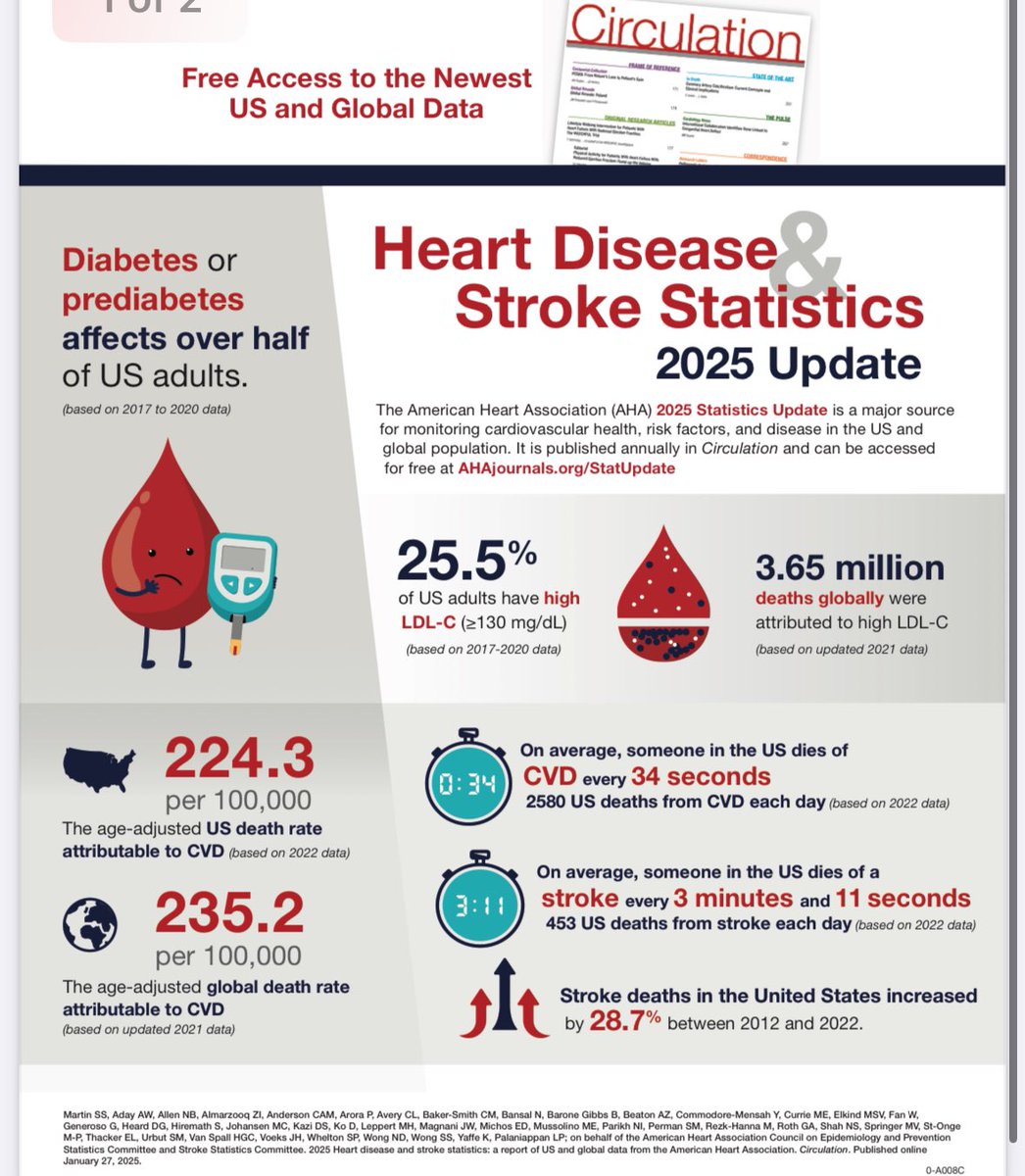
Our most comprehensive global #statistics#epidemiology update with 700 pages on #CV, #metabolic, #kidney, #brain dz @Circ_AHA
Most disorders have shared #riskfactors that are preventable and treatable!
Want to know the stats on each??
https://t.co/3cS5wDkoSy
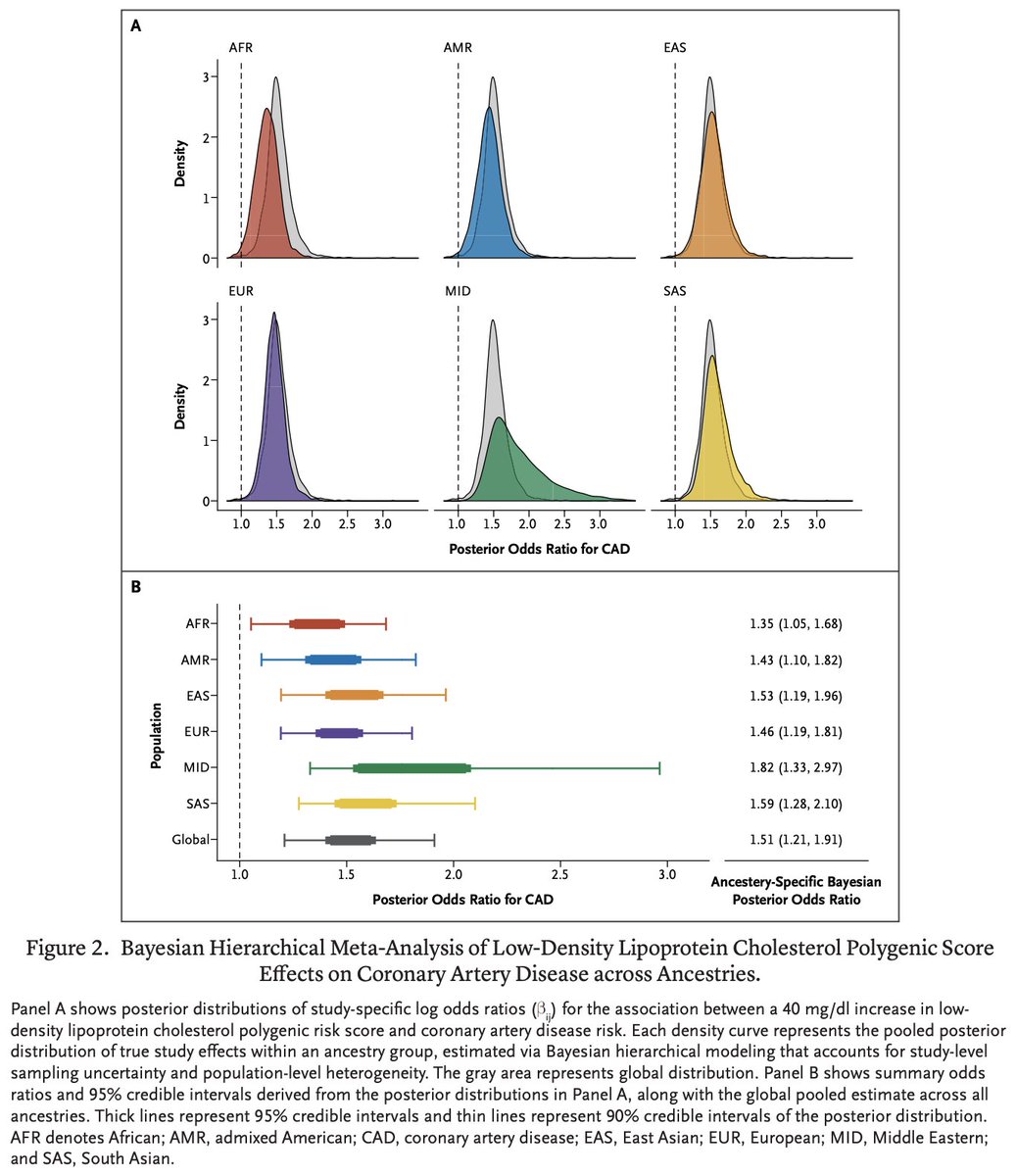
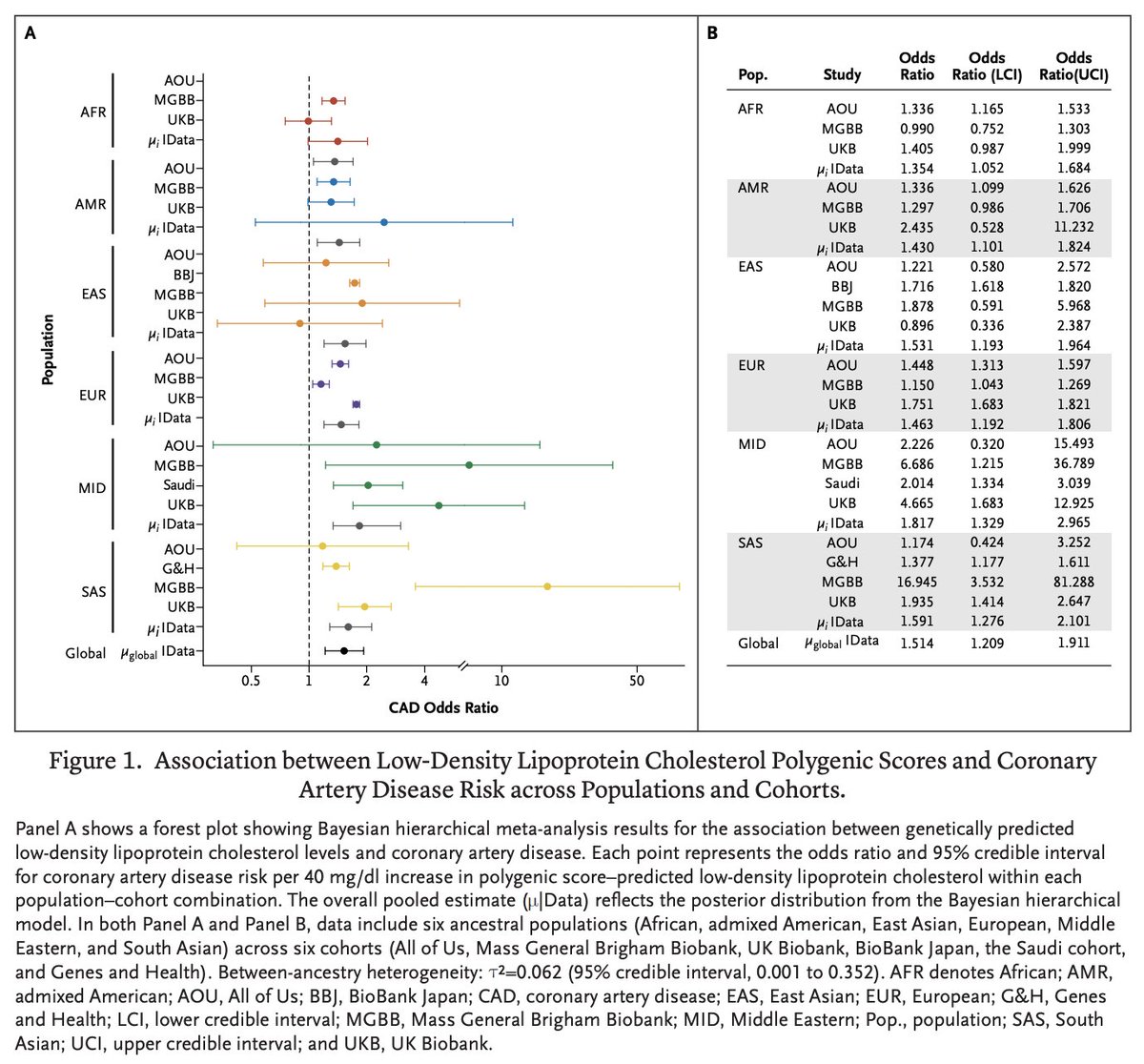
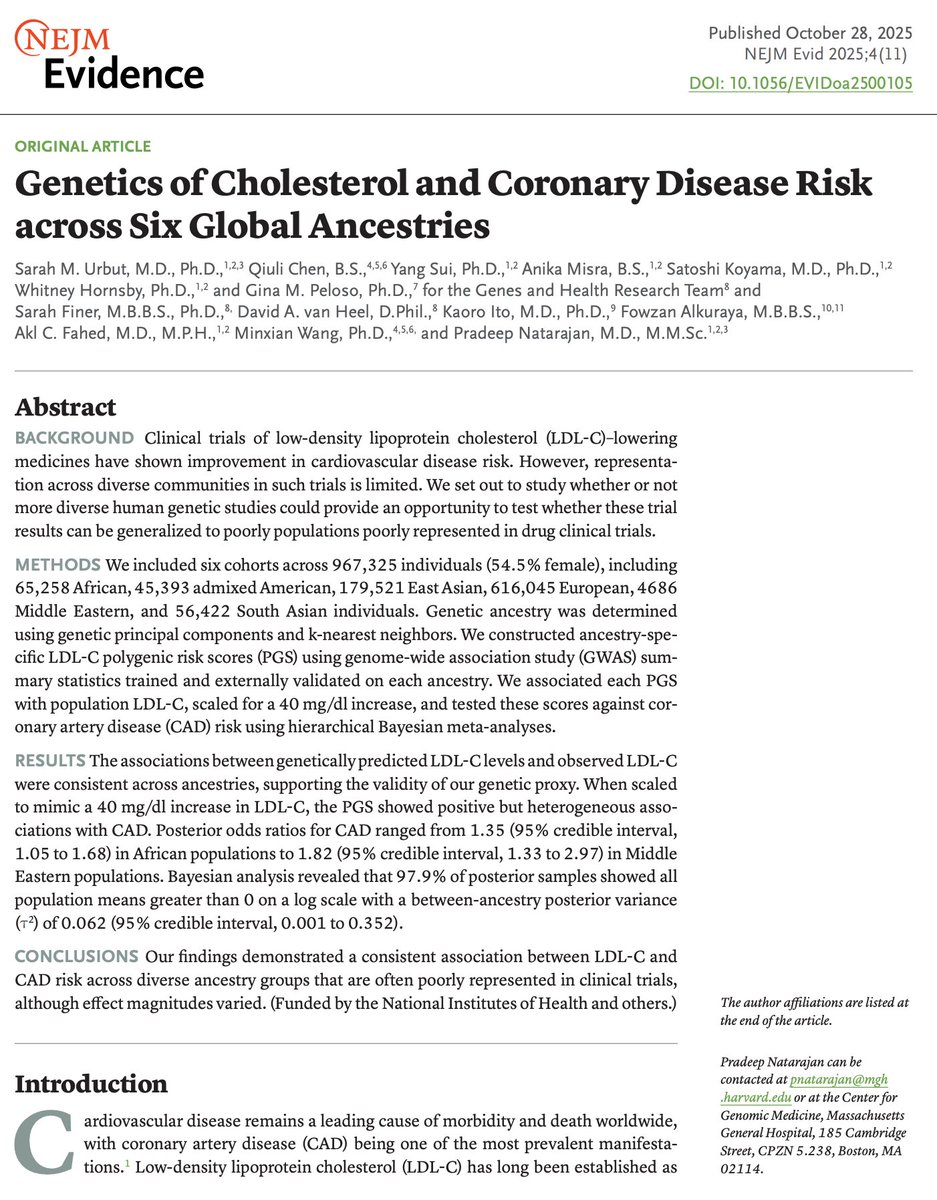
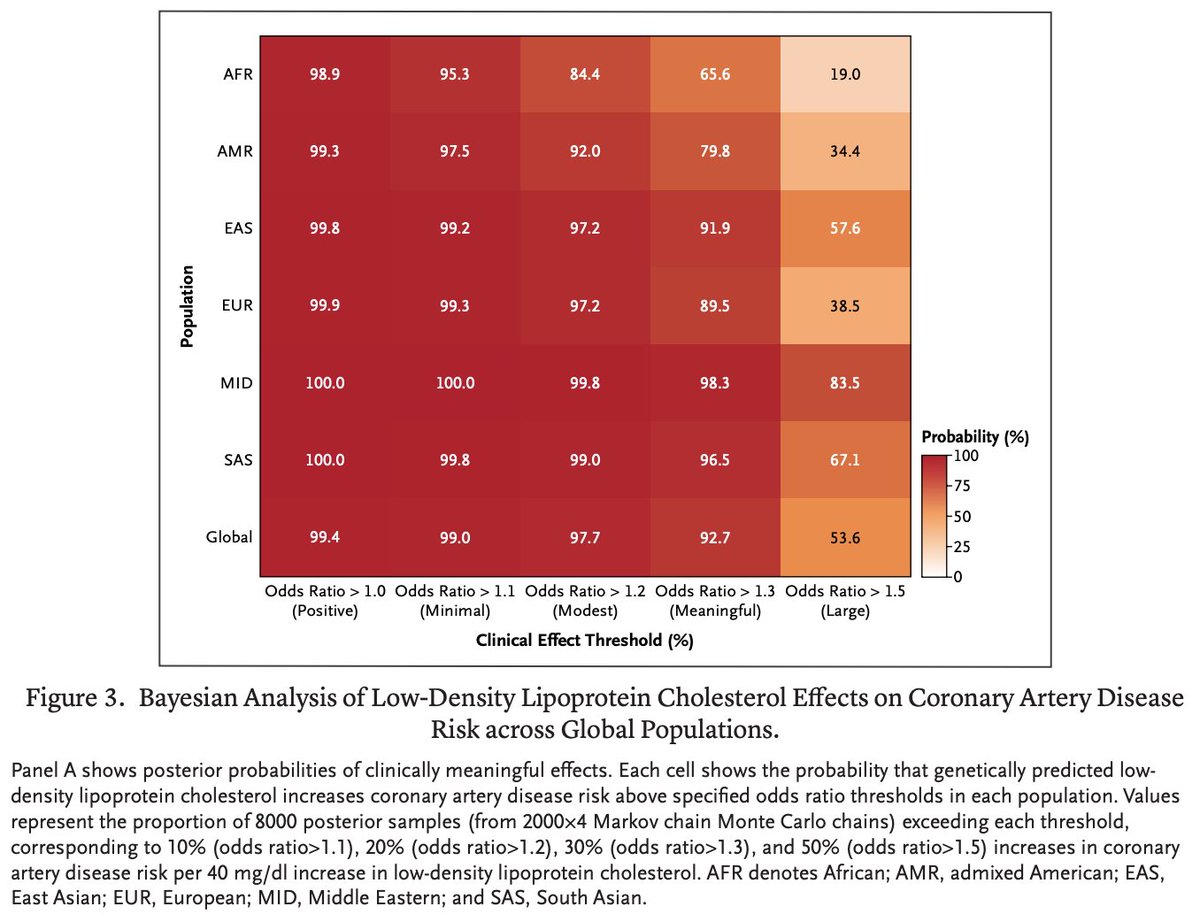
Delighted to share our study led by @tigerstatdoc demonstrating the genetic generalizability of LDL-cholesterol's association with coronary artery disease across 1M individuals globally https://t.co/kw5uh7RRZd @NEJMEvidence
While clinical trials of LDL-C-lowering medicines have shown improvement in CAD risk, they generally don't reflect the breadth of patients we evaluate for such medicines. Subgroup analyses in trials to assess for differences are generally very underpowered as they are not the main intention of trials.
The world's human genetic data is (1) larger and covers many more communities and geographies than clinical trials, and (2) can enable causal inference methodologies across these groups.
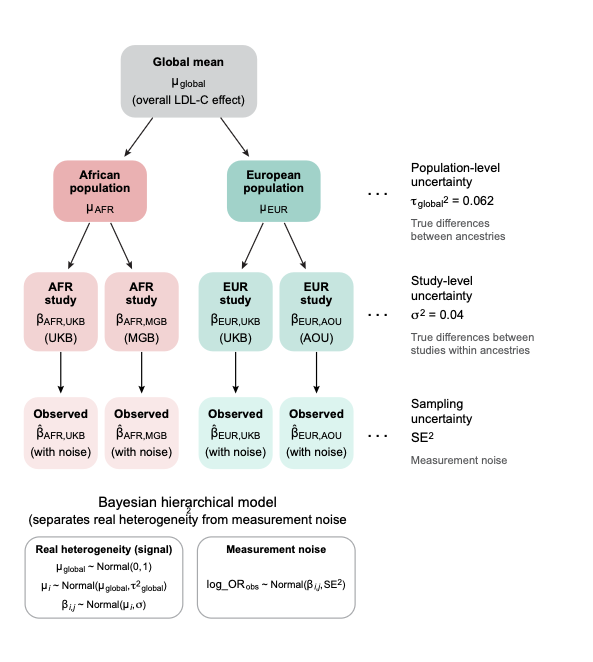
We assembled data across the US, Europe, Middle East, and South Asia to examine this relationship across individuals of African, admixed American, East Asian, European, Middle Eastern, and South Asian ancestry.
Adjusting for variability in allele frequencies and performance, harmonized the same LDL-C effect, we observed (1) a significant positive association with CAD and (2) heterogeneity in this association.
While this is not a substitute for clinical trials reflecting the breadth of patients we see, the results (1) provide reassurance regarding current clinical practice extrapolating existing trials of LDL-C-lowering therapies, (2) the relationship between LDL-C and CAD appears generally robust across communities & solidifies this as a core pathway for CAD risk reduction, and (3) indicates that investment in adequately powered LDL-C-lowering therapy trials in other communities is likely to yield favorable returns.
Many thanks to the team!
@skoyamamd@HornsbyWhitney@gina_peloso@aklfahed@wallacemwang & others
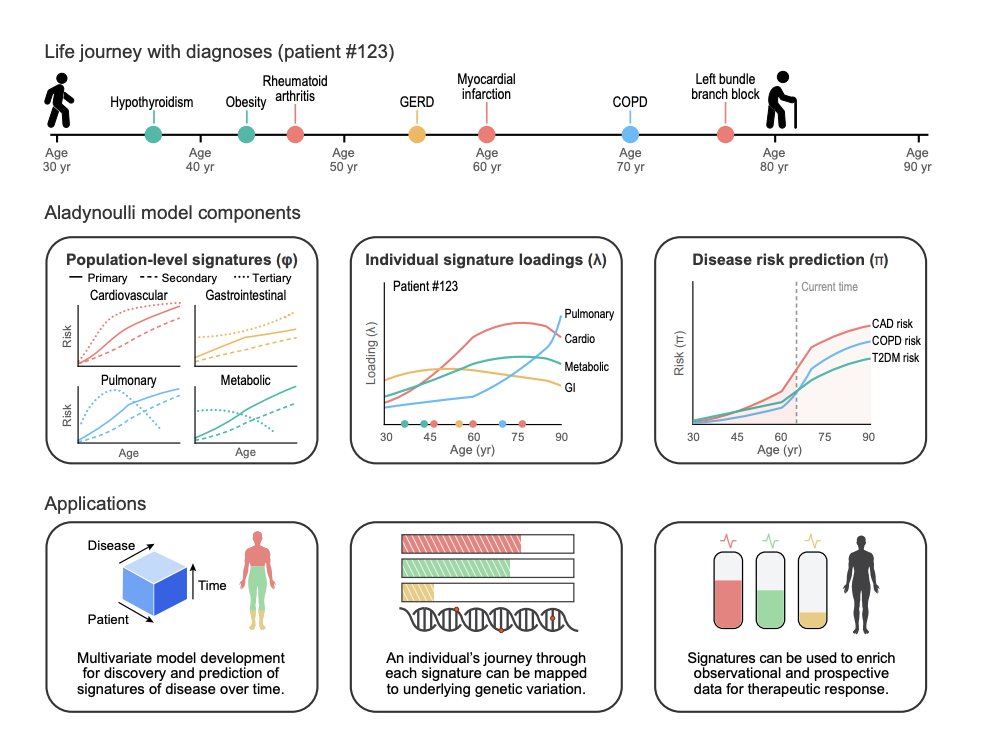
Announcing our much-awaited updated aladynoulli, a fully interpretable Bayesian model that considers predictive and explanatory disease trajectories across the life course for individuals, anchored on underlying PGS. https://t.co/Q8kqRC9GqU
@teapoow thanks - as described in the prePrint, the GitHub repo is private to collaborators only now, but please see an example of visualizing model at work at https://t.co/RXMxxX9mk9
Follow the math, follow the pt with associated app at https://t.co/RXMxxX9mk9. Our model is truly generative, explicitly modeling the risk captured by EHR histories through Bayesian the *magic* 🪄 of mixture modeling. @SashaGusevPosts@pnatarajanmd@g_parmigiani .