For example, G-G# is minor because it's chromatic while G-Ab is major because it's diatonic. G# is one comma lower than Ab.
Further information on How Equal Temperament Ruined Harmony (and Why You Should Care) by Ross W. Duffin:
https://t.co/1IAcwVHucm
Late 19th century composers deemed Equal Temperament as 'the only correct one' dismissing Just Intonation, Meantone, etc which are actually better temperaments to perform early music repertoire (mediaeval, renaissance, baroque) on period instruments as discussed in many treatises
The even tempered major 3rd is an absolute abomination. And only @jacobcollier really complains about it.
Pythagorean v Even tempered:
Maj 3rd: 5/2 vs 2^(16/12)=2.52 (approx)
5th: 3 vs 2^(19/12)=2.9967 (approx)
We totally sacrificed the 3rd for the 5th:
https://t.co/ERBBpznnjj
from pre-classical/romantic composers such as Pier Francesco Tosi, J.J. Quantz, L. Mozart, et al. who address, for example, the topic of enharmonic notes which are actually not the same notes. There's a difference between minor semitones vs major semitones.
We'd like to know why @cdbaby and @bmi are claiming rights to our live original recordings posted on our YouTube channel, specifically 'Tant que vivray' by Claudin de Sermisy (c.1490-1562) and 'The Honeysuckle' by Anthony Holborne (c.1545-1602).
https://t.co/JaZSOtl7Qd
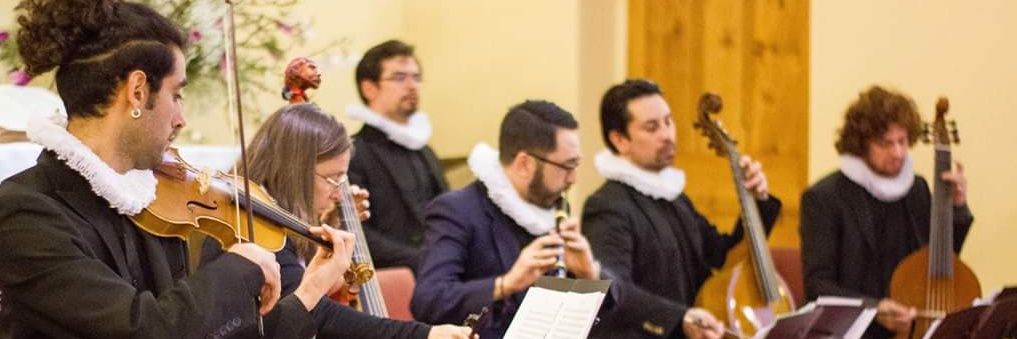
Early Music Day! 21 de marzo:
Equinoccio de primavera/otoño.
Cumpleaños de Johann Sebastian Bach.
Más de 1000 años de herencia musical desde la edad media hasta el siglo XVIII.
https://t.co/zjUhfXrkYt
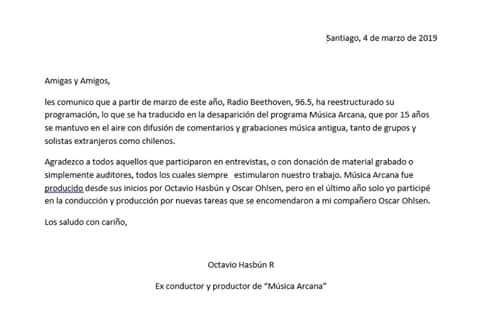
Es una verdadera lástima que @radiobeethoven decidiera sacar del aire el maravilloso programa "Música Arcana" después de 15 años de transmisiones.
https://t.co/ndssGEyYSD