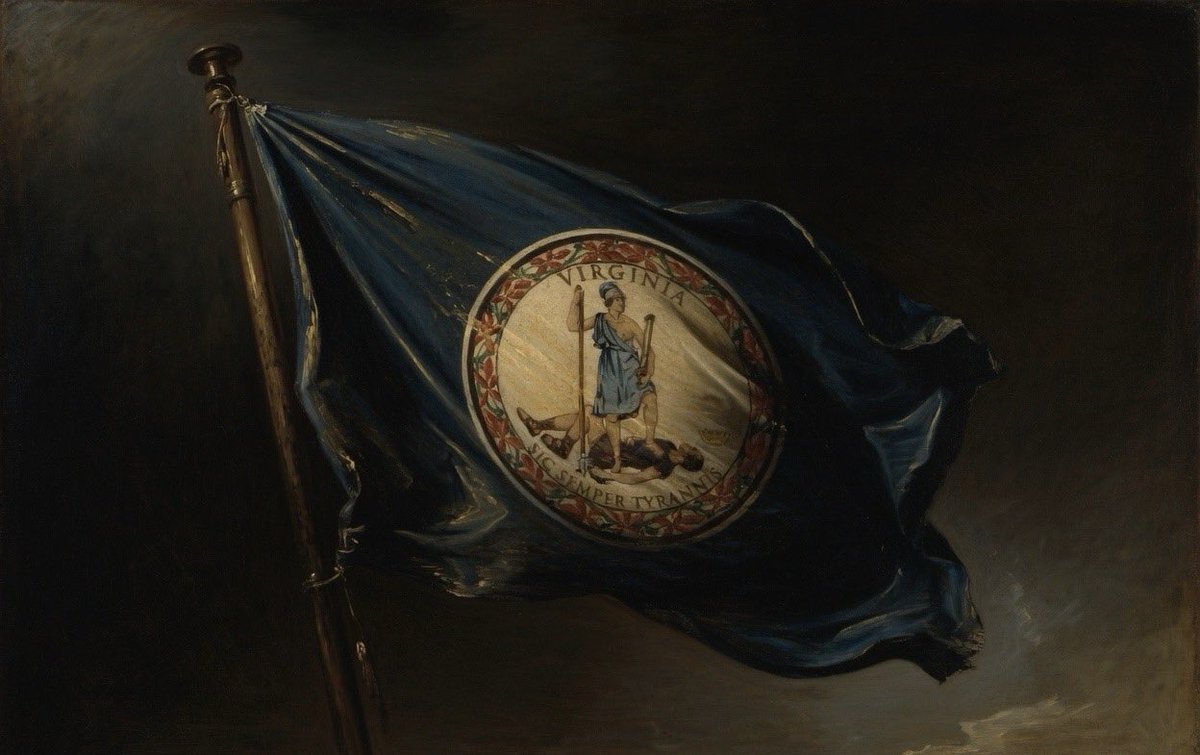
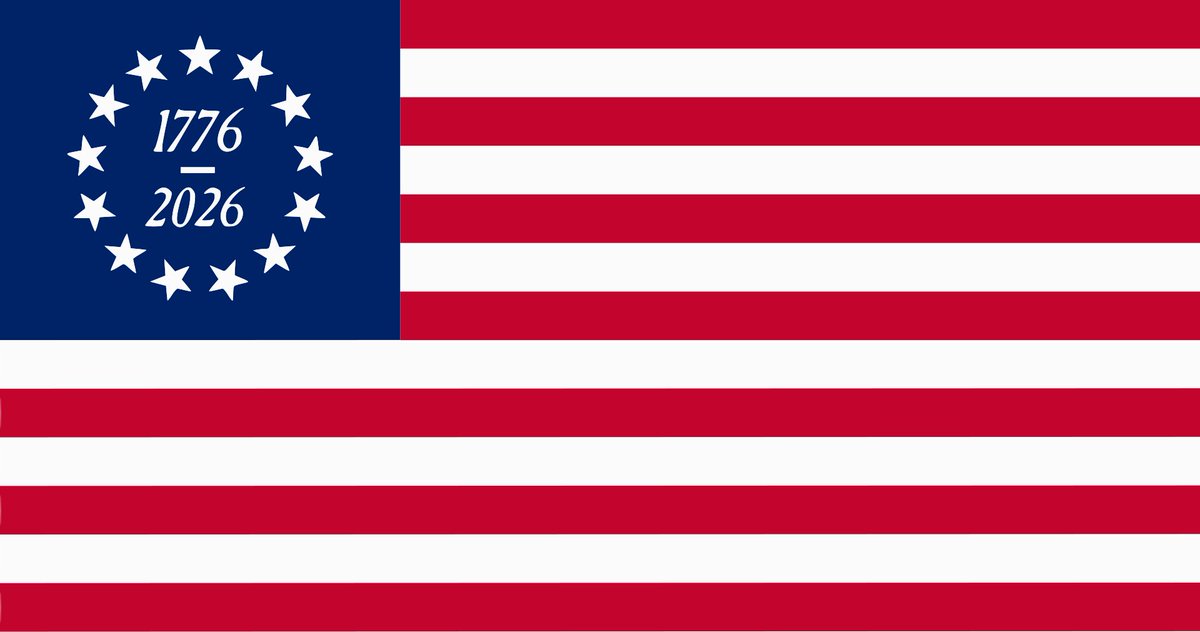
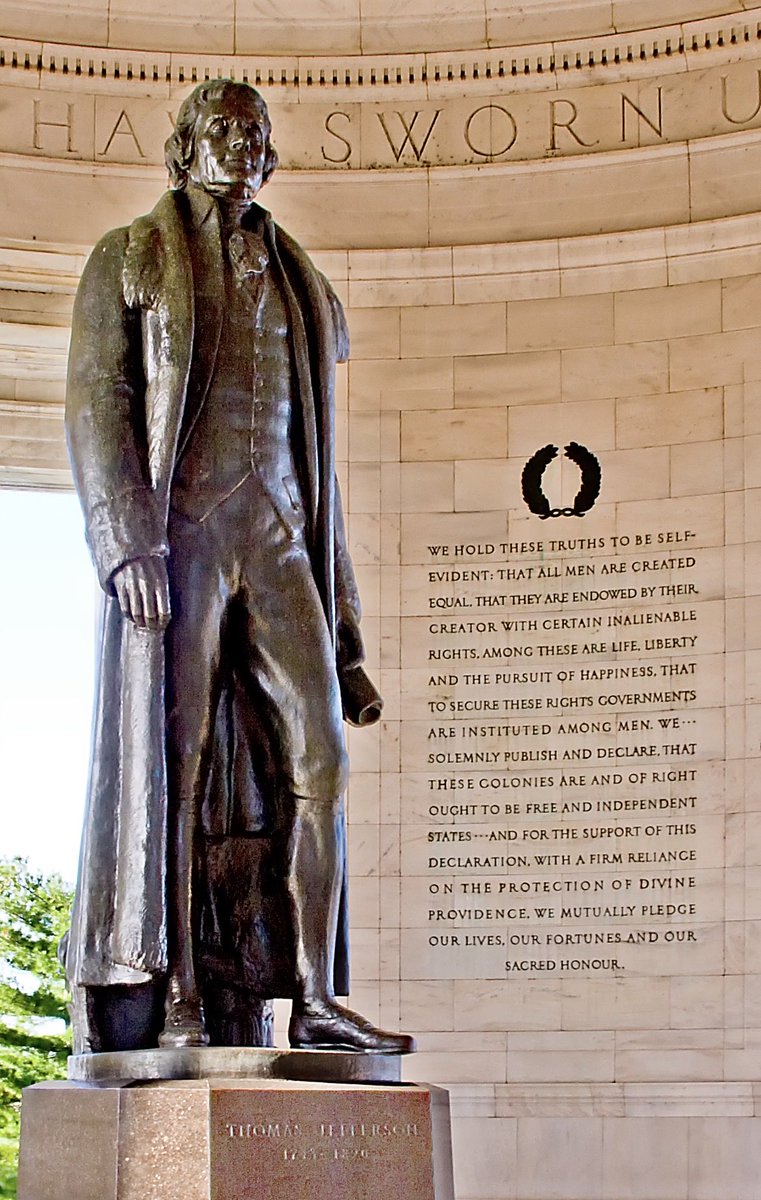
On this day, July 4, in the year of our Lord 2026, we remember and pay homage to the great men and women of American history and the ideals they fought to cultivate and preserve. We celebrate 250 years of self-governing republics shining like lights on a hill.
We honour the memory of those fallen in battle to further the cause of liberty, both at home and on some far, foreign field. As we consider the names and deeds of these grand Americans, we should ponder the countless names forgotten to history, those souls who lived, toiled, and died, sometimes violently, to build the nation. From Jamestown to Massachusetts Bay, from the Atlantic Coast to the Appalachian Mountains, wilderness mixed with labour became fruitful settlements. The Gospel was proclaimed, and the ringing of church bells heralded growth and prosperity in the New World, from sea to shining sea.
We remember the names spoken in our own home: George Washington, Alexander Hamilton, James Madison, Thomas Jefferson, Patrick Henry, Daniel Boone, and Davy Crockett. We remember the men who pledged their lives, fortunes, and sacred honour. In this house, almost 9,000 miles away from the tolling bells of the Pennsylvania State House, better known today as Independence Hall, we aim to live out the ideas of the Revolution of 1776. We do hold these truths to be self-evident: that all men are created equal and are endowed by their Creator with certain unalienable rights; that among these are life, liberty, and the pursuit of happiness.
We respect the genius of the founding generation for their sacrifices and timeless wisdom. We can use these historic titans as mirrors for our own lives. Study them with care and attention. Emulate their virtues and learn from their vices. Seek to understand their contradictions. We look to the best fruits of the Revolution: representative government, protection of private property, the Declaration of Independence, the Articles of Confederation, the Constitution, and the flag that waves above it all.
We abhor any loss of these hard-won freedoms and the slow surrender of state and individual rights. Let us decry the tyrants of our own time, seek justice, and watch over our liberties with eternal vigilance. May we ask ourselves: Is life so dear? Is peace so sweet? Would we give up all else for these objects alone? In the words of young Thomas Jefferson, “No liberty, no life.”
We entreat Almighty God on this momentous occasion that His will be done on earth as it is in heaven. For His blessings surpass any earthly happiness. We desire the Union as established by those fathers of the nation, a government as originally organised, administered in purity and truth. If it is His will that we shall suffer, may we suffer well. If it is His will that we shall fight, may we consider whether rebellion to tyrants is obedience to God.
Standing on the precipice of 250 years, one might ask what the future holds. Patrick Henry made his own observation, still fitting today: “Whether this [independence] will prove a blessing or a curse will depend upon the use our people make of the blessings which a gracious God has bestowed on us. If they are wise, they will be great and happy. If they are of a contrary character, they will be miserable. Righteousness alone can exalt them as a nation. Reader! Wherever thou art, remember this and, in thy sphere, practice virtue thyself and encourage it in others.”
#America250
On June 12, 1776, Virginia unanimously adopted the Virginia Declaration of Rights.
The Virginia Declaration of Rights comprises sixteen articles that outline the fundamental rights belonging to the people of Virginia, which it declares to be “the basis and foundation of Government.” In addition to affirming the inherent and inalienable rights to life, liberty, property, and the pursuit and attainment of happiness and safety, the document presents government as the servant of the people and explicitly establishes the separation of powers among the legislative, executive, and judicial branches. What makes the Declaration particularly distinctive is that it goes beyond merely listing legal rights, it also sets forth the moral and philosophical principles that should guide the conduct and structure of government itself.
This declaration directly inspired the Declaration of Independence and the United States Bill of Rights.