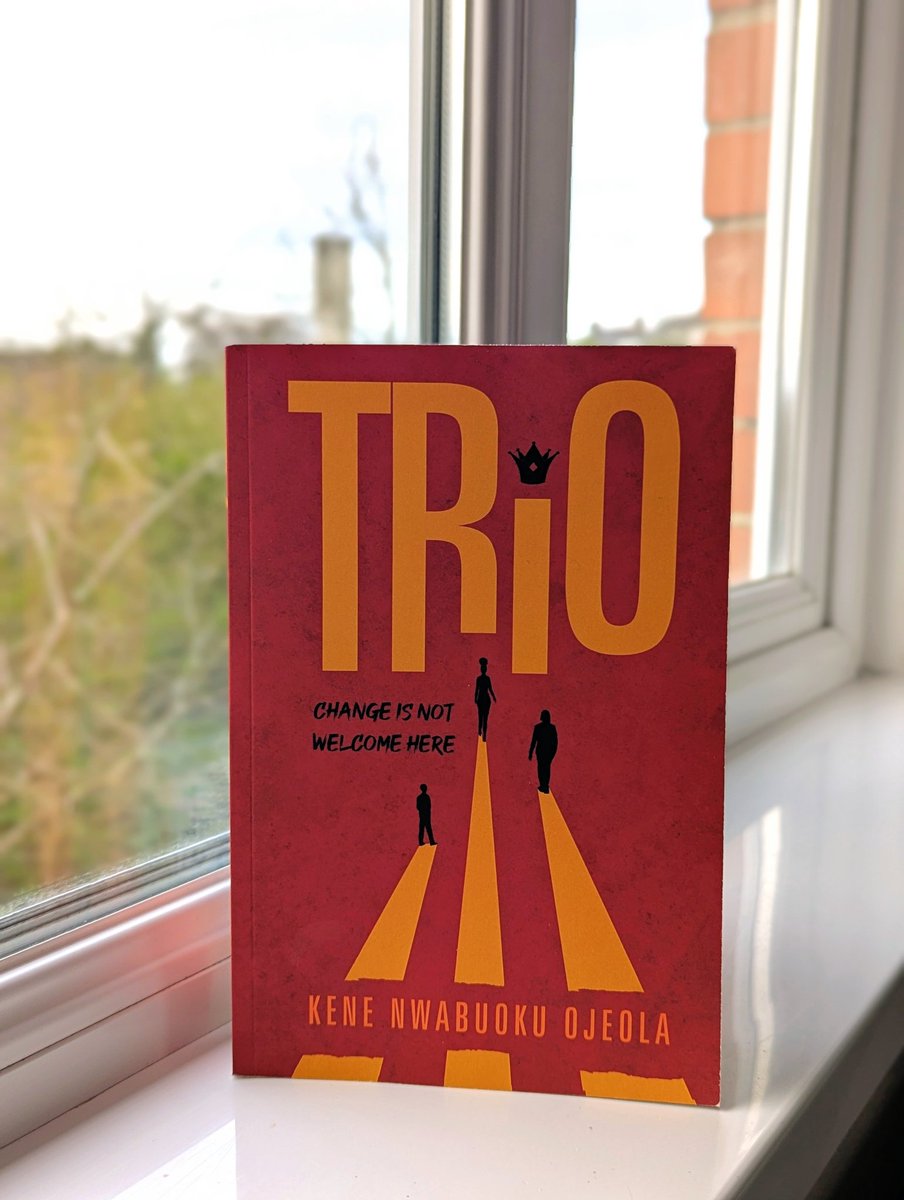
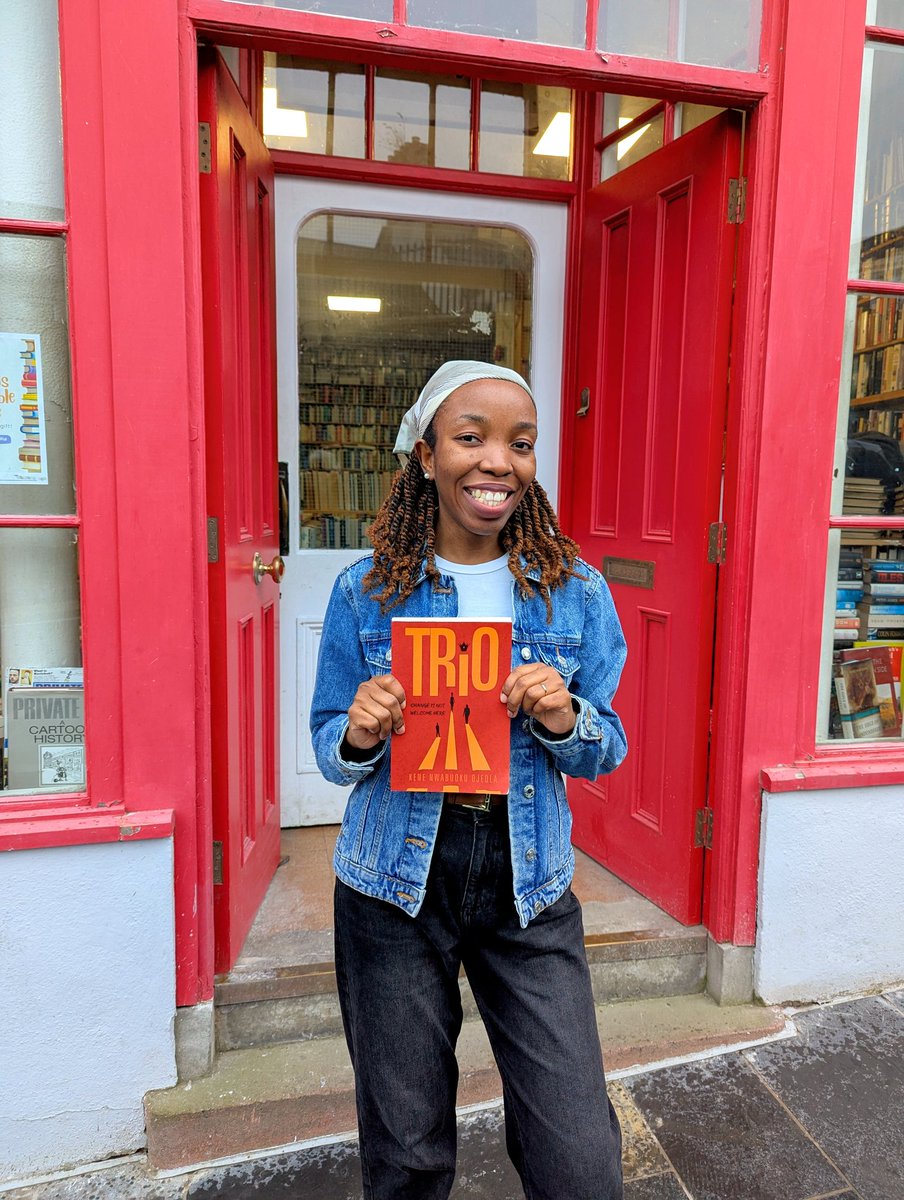
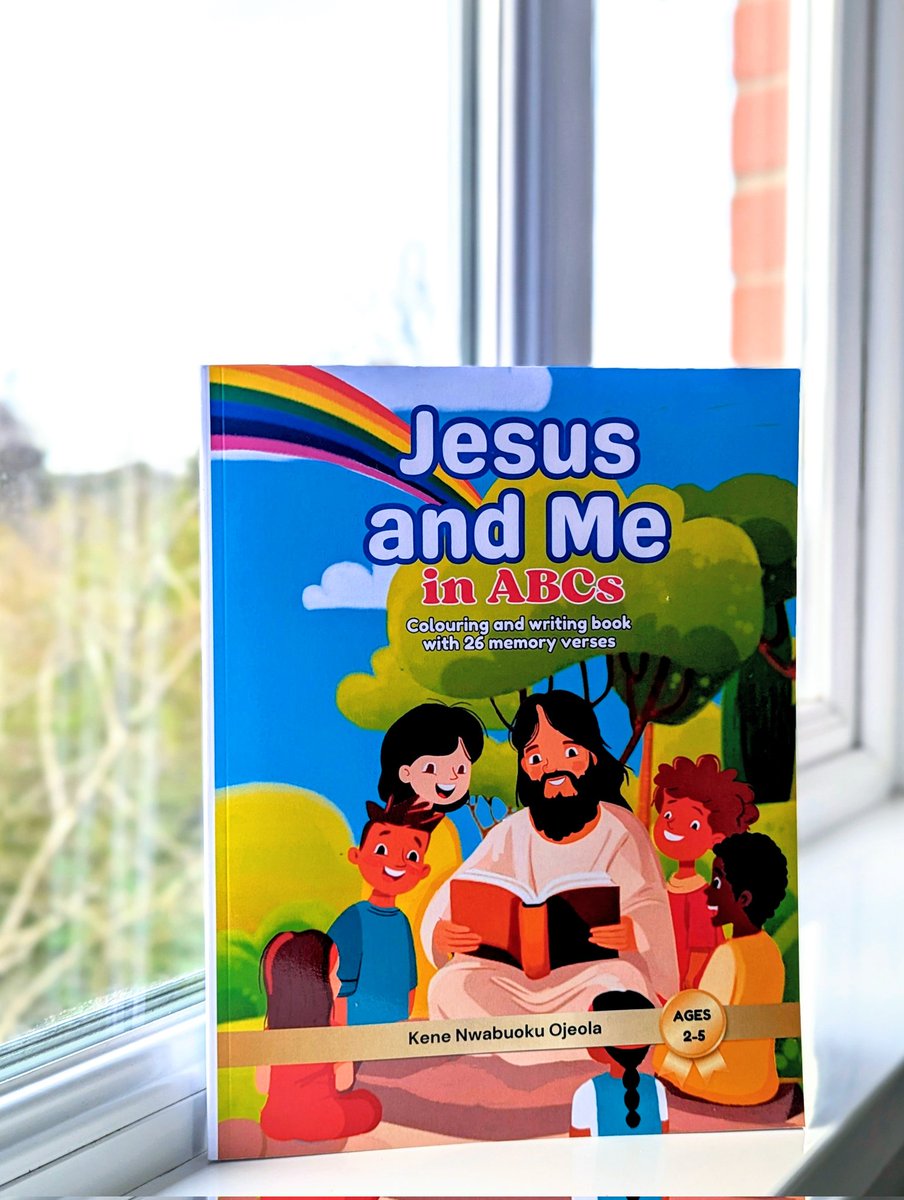
My debut novel, TRIO, was born from frustration, from feeling like being young and brilliant was a crime.
It’s a political YA fantasy about youth leadership and what happens when young people are given the chance to lead.
Available on my website, RovingHeights & Amazon.
Link in bio.
@IkennaOkeh I absolutely agree with this. We've identified very valid problems. Next on the agenda should be how to provide lasting solutions to some, if not all of these problems.
While we talk the talk, let's walk the walk. There's a reason I respect everyone building structures in the creative industry; there's a reason I support them as much as I can. This ongoing discussion about piracy is much needed. It's real time feedback and should be valued. Those who have it in them should get to work!
@TheeComfortShow @Nekie_neka I used to be on this train but I had to hop off 😅 My screen time is becoming too much and nothing actually beats the feeling of holding a physical copy of the book and reading it. The experience just feels different🤭
As a rule of thumb, I buy the work of African writers. I take this as a duty to do so seeing as I am actively involved in the work of promoting literacy in Africa. And I would be the first to acknowledge that books are pricey. Last year, I spent over 700,000 Naira on books and I didn’t even buy so many books.
However, I think we can have more nuance in this conversation.
We can accept that people are unable to afford books now while also acknowledging that piracy is very harmful to African Literature, especially because it is a slippery slope from “oh I am just pirating old out of print books” to seeking out pirated copies of recent books by both emerging and established African writers.
Admitting that poverty is a problem should not be at the detriment of African writers, who are often equally as poor. Most of the book advances aren’t that great. They are not enough to sustain a writer for up to year. So that a writer feeds is often dependent on how many books they sell; and mind you, they have to earn out these advances. This means that till the publisher makes back the money they gave the writer, the writer earns nothing from book sales.
While there is the argument that people who pirate the books weren’t going to buy anyway, the issue is that with the widespread knowledge that pirated copies of a book are easily accessible, people who can buy the books often still don’t buy—this isn’t speculative, I have done a bit of a pilot investigation on this ahead of the new literary initiative I am building. So, in the end, piracy still leads to an impoverishing of the writers whose works people claim to value.
Instead of brazenly upholding piracy publicly, and instead of fighting individuals for piracy, I think we should all turn our attention to the systemic issue here which is that we need more institutional literary patrons who are willing to engage in public-private partnerships to build and maintain libraries, and get the works of African writers into libraries.
And then, we crackdown heavily on piracy because if you can borrow a book from a library much more easily, you have no business pirating the intellectual property of African writers.
Where’s the support group for parents who are writers/creatives, have full-time work or run businesses, while also trying to have hobbies, socialise, eat well enough, including the occasional bread, gym & raise well-adjusted kids?
Everyone deserves access to knowledge, yes. But access does not mean ENTITLEMENT to someone’s UNPAID LABOR . A book is months or years of intellectual excavation. Research. Editing. Rewriting. Emotional expenditure. Creativity is labor.
6/11
People pirate a book, then turn around and ask the author how they survive without a corporate job. You cannot sabotage someone’s income stream and then interrogate their sustainability. Writing, for many authors, is an income stream.
3/11
Choosing to use protection is choosing responsibility. It is a commitment to your health and future.Protecting your sexual health goes beyond the moment. communicate with your partner, and making safe decisions.
#HadielHealth#ValentinesDay#SexualHealth#InternationalCondomDay