@Andrew_Akbashev I see you've got a point there. Unfortunately the academic systems across the globe "force" researchers publish more noises. The saying that goes "publish or perish" remains as a grim reality for many researchers. If they stop publishing, the system will get rid of them.
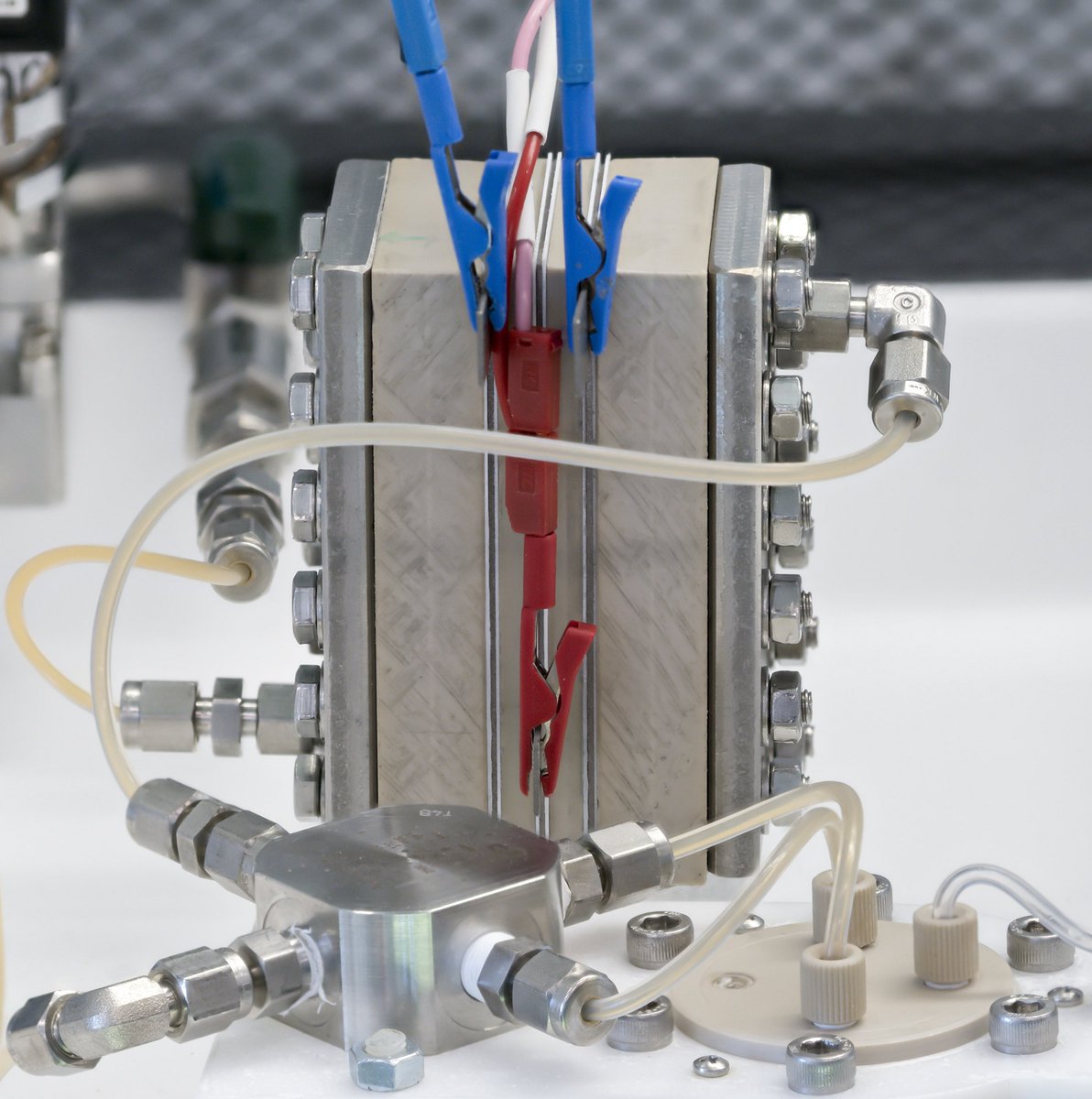
Terrific to see our paper finally out in Nature (https://t.co/w0OgeGfdRx ), reporting the work of @HoangLongDu reporting almost complete selectivity in the reduction of N2 to ammonia. @Simonov_A_N @juipterionics
Congratulations Ibrar in our group. His paper “Nitrogenase-Inspired Atomically Dispersed Fe–S–C Linkages for Improved Electrochemical Reduction of Dinitrogen to Ammonia “ in ACS catalysis was online!
https://t.co/z1A1lHABWL
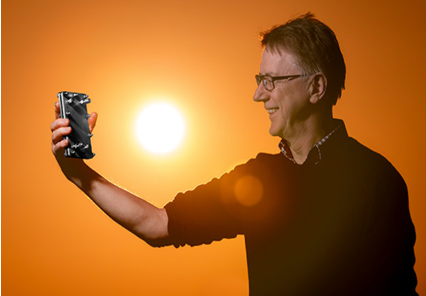
Looking forward to giving a zoom seminar on Tuesday next (26/10 11am) as part of the @Monash_Science 'Climate Change Seminar Series' on exciting new sustainable energy futures based on Ammonia. @ChemistryMonash@jupiterionics Register here https://t.co/MVLS1loxYy
We are looking for a talented #PhD candidate to join our exciting and rapidly growing fuel cell cluster in @ChuanZhao11's group in the School of Chemistry at the University of New South Wales (#UNSW, Sydney, Australia).
https://t.co/4lVSdbHpaw
Want to develop & study green energy/chemistry technologies? #PhD scholarships up for grabs for immediate (2021) start on projects in H2 and ammonia @ChemistryMonash.
AU candidates - @DRMacFarlane and I want to hear from you! Too much fun here to pass up.
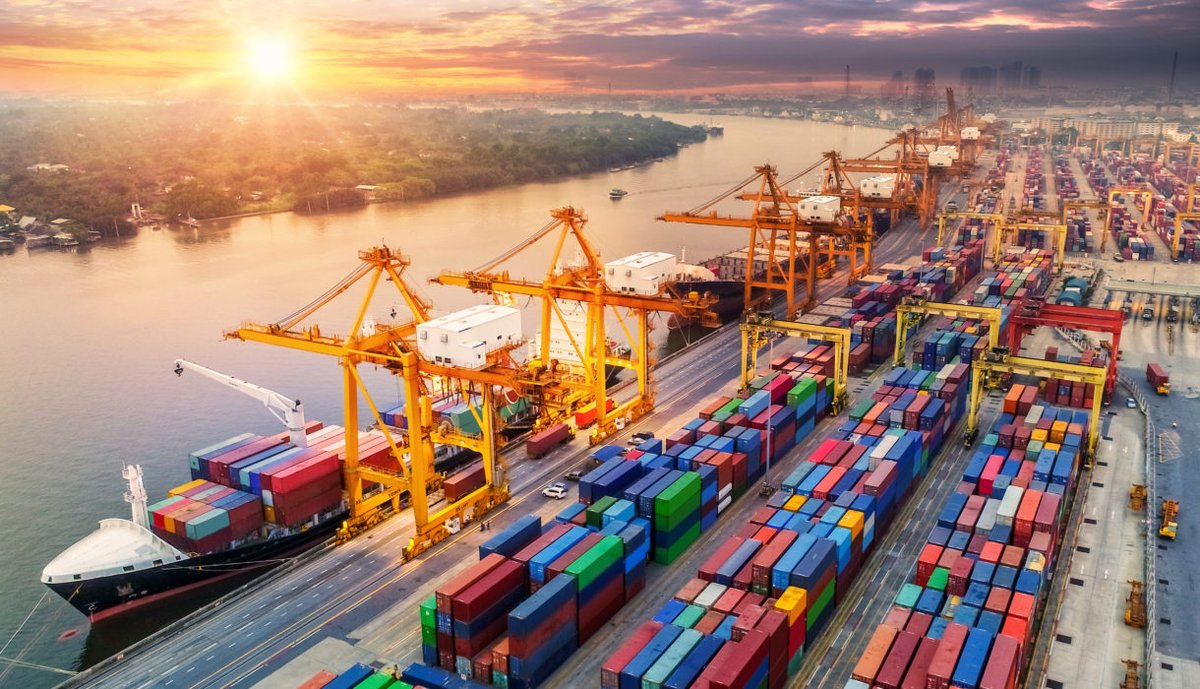
Could ammonia replace coal as Australia's next big energy export? Read this fascinating article by #ATSEFellow Professor Douglas MacFarlane @DRMacFarlane for #IMPACT magazine
https://t.co/yBwBXrdKNK
PhD position available in my group for people in Aus/NZ (thanks to current border policies). Studying chiral coordination cages for host-guest applications and dynamic properties. Contact me if interested!