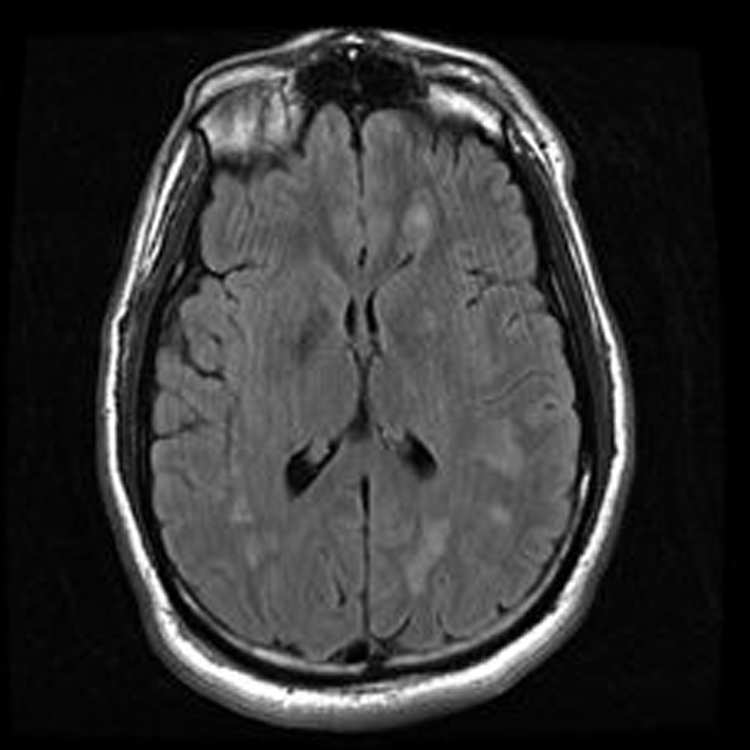
#AJNRcow >> October 27, 2022 >> A 30-year-old man with 2 days of headaches and malaise. In the ED, he is found to have altered mental status, mutism, fever, tachycardia, hypertension, rigidity, hyperreflexia, and a purpuric rash. View the case at https://t.co/YXBlwiN5Sb.
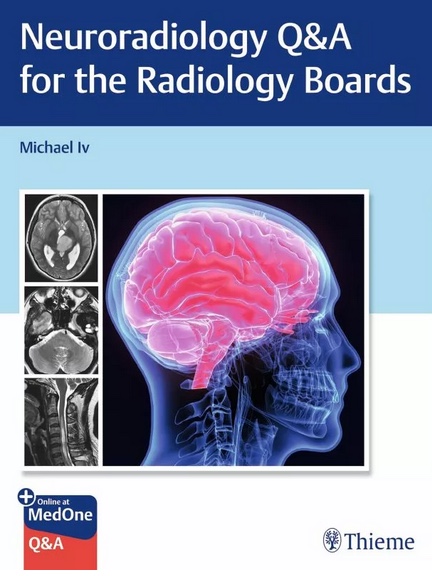
Super proud of our team for finally publishing this Neurorads Q&A book! Took years & blood, sweat, and tears! Thank you for your contributions @EricTranvinhMD@BryanLanzman@mpenta21 SyedHashmi @stanfordneuroi1@StanfordRad @ThiemeNY
https://t.co/nJwKnsppb7
New Research: Arterial Spin Labeling Imaging Characteristics of Anti-leucine-rich Glioma-Inactivated 1 Encephalitis: A Qualitative and Quantitative Analysis: Background and Significance
Autoimmune encephalitis (AE) is a rare group of diseases… https://t.co/2gTvB45ezK #Neurology
@StanfordNRAD @EricTranvinhMD The clinical scenario matters a lot and should guide the imaging work up in adults, but don't forget about late presentations of structural epilepsy. #StanfordNRADjc
@StanfordNRAD @EricTranvinhMD Gad in MRI may be indicated, if concern for tumor, infection, or inflammation. As tumors are more common in older patients, gad is more likely to be indicated. #StanfordNRADjc
@StanfordNRAD @EricTranvinhMD The use of CT contrast has not been shown to add significant value and should not be used routinely. It’s role is mainly if there is an additional indication for vascular imaging, or if MRI is contraindicated. #StanfordNRADjc
Fantastic discussion! I'm curious as to how many places actually have 3T MRI available in the acute setting. I suspect in the community setting still only 1.5 T may be available at many centers. How about a poll? @StanfordNRAD #StanfordNRADjc#seizure#epilepsy#brain
@vsyedavalli @StanfordNRAD @EricTranvinhMD Certainly if faster MRI protocols are available with comparable diagnostic yield that would be a big benefit!
#StanfordNRADjc
@StanfordNRAD @EricTranvinhMD For evaluation of tumor and infection, 1.5T is sufficient. If a 1.5 T scan is normal and concern for structural lesion persists, then 3T can be pursued #StanfordNRADjc
@StanfordNRAD @EricTranvinhMD Studies on epilepsy patients primarily showed improved yield of cortical dysplasia detection at 3T in epilepsy patients, a rarer finding in new onset seizures in adults.