Ndindi Nyoro,
Which Claus is proposing a tax on mitumba?
You're my MP, and the least I expected from you is objectivity!
You're arguably one of the best-performing MPs in Kenya, but you're losing direction.
Did you outsource your brains to Wamunyoro?
Just answer the damn question.
The Cabro Illusion: When Paving Blocks Become a Measure of Development
Across Kenya, a new trend has taken hold in politics. Visit many schools, markets, shopping centres, and town streets, and you will find large areas covered with cabro blocks. Politicians proudly launch these projects, take photos, and point to them as evidence of development.
But Kenyans must ask a simple question: Is laying cabro really development?
Development is not about what looks good in photographs. Real development improves people's lives, creates opportunities, and solves long-term challenges. A beautiful pavement may make an area look modern, but it does not automatically create jobs, improve healthcare, raise education standards, or increase household incomes.
In counties such as Murang'a and constituencies like Kiharu, cabro projects have become highly visible. Leaders including Governor Irungu Kang'ata and MP Ndindi Nyoro have often been associated with infrastructure projects that residents can easily see and appreciate. Supporters argue that such projects improve accessibility, cleanliness, and the appearance of public spaces.
However, critics argue that the obsession with cabro reflects a deeper problem in Kenyan politics: the preference for visible projects over transformative investments.
Many schools still struggle with overcrowded classrooms, inadequate laboratories, poor internet access, and shortages of learning materials. Many health facilities lack sufficient equipment, medicine, and personnel. Young people continue to face unemployment and limited economic opportunities.
Yet these challenges are harder to showcase during political tours than a freshly paved compound.
Cabro also raises questions about priorities and sustainability. Pavements require maintenance and repairs over time. If drainage systems are poor, sections can become damaged and uneven. In some cases, funds spent on extensive paving could potentially have been directed towards projects with greater long-term economic impact.
The danger is that citizens begin to confuse visibility with progress. A paved school compound may look impressive, but students still need quality teachers and learning resources. A paved market may look modern, but traders still need customers, affordable credit, and reliable infrastructure.
Kenya deserves a broader conversation about what development really means. Citizens should judge leaders not only by what they can see, but by measurable improvements in education, healthcare, water access, job creation, agricultural productivity, and economic growth.
Cabro has its place. Pavements can improve safety, accessibility, and cleanliness when properly planned. But paving blocks should be a small part of a larger development agenda, not the centrepiece of it.
The challenge for Kenyan voters is to look beyond the surface. Development is not measured by the number of cabro blocks laid. It is measured by the number of lives improved.
As the country moves forward, leaders should be challenged to deliver more than projects that photograph well. Kenyans deserve investments that build skills, create wealth, strengthen institutions, and leave a lasting impact for generations.
The question is not whether cabro is useful. The question is whether Kenya has been convinced that cabro alone is development. If that belief takes hold, then the country risks mistaking appearance for progress.
@NdindiNyoro@grok judging from the past history and actions of @NdindiNyoro summarise his post and offer an opinion on his genuinity and trustworthyness
On Thursday 9th April 2026 ... Two young men full of dreams and aspirations lost their lives at Kimbo area along Thika Highway. Brian Kiragu and Bryan Gitonga were my friends and colleagues in college. May God's favour be with their families during this trying time. #RIP
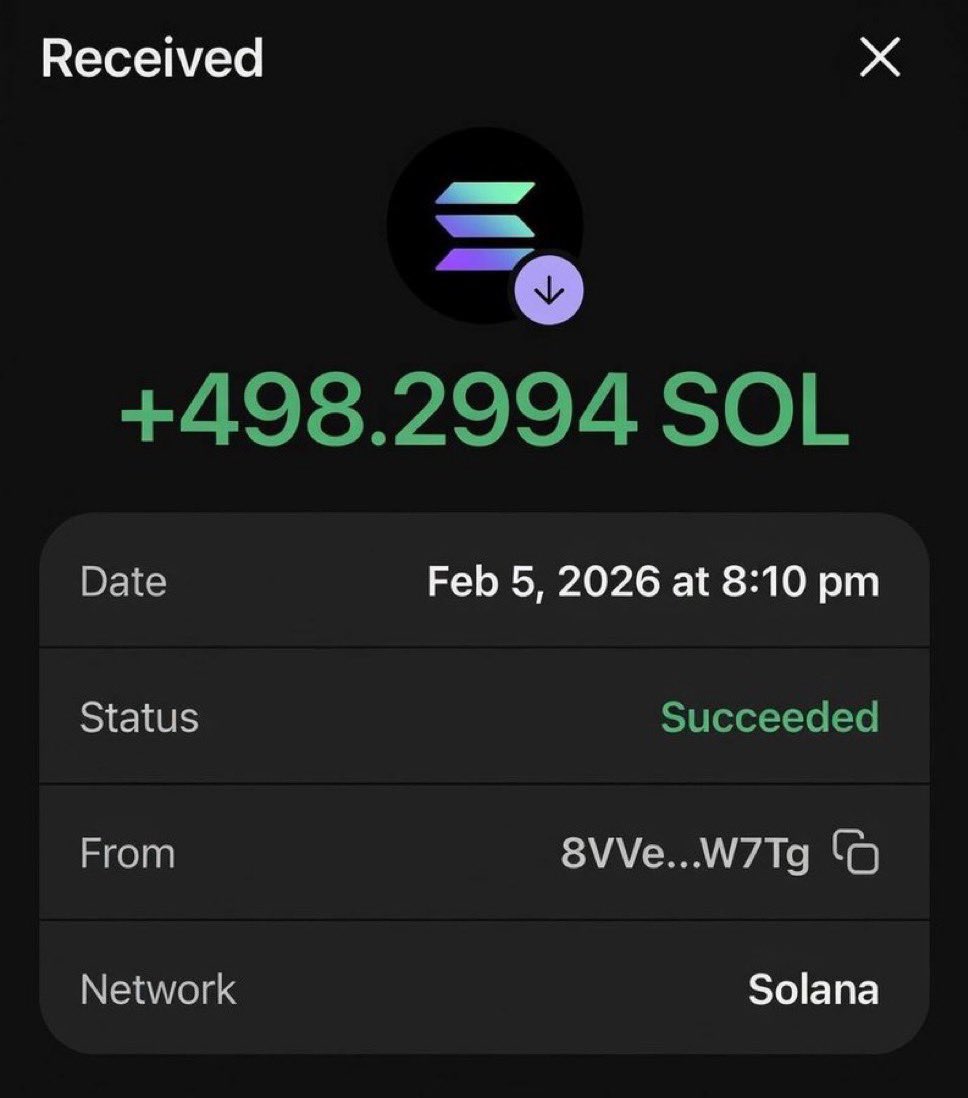
$SOL finally made me $1,500,000
Keeping my promise, I want to change someone's life
I'll send 500 $SOL (~$45,000) to one person by tomorrow
Just like, retweet, drop ur wallet
Random winner in 24 hrs
Modern day slavery starts with justifying regime change, slaughtering citizens, bombing a sovereign country in the name of preemptive measures.. #Khamenei#Iran#IStandWithIran
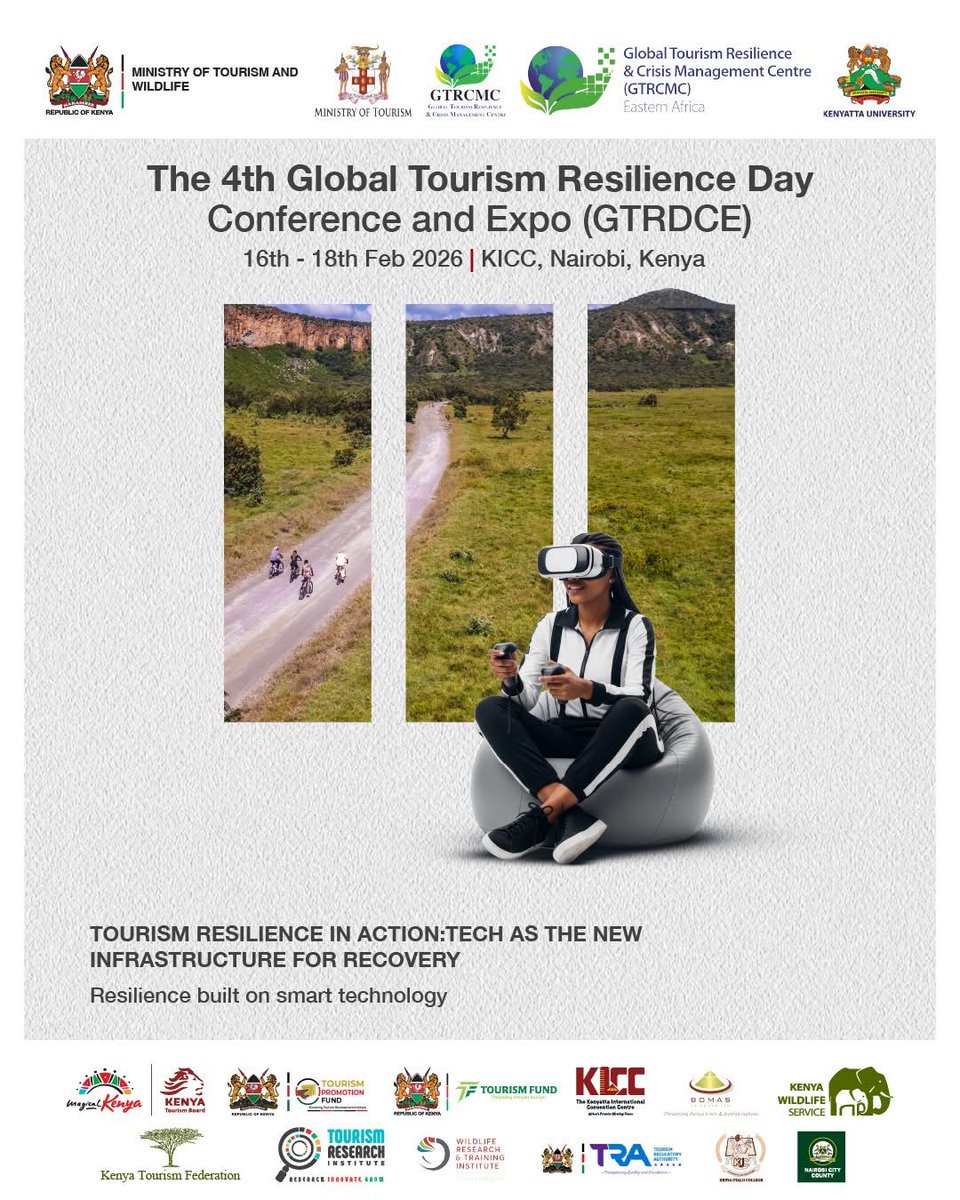
Tourism is one of the world’s most shock-sensitive sectors.
At #GTRDCE2026 in Kenya, Day 3 spotlights Innovation & Digital Resilience — where data, digital tourism systems, demand forecasting, skills development & research power recovery and crisis response. Stronger systems.
Tourism is one of the world’s most shock-sensitive sectors.
At #GTRDCE2026 in Kenya, Day 3 spotlights Innovation & Digital Resilience — where data, digital tourism systems, demand forecasting, skills development & research power recovery and crisis response. Stronger systems.