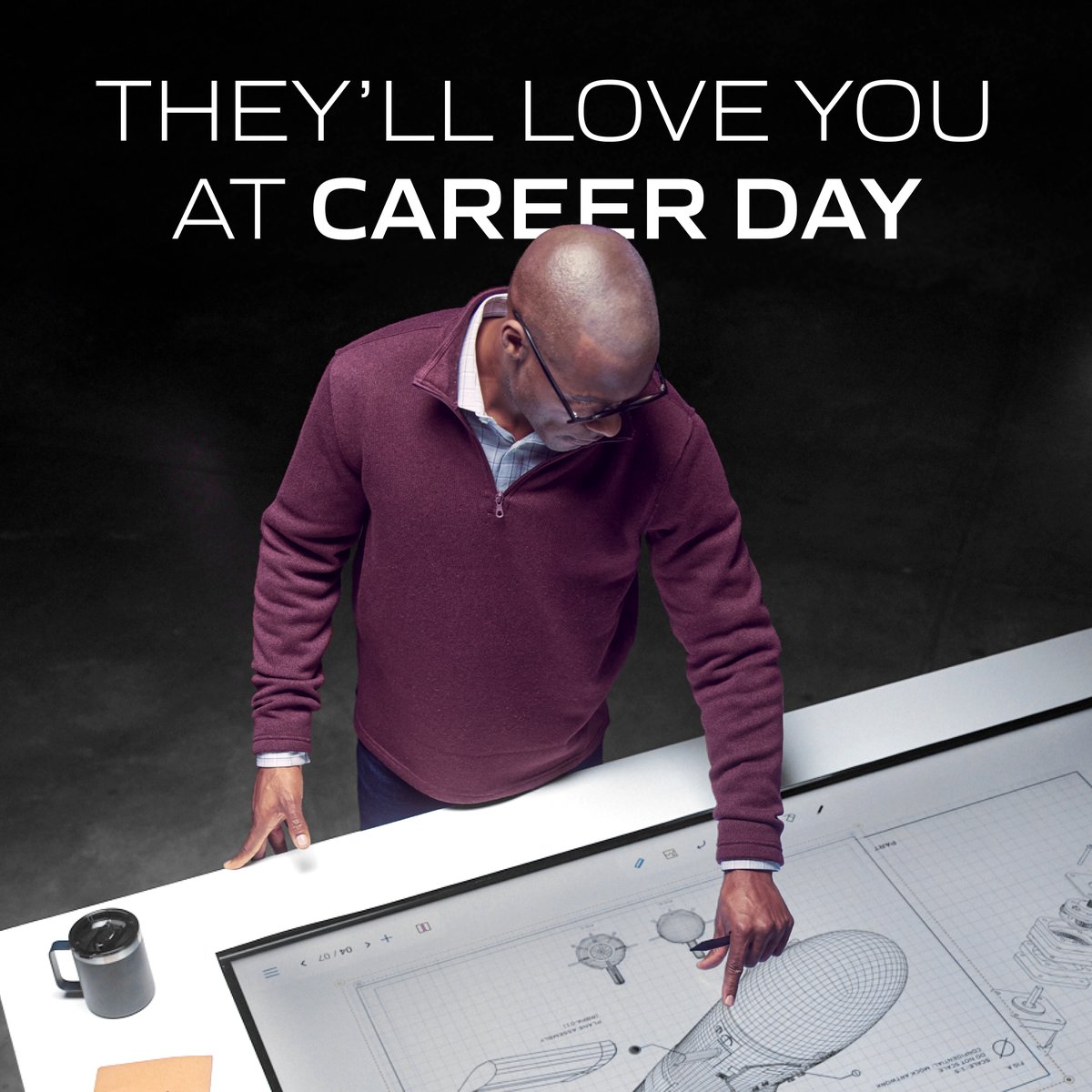
According to a new survey from SupplyHouse, 75% of Gen Z adults associate white-collar careers with burnout or job instability.
Enter: submarine building careers. It’s modern, hands-on work with results you can actually see.
Source: https://t.co/SaiGtTpHNb
From fabricator to engineer, Bryce Millar's journey at PCC-York shows where a career building submarines can take you. To recognize his dedication to shipbuilding, his name was featured on the https://t.co/hNo9GT7Bw9 car.
Discover open roles at https://t.co/hNo9GT7Bw9.
Shipbuilding isn't just another job on your resume. It's proof of skill, dedication, and a desire for meaningful work. That's the kind of experience people want to talk about.
Behind every submarine are the people who bring patience, precision and pride to their work. This National Manufacturing Day, we're celebrating the craftsmen who strengthen American manufacturing—one build at a time.
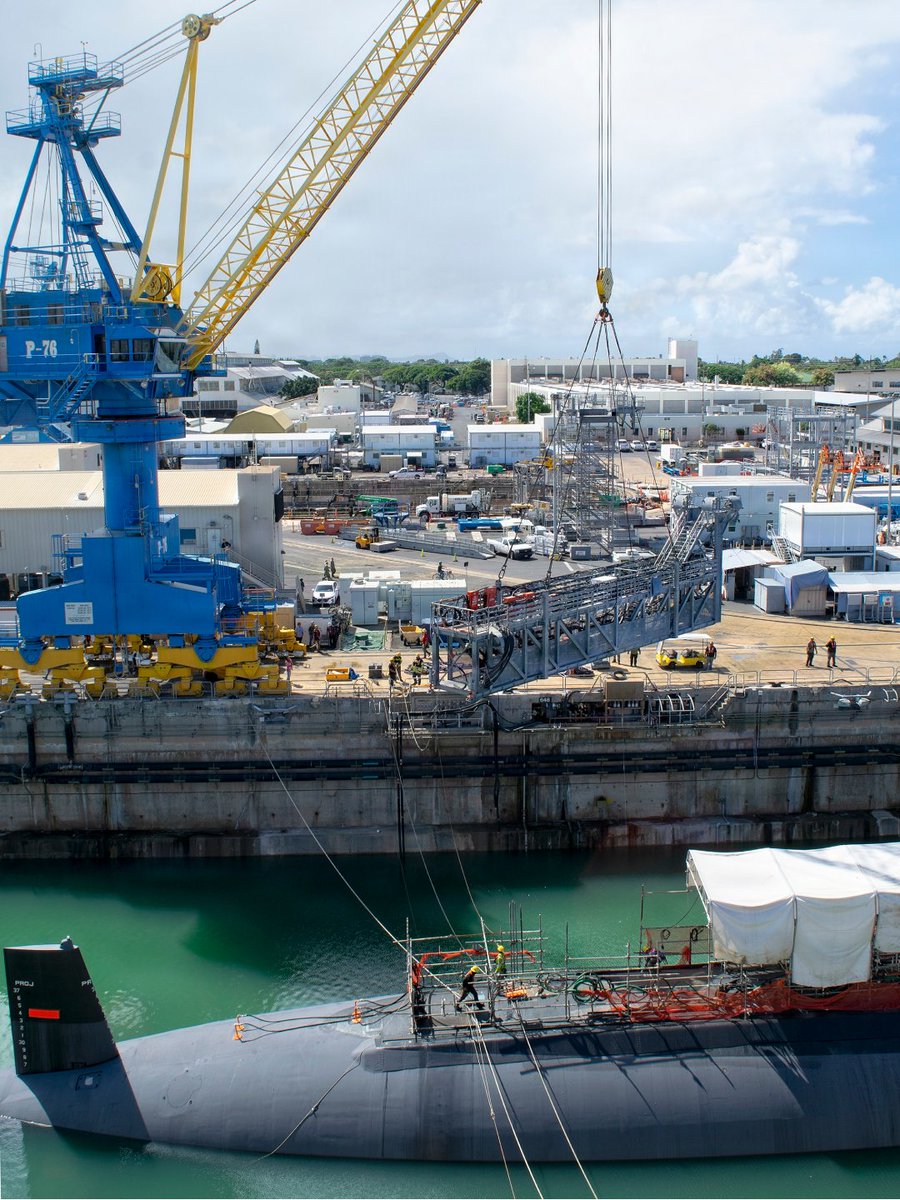
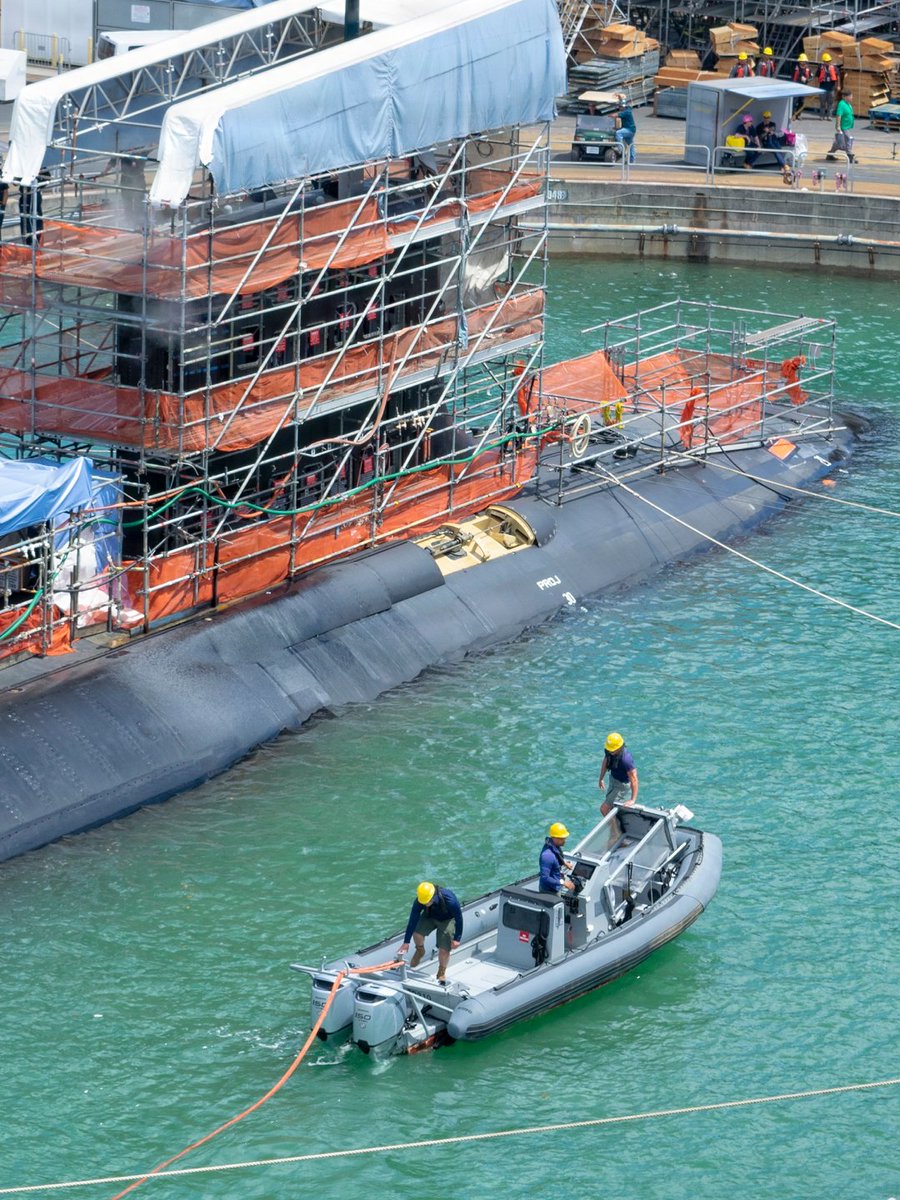
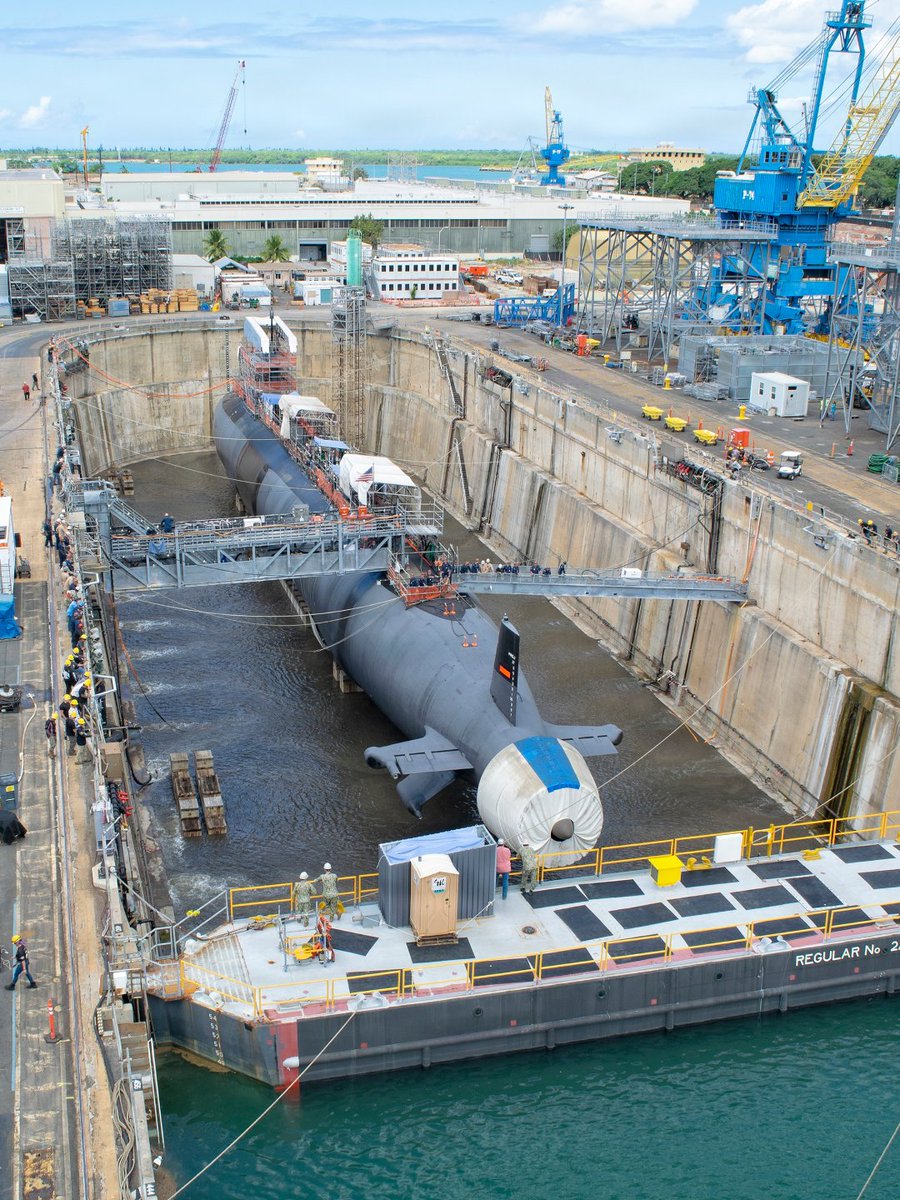
Pulling a submarine out of dry dock is no easy feat. It takes an incredibly meticulous system that must be executed perfectly and a team of people who know exactly what they're doing.
Meet Jim Pace, who builds submarines parts at @DynastyFab_. To commend a career defined by craftsmanship and excellence, we featured Jim’s name on the https://t.co/hNo9GT7Bw9 car. Explore careers at https://t.co/hNo9GT7Bw9.
1941 vs. 2026. The technology has changed. The standard hasn't.
Decade after decade, new welders, machinists, technicians, and more show up to learn the skills necessary to build nuclear-powered submarines.
For the teams maintaining the submarine fleet, "close enough" doesn't cut it. Every repair gets checked against the drawings. Every fix gets certified before it's trusted. Every crew signs off on the same standard. That's the job. And that's what keeps the fleet mission-ready.
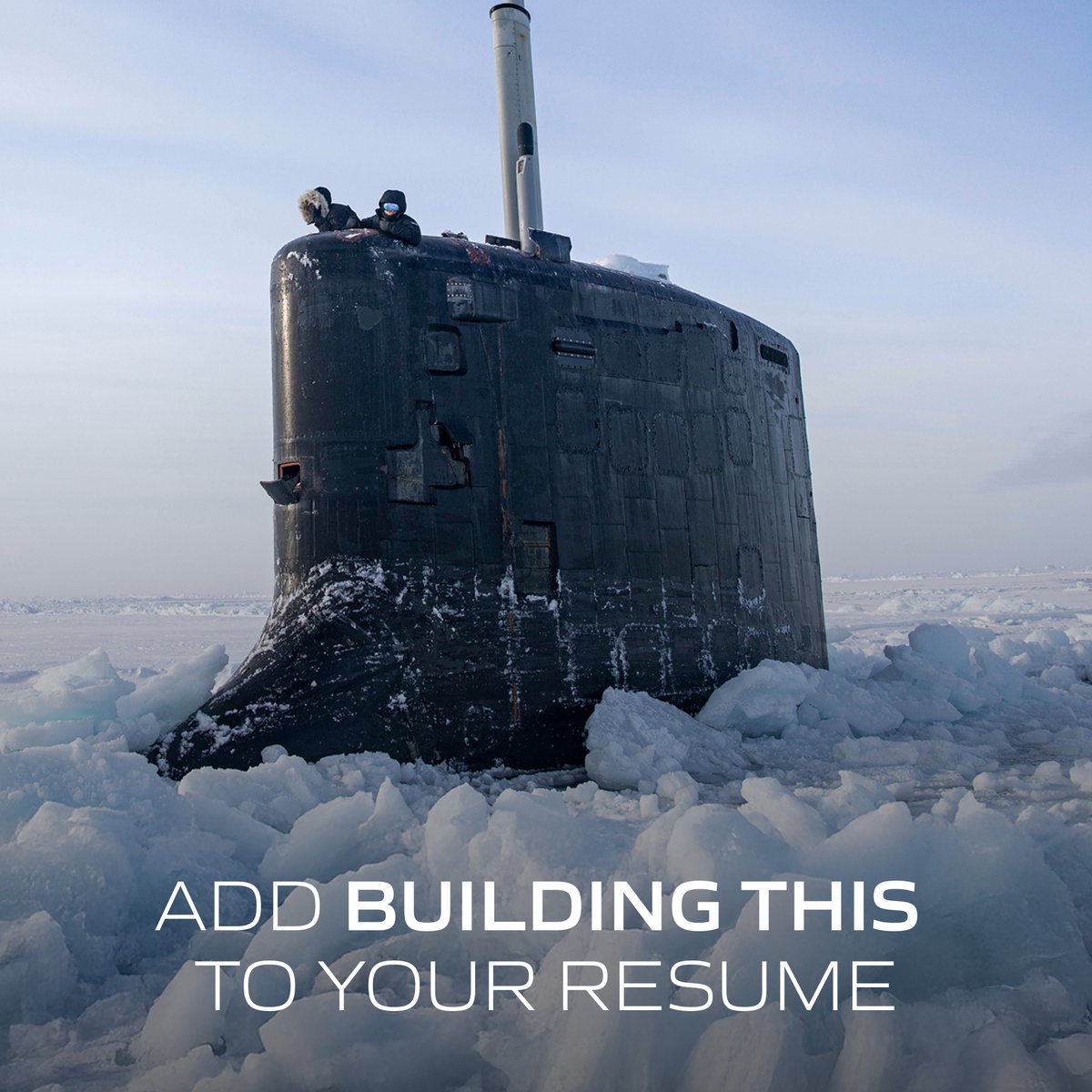
Building submarines is a career that carries real weight.
U.S. Navy Virginia-class submarines weigh roughly 7,900 metric tons—the same as 36 Boeing 747s.
If you think all shipbuilders do the same thing—think again.
Submarines are built by thousands of people across a wide range of roles—some you might expect and some you may have never heard of, but each role is as critical as the next.
Shawn Boyer is a third generation craftsman shaping the next-generation workforce. We featured his name on the https://t.co/nRgVhBLTIU car to recognize his impact.
Learn more about open shipbuilding roles at https://t.co/nRgVhBLTIU.
Take your pick from over 900 training programs across all 50 states.
Whether you're just starting out, switching careers, or sharpening your skills, there's a training program to help you grow your career in shipbuilding.
For 250 years, Americans have come together to build things that last generations. Today, that spirit lives in the thousands of people building the U.S. Navy's submarines. This Fourth of July, we celebrate the Americans carrying that tradition forward.
As the son of a U.S. Navy sailor, Richard Fecteau takes pride knowing his work as a composite machinist supports the brave Americans who serve our country. To honor his impact, his name was featured on the https://t.co/nRgVhBLlTm car. Explore open roles on https://t.co/nRgVhBLlTm