Hate is learned. Which means it can also be unlearned.
In a time where outrage is constantly rewarded, Mandela’s words feel especially relevant. The way we talk to each other, react online, and treat people outside our own circles shapes more than we realize.
It's easy to assume we understand people based on a single opinion, headline, or interaction.
But everyone is shaped by a different set of experiences—and that's usually more interesting than the label we put on them.
A little more curiosity and a little less certainty can go a long way.
We’re good at sharing disagreements, but not always as good at working through them.
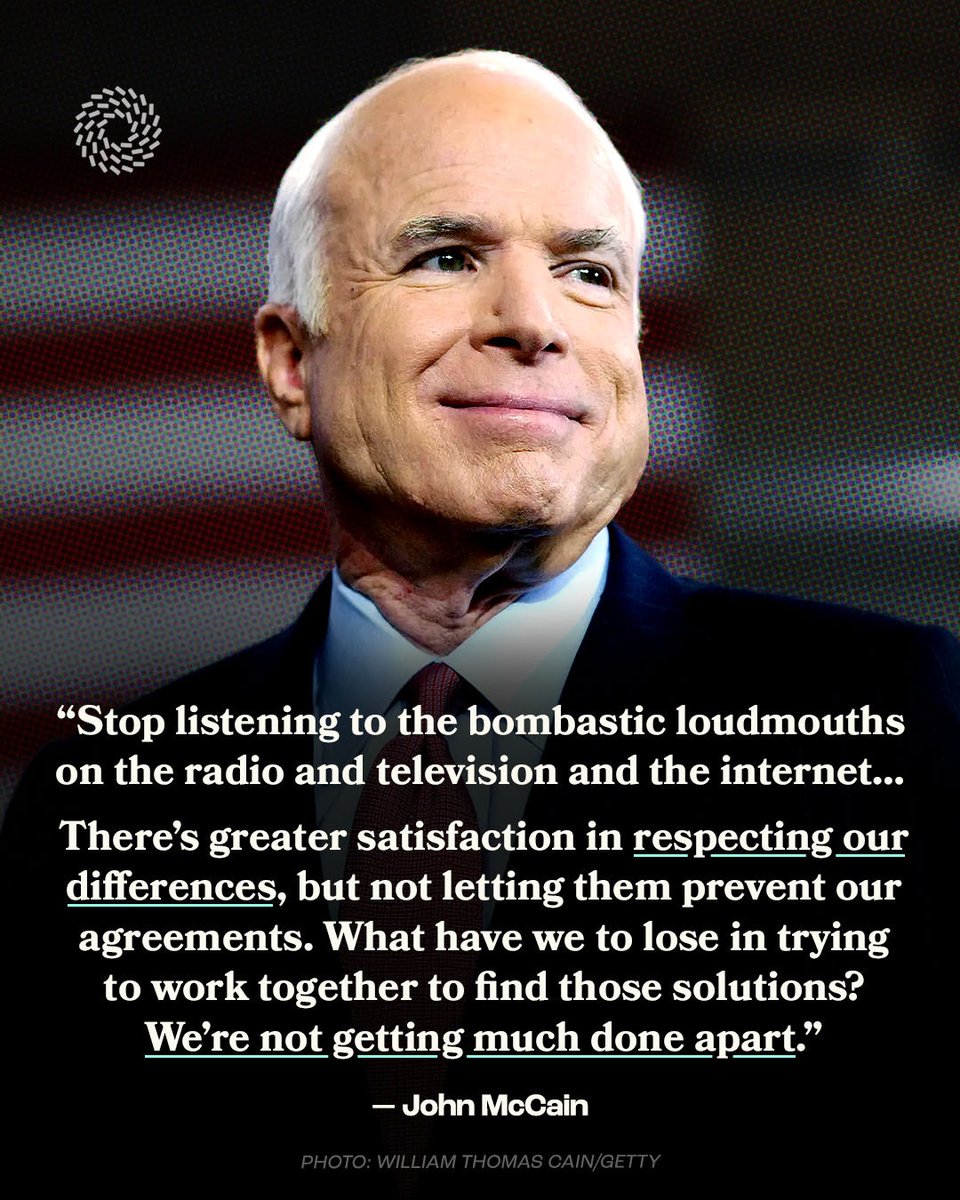
Differences are normal, but they shouldn’t stop us from making progress together. As John McCain pointed out, there’s value in respecting those differences without letting them block agreement.
The question is how we keep moving things forward, even when we don’t fully see eye to eye.
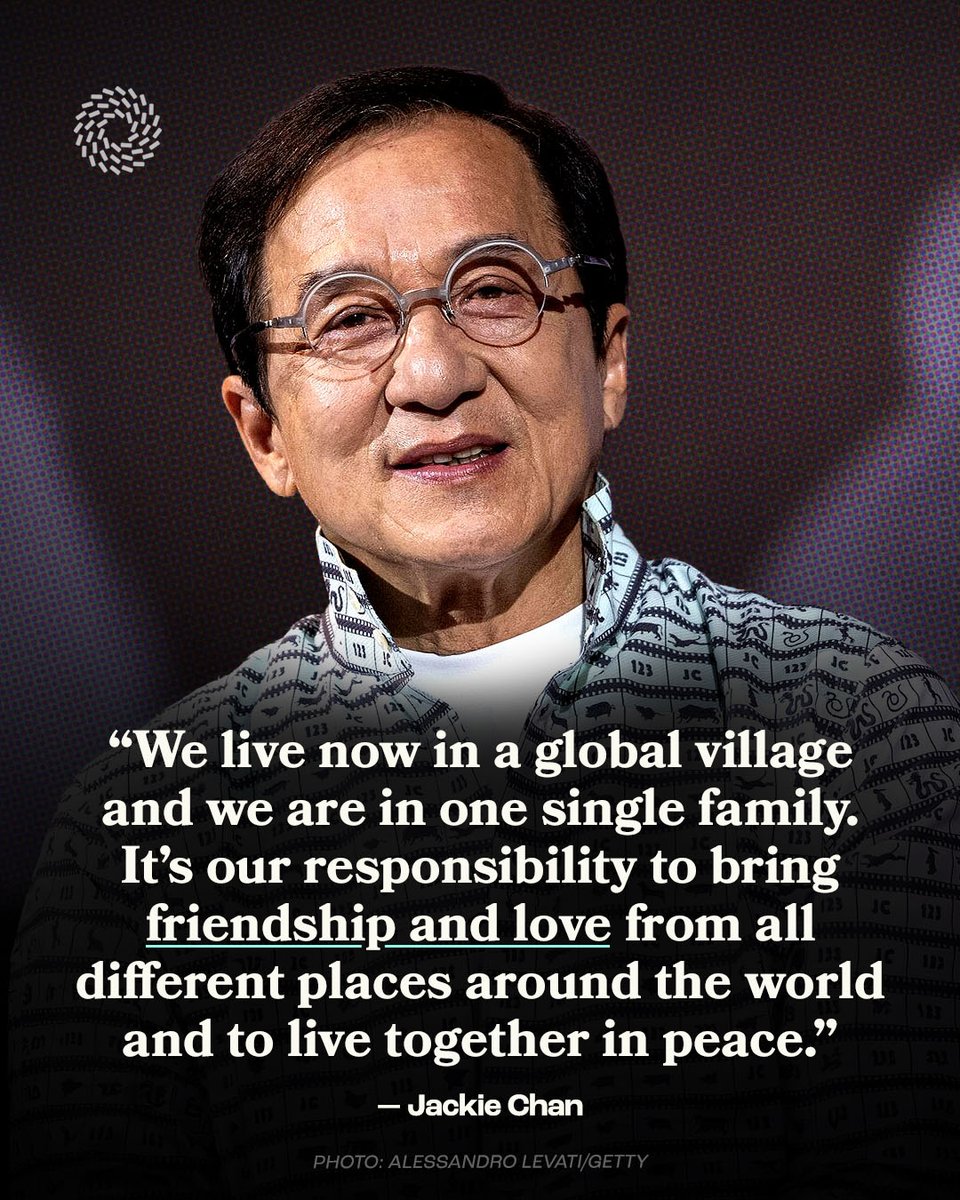
We’re more connected than we often act like we are. Borders and distance still exist, but the consequences of what we do—and don’t do—don’t stay in one place for long.
A “global village” only works if we treat people beyond our immediate circle as part of the same shared story, not as strangers on the outside of it. That’s less about agreement and more about responsibility: how we show up, how we respond, and what we’re willing to extend across difference.
What would change if we actually lived like we’re part of one family—not just in theory, but in practice?
We’re not going to agree on everything—that part’s just reality.
But the job isn’t to “win” every argument or stay perfectly aligned with a side. It’s to remember there are real people on the other end of every decision.
A strong society isn’t built on sameness. It’s built on the ability to live alongside people who see the world differently without letting that turn into contempt.
One of the hardest things to accept is that people can share the same country, community, or values and still see the world very differently.
The challenge isn’t eliminating those differences—it’s learning how to live with them without turning everything into “us vs. them.”
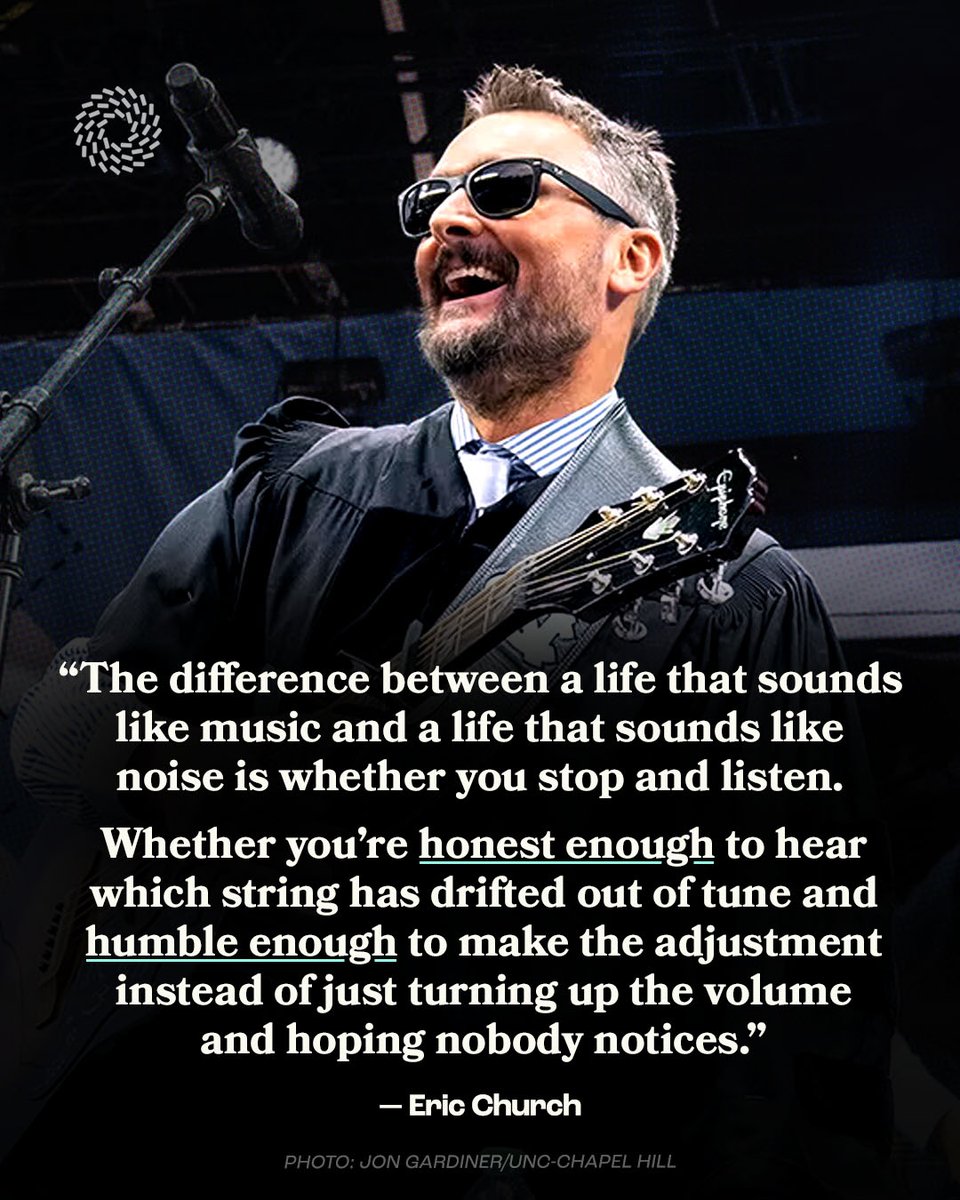
It’s interesting how much we reward certainty over self-awareness. In politics especially, there’s a lot of pressure to stay perfectly “in tune” with your side instead of actually asking what’s working and what isn’t.
Certainty looks like confidence, so it gets rewarded. Self-awareness is quieter, and can get read as hesitation. So people end up focusing more on staying aligned than on thinking things through.
Growth usually doesn’t feel exciting in the moment. It feels uncomfortable. Unfamiliar. Maybe even a little intimidating.
But the people and experiences that challenge you are often the ones that help you grow the most.
Comfort protects your ego. Challenge expands who you can become.
.@TomBrady
The smartest person in the room isn’t always the one talking the most or winning every argument.
A lot of the time, it’s the one who knows when to listen, when to pause, and how to treat people with basic respect even when they disagree.
Leadership isn’t about titles or big speeches—it shows up in what you choose to do when no one’s really keeping score.
Building something that wasn’t there yesterday. Standing up for someone who can’t. Bringing people together who stopped talking.
That’s what actually moves things forward.
Martin Luther King III is getting at something a lot of people already feel: disagreement is normal, but constant political warfare just keeps us stuck.
You don’t have to agree on everything to work toward solutions. The bigger question is whether leaders are more focused on solving problems or just beating the "other side."
A lot of the challenges we’re dealing with now don’t really stay contained within one country or one group. They spill over, connect, and affect people in different places at the same time.
That’s why the idea of shared human identity matters—not as something abstract, but as a practical way to think about problems that require cooperation to solve.
I was invited by my high school to speak about my father’s experience as a survivor of the Dachau concentration camp.
This was the first time in 40 years that I had gone back to Lee High School!
Standing in a theater filled with students and teachers, I shared a message that has only grown more important with time: the need to see the humanity in one another. My father held onto that belief throughout his life, even after surviving the unimaginable horrors of the Holocaust.
This Jewish American Heritage Month, I am reminded that his story is not about the past but about what we choose to do now so that such darkness won’t repeat itself. More so, we have an imperative to live every day with purpose, and to bring light to the world, in memory of all those who have suffered before us.
We are all connected, and we all share a responsibility to be builders and never lose sight of our shared humanity.
Thank you Lee High School for having me. It meant more than I can say.
#BeABuilder #JewishAmericanHeritageMonth
Most meaningful work doesn’t happen because people see everything the same way. It happens because they’re still able to find a way to engage with each other when they don’t.
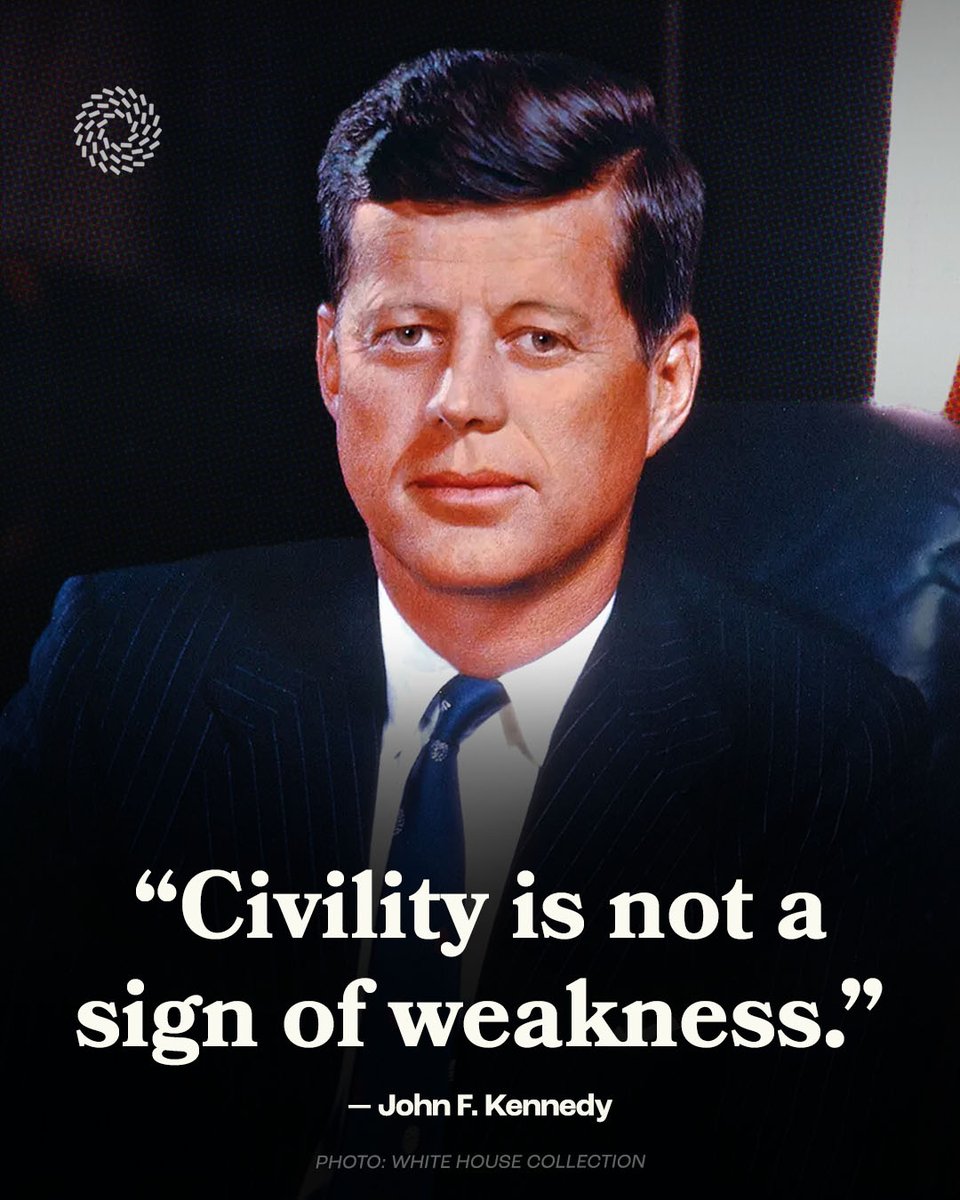
It’s easy to mistake restraint for softness, especially in moments when everything feels loud and reactive. But civility isn’t about lowering standards for truth or conviction—it’s about refusing to let disagreement turn into dehumanization.
Strength isn’t always the loudest voice in the room. Sometimes it’s the discipline to stay engaged without tearing things apart.
There’s something powerful about how people expand our perspective without trying.
Every person sees the world a little differently, and when we’re open to that, it stretches how we think and what we understand.
Familiarity is comfortable, but difference is what makes life feel bigger.
What’s a perspective that’s stayed with you?
It’s easy to stay in conversations where everyone already agrees with you. What’s harder—and more important—is staying curious when someone sees the world completely differently.
Not every conversation will change your mind. Some may frustrate you. But shutting people out guarantees we stop learning from each other altogether.
On Mother’s Day, it’s worth remembering that some of the most important things we carry into the world were first taught at home.
Acceptance. Tolerance. Bravery. Compassion.
Not just nice ideas, but values that shape how we treat people, handle differences, and show up when life gets hard.