@CRE_show@YouTube If you have the liquidity, where we are in the cycle might be a window of opportunity.
Explore who you trust and look for the right opportunity. Let me know if I might help?
Enjoy and prosper.
The conversation covers commercial real estate transaction volume returning to a 2018 and 2019 pace, how oil prices and a 10-year Treasury near 5% shape the interest rate outlook, reshoring and foreign capital flowing into US property, and why rising stock values are pushing more institutional dollars into real estate allocations.
https://t.co/EF6Cyuv53j
Holiday retail sales are forecast to grow 4.3% to 4.9% while retail space stays scarce. ICSC CEO Tom McGee joins Michael Bull, CCIM to share the latest on retail and retail real estate on this weeks show.
@TomMcGeeCEO@ICSC@CRE_show
https://t.co/6N9QoUmwER
Have you considered government leased investment properties?
Government Leased Real Estate: Occupancy, DOGE Impact, & GSA Leases with... https://t.co/Ovkr1bvBgk via @YouTube
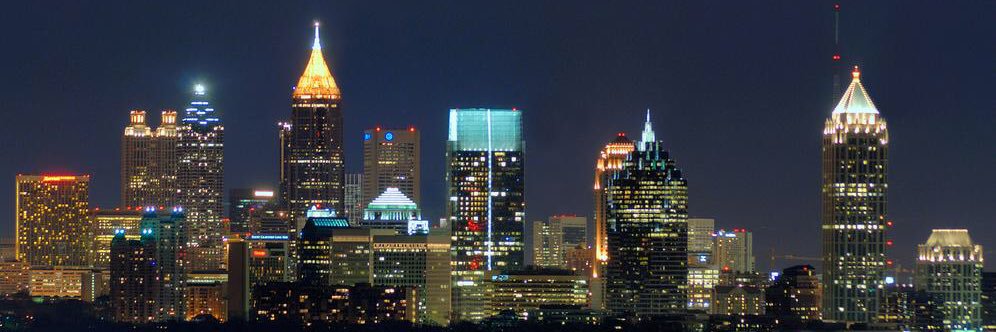
Atlanta
Economic activity grew modestly. Employment levels remained flat. Wages, costs, and prices rose moderately. Consumer spending and transportation activity expanded slightly. Residential real estate saw moderate growth and manufacturing was stable. Commercial real estate and lending rose at a modest pace. Energy activity grew moderately, and agriculture was mixed.
https://t.co/MjHZYsfLBE
Listed on a Friday. Hit market Monday. 4 offers Tuesday and 2 more Wednesday. Picked cash buyer Thursday. PSA executed Monday. Closed 38 days later.
Seller received a great price. The seller had a private reason for the accelerated process.
What can Bull do for you?
@Austin_Bull_CRE