@Jemma_Geoghegan & I wrote this piece on COVID origins & variants. Relevant for Omicron. Spoiler; until we look harder at the wildlife/human interface we are in the dark. Thanks @MichaelWorobey for insightful science; https://t.co/WZ7HYagVqF (paywall) & https://t.co/wHKKqLH6Sj
📢 Are you passionate about environmental conservation and developing future methods to monitor biodiversity using eDNA? Join our globally recognised TrEnD Laboratory team renowned for excellence in research and its cutting-edge facilities
https://t.co/KzEnRESAmp
@ChiefSciAdvisor@SimonKingham@DrAliC123 Has been a pleasure to collaborate on this forum and shoutout to the huge contribution of the Pmcsa. I will miss this room, the people and all of its mahi. 🧬🌊
Enric Sala (Nat Geo explorer) from Pristine Seas outlines his vision on how eDNA coupled with museum collections and natural history can result in baselines, MPA’s and smarter decisions. Great closing Plenary at USA eDNA workshop. 🧬🌊
🧬Excellent to be at the launch of the USA National eDNA strategy launch. Dr Jane Lubchenco, (Climate and Environment at the White House) who said (paraphrased): eDNA is no longer an experimental tool, eDNA is ready for national monitoring that is both affordable and scalable🧬🌊
🧬🌊River monitoring is key in making good decisions. There are some real challenges to river health in Aotearoa New Zealand. The development of eDNA tools can help a lot in this area. Check out our ‘Conversation’ piece on the TICI tool just published. 🧬🌊https://t.co/8fl91Z0ysj
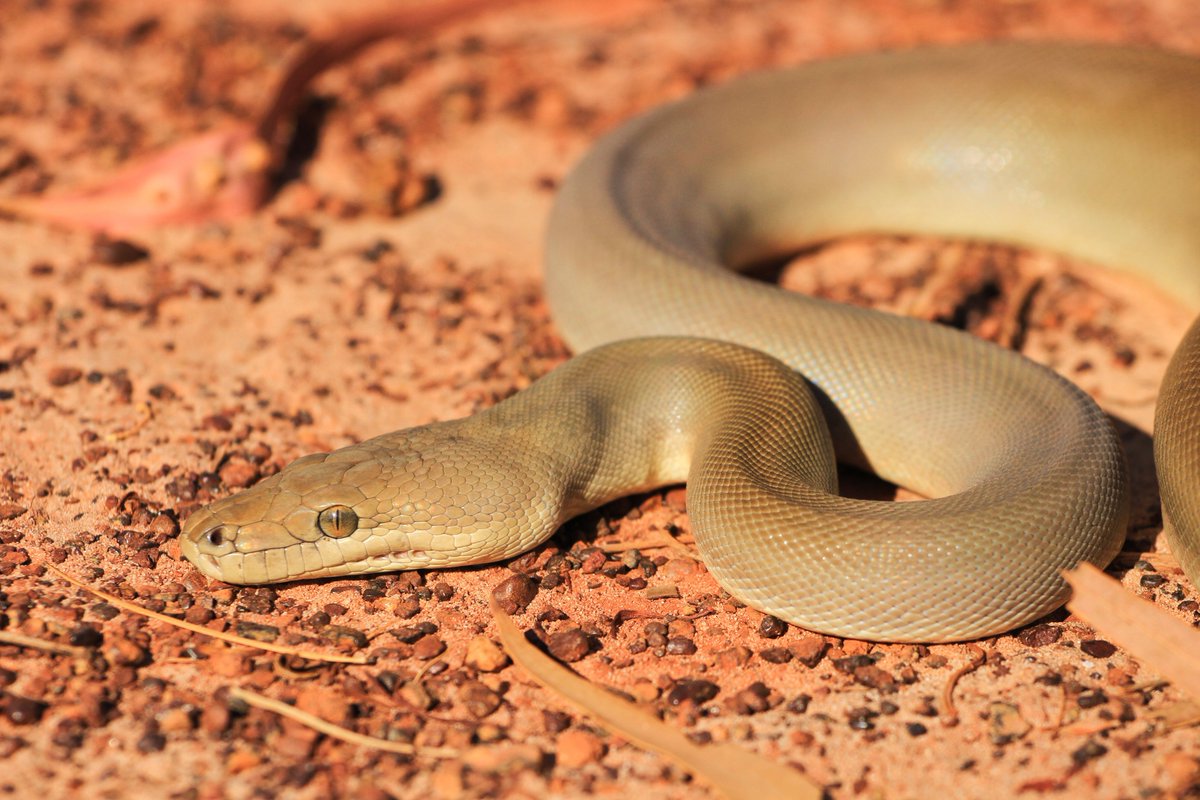
Reptiles and #eDNA don't often mix, but @mahsan64 and partners have shown that the elusive Pilbara Olive Python can be detected from rock pools using eDNA. Excellent collaboration between @Curtin_TrEnD, @eDNAfrontiers, consultants and industry #eDGES
https://t.co/jZYFFV2sKH
Forget mammoths, it’s “time for ancient DNA to sweat the small stuff”. @BunceDNA’s brilliant perspective piece in Molecular Ecology reminds us that big stories are hiding in tiny critters https://t.co/hZVAjDBezr
DNA on the fly! Check it out…… lots of endangered Australian natives and invasive species that are impacting biodiversity. Nice work @KristenFerns et al.
New paper out from my PhD work!
Use of carrion fly iDNA #metabarcoding to monitor invasive and native mammals 🦊 🦘🧬🪰
Read the media release here: https://t.co/7YBkcpZ5Kj
Article: https://t.co/MbfcKNKCgx
@Curtin_TrEnD
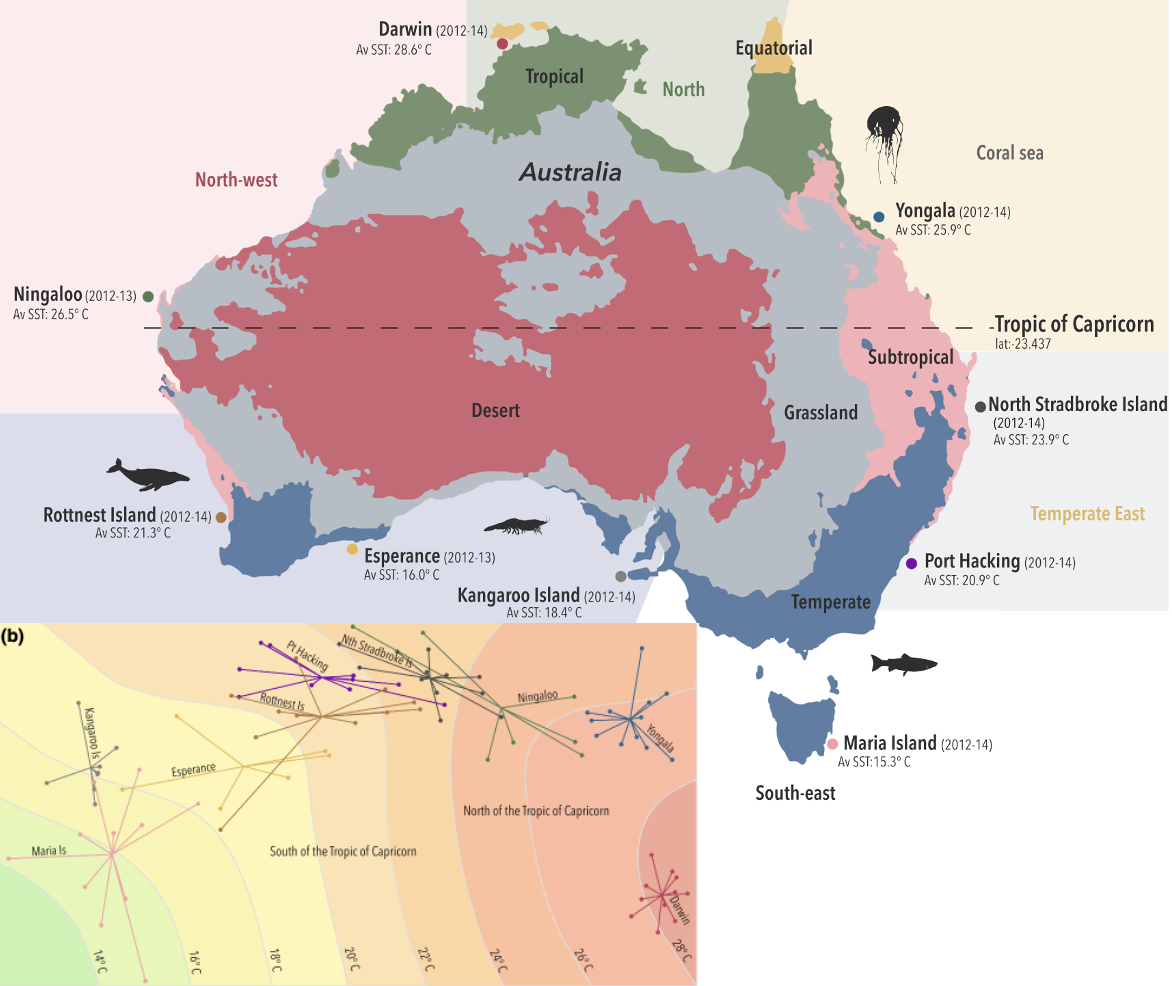
Want to travel all around Australia for 3 years and check out amazing ecosystems & marine species - including whales? Then check out Tina Berry's latest paper which uses temporal and spatial eDNA. thanks to @IMOS_AUS@Curtin_TrEnD and @CSIRO paper is at: https://t.co/4qKBH1Hi3j
Luckily, we brought in some experts to show you how to sequence a human genome in just 7 “easy” steps and have fun with it! Watch our full video here: https://t.co/NvAECnVYjp
Super important work building on @francis_thomsen ‘s 2019 work. Figuring out who is pollenating who is vital to managing ecosystems with a holistic lens. We need much more work in this area.
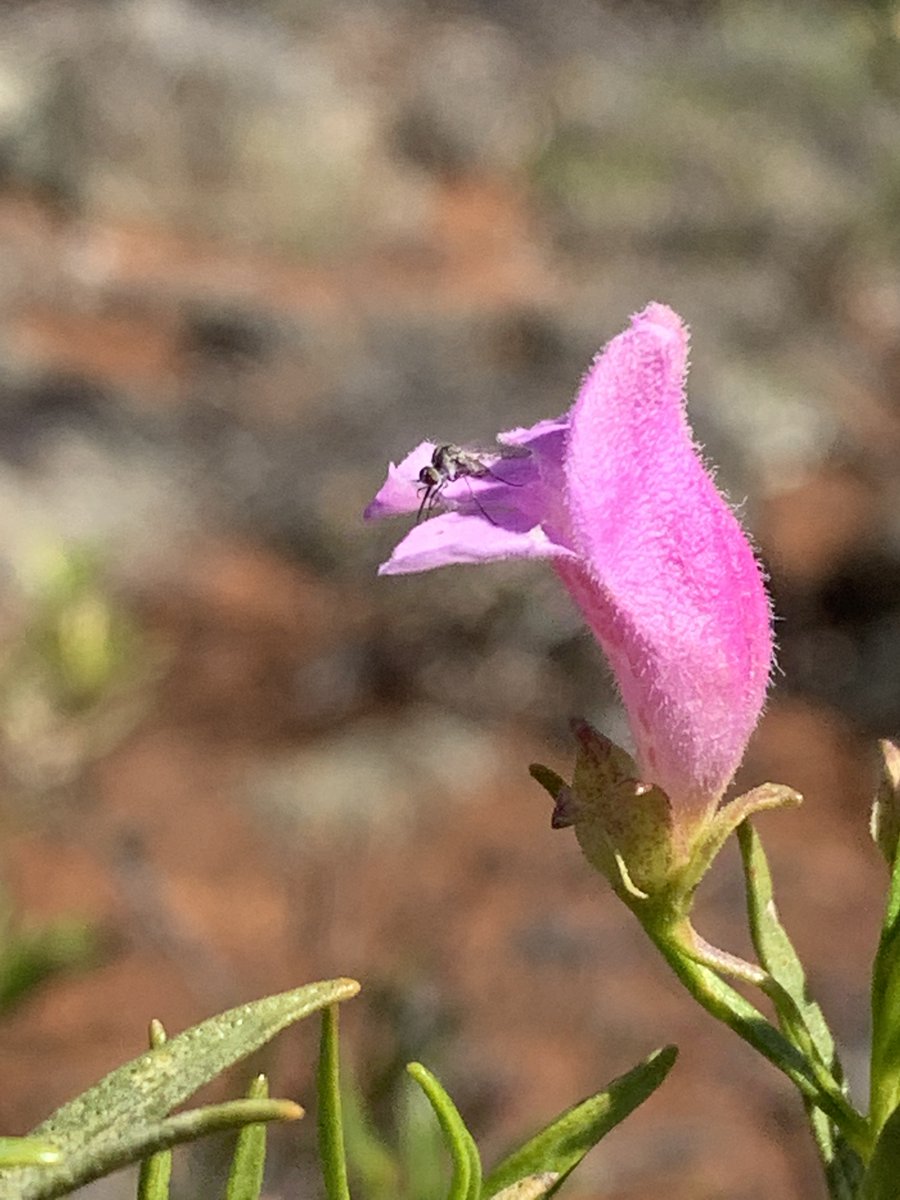
New @CurtinUni-led #research reveals the first eDNA study to detect mammal, insect, and bird #DNA on flowers! PhD candidate Josh Newton said the findings will help monitor plant-animal interactions.🐦🌺 @Acanthoplus Associate Professor Paul Nevill https://t.co/iTKWvxt5bS
Some ancient DNA projects fight hard to reveal their stories - this was a tough one to crack. This 🥚-cellent collaboration from @Curtin_TrEnD on elephant birds was a pleasure to work on, led by an amazing PhD student (now CSIRO postdoc) Alicia Grealy:👇 https://t.co/LZ1IuKK6ZN