Fascinating paper just published in Science.
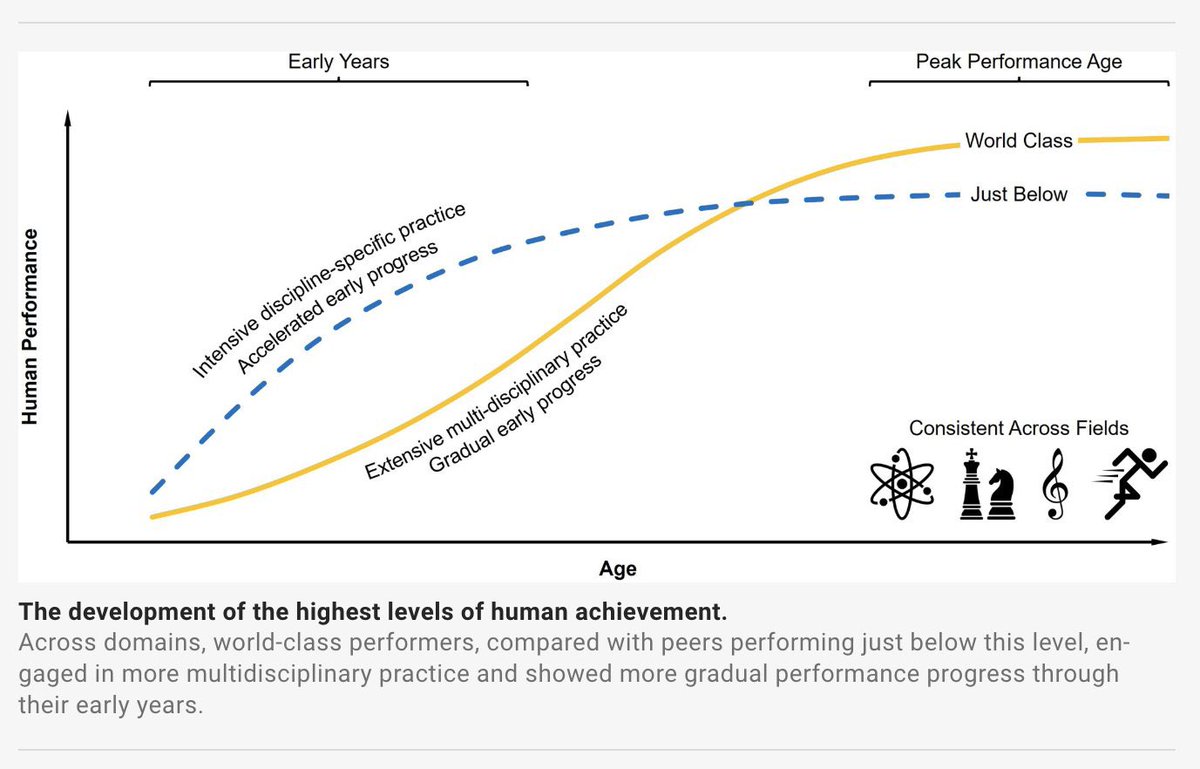
The authors analyze the career trajectories of top performers across multiple domains, including Nobel laureates, elite chess players, Olympic gold medalists, and more.
Their central finding challenges a common belief.
Intensive, single-discipline training at a young age does confer an early advantage, but this advantage fades over time.
By contrast, individuals exposed to multidisciplinary practice early in life tend to start more slowly. Yet, over the long run, they are more likely to reach world-class performance, eventually overtaking early specialists, who often plateau just below the very top.
An important reminder that breadth early on can be a powerful investment in long-term excellence.
Link to the paper in the first reply.
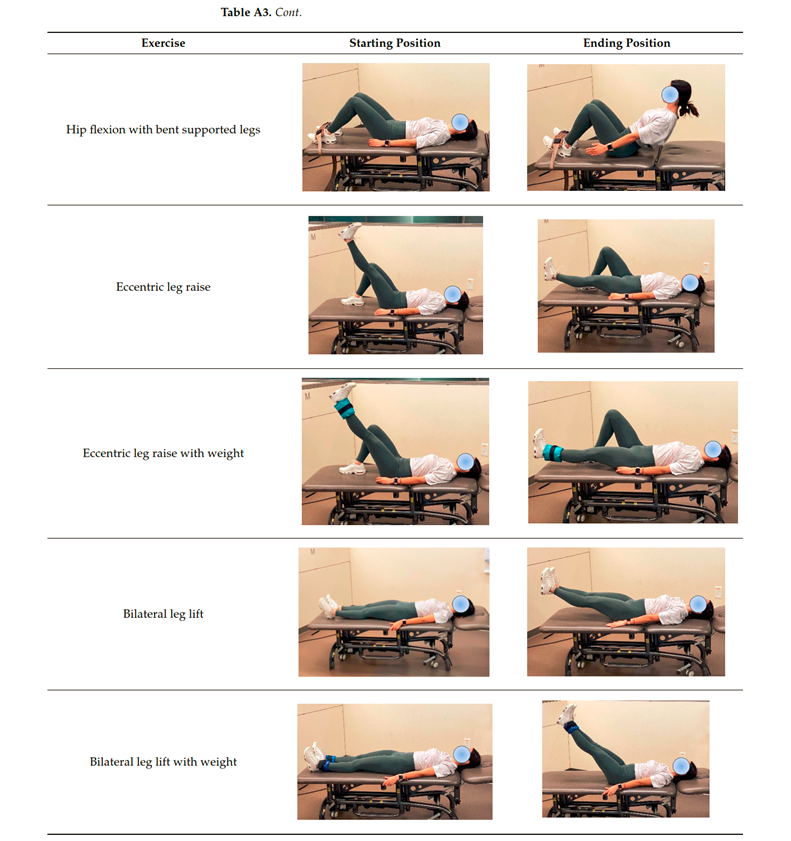
⚖️Progressive resistance training was not superior to neuromuscular exercise in patients with hip osteoarthritis ⚖️
Synopsis: https://t.co/FQGGvDcRp3
Commentary: https://t.co/hcHAJ1KjMi
@SterasNina @Dr_Sbattista
📅 Save the date ! Le 14 mai 2025, ne manquez pas le webinaire scientifique de l'IFMK ! 🔍
➡️ 2 experts, 1 invité surprise, networking et échanges au programme !
🎟️ Gratuit, mais inscription obligatoire : https://t.co/6kOQCww3L1
@kmcnabbphysio@Claire_Minshull@MMUPhysio_Res Congratulations! Well done for everything you do—so well deserved! It’s amazing to see your work being highlighted and made more accessible. Such great recognition for your research!
🎓 My first publication from my PhD is here!
📄 Free access: https://t.co/04nJmpQKgg
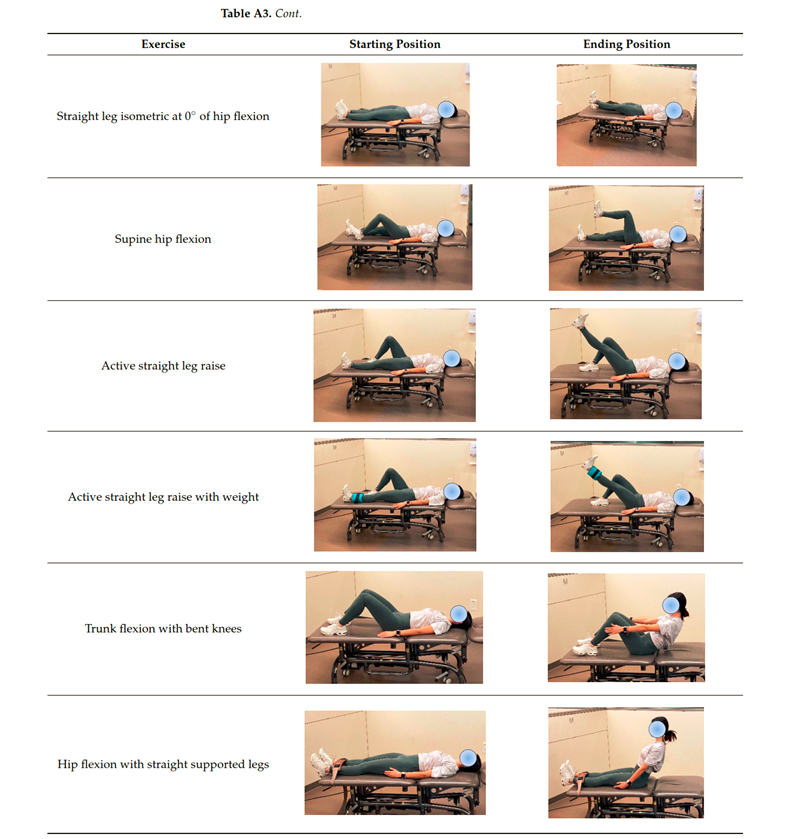
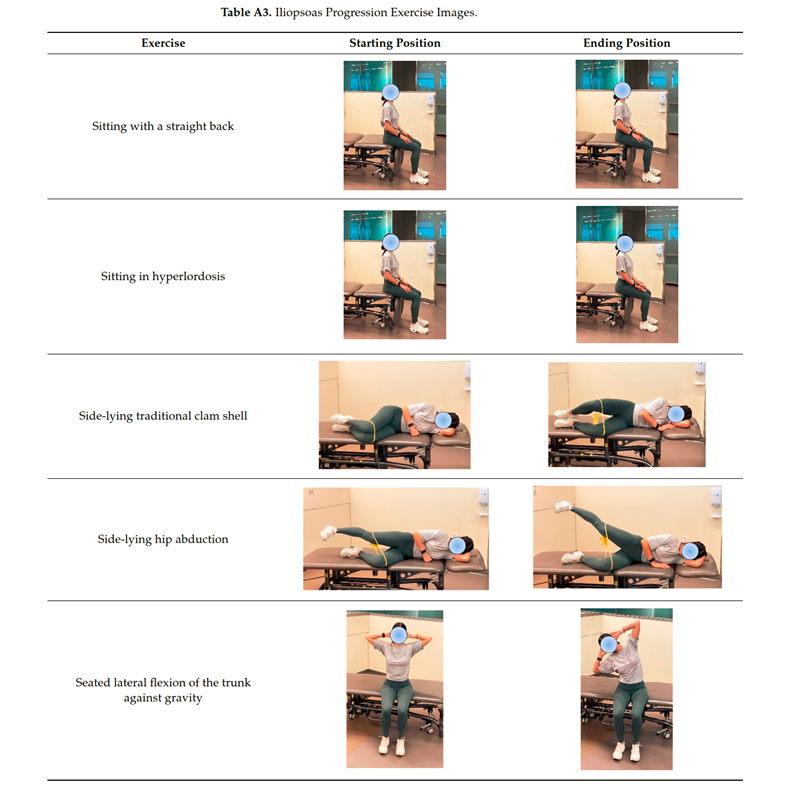
2.5 months after hip arthroscopy for #FAIS :
👉 Reduced hip rotation
👉 Decreased hip flexor strength
❌ No differences in functional task performance
#Yahir24#Hip#Rehab#PhD
Formation "à" et "par" la recherche à l'IFMK EF. Merci et félicitations à Marianne Rangström et Joévin Burnel de faire vivre l'expérience aux étudiants.
🆕 #AspetarTuesdayLecture
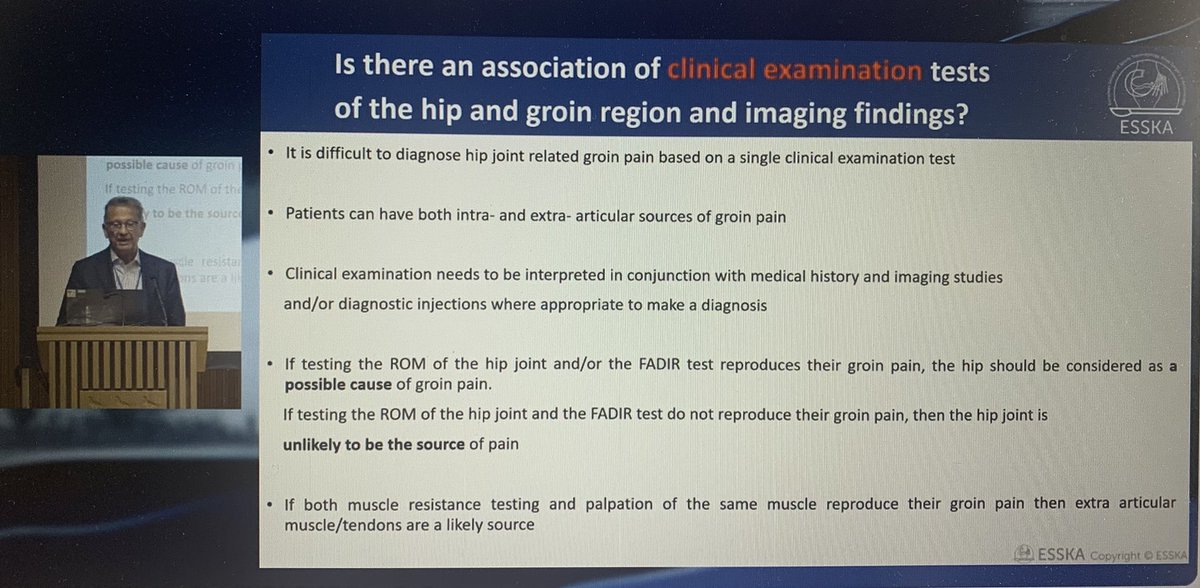
🎯 Contemporary Evidence for the Physiotherapy Management of Hip Pain.
🗣️By - Professor @JoanneLKemp
🔗Full Video 👉 https://t.co/9U92Q2tzg1
📢📢 Register to attend live sessions of Aspetar’s Tuesday Lecture Series 👉 https://t.co/WPUfX828tI
Séminaire de recherche - Mercredi 9 octobre 2024 à l'IFMK EF
Merci à #AnnabelleDERAM et #LudivineCANIVET de l'Université UFR3S Ingénierie et Management de la Santé (ILIS)
La réponse à la question "Pourquoi l'universitarisation de la formation des kinés ?" est désormais connue !
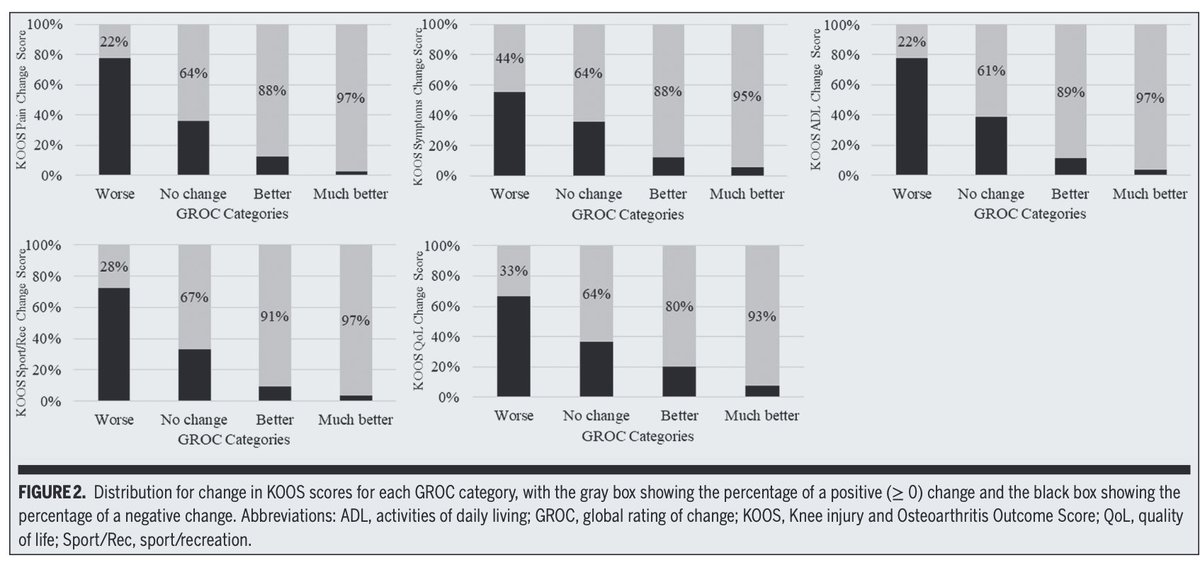
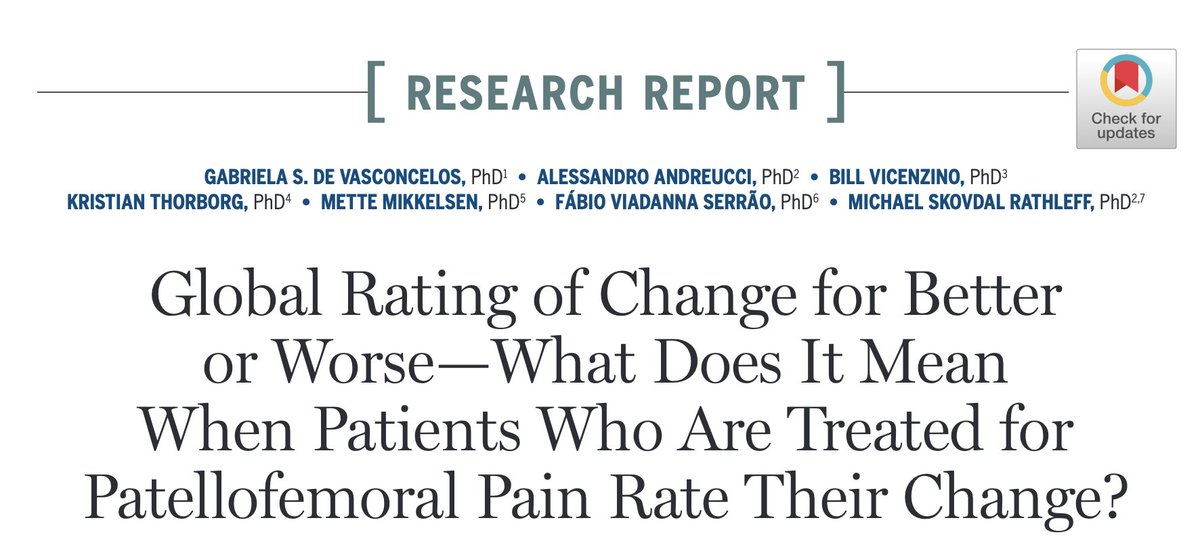
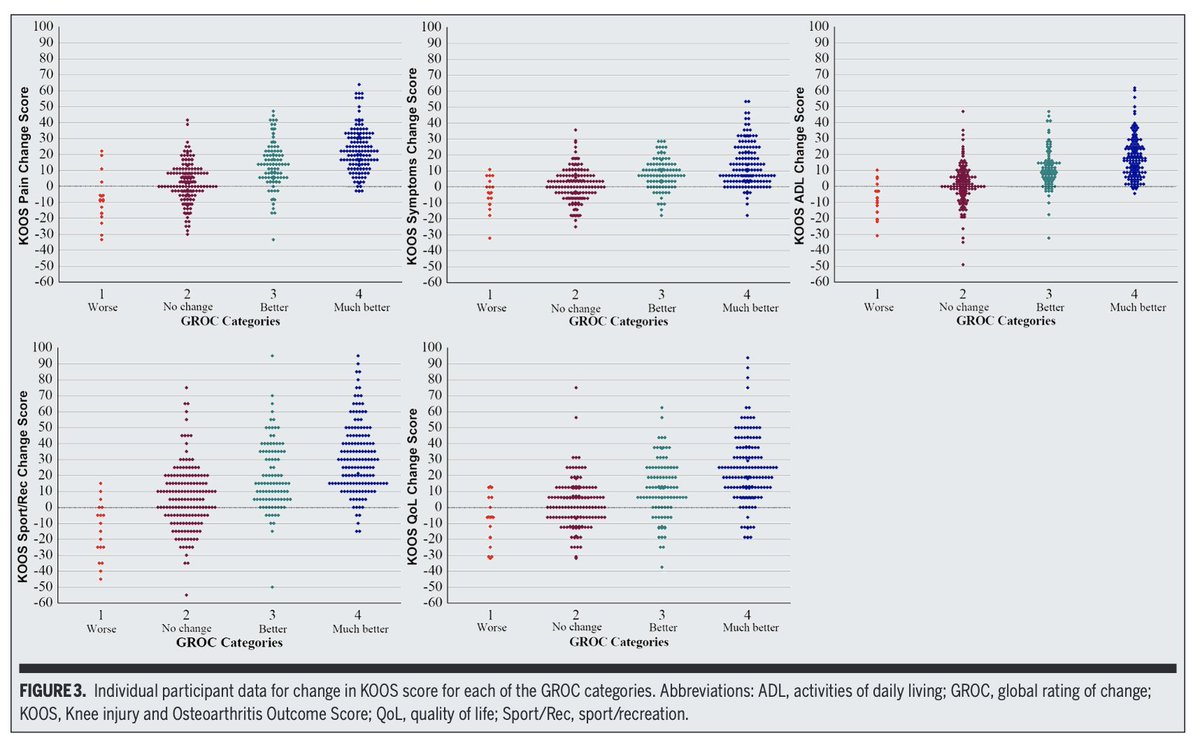
What does it mean when patients with PFP tell us they are "better" or "worse"? Top work led by @sv_gabrielaa in @JOSPT during her time in DK. Big sample, N=490 patients. Spoiler alert: "a bit better" should make us less confidant about positive changes. https://t.co/ILFSzhUzWm
Do patients’ preferences and expectations match clinical guidelines? A survey of individuals seeking private primary care for a musculoskeletal disorder https://t.co/g6zbxVLuOG
An exceptional keynote lecture from @katejoch@harvardmed
On Integrating psychological interventions into rehabilitation for patients with chronic hip pain
#Oxford#Athleteship24
⚠️ The ‘nervy’ business of T-junction hamstring injuries
NEW #BJSMBlog on why we should consider neural structures around the distal musculotendinous junction of the biceps femoris
🔑 #KeyPoints
- High rate of reinjury around junction suggests another factor may be present
- Ipsilateral trunk flexion being associated with injury could suggest there is neural contribution
Find out more ➡️ https://t.co/HE058TKmlU