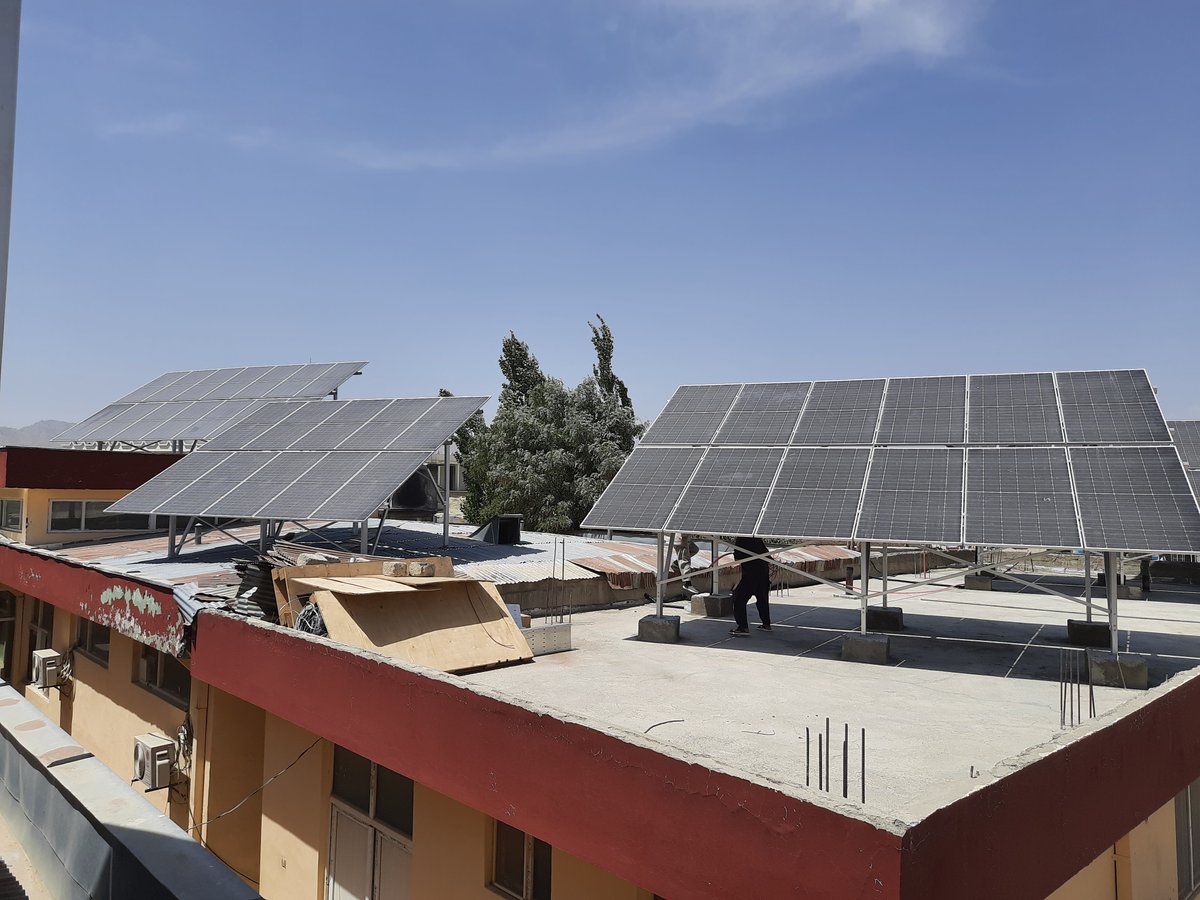
Only 33% of Afghanistan’s population has access to power, with rural access below 20%. Through SESEHA, UNDP-supported solar systems in 106 health facilities and 241 schools now provide reliable power to over 1.87 million people, 61% women.
https://t.co/Rx5U6WbYS1
#NowForClimate
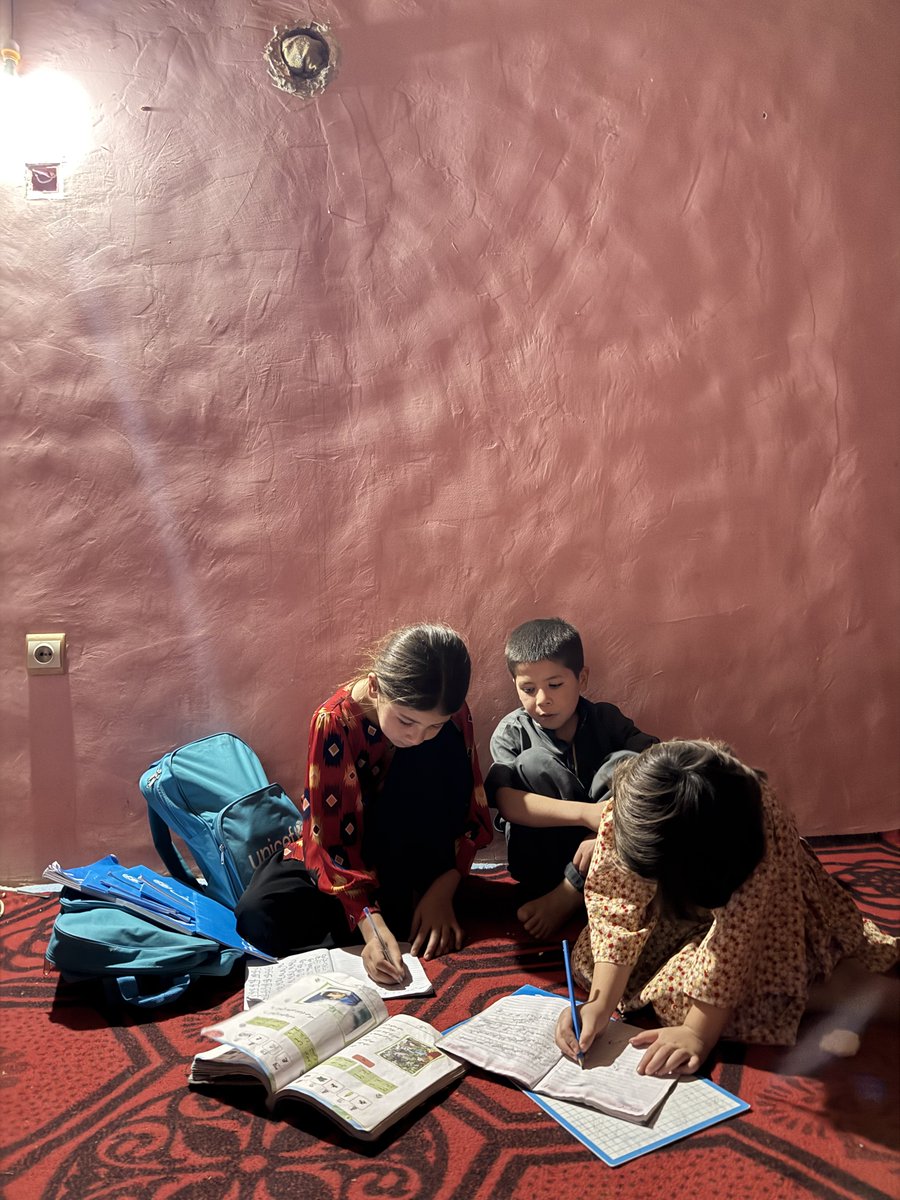
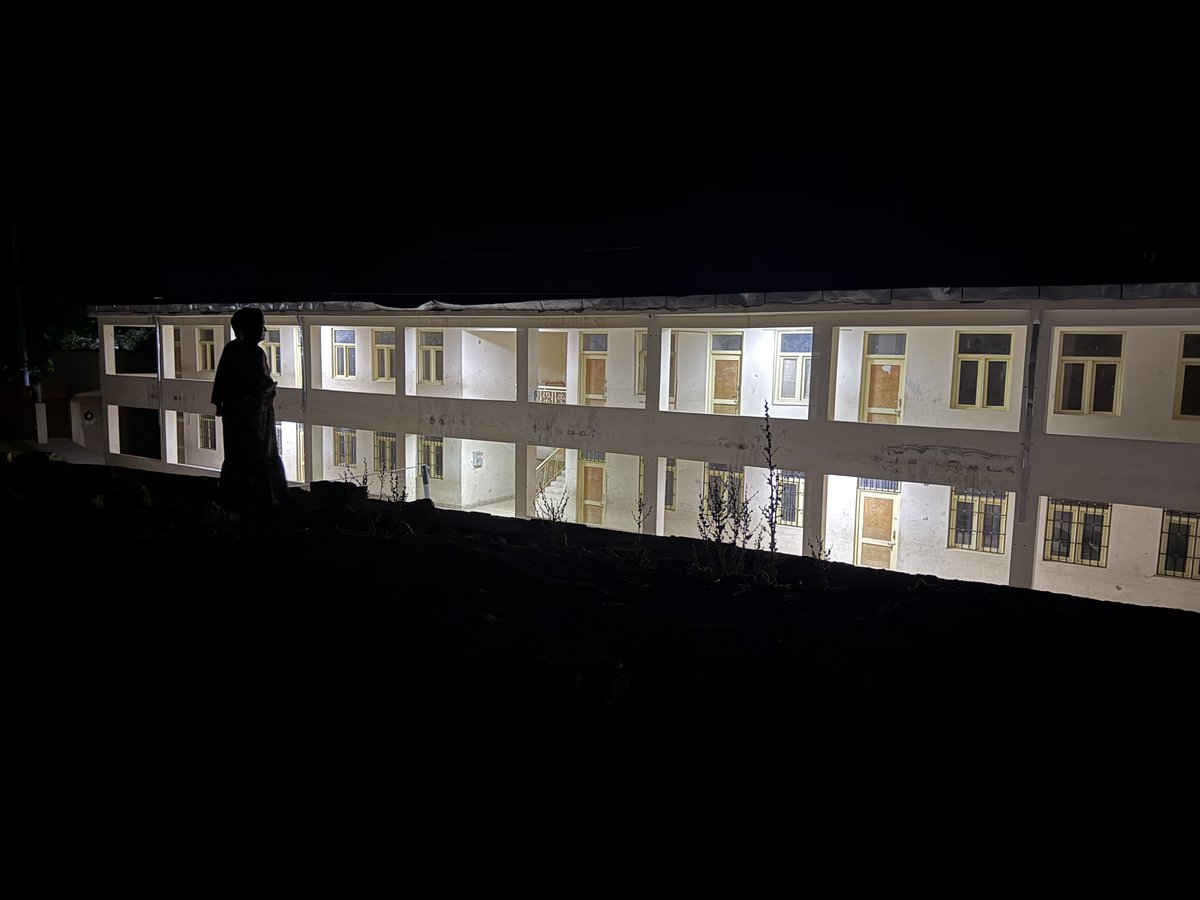
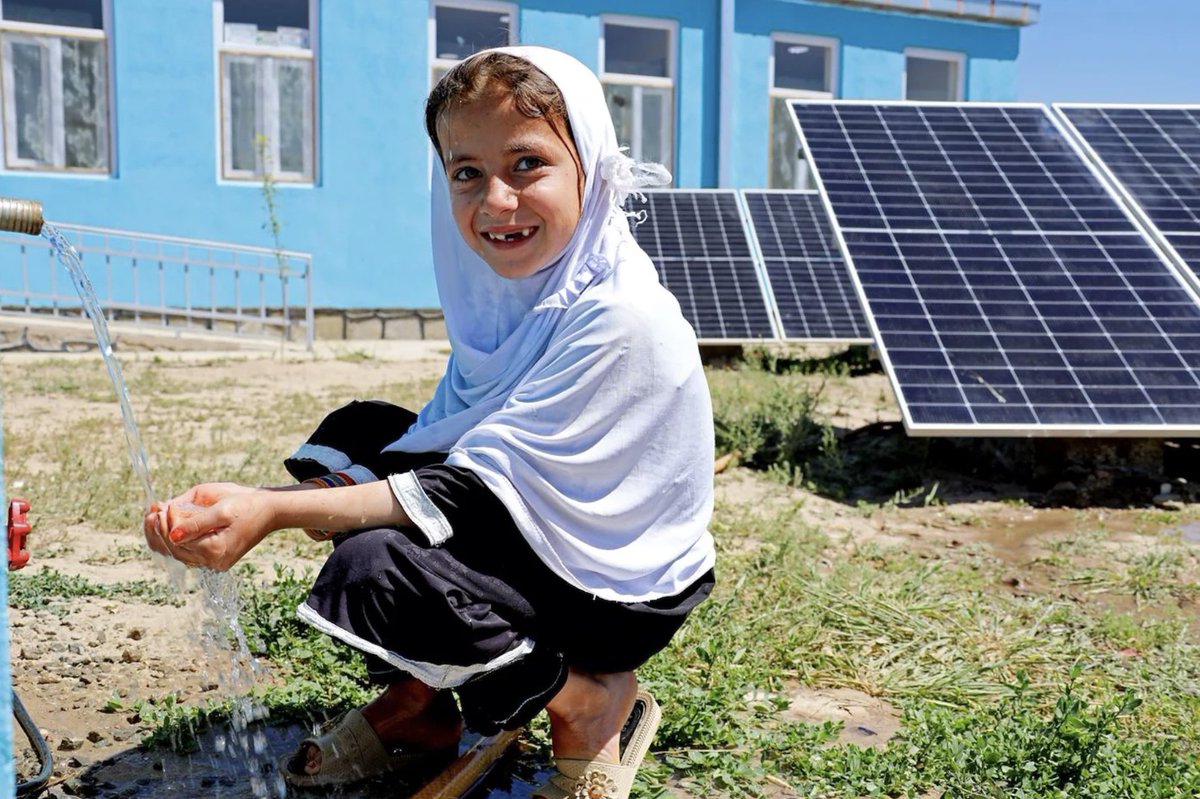
Every evening, the lights 💡from a small school on a hill in Laghman shine across the valley.
What was once just a school has become the heart of the community🫶—a place for learning, gathering, safety, and hope.
That's the power of access to energy and #SESEHA at @UNDPaf. @UNDP
In Laghman’s Sabarabad village, with support from UNDP’s SESEHA project, the school now serves 250 students, including 96 girls, and provides light, water, and phone charging for nearby families.
Read More: https://t.co/2a3Xrzygkd
Energy in Afghanistan.
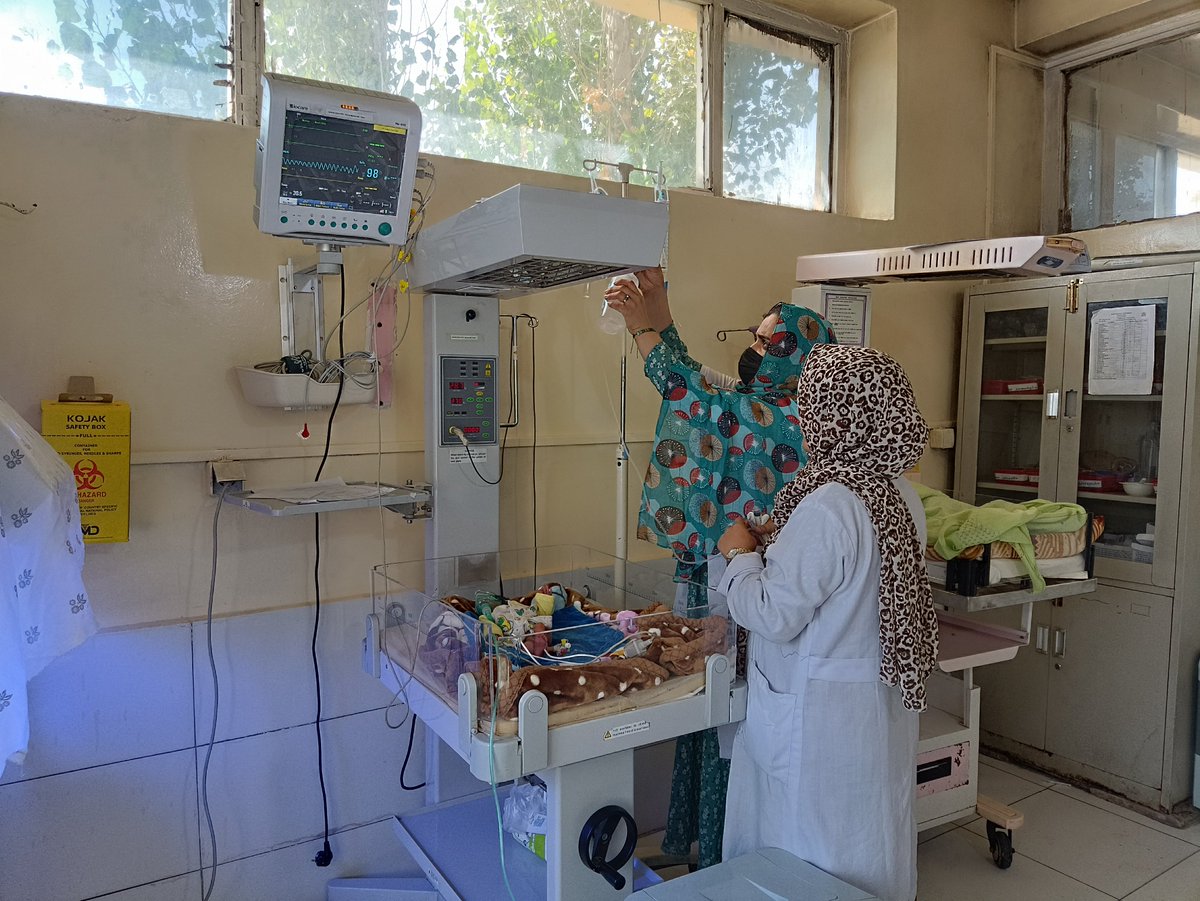
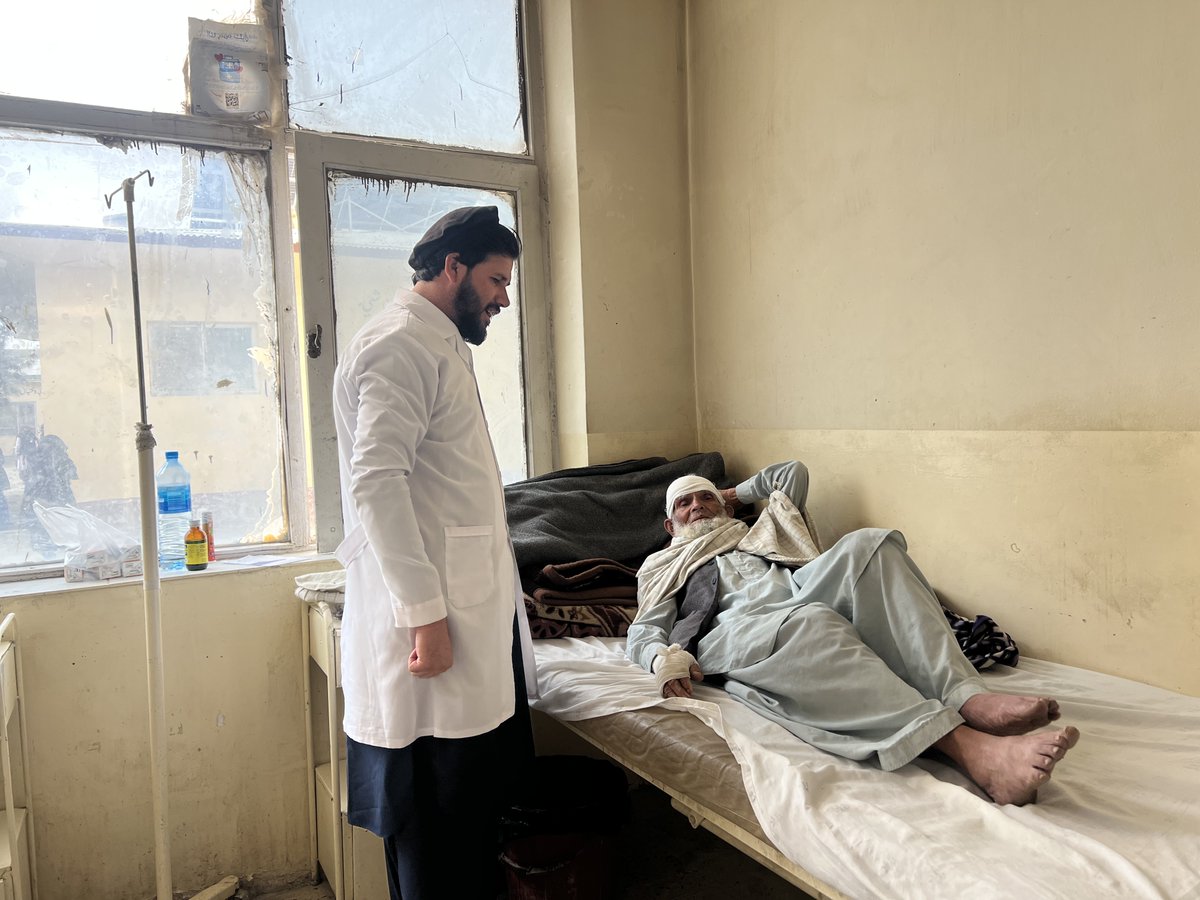
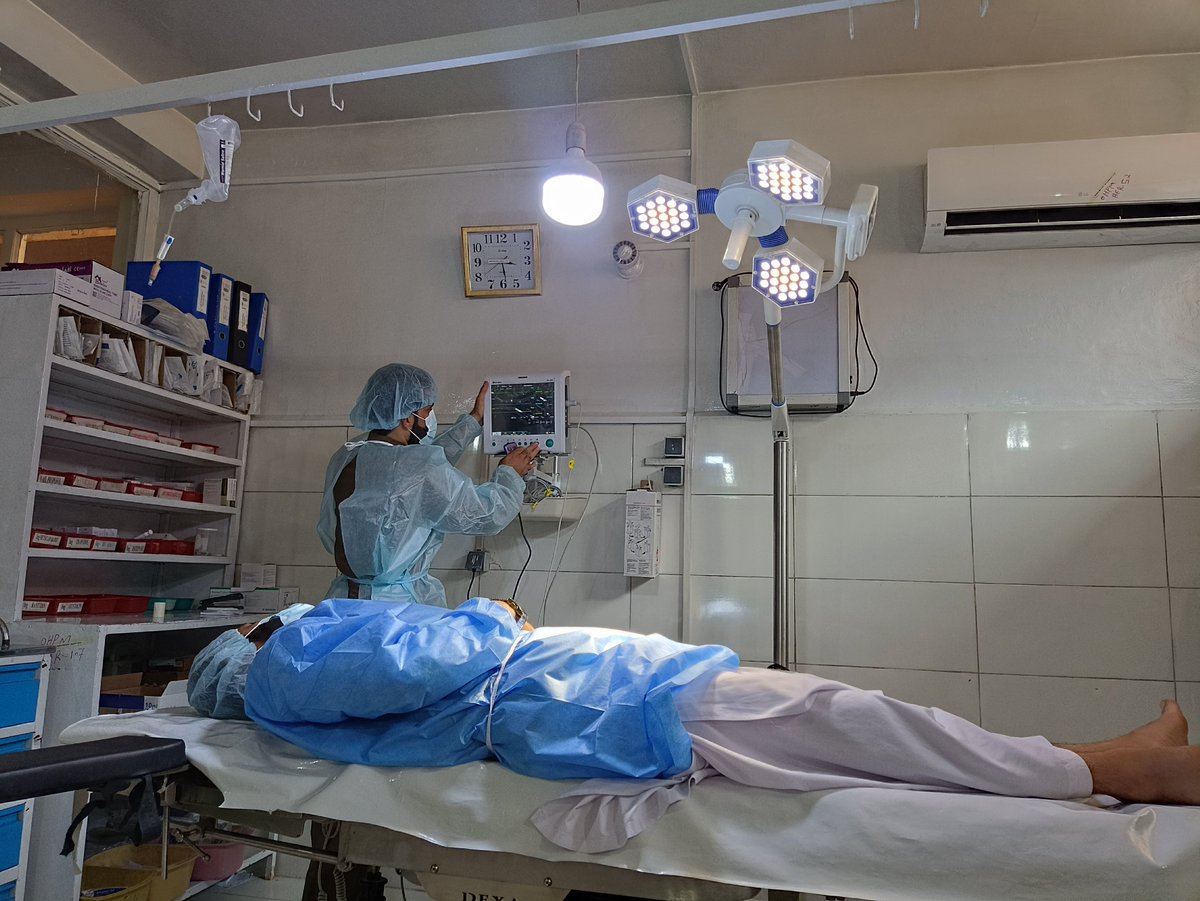
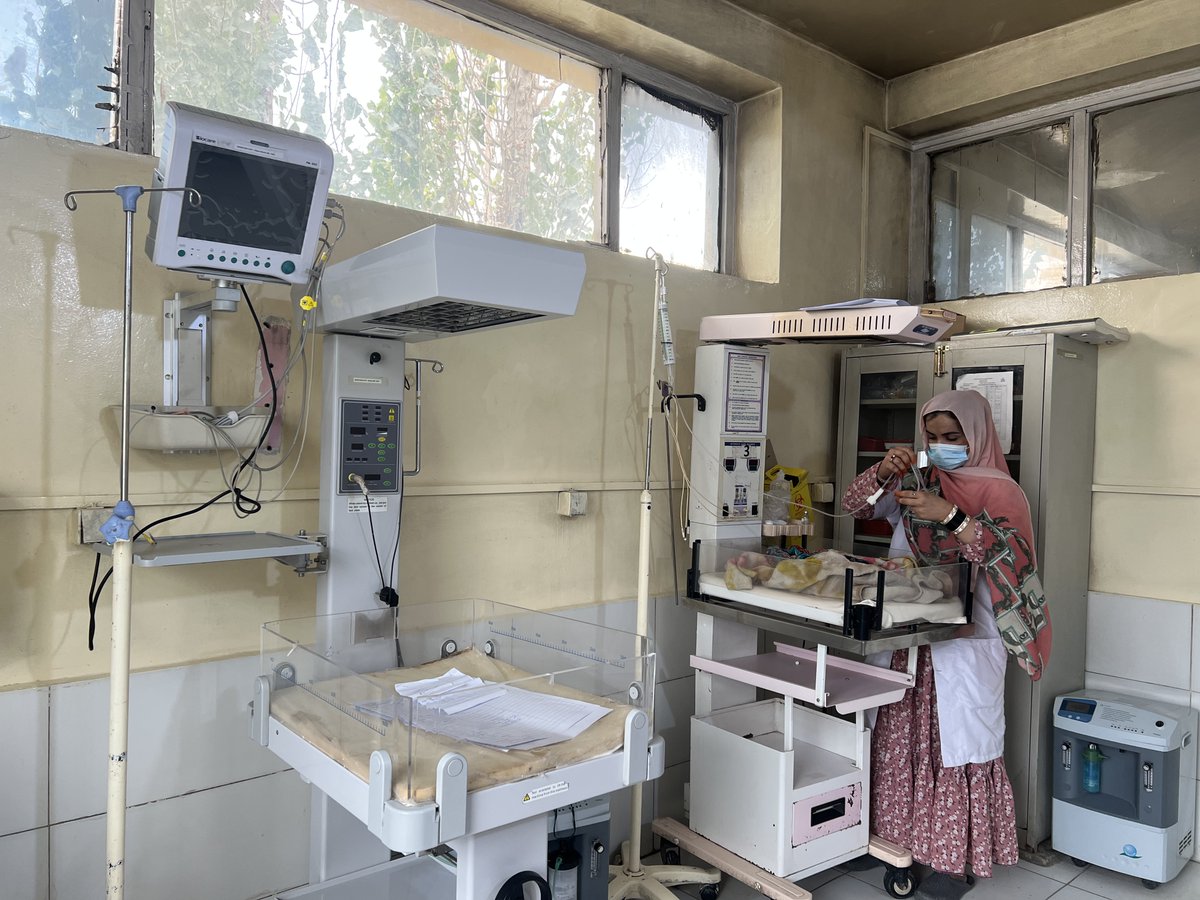
At Urgun District Hospital in Paktika, a 100 kW solar system is helping provide safer, uninterrupted care by powering operating rooms, delivery rooms, laboratories, vaccine refrigerators and neonatal warmers.
Read More: https://t.co/U7M3SKNQpg
Energy in Afghanistan
In Sare Kunda village, Samangan, solar energy is transforming daily life for women & families. Through UNDP’s SESEHA project, reliable electricity now powers Khadijatul Kubra Girls’ School & supports 18 nearby households.
Read More: https://t.co/EVPUHfTqD4
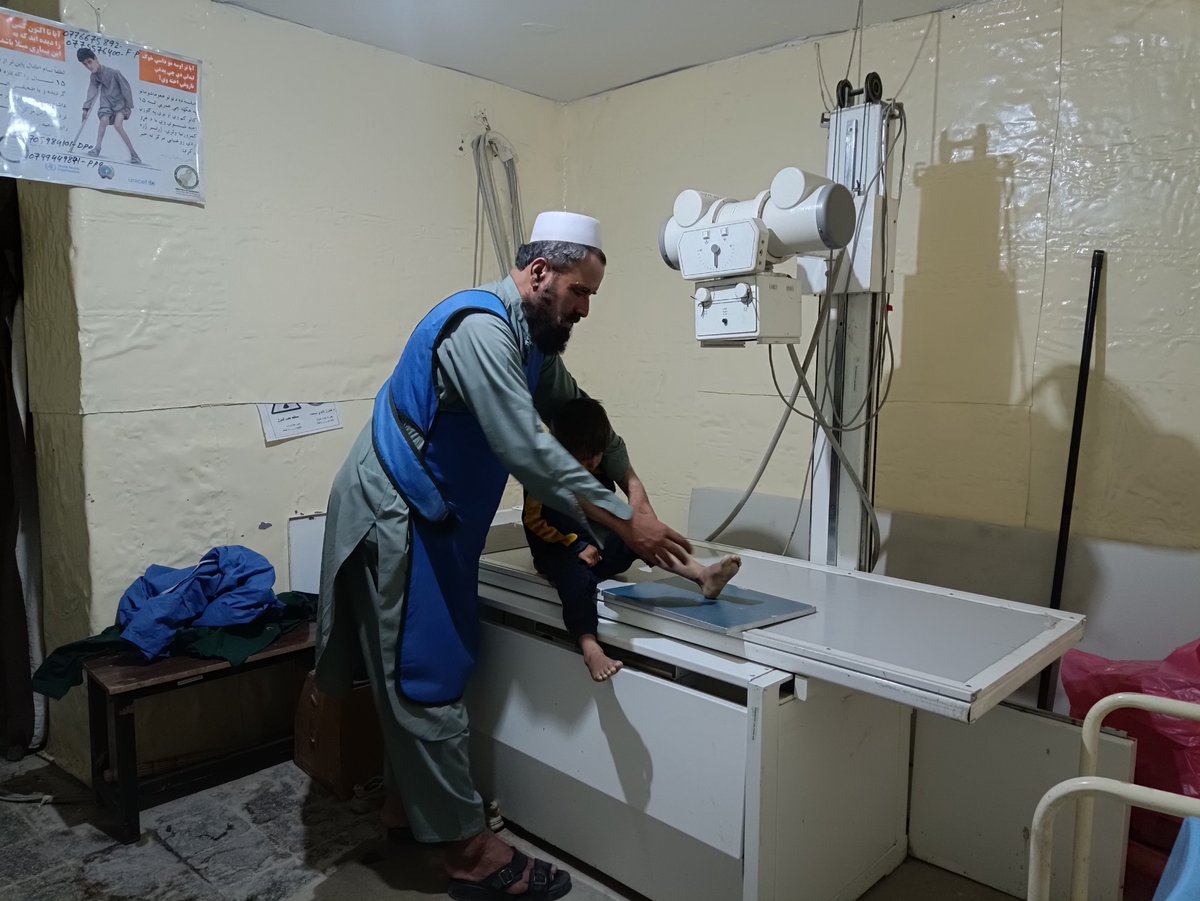
At Surobi District Hospital, reliable power is saving lives. A 100 kW solar system with battery backup, supported by UNDP, now keeps emergency care, surgeries, warmers, & critical equipment running for patients along the Kabul Jalalabad highway.
@UNDPasiapac@UNDP@unafghanistan
Investing in women in energy delivers lasting impact ⚡👩🔧🌱 Stronger systems, resilient communities, inclusive growth. With a 5 GW power gap, this is a transformational opportunity—with women at the forefront of the transition 🚀 #WomenInEnergy@UNDPaf@UNDP@UNDPClimate
In Kabul, 20 women trained as solar technicians through UNDP’s Challenge Fund are gaining practical skills to maintain, repair, and recycle solar systems. They now support 50+ health and education facilities, showing the power of women to lead Afghanistan’s clean energy future.
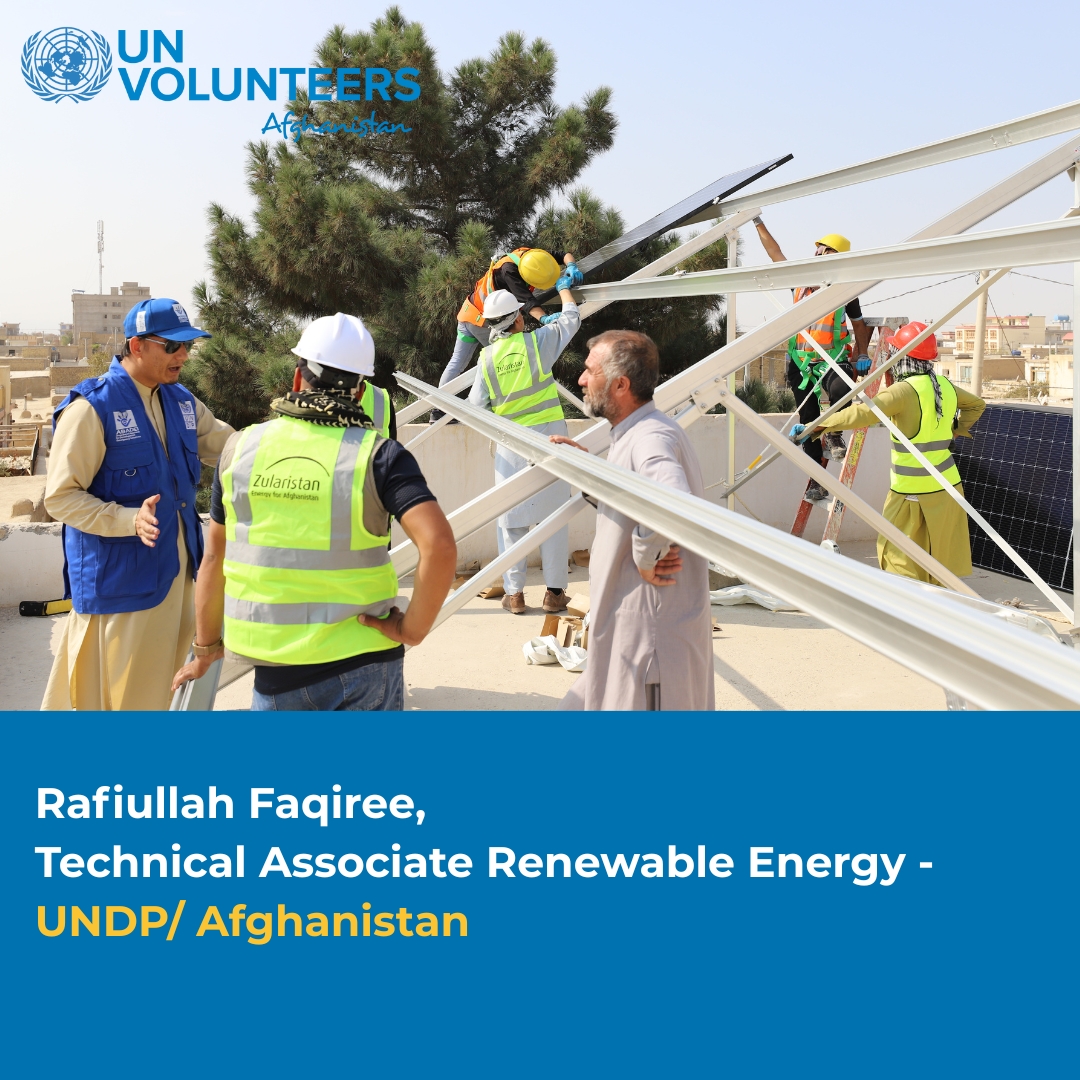
Our former UN Volunteer, who served with @UNDPaf as a Technical Associate for Renewable Energy, supported the use of clean and reliable energy, contributing to a healthier environment and improved livelihoods.
@UNVolunteers@UNVAsiaPacific#UNVAfg
Where conflict and climate risks overlap, reliable energy access becomes essential.
It supports recovery, resilience & social cohesion when systems are under strain.
On #WorldCleanEnergyDay, read how clean energy supports climate action & peacebuilding.
https://t.co/6TenPfVlcN
From surgeries by mining lamps to fully powered hospitals with solar☀️⚡️🏥 On the #InternationalDayOfCleanEnergy, @UNDPaf highlights how solar energy is transforming healthcare in Samangan-ensuring safe surgeries, neonatal care, &uninterrupted services. @UNDPasiapac@UNDPClimate
On the International Day of Clean Energy, we highlight how solar power is saving lives in AFG.
Through @UNDPaf’s SESEHA project, two hospitals in Samangan now run on 100 kW solar power, delivering reliable care to over 19,800 patients each month.
Read more:https://t.co/APPQZgl0Pg
In just 2 months, students with no prior computer exposure are building digital skills 💻✨ @UNDPaf Digital Corners in Istalif & Mussahi, Kabul prove the power of combining clean energy ⚡, education 📚, and inclusion 🤝. @UNDP@UNDPasiapac@UNDPClimate
World's Education Day📚
In Kabul’s Istalif & Mussahi districts, Digital Corners are expanding access to learning. With computers, internet, & female instructors, 61 students & 23 teachers gained digital skills for the first time.
Read more:https://t.co/BlIvG2aTub
#EducationForAll
Renewable energy plays a key role. It has been proven that institutions supported with renewable energy systems, especially 🔆, can also serve as shelters during disasters, act as first responders by providing uninterrupted services⚡️ to the affected people.
Energy ⚡️ access is vital for communities to manage disaster risks: ensuring uninterrupted services, reducing losses & supporting recovery.
Ahead of #WorldCleanEnergyDay, read how @UNDP is scaling clean energy solutions for crisis preparedness & response.
https://t.co/4BtvMeQbjO
Part one: UNDP Economist Muhammad Nassim Attahi talks about energy in Afghanistan, and what can be done to make the country more energy secure into the future.
Stay tuned for the remaining parts.
#EnergyAccess
As 2025 comes to an end, we are reminded that AFG is more than its crises. We saw clinics light up, farms recover, women grow their businesses, families return home, & communities rebuild together.
Grateful to our partners & donors and wishing everyone a Happy New Year (2026).
Human Rights Day!
The right to health starts with safe care. Solar power at Urgun District Hospital is helping protect lives and support essential healthcare in Paktika.
Read more: https://t.co/QveJ8BbMF8
#HumanRightsDay#OurEverydayRights
In Paktika’s Urgun District Hospital, surgeries once stopped when the power went out. Today, a 100 kW solar system keeps lights on 24/7 — powering operating rooms, vaccine fridges, and baby incubators. Read more: https://t.co/tkmQ4pJNaW
Afghanistan spends 1–1.5% of its GDP each year importing electricity. Investing that money at home could create jobs, strengthen industry, and build vital infrastructure. Mini-grids—and small-scale clean energy solutions like this—are the future. @UNDP@UNDPClimate
Since 2021:
-6,469 facilities now powered with solar.
-Including 5,462 health centers & 153 schools.
-854 businesses running on clean energy (many women-led).
More than 2M women now have cleaner, safer, sustainable energy supporting brighter futures. https://t.co/GqnkcwLSi2
Bridging the digital divide🖥️for young girls.
Through devices, connectivity, and training, this initiative boosts digital skills and opens pathways to education, opportunity, and a brighter future🛜 🏫👩🎓
@UNDP@KfW_int#SESEHA
.@UNDPaf has inaugurated Digital Corners in schools in Istalif & Mussahi districts of Kabul. These hubs provide computers, trained teachers, tailored curricula, & internet connectivity, benefitting young girls. These schools are powered by solar energy through the SESEHA project.
Afghanistan remains one of the most energy-insecure countries in the world. Over 80% of people still lack reliable electricity, & many families rely on firewood for daily needs, affecting health, safety, & the environment. Watch how UNDP is expanding renewable energy solutions.