last update report before the beta-execution release 👇
the executable beta is now effectively feature-complete and Hera V3 has entered the deployment phase. over the last few days, several parts that were still missing or needed one final pass were completed.
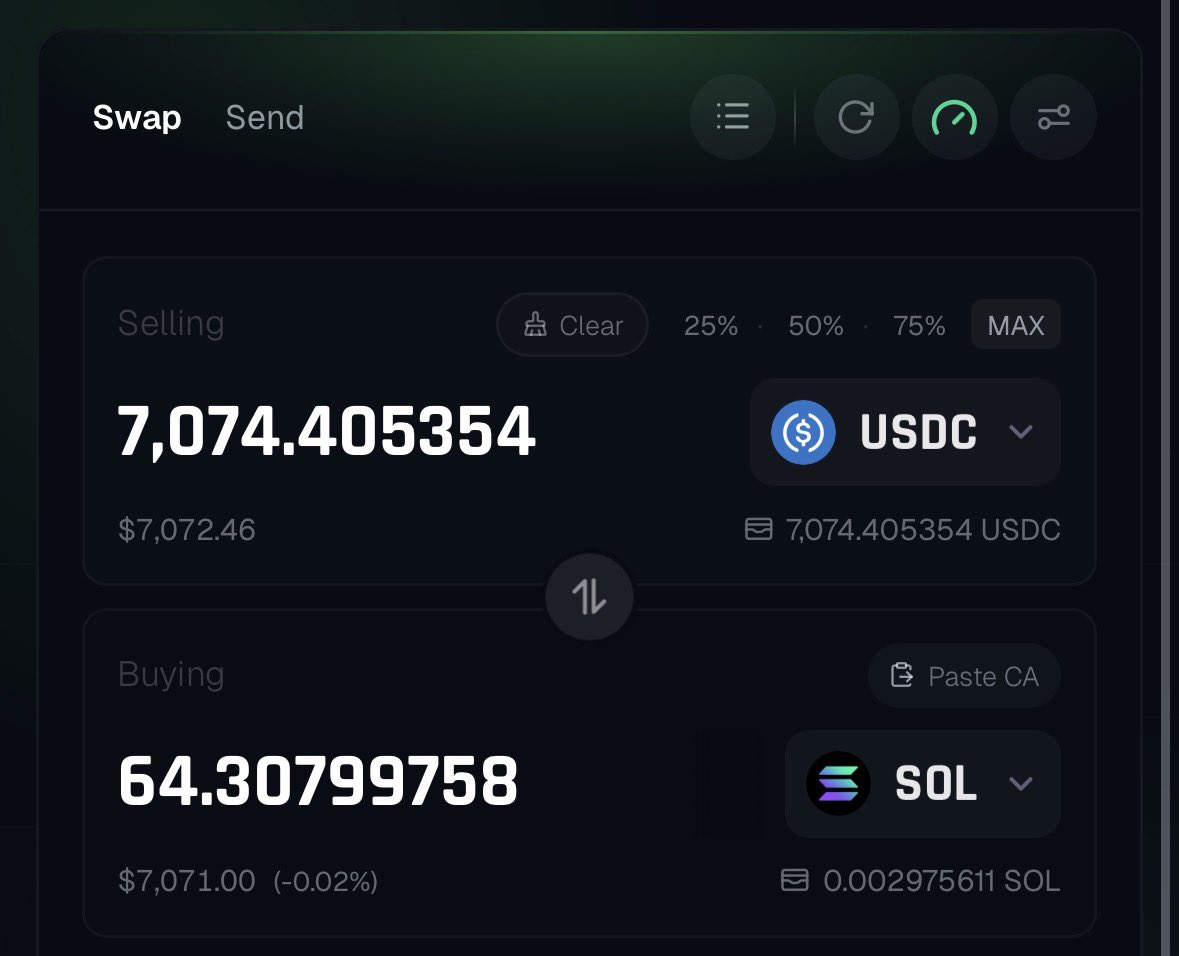
▪️auto slippage is now native and enabled by default. instead of relying on a fixed setting, Hera’s internal engine dynamically adjusts slippage based on live market impact and route conditions. that can mean something as low as 0.1% on stable swaps, while highly volatile or newly launched assets may require much wider values such as 5%+. https://t.co/HMv8K4ugSb
▪️ throughout testing, we ran transaction simulation on Helius and checked execution both before the swap and during preflight. these simulation checks won’t remain visible in the final product for UX reasons, but they gave us an additional layer to catch failed-swap scenarios and execution edge cases before release.
▪️ token intelligence has also been expanded. users can now see additional token information, tax-fee data, launchpad-related details and important warnings where necessary. the module is powered by Jupiter API together with Hera’s internal architecture. tokenized stock labels were added as well.
▪️ the UI has gone through another large round of changes too. almost every user-facing field is now dynamic, including token pricing data, and we added an easier way to find previous token queries so users can quickly return to a previous pair with the same amount.
▪️ on the routing side, 3 more liquidity sources were integrated into pathfinder core.
and these are only the parts worth highlighting. there were hundreds of smaller fixes, optimizations and edge-case improvements across the stack.
from this point, development for beta is basically frozen. the remaining work is deployment: upgrade the programs, redeploy the pathfinders with the final build, switch the UI to the new version, and run the final checks.
no hard ETA. everything above will be rolled out at some point over the next few biz days, so the release can happen at any moment once the final deployment steps are complete.
the next update should be: hey guys! 🙃 @solana
Hera is getting close 🫣
A major UI upgrade is already in the pipeline, with a new dynamic fee engine, v1 txs, full Jito / Sender support, real-time simulation layer, extra security modals, easier 3rd-party widget integration, and a long list of infrastructure improvements.
On the pathfinder side, most of the issues we’ve been tracking are now fixed. New liquidity sources are also being prepared, but they’re not blockers for release.
We’ve also published the first version of the new architecture docs: https://t.co/n8OJ8ijclA
No hard ETA, as always. Things can change fast during final testing. But based on where we are today, we’re planning for the executable beta release sometime next week. Edge cases can be handled during beta. At this point, the arch is ready for real users, real routes, and real feedback.
The kitchen is still hot, but we’re almost ready to serve. 🍽️
Execution layer progress update 👇
☑️ Hera V3 beta-router deployed on Solana: HeraBjvd499MqsXBCxKu5yBvHShie4Ufn6BwowVeM221 ~ All upgrades will be handled through this program until the final stage.
⌛️ The execution layer will be distributed to the pathfinder side shortly, packaged for 'v0.3.7 - https://t.co/Q6JAeqHfVE interface'. This is directly tied to the routing architecture on the UI side, so please wait for the update.
☢️ We started batch simulation tests on random routes to check system health and execution limits, and we’re finalizing fixes for any possible edge cases.
👁🗨 The protection layer that prevents blind trust in PropAMM quotes is working perfectly and is already active. Locked!
🎭 Due to access restrictions on BisonFi, we had to create an additional option inside the routing / transaction-building architecture, and we’ve handled that too. Hopefully @FWDInd includes us in the next upgrade.
One more feature has also been activated: routes can now rebuild themselves repeatedly based on routing depth capabilities and re-evaluate execution conditions in the process.
The routing architecture has been improved to work in sync with the transaction-preparation layer and is now fully aligned with the upcoming v1 transactions update. We’re also closely following the massive improvements from @anza_xyz. At this point, all we need is the official announcement.
So yes, we’re fully ready for wide routes. The 4096-byte limit is a real game changer @solana_devs 🫣
Get ready for the upcoming announcements!
$SIVE is probably my favorite stocks right now, not concerned about short term drops.
- You have the laser supplier to $GFS, $JBL, Ayar, $POET, and many other hyperscaler suppliers.
- NASDAQ listing planned in the next few quarters
- Followed by M&A goals for TAM expansion.
And it's literally trading less than $POET for some reason. All while CW lasers are extremely bottlenecked to the point $LITE can't make enough.
Then they got a considerable amount of oversubscribed funding for fabless laser ramp recently.
Comfortable long for me, probably one of the stocks that way overshot selloff imo.
gm
@solana is packed with insanely sharp builders! 🧠
that’s exactly why launching Hera v3 here first keeps feeling like the right call. the amount of work happening around liquidity, math, infra, tooling, blockspace, and execution is honestly different. we’ve taken a lot of inspiration from that energy while improving our own core around liquidity topology, agent-trained pair entropy, and deeper pathfinding.
@helius doesn’t stop shipping. even when things already feel good, they keep building side quests that make life better for both devs and users.
@jito_labs keeps pushing the execution and blockspace side forward, and that matters a lot when you’re building serious routing infra.
@JupiterExchange and @dflow are in the same arena as us, and respect where it’s due. they keep pushing for better trading, better output, and better market structure.
teams like @anza_xyz, @blueshift and the team at @solana_devs keep making the builder base stronger every day, constantly supporting builders and helping the ecosystem move forward.
and founders like @toly are always close to the community, reading the room, staying sharp, and thinking clearly about what comes next.
honestly, we’re enjoying this. now we just want to finish the execution layer, fire up the engine, and bring Hera to mainnet.
full throttle.
next stop: mainnet 🌝
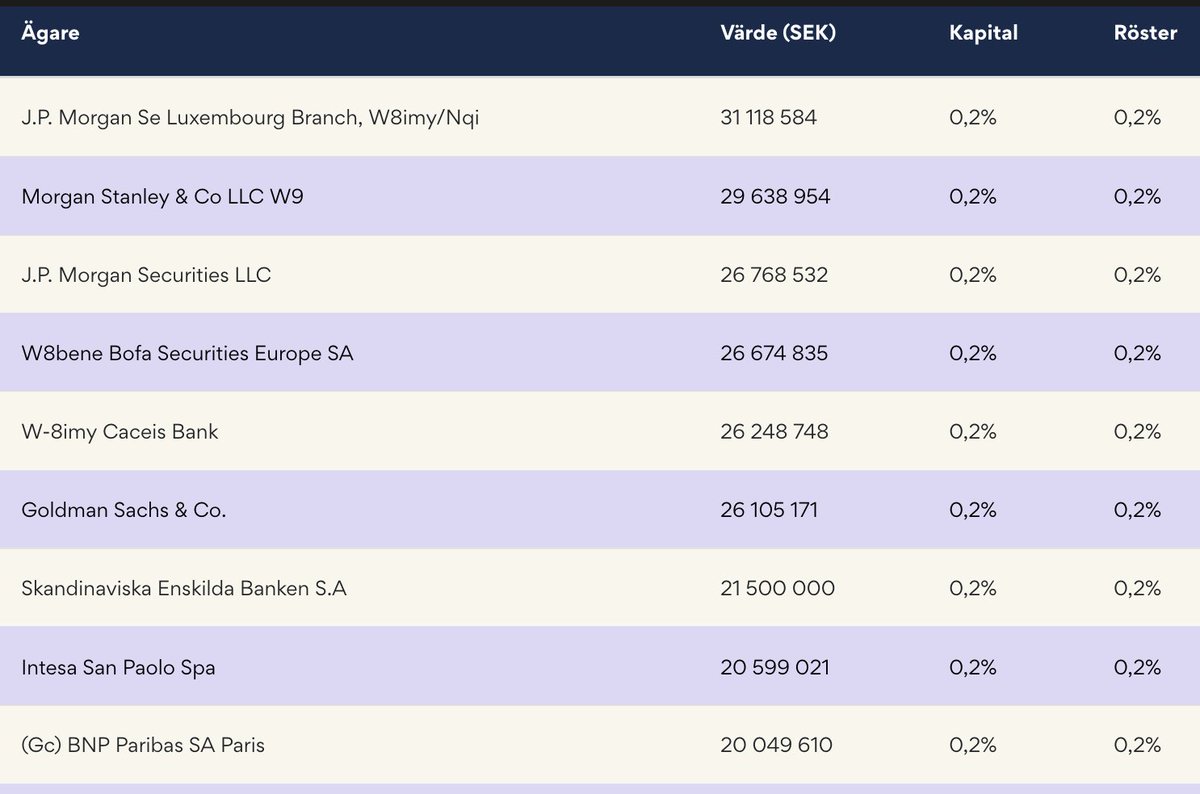
@StormDirac@smith_johnss This is direct JPM corporate ownership, not random retail broker accounts. Because it utilizes complex swaps, JPM is likely either hedging a massive position for a tier-1 hedge fund client or taking a structural stake to anchor $SIVE’s upcoming US Nasdaq dual-listing.
every swap you make on Solana is losing you money
not from fees
not from gas
from broken routing nobody talks about
hundreds of millions of dollars bleeding out globally - every single month — in decimals traders ignore
here's why $HERA is about to change that 🧵
The US/West now controls majority of the shares of $SIVE.
With Goldman Sachs/JP Morgan/Morgan Stanley and other US institutions entering.
US/West 46.8%:
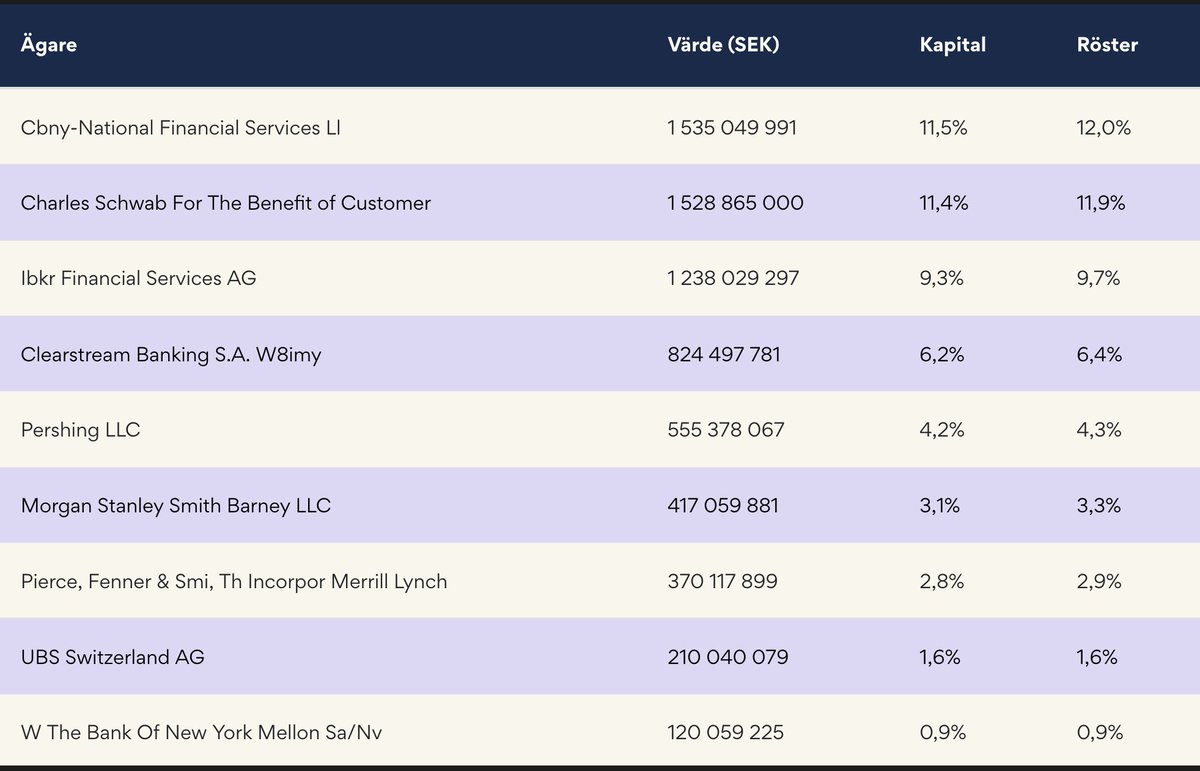
- Fidelity: 11.5% (retail)
- Charles Schawb: 11.4% (retail)
- $IBKR: 9.3% (primarily retail)
- BNY Mellon: 4.2% (retail)
- Morgan Stanley Smith Barney: 3.1% (Retail/Wealth management)
-Bank of America: 2.8% (retail/Wealth management)
- BNY Mellon: .9% (institutional)
- Morgan Stanley Client Assets: .7% (institutional)
- Bank of New York Mellon: .5% (institution)
- JP Morgan: .5% (institutional)
- J.P. Morgan Securities Plc: .4% (institutional)
- Citibank New York: .3% (institutional)
- JP Morgan SE: .2% (institutional)
- Morgan Stanley: .2% (institutional)
- JP Morgan Securities: .2% (institutional)
- BoFA Securities: .2% (institutional)
- Goldman Sachs: .2% (institutional)
- Goldman Sachs International: .1% (institutional)
- Cbny-Rja-Client Asset - .1% (retail/wealth)
Large % now owned US retail shareholders (eg. $IBKR on behalf of clients, probably majority retail some institutions).
The new but smaller JP Morgan Goldman Sachs, and Citibank % positions are likely hedge funds or other institutions trying to build positions.
Europe & Switzerland: 11.3%
- Clearstream: 6.2%
- UBS Switzerland: 1.6%
- Six SIS: 0.8%
- Euroclear Bank: 0.8%
- Saxo Bank: 0.6%
- BNP Paribas: 0.6%
- Caceis Bank / Intesa San Paolo: 0.2% each
- KBC / LGT / Julius Baer: 0.1% each
Swedish ~8.49%:
Försäkringsaktiebolaget Avanza Pension - 4.76%
Nordnet Pensionsförsäkring - 2.73%
Skandinaviska Enskilda - .2%
SEB Life International - .1%
Nordea Bank Abp - 0.7%
Canada/UK/Middle East ~.6%:
First Intl Bank of Israel - .3%
Royal Bank of Canada - .1%
Royal Bank of Canada - .1%
HSBC - .1%
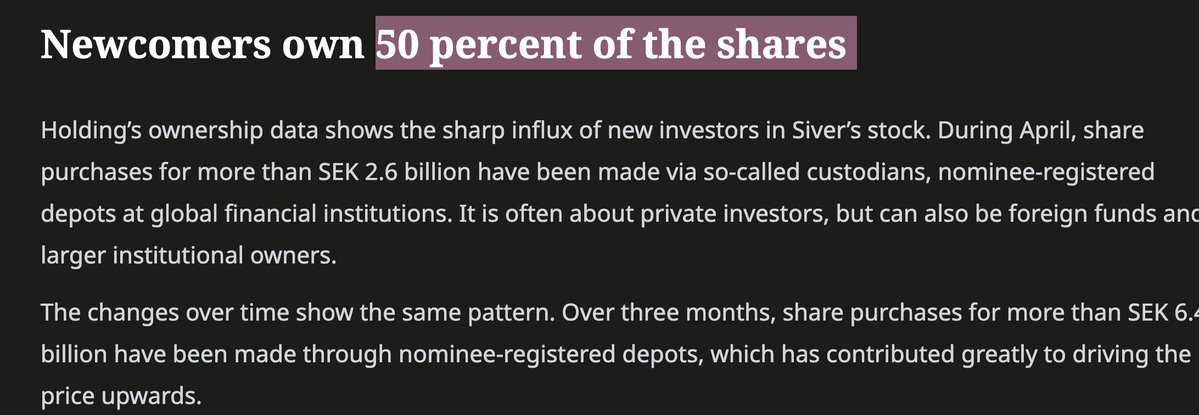
A special thank you to the Swedish Media doing the work of US institutions:
The West now has ~58.7% ownership. Swedish is now down to 8.49% due to local media.
I wonder if they realized what they've done now scaring off local investors now that it's changed hands to US institutions/investors?
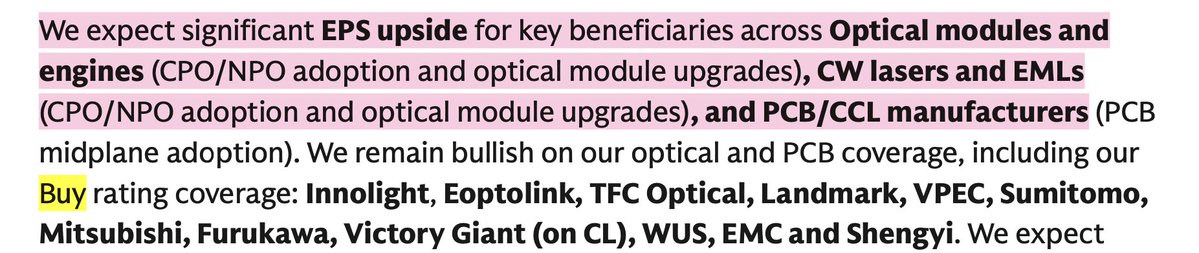
The West have now acquired majority of the float before the CPO supercycle.
You can also start to see US institutions like JP Morgan or Goldman Sachs building start positions (on behalf of institutional investors), probably off of US retail taking profits. This is likely after $SIVE reached a certain MC threshold for fund mandates.
But a large % of it is still owned by US retail on places like $IBKR and Fidelity. (this is what I call frontrunning the institutions)
TLDR:
$SIVE went from majority:
-> Swedish retail ownership
-> US retail ownership
-> gradual US Institution ownership as US retail takes profit or sells (if they figure out a way to scare off US retail like the Swedish media did).