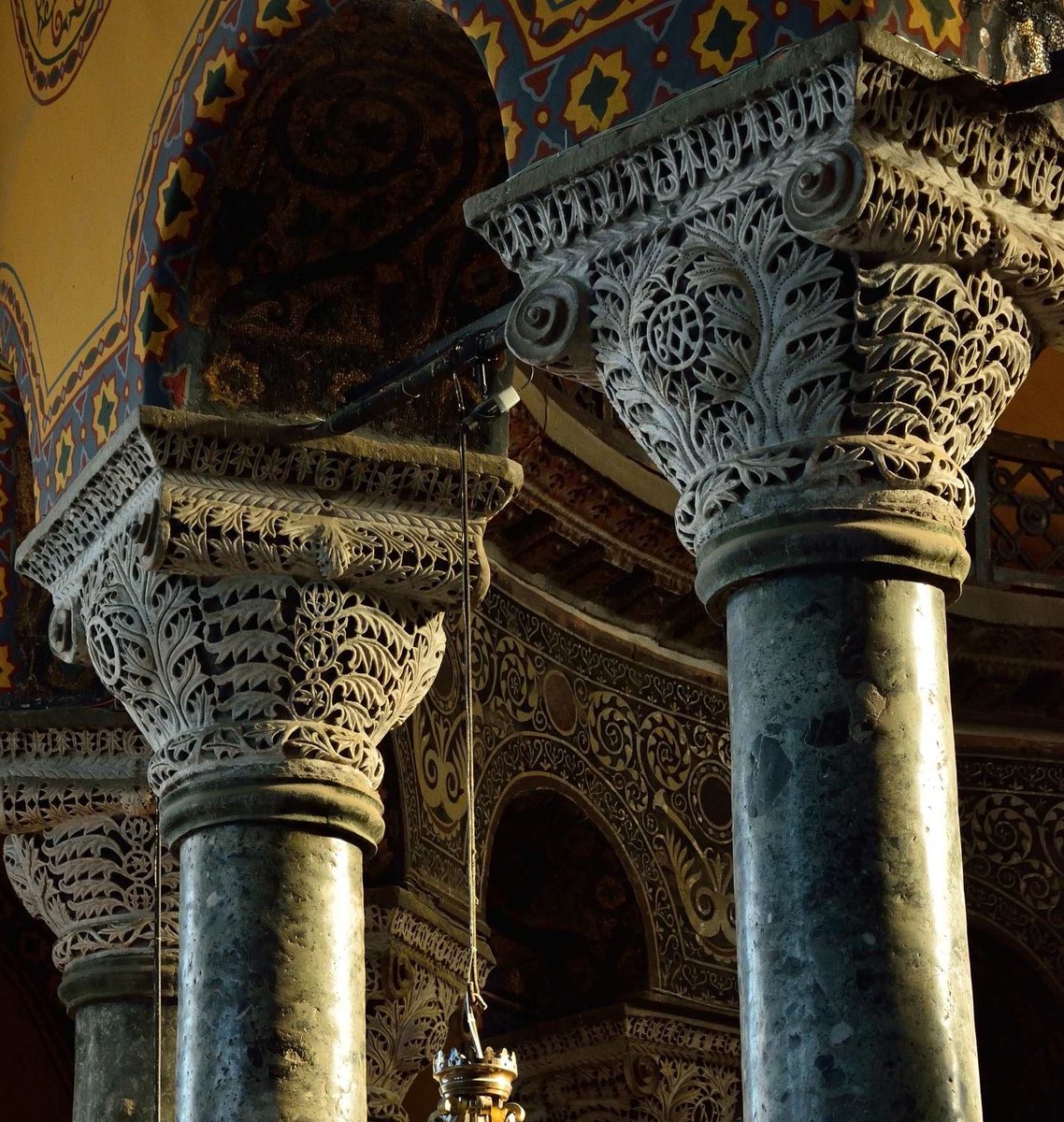
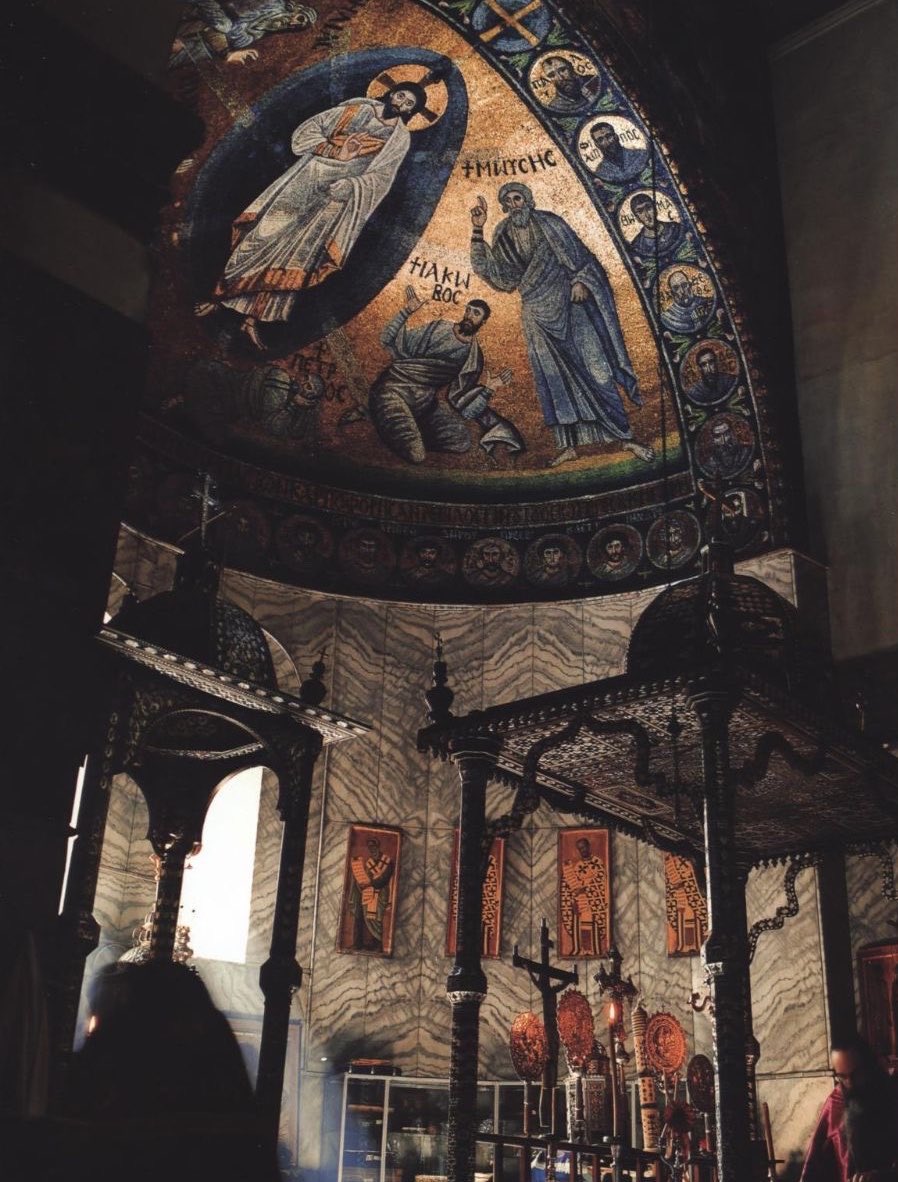
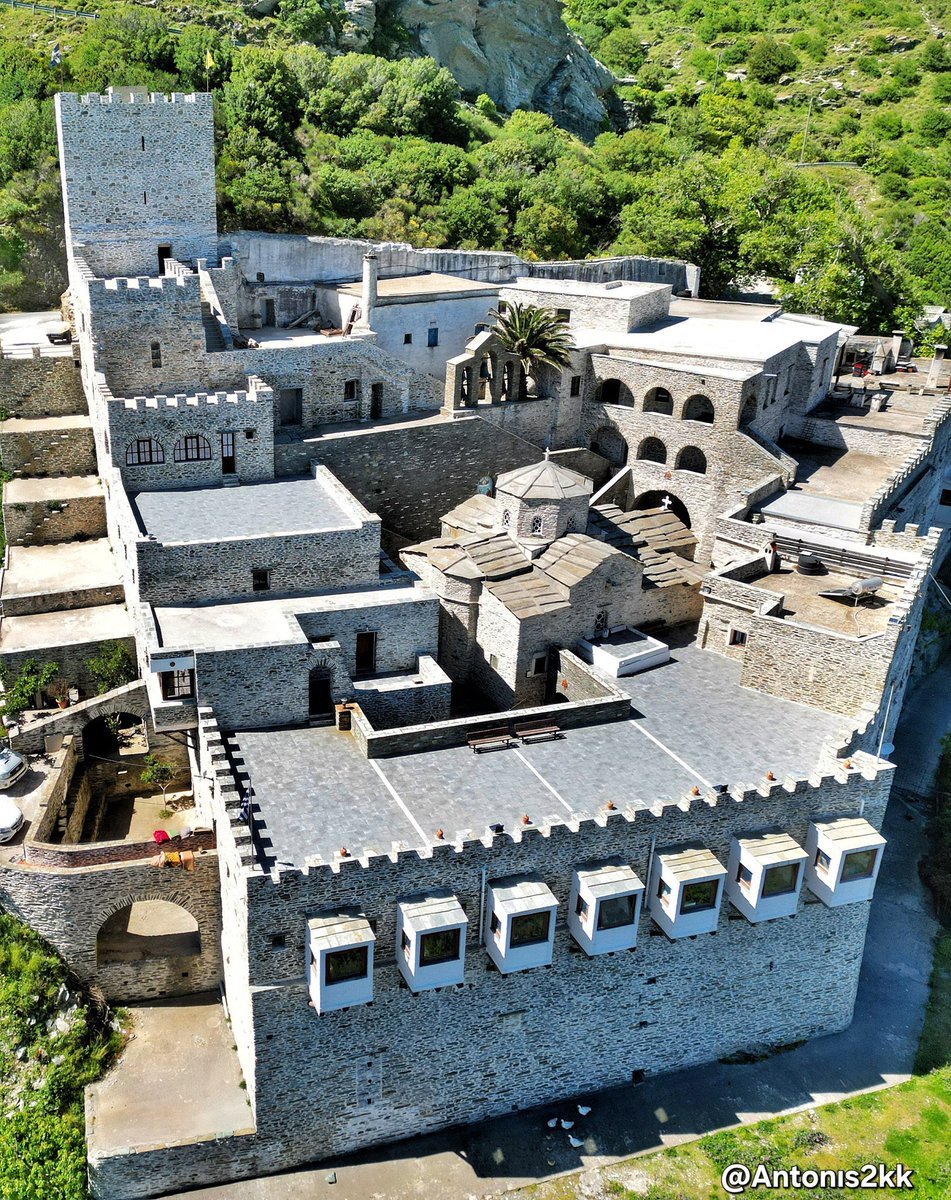
The ancient Saint Catherine’s Monastery in Sinai.
It is a relic of a lost time, being from the 6th century and before the Islamic conquest and transformation of Egypt.
In 600AD there were 5 cities of honor in Christendom, each with their own Patriarch. Rome, Constantinople, Antioch, Jerusalem, and Alexandria.
The Pentarchy does exist administratively, but 4/5 cities were later conquered and more or less removed by from the world of Christendom!
An Elephant Never Forgets!
An elephant that had been imported to Constantinople from India is recorded to have held a grudge against a man who had hit him 10 years prior, and when he saw him again “attacked and tore him apart” in the street.
“In the time of Theodosios the Great a small elephant was brought from India, and was raised there in the houses, and they brought him <to the hippodrome> when a chariot race was held. When he came to the Milion, a moneychanger hit him in jest with a switch. Ten years later, when he had grown up and passed again on the way to the Hippodrome, he remembered the man who had beaten him. And when he saw him sitting there, he roared and attacked him and tore him apart in the middle of the Milion.”
Source - Accounts of Medieval Constantinople: The Patria. Translated by Albrecht Berger
Periodic reminder that the X algorithm will show you more of what YOU engage with!
So if you want more Roman history and Constantinople in YOUR timeline, you have to like, comment, bookmark, or repost it when it comes into your timeline!
The Eastern Roman Empire and the Empire of Trebizond in 1330AD, after the battle of Pelekanon and with Anatolia coming near full conquest by the Turks.
The Anatolian heartlands were lost, and never to return to Roman rule.
On June 10, 1329 Andronikos III failed in a desperate effort to save Anatolia from Turkish invasion, at the Battle of Pelekanon!
Andronikos III had to fight, in the first battle between a Roman Emperor and an Ottoman Sultan!
A tragic defeat for the Romans 🧵
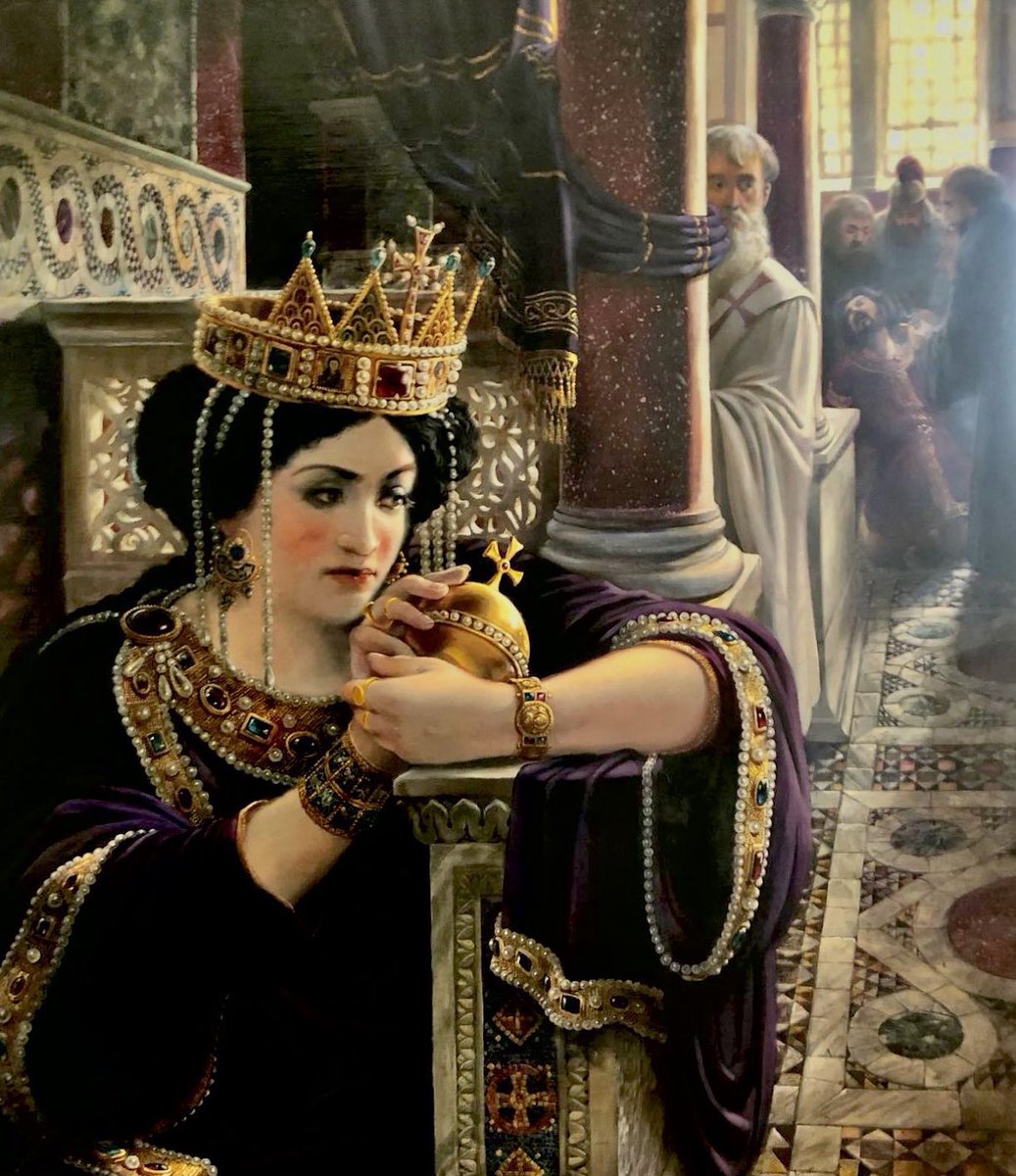
One of the most personally cruel moments in Eastern Roman history has to be the blinding of Constantine VI in 797 by his mother, the Empress Eirene
“Acting on her orders, they arrested him and blinded him cruelly in the room which he had been born, the Porphyra (purple stone) chamber of the palace. It is not clear how much longer he survived after that, but he was out of the picture.” She then took sole rule, and images of Konstantinos were removed from Roman imperial coinage.
How did she do it? She had “managed to to subvert the tagmata (army) and plant her agents in Konstantinos’ retinue.” After secretly putting loyalists in the key positions around her naive son - she went through with her most diabolical plan to restore herself to the throne.
Why did she do it? That seems fairly simple - she wanted to return to being the Empress ruling the Roman Empire in her own right. She had already shown a ruthless streak before this event when she had power. “In 790, Eirene arrested and flogged her son and his supporters, and put him under house arrest. She then demanded that the armies swear to obey only her, not him.”
This lust for power should have made it clear to Konstantinos that he had to deal with her a bit more harshly. The armies revolted against Eirene, allowing Constantine VI to take power. However, the son could not reject his mother: “early in 791 she was inexplicably restored to her rank as empress, with her eunuchs.” Clearly she began plotting her rise back to the top.
This act of forgiveness would do him no good when he would be at her mercy in 797. The son may have loved the mother more than power, but the mother loved power more than son.
Source - The New Roman Empire: A History of Byzantium by Anthony Kaldellis
This artwork is by Antoine Helbert, you can see the victim Konstantinos in the corner.
The Pantheon is arguably the greatest intact temple of Ancient Rome today.
The Hagia Sophia is the greatest church ever constructed in Constantinople (“New Rome”)
Both are splendid domed places of worship, converted from their original purpose to be used by another religion.