The Penn State Center for American Literary Studies, @PSULiberalArts. CALS provides a forum for new ways of reading and thinking about American literature.
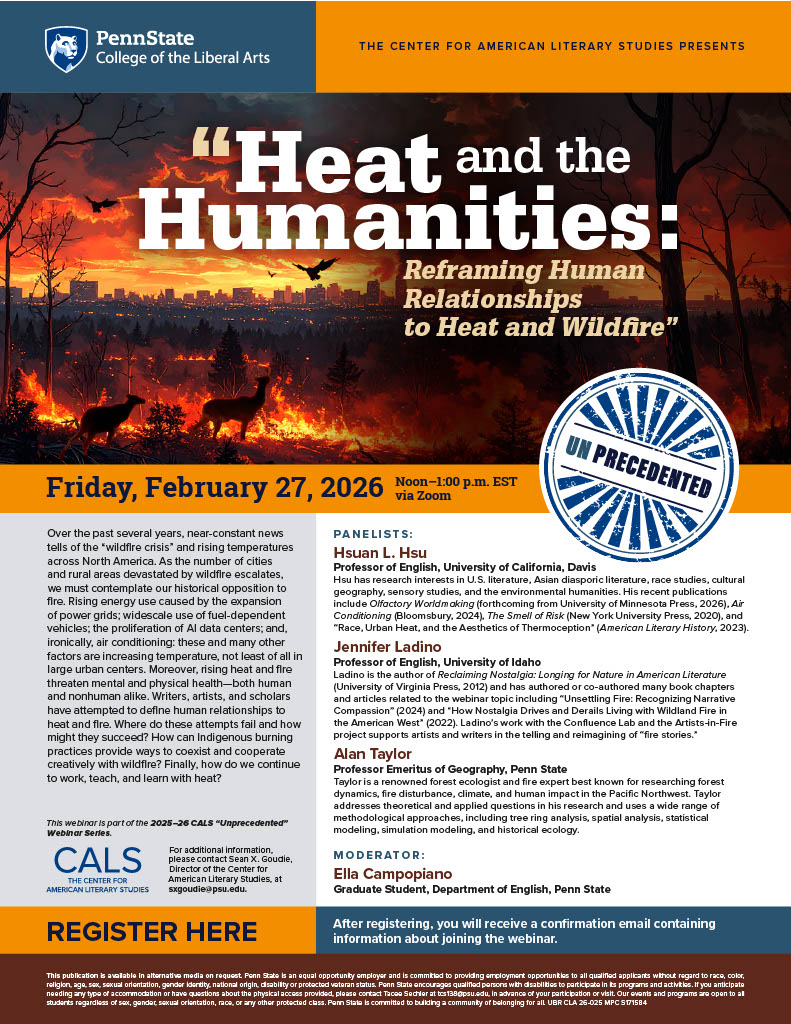
Join us on Friday, December 12 from 12-1pm for "Urgent Lessons from Antifascist Works of American Literature and Culture," our first CALS "Unprecedented" webinar of the year. Register here: https://t.co/zHKv7TZU5y
Marsh mourns the loss of public poetry that is widely read by the working classes it addresses. He hopes for a "working-class poetry renaissance" that can complement current worker strikes and struggles, and inspire future ones.
Happening today at noon: "American Working-Class Art and Literature Now." There's still time to register for the webinar here: https://t.co/6EZ3JqMDyi. (And stay tuned to this thread for live updates once the webinar begins!)
Join us on Friday, April 19 from 12-1pm for "American Working-Class Art and Literature Now" Our final CALS "Unprecedented" webinar of the year will consider what characterizes "working-class" media, both historically and in the present day. Register here: https://t.co/mzp5GUEHXw
Our final speaker, John Marsh, has focused his research on writers who see themselves as workers first, and who write about workers. "Are workers writing poetry today," he asks, "and, if not, should they be?"
Another year of Centre County Reads is in the books! Read a round-up of 2024's programming from CALS undergrad intern @sydneyymburns here: https://t.co/ua0io8KZdE.
Thanks to our community partners at @SchlowLibrary
and everyone who participated in this year's events!
Join us on Friday, April 19 from 12-1pm for "American Working-Class Art and Literature Now" Our final CALS "Unprecedented" webinar of the year will consider what characterizes "working-class" media, both historically and in the present day. Register here: https://t.co/mzp5GUEHXw
Join us on Thursday, April 18 at 3:30 for a presentation by 2023 CALS Summer Graduate Fellow Michael Young. Light refreshments will be served, and the presentation will be followed by a Q&A. Full details are attached.
How do journal editors affect the disciplinary landscape? This question inspired the 2024 CALS Spring Symposium, "Field Work: Journal Editors on Shaping Intellectual Life in the Academy." Read a recap of the event by CALS graduate RA @jessrafalko here: https://t.co/6azxnELHk5
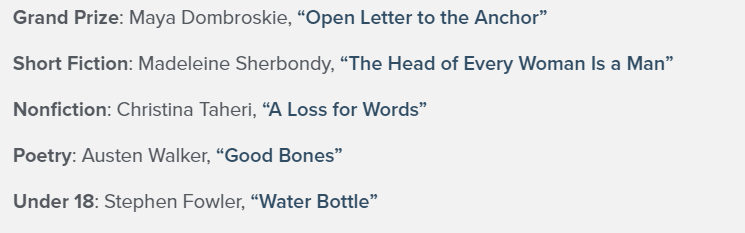
Congratulations to the winners of the "Lost and Found" writing contest! Read the winning entries on the CALS website, and check out the virtual visit by Brendan Slocumb, author of this year's Centre County Reads pick that inspired the contest, here: https://t.co/afY290afkX
"Because of your gender, race, and age," says Hill, "the things you desire are less accessible to you." Black girls "lean into these communities that nurture you and that may look to adults and outsiders like a community of play" but are really "a strategic power negotiation."
Happening today at noon: "Healing Community: Black Women on the Arts and Liberation Pedagogy." There's still time to register for the webinar here: https://t.co/T7IYmIrvNV. (And stay tuned to this thread for live updates once the webinar begins!)
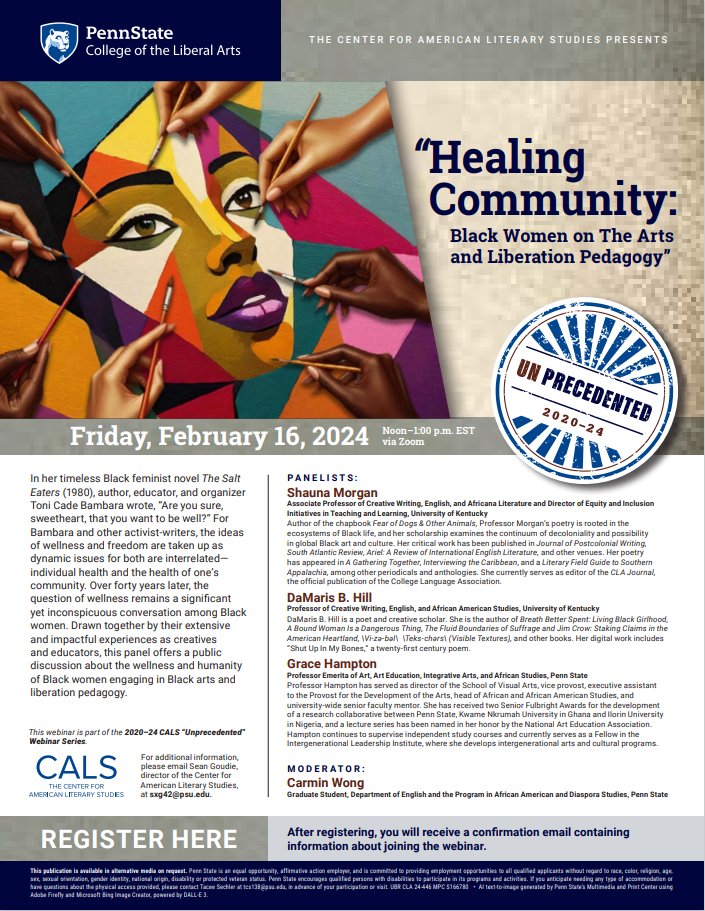
Our next "Unprecedented" webinar will address the wellness and humanity of Black women scholars and artists in the academy. Join us on Friday, February 16 at noon for "'Healing Community: Black Women on the Arts and Liberation Pedagogy." Register here: https://t.co/T7IYmIrvNV.
Our final speaker, DaMaris B. Hill (@damarishill), discusses "the cultures of Black girlhood" in which Black girls "are almost educated exclusively by [their] peers." Black girls in these "think tanks" share information with each other on how to negotiate power and meet desires.