We invite applications for a Teaching Fellow in the history of late antiquity plus classical languages & literature. Fixed-term FT for 16 months (1/9/23-31/12/24), £36,333 - £43,155/year. Apply by 26/4/23:
https://t.co/tFFbyzmgDQ
#ClassicsTwitter#AncMedTwitter#AncientHistory
We're hiring! 15 month Teaching Fellowship in Classics @durham_uni@Durham_Classics, to start (ideally) on 1st January 2021 until 31st March 2022.
Closing date: 15th November.
Interview date: 4th December.
Full details: https://t.co/2BcjjzjXfS
Please apply / RT!
❤ Happy #ValentinesDay!
This finely carved statue shows a wealthy, well-dressed couple from ancient Egypt, holding hands in an unusually tender gesture that is unparalleled in Egyptian sculpture https://t.co/xMIcHDvW1D
@CAMNE7 Research Seminar today (5pm-6:30pm, CL 108 in the Department of Classics and Ancient History):
Mary Frazer (Munich), The Akkadian Historical Letter as Educational Tool
All welcome!
Today's research seminar (21.11.19, 5pm-6:30pm, Ritson Room):
@Eleanor_Robson Geographies of knowledge in ancient and modern Iraq: from cuneiform tablets to the Nahrein Network.
All welcome!
Prof. Kaizer “Tadmor-Palmyra, “city of palms”? Observations on the etymologies of the place names” This afternoon (20.11.19) 1pm in the Ritson room. All welcome! @CAMNE7
Dear all,
Camne is very pleased to announce that Dr Christina Tsouparopoulou (Cambridge) will be talking this Friday, 22nd November, 4pm, on 'Connecting East and West: Common Mitanni Cylinder Seals in the Aegean'. Venue: CL007, Ritson Room. All welcome!
If you are at Durham on Fri 22/11, come and hear me talk about Common Mitanni seals found in Greece at @CAMNE7 -if you are at the @ASOResearch Conference in San Diego on Sat 23/11, come and hear @HighcockNancy talk about our work on women's commemorative objects. @UCamArchaeology
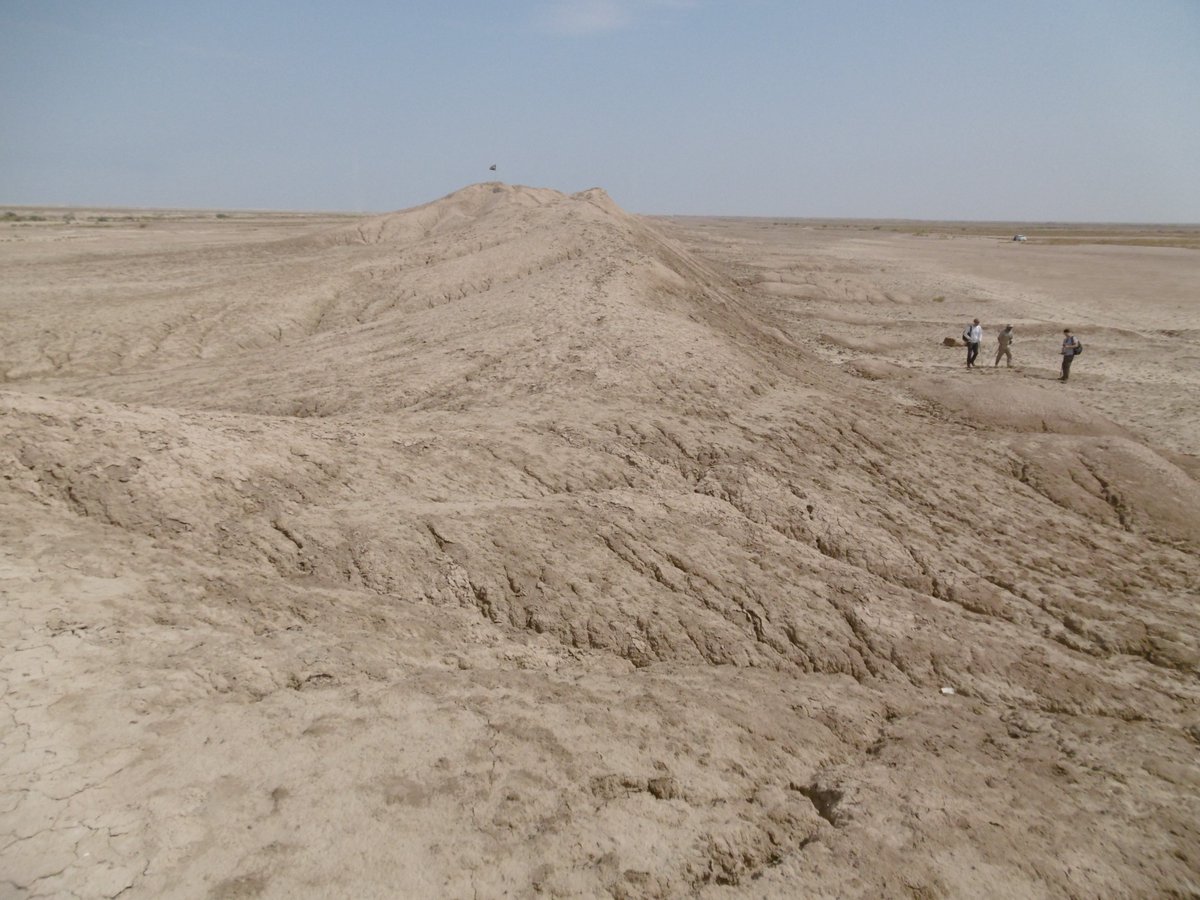
For #InternationalArchaeologyDay here are the ramparts of Charax Spasinou (Alexandria-on-the-Tigris), founded 324 BC, visited by Chinese ambassador Gan Yong in AD 97, by Trajan (less diplomatically) in 116, and by us every year since 2016 #Iraq
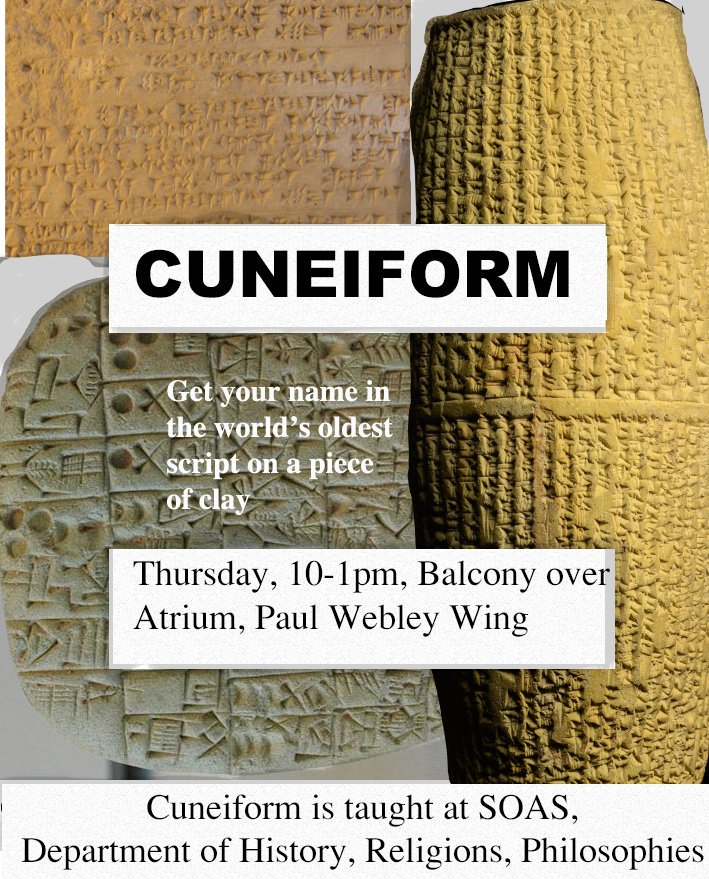
If anyone fancies getting their hands covered in clay in London, we will be doing the cuneiform thing at SOAS, Thursday 10-1pm, Paul Webley Wing, balcony over the Atrium.
Stagira, the birthplace of Aristotle, was placed on a dramatic promontory overlooking the Aegean Sea. Destroyed by Philip II in 349, it was soon afterwards restored at Aristotle’s or Alexander the Great’s plea, if one follows Plutarch (Alex. 7.2).
Fancy seeing what the Babylonian language looks like in the Latin alphabet? Or want to test your knowledge by reading along with our film? Check out the screenplay of the Poor Man of Nippur! In Babylonian and English! #Babylonian#Akkadian#PoorManofNippur https://t.co/KOOq73eSH5
Nimrud (known in ancient times as Kalhu) was once a major city and briefly the capital of the great Assyrian state that collapsed in the late seventh century BC.
This week's pick from the archive:
https://t.co/UdNnmHmllW
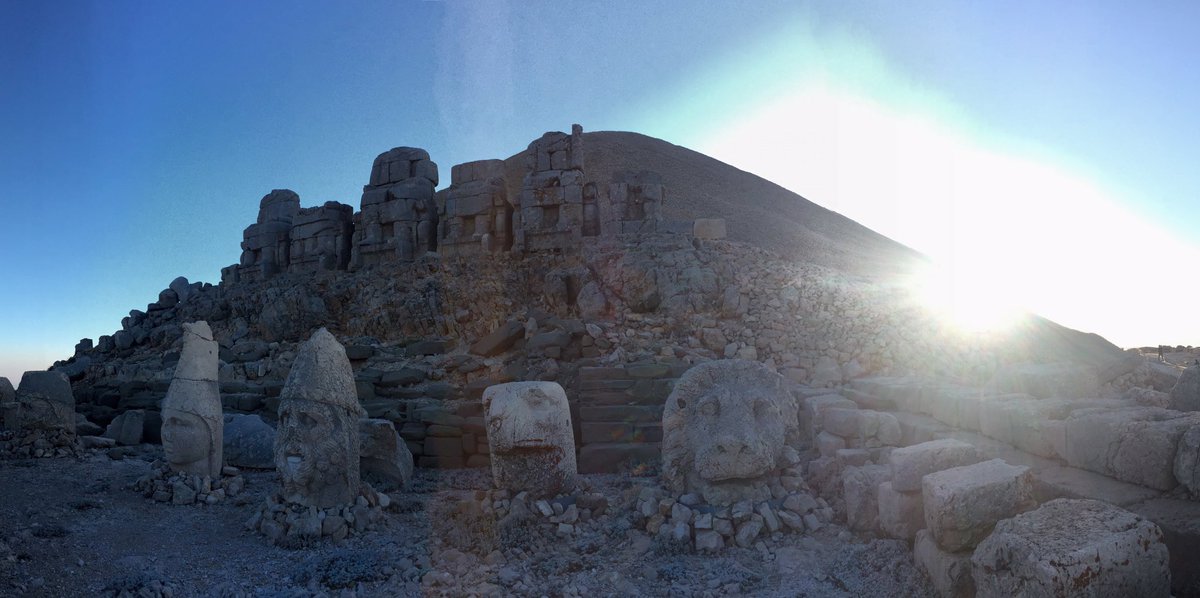
At more than 2,000m above sea level, these 9m-tall statues were part of the monumental royal tomb of Antiochus I of Commagene (d. 38 BCE) on Mt Nemrut in SE Anatolia. They bring together Greek, Armenian, and Persian gods, such as Zeus-Aramazd, Heracles-Vahagn, and Apollo-Mithras.
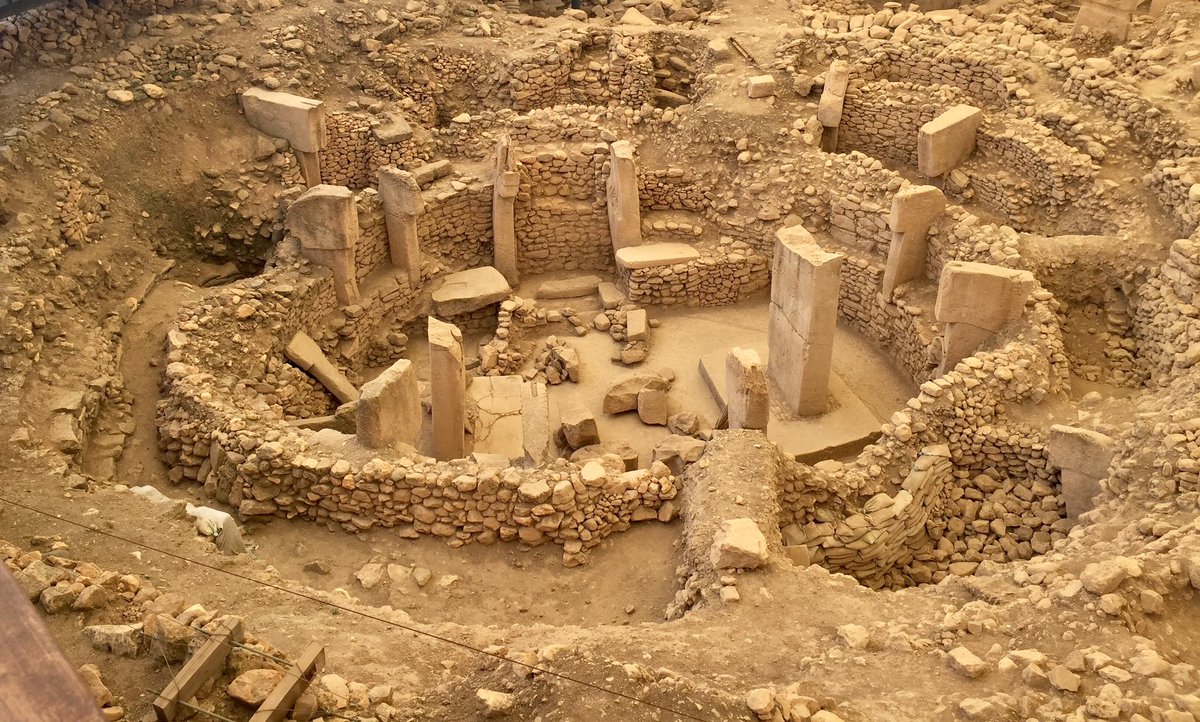
The sophisticated reliefs of Göbekli Tepe in southern Anatolia, the earliest known sanctuary (10th-8th millenium BCE) which was possibly erected by hunters-gatherers before the emergence of agriculture.
A part of KARKAMISH A6, inscription of Yariri, regent, famed to west and east, ... on this side they heard of it (my name) in Egypt, on that side they heard of it in Babylon, they heard of me among the Muska and the Sura ...
The Anatolian Hieroglyphic script: a logo-syllabic writing system from southwestern Anatolian that was used for the Luwian language from the Late Bronze Age (mid second millennium BCE)