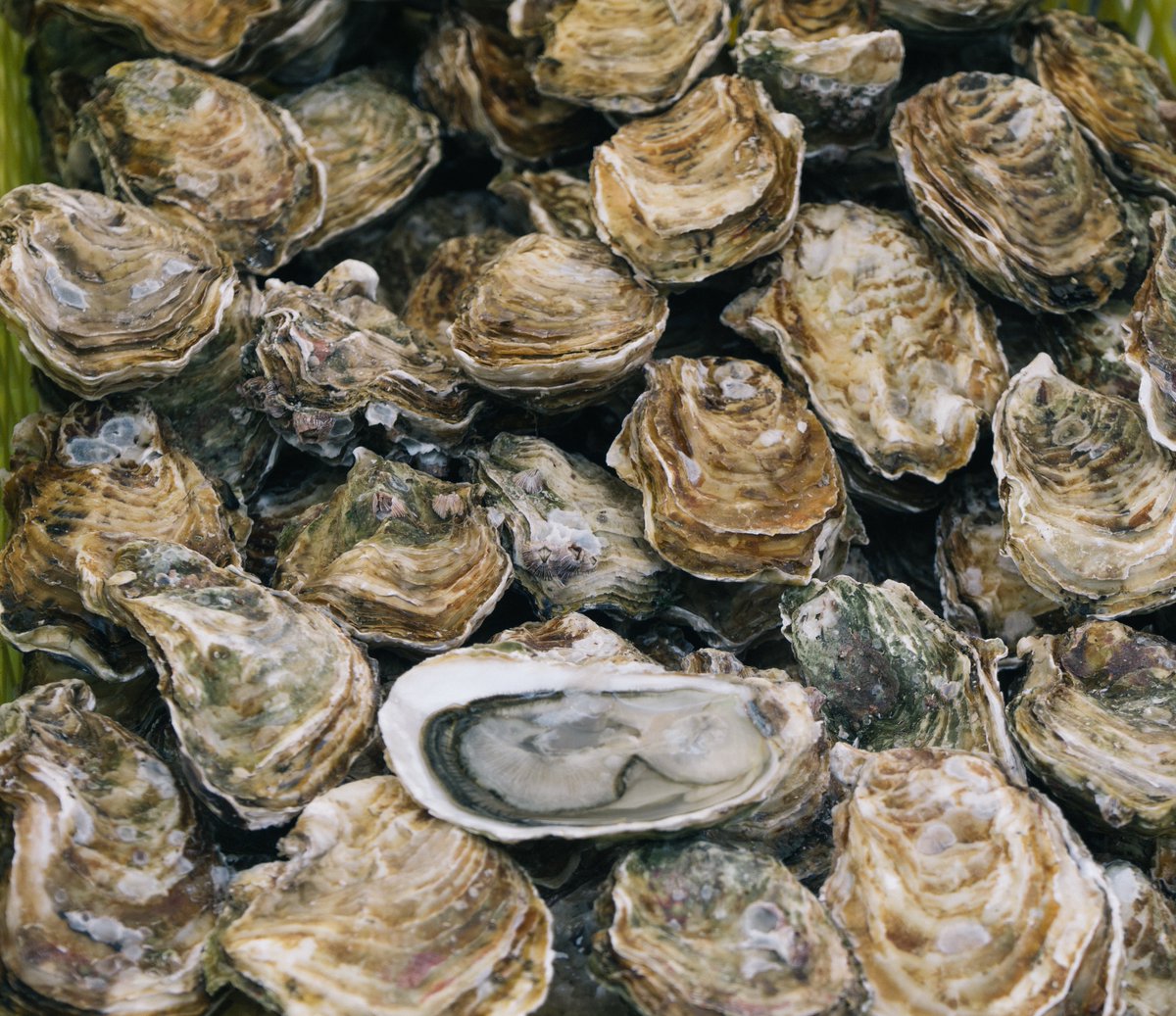
Want 2 understand the impact of #aquaculture? Need 2 explore the effect of #climatechange on aquaculture? 1st you need to know where aquaculture occurs! New OA paper led by @geeeeeeej from @nceas on spatial distribution of #mariculture globally https://t.co/EyEen7DR5q
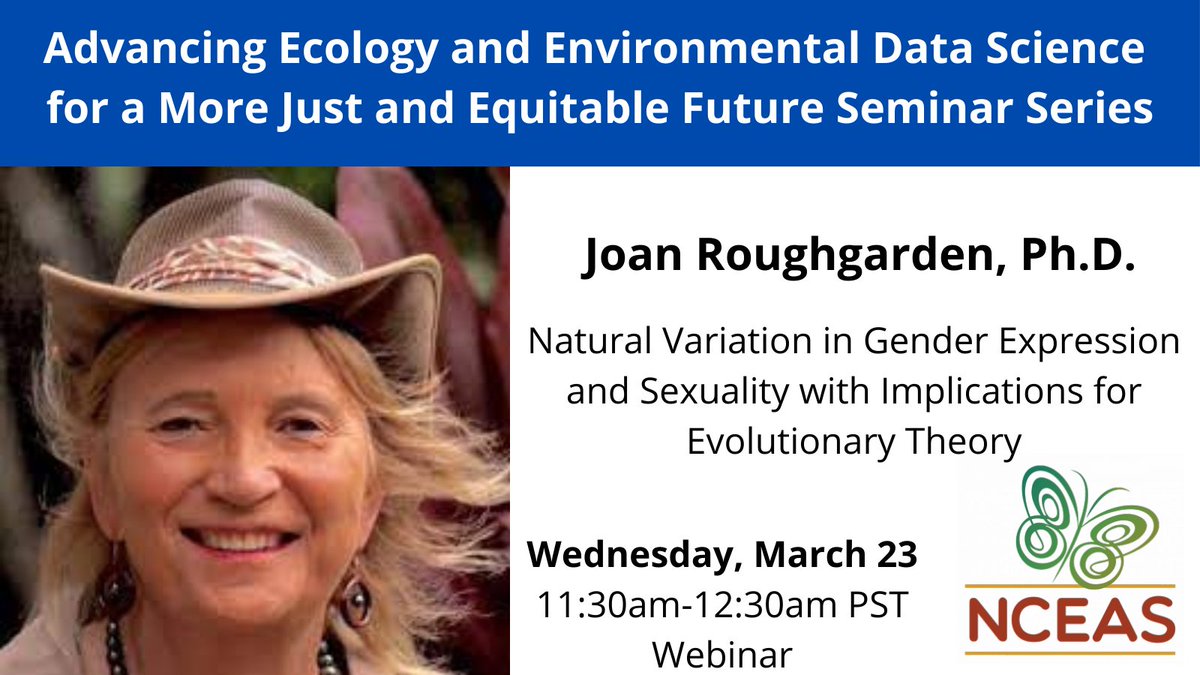
Our Environmental Equity Seminar Series is back! 👏First up (March 23 11:30 PST) @JoanRoughgarden discusses natural variation in gender expression + sexuality in relation to evolutionary theory. Register and see the full line up here: https://t.co/Ie6Fc9Ou1h #diversityinSTEM
Check out our latest paper "California aquaculture in the changing food seascape". Wild capture is unlikely to increase; California can increase production via aquaculture or increased dependence on imports. https://t.co/HgUXgB1Nav
Our Global Launch Event brought together leading scientists, advocates & changemakers to discuss the challenges & opportunities of #BlueFood in our #FoodSystems.
If you missed it, don't worry. You can watch it back here > https://t.co/hsEoJO2BQy
#BlueFoodFutures
Excited this paper is out in the world! Great work for the collaborative team @emLabUCSB and @nceas searching for blue transitions in aquaculture-dominant countries.
A really nice recap of one of our latest papers outlining the steps necessary for cell-based seafood to have a conservation benefit. https://t.co/eueo3m0ZqO
We outline 9 steps that cell-based seafood must achieve to drive increases in fish biomass. While there are hurdles at each step, one of the most challenging will be the shift in human behavior needed for consumers to substitute wild-caught seafood w/ cell-based seafood products
Come work with us! We are hiring a postdoc in partnership with California Sea Grant as part of our effort to develop a strategic action plan for aquaculture in the State of California. Application deadline Dec. 18 https://t.co/IHfYtUzfAo
Come work with us! We are hiring a postdoc in partnership with California Sea Grant as part of our effort to develop a strategic action plan for aquaculture in the State of California. Application deadline Dec. 18 https://t.co/IHfYtUzfAo
How do we explain where and why #mariculture develops worldwide? New paper by @Bess_ruff @ventetmer finds existing seafood infrastructure and local seafood demand indicative of industry growth. https://t.co/bc1B9Nlg76
“As one of the most resource-efficient protein production sectors and one of the most nutritious foods available, farmed fish has the potential to meet growing demand for food in a way that serves people and protects the planet.” @GSI_salmon https://t.co/yYwXPjK6pH
Shout out to postdoc @RichCottrell22 and his innovative research on the future of sustainable #FoodSystems. Check out his @NatureFoodJnl pub showing how novel #aquaculture feeds could substantially reduce forage fish demand by 2030 https://t.co/sr0tq5tGTP #NPAW2020
.@nature_org has has partnered with the gov of Belize, non-profits, the private sector and local fishers to develop an innovative sustainable seaweed #mariculture industry that provides ecosystem benefits in addition to alternative income: https://t.co/Ypwgz4Rw8A
Restaurants closed? No problem, working with @PacificSeafood this salmon farm is bringing product direct to consumer...and they are busier than ever #salmonlovers#eatseafood https://t.co/k3NjtJZ5UG
"Resilience comes with the acceptance that change is our responsibility, and a crisis only differs from the everyday because it forces us to act faster." See how the Global Salmon Initiative still views sustainability as the only way forward. https://t.co/5LO9U6K8cq