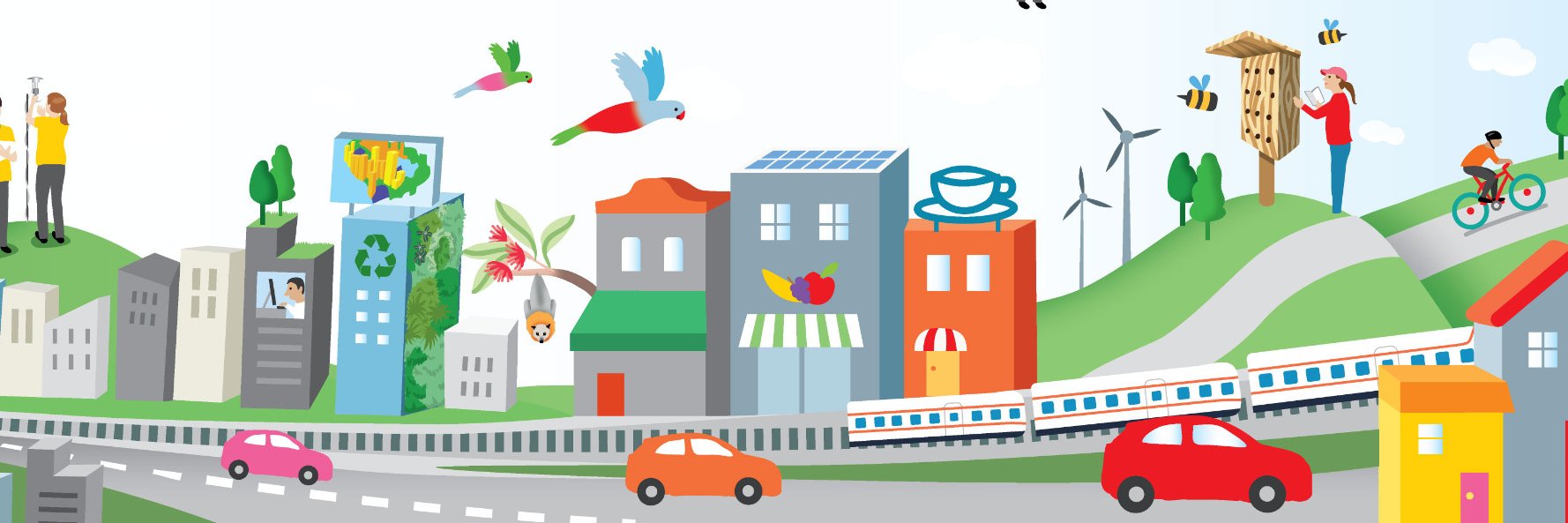
It's here! 🌳🌱🐸🦜
Our free e-book, 'Cities for People and Nature', is now live https://t.co/VwIik18H9i
We hope you find it engaging, thought-provoking and inspiring, as we all prepare to tackle the many challenges that cities will face in coming decades.
#CitiesPeopleNature
"While our research has already changed cities in Australia for the better, its true impact will be measured in the years and the decades to come." As we conclude six years of research, our Hub Leader @urbanfrogger reflects on our journey https://t.co/k0JovgZv9W #farewell 🌏🌿🐝
Have you read the latest release of Cities People Love? CAUL articles:
🐸 Maintaining biodiversity in the city: The role of local-government planning
🌆 Enhancing biodiversity in cities through design
🌳 Can't see the forest for the trees (being removed) https://t.co/C6hozeb8EE
Indigenous knowledge systems and Indigenous
science are key to living sustainably in Australia’s urban
environments. This #NRW2021 we're reflecting on our work making space for Indigenous voices and perspectives in cities👉https://t.co/GwycdJivz5 #Reconciliation#MoreThanAWord
Following six years of research, we’re conducting a stakeholder survey to assess our impact over the Hub’s lifetime. If you could spare 5-10 minutes of your time, we would value your thoughts and feedback! https://t.co/7KdSXyuA1O
How can we make cities better places for people and nature? CAUL-Hub researchers have developed tools and resources that are currently being used to improve the practice of urban biodiversity conservation. Read more about our impact 👉 https://t.co/JcHCmSLsJv #naturelovers
From transforming neglected streetscapes to increased use of native plants, our urban greening research has drawn attention to the ways home gardeners can support greener urban environments. 🌱🌻
Here's a snippet of our urban greening work👉 https://t.co/DTlfCQCW7J
As we approach the end of our research journey, we're reflecting on our impact – beginning with our air quality projects. We sought to better understand the major sources of air pollution and identified effective ways to detect and manage air pollution 👉 https://t.co/rarOTAfJea
Not every household has a garden but each one has a street verge. Find out why a growing number of gardeners see these spaces as blank canvases ready to be transformed. 🌱🏡
https://t.co/Iwy4OP1LqE
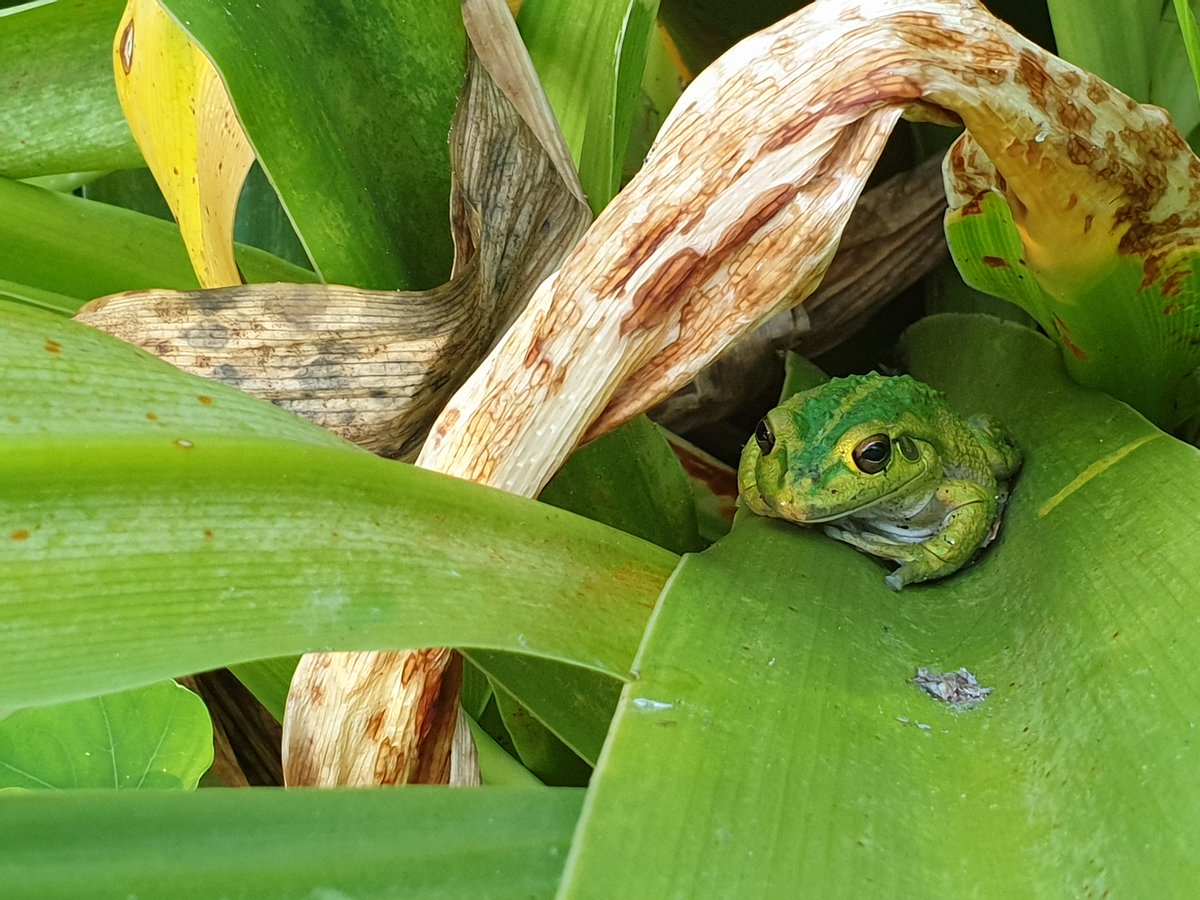
It’s #WorldFrogDay and researchers need your help to crack a ribbeting mystery. 🐸
WA's motorbike frog is thriving compared to its eastern-states cousins. By recording observations of frogs in our Urban Wildlife App you can help researchers find out why: https://t.co/oLfbggRdWI
Are you interested in a specific area of CAUL's research? Explore our new publications page and filter by themes including indoor air quality, liveability, urban greening and more.
https://t.co/rSYLLRotEA
On #IWD2021, we celebrate @CAULHub's women: from our early-career researchers helping us to understand many aspects of cities, our Leader @urbanfrogger who has been key in shaping our mission, to the fabulous women of our IAG and Steering Committee for guiding us on the journey.
Did you miss the panel discussion, ‘Creating sustainable, liveable cities for people and wildlife’ at #VicBioCon21?
Here’s your chance to catch up on the engaging discussion, featuring CAUL’s @HurleyJoe, @sbekessy and @SuperSculptress.
https://t.co/lTxCL4wFrT
Want to take a deeper dive on the indicators included in the AUO?
We've created a users guide to the AUO, stepping you through the indicators, their academic context, SDG connections, methodology, references, and metadata.
Download it here - https://t.co/DC39i6oRHl
How do we overcome the often shallow use of the word #sustainability and genuinely create meaningful outcomes for #biodiversity in urban spaces? @sbekessy argues that we simply haven't caught up with how valuable #nature actually is & often view nature as a problem
Thank you @HurleyJoe for starting the panel off with the thought-provoking question of what 'sustainability' and 'liveable' actual mean in the context of urban areas. Dr Herman re-frames the question by discussing what 'liveable' means outside of the human context #VicBioCon21
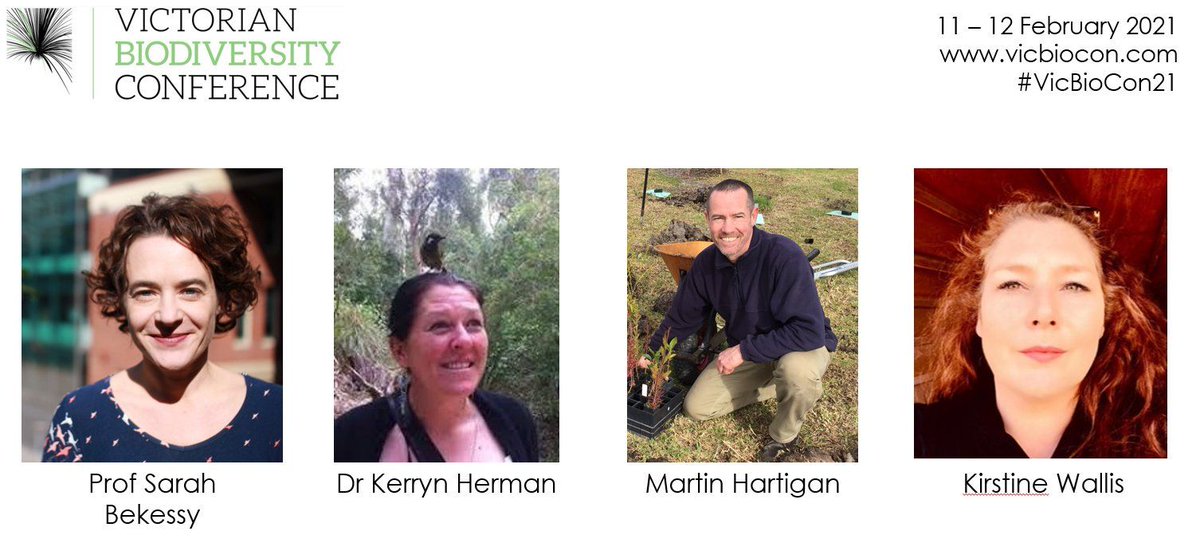
Gearing up for #VicBioCon21 's 2nd panel about sustainable cities for people and wildlife 💚 We'll be hearing today from Prof. Sarah Bekessy @sbekessy of @RMIT , Dr Kerryn Herman of @BirdlifeOz , Martin Hartigan of City West Water, & Kirstine Wallis of Indigenous Advisory Group,