"The recent police raid on the home of Barrie Drewitt-Barlow in the UK—linked in reporting to a human trafficking investigation—has reignited scrutiny over the surrogacy industry and the legal structures surrounding it. According to reporting, Essex Police carried out coordinated searches as part of an investigation into allegations including rape and human trafficking for sexual exploitation, with arrests made in connection to the case." Check out our blog post coauthored with @WombsNotForRent
https://t.co/DiDVABQr8h
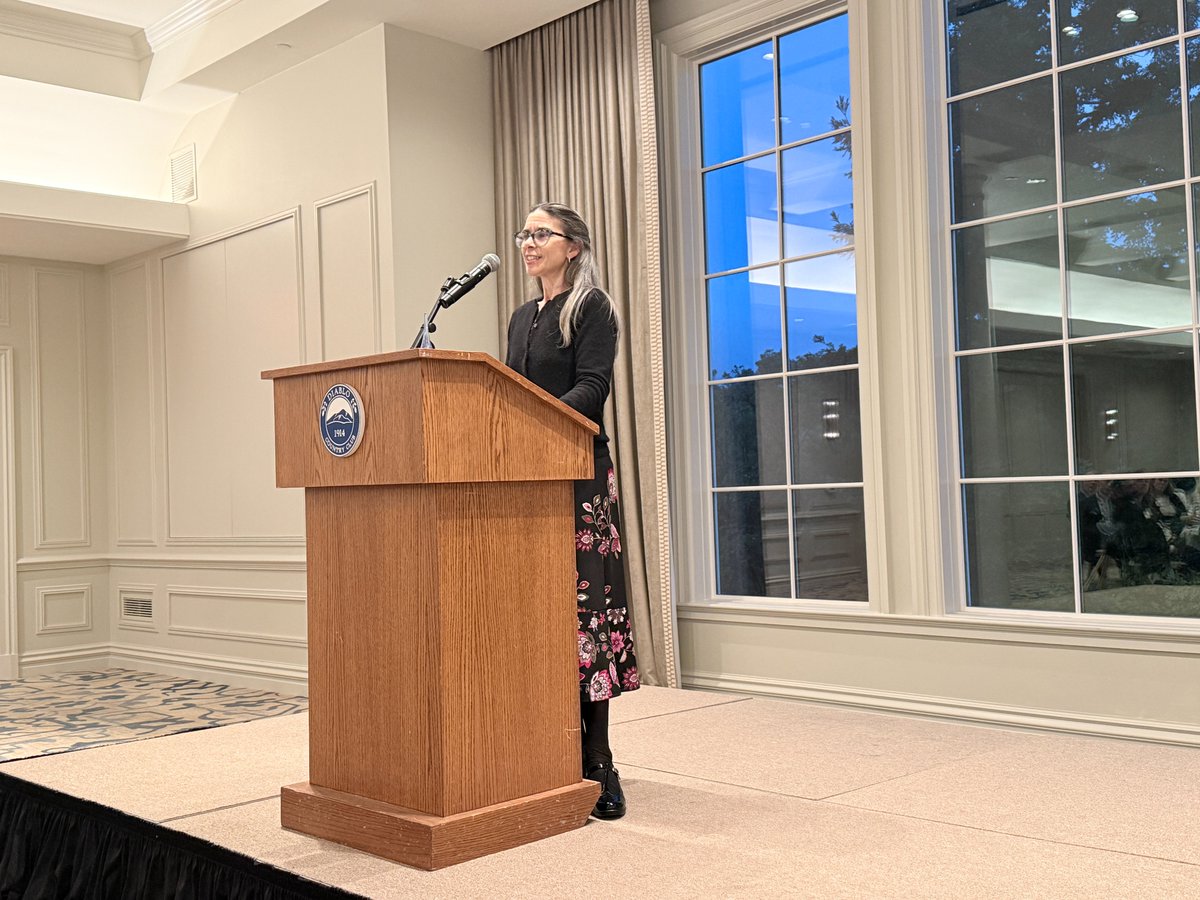
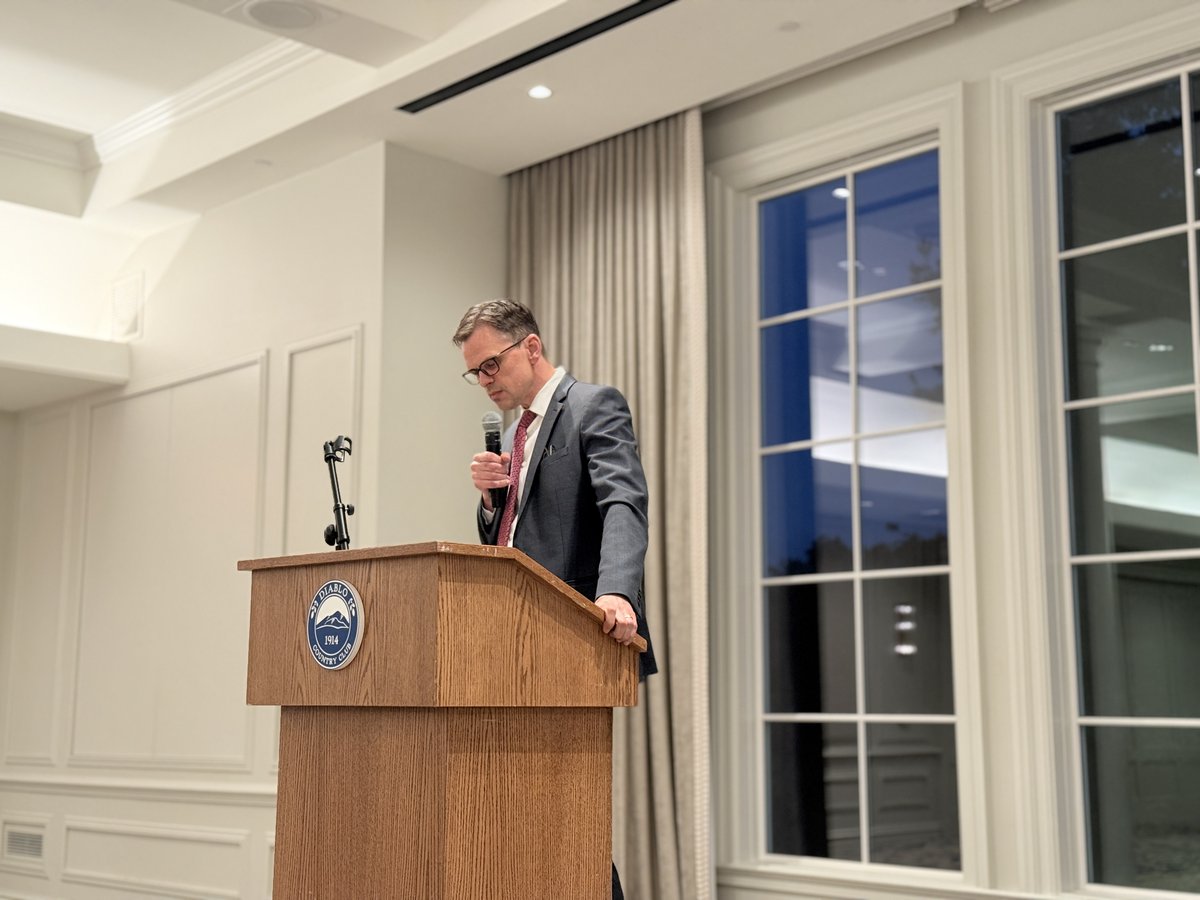
On April 11th, we were honored to present the 2026 Paul Ramsey Award to Dr. Ana Iltis, a distinguished scholar and champion of bioethics. Dr. Iltis spent the day inspiring our Paul Ramsey Fellows and then offered a powerful acceptance address at the Ramsey Dinner. Dr. Iltis spoke on the foundational importance of the human person and the basis of our inherent rights as human beings. She called us to a deeper respect for the human body and offered a compelling critique of the failures and dangers of euthanasia, urging us to uphold the intrinsic value of every person.
Our headline speaker, Dr. Aaron Kheriaty, delivered a thought-provoking address drawn from his important new book, Making the Cut: How to Heal Modern Medicine. Dr. Kheriaty challenged the audience to confront the urgent need to revamp modern medicine, restoring it to its proper ethical foundations and protecting both patients and physicians from ideological overreach.
The evening closed on a hopeful and actionable note as Development Director Kirstin Wallace invited guests to become active participants in CBC’s story. She shared how every gift — large and small — helps advance our mission of education, advocacy, and cultural influence, and encouraged attendees to join us in this vital work through their financial support.
The Paul Ramsey Dinner evening was marked by deep conversation, renewed commitment, and generous sponsorships that made the night not only possible but financially successful. The funds raised will directly support CBC’s ongoing programs, research, and outreach in the year ahead.
Thank you to everyone who attended, sponsored, or supported the 2026 Paul Ramsey Award Dinner. Your partnership strengthens our ability to speak truth into the most pressing bioethical issues of our time.
We will gather again on April 10, 2027, and we look forward to seeing many of you again next year! Make sure you add the date to your calendar now. As stated by Dr. Iltis at the dinner, we should remain in “faithfulness to each other” and continue this important journey throughout 2026 and beyond.
With gratitude,
The Center for Bioethics and Culture Team
Our annual Paul Ramsey Award Dinner was, as always, an incredible evening bringing together the brightest minds in bioethics. Here, the 2026 Award Winner, Dr. Ana Iltis, speaks on the practice of assisted suicide. What do you think -- is it compassionate to euthanize people even when natural death is not imminent?
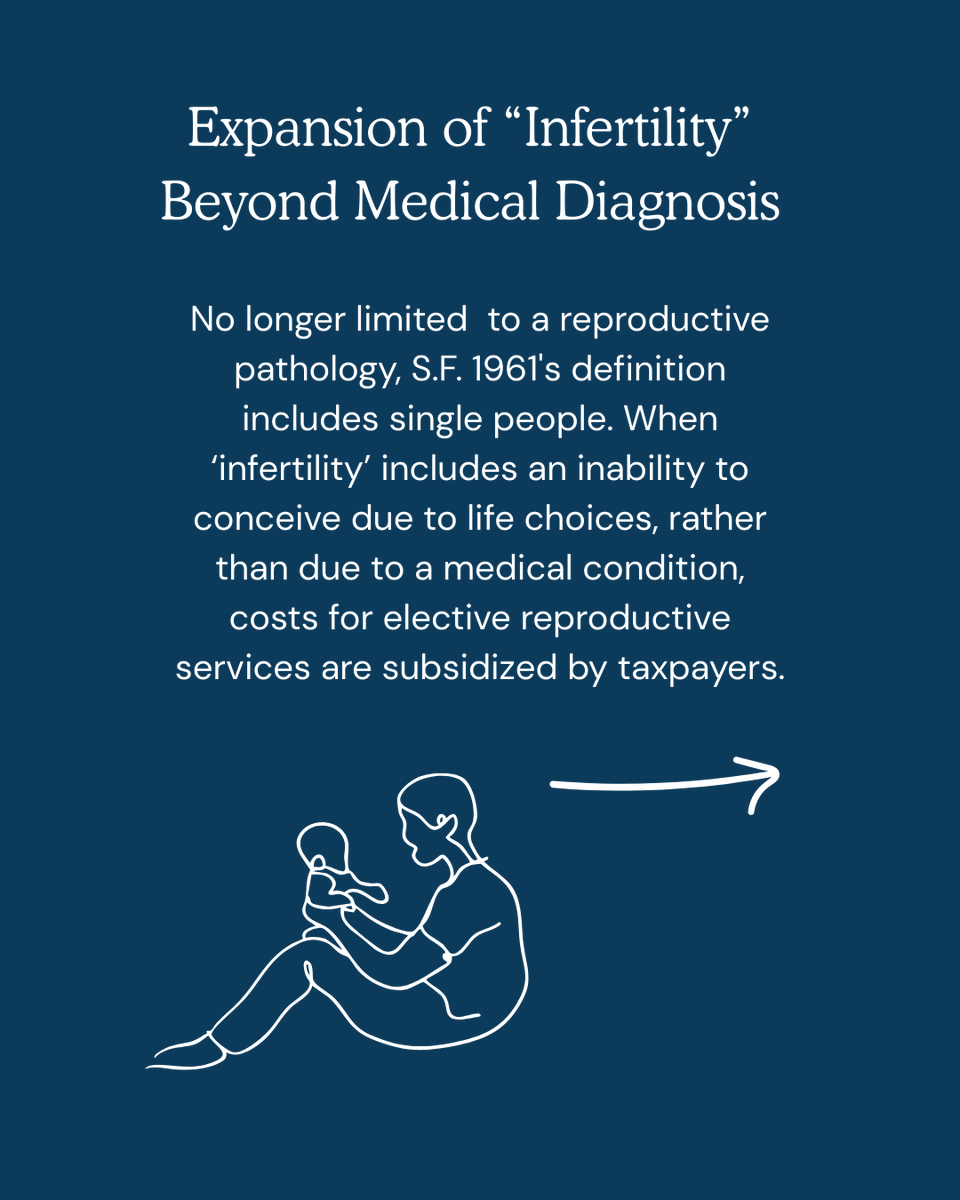
Minnesota has introduced a bill that would mandate insurance coverage for infertility treatment. It would redefine infertility to include single people, cover the worst excesses of IVF, and may even mandate coverage for surrogacy.
But these problems are not limited to Minnesota. Because Big Fertility has unadvertised risks, and has seriously downplayed deep ethical issues like creation of excess embryos and indefinite storage of embryos, any state or country that subsidizes these technologies will run into the same hazards to women and children, the same unfair and unethical burden to taxpayers.
Last week the Women and Equalities Select Committee heard that same sex male couples can have embryos created on the NHS in Scotland.
Where are they going to put these embryos in order for them to become babies and for the couples to become parents?
This is #surrogacy.
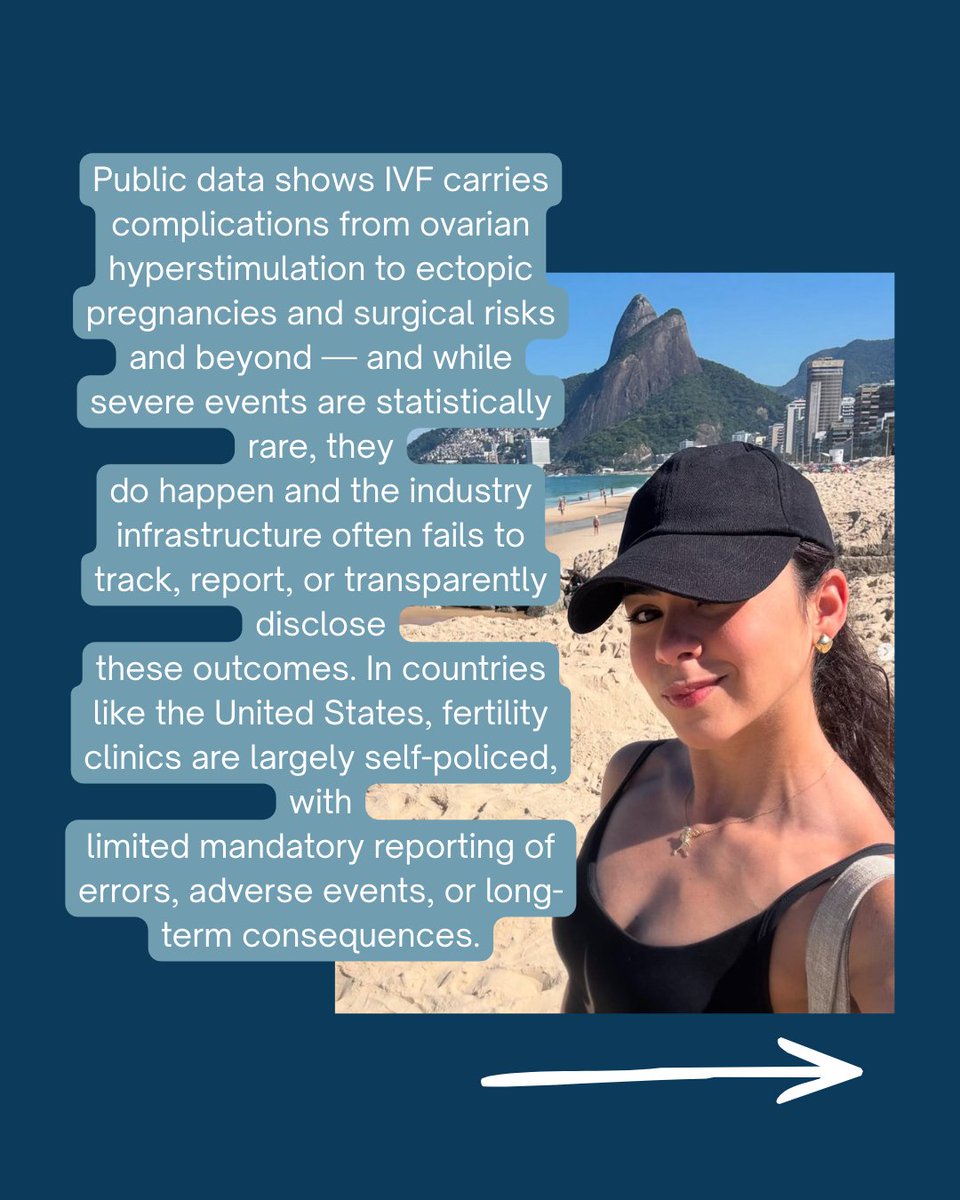
"Today, I’m mourning a life lost, and I’m also thinking about how we — collectively, socially, medically — can demand more transparency, accountability, and care from an industry that deals with the most intimate and vulnerable aspects of human life."
Executiv Director @kal_fell appreciate it writes on our blog.
The language of a Minnesota bill mandating insurance cover infertility treatment is broad and vague, opening the door for taxpayer-funded surrogacy. And this amounts to taxpayer-funded commodification of women and babies. In this clip, Sen Jordan Rasmussen references our testimony, the full text of which is up on our blog now.
In Minnesota, a bill mandating insurance coverage for infertility is under consideration. We submitted testimony against the bill, referenced here by Sen. Jordan Rasmussen. Why would we be against such a seemingly pro-family mandate? For one thing it expands the definition of infertility beyond a medical pathology to include elective reproductive technology services, opening up serious ethical questions for families and all taxpayers.
This petition is a call to the German government to uphold ethical boundaries and protect the most vulnerable. Anyone, regardless of nationality or location, can sign: https://t.co/KK3Jz7qjxd
In Germany, the long-standing Embryo Protection Act is currently under immense political pressure. New legislative proposals aim to legalize surrogacy and egg donation, which would open the door to the commercialization of human life.
The UK Parliament recently opened an inquiry into egg donation and egg freezing. Their inquiry examines whether women donating and freezing their eggs do so with sufficient information about the process, health impacts and consequences and whether the current regulatory framework provides sufficient safeguards to people who go through these procedures. Here's the gist of what we submitted to Parliament, and it applies everywhere egg freezing and donation are increasing in scope. You can read our full submission to Parliament on our blog.