The Chesapeake Biological Laboratory (CBL) is an environmental research & education facility of the University of Maryland Center for Environmental Science
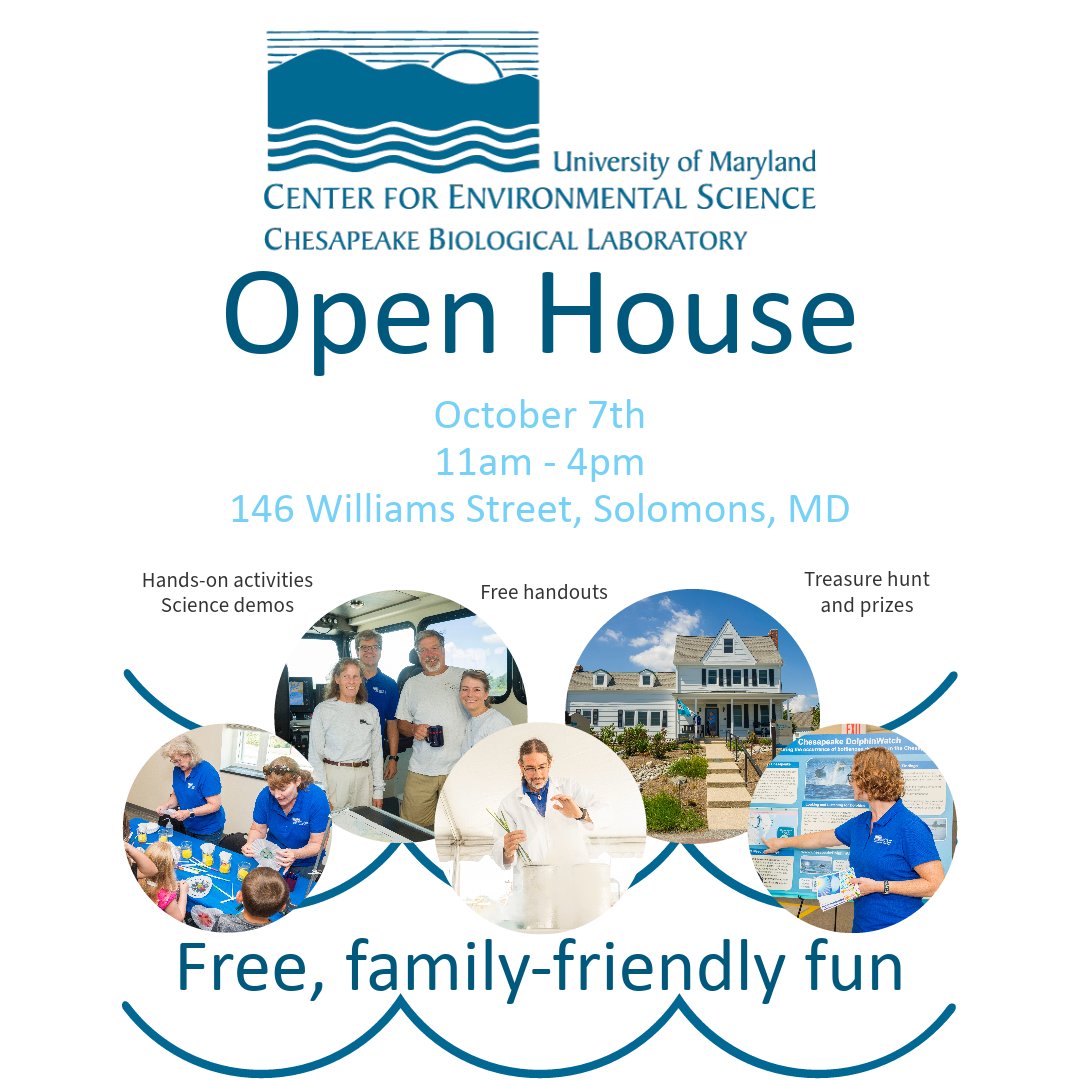
UMCES @Chesapeake Biological Laboratory is hosting its Open House this Saturday, October 7th, from 11am - 4 pm. Come join us for some family fun and learn more about the environment and science on Solomons!
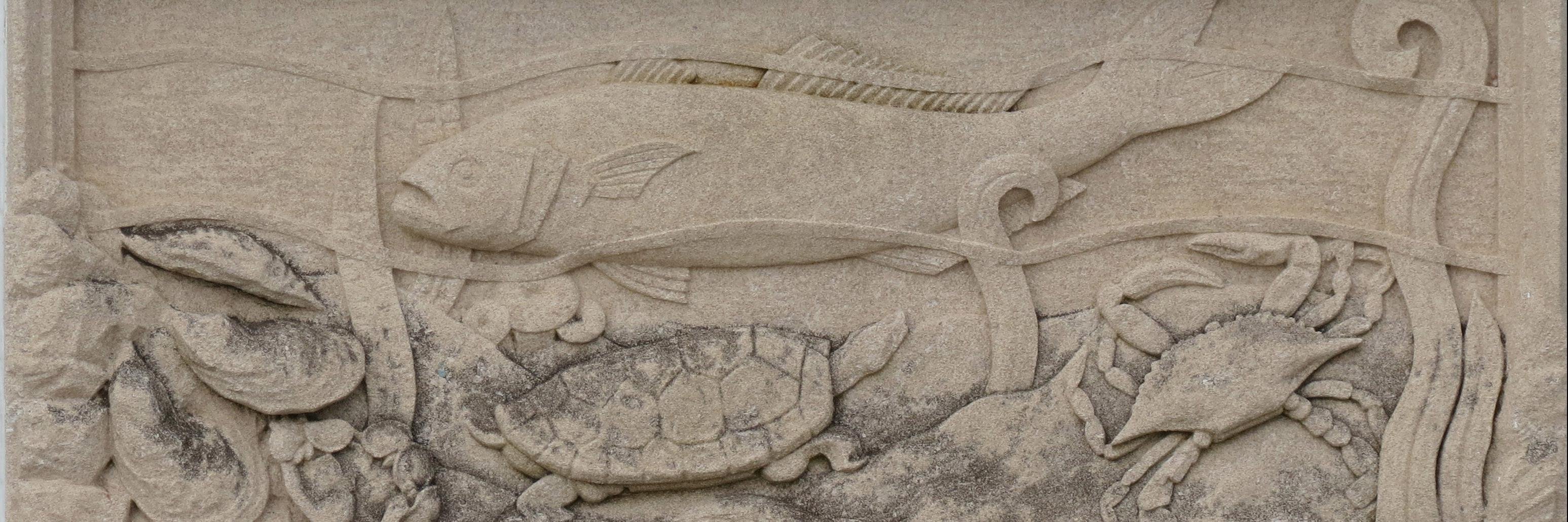
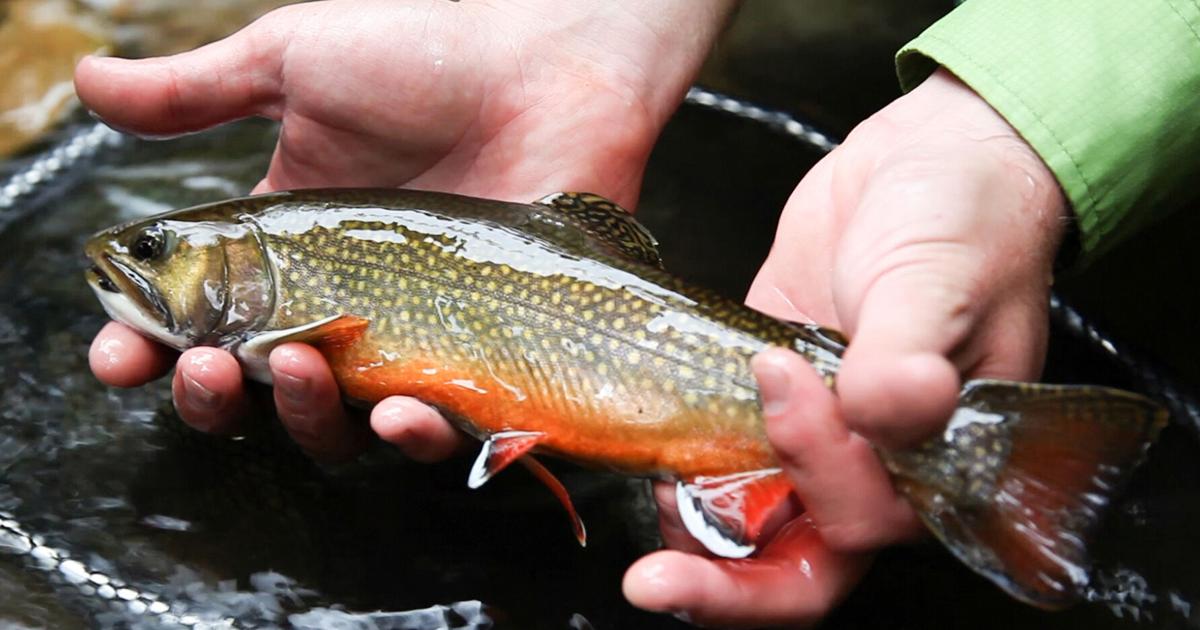
“[Blue crabs] probably shaved 3 weeks at either end,” said @TomAtCBL, who heads @UMCES’s #Chesapeake Biological Lab. “So their winter has gone from 5 months, down conservatively to 4 months, possibly to as little as 3.5 months.” https://t.co/AZGcEU4g53
@ChesBayJournal #Climate
Nearly a century ago, when pioneering crab biologist Reginald Truitt was working with the Bay’s blue crabs, the crustaceans spent nearly five months burrowed into mud as they hibernated during cold months...
Times, & temps, have changed https://t.co/AZGcEU4g53 @ChesBayJournal
Want to work with us this summer?
Half of the undergraduate students admitted to the @MDSeaGrant's Research Experience for Undergraduates program are matched with CBL faculty advisors!
Apply through MDSG by Feb. 15th: https://t.co/JSXTuZEooW
#REU#Internship#Research
Are you an undergraduate student looking for a paid summer #research internship studying ocean, coastal or environmental science? The deadline for our summer REU program is coming up soon! Apply by Feb. 15. Full details: https://t.co/YQtbwf6nfE
📸: Mike Allen / MDSG
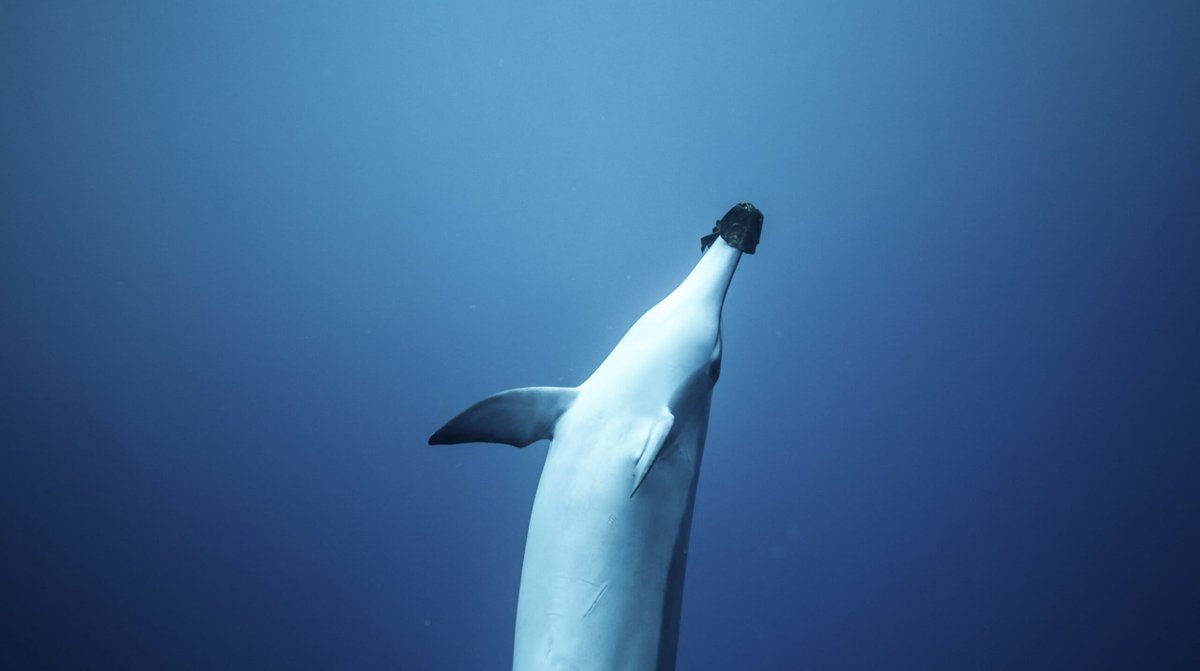
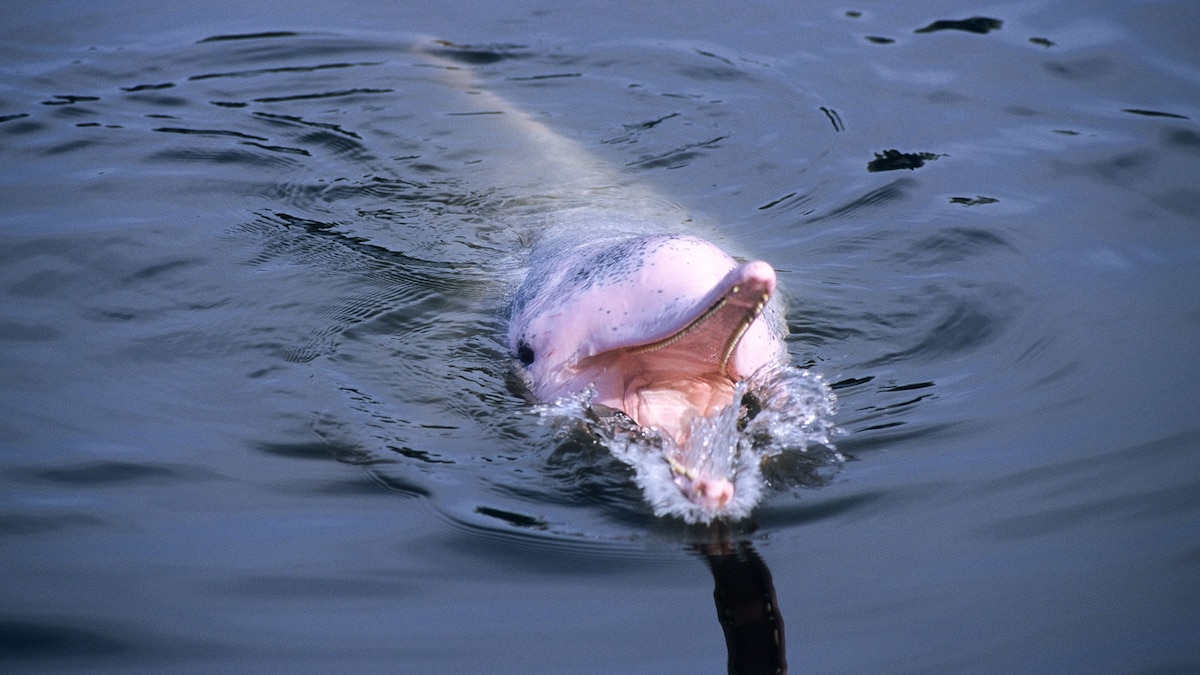
#Dolphins will adjust their calls in the face of underwater noise pollution, with Helen Bailey, research professor at @UMCES, describing it to the BBC as “similar to when we shout louder when we are talking in a noisy bar.” https://t.co/zqKCIeG3Ic
#Environment#Ocean
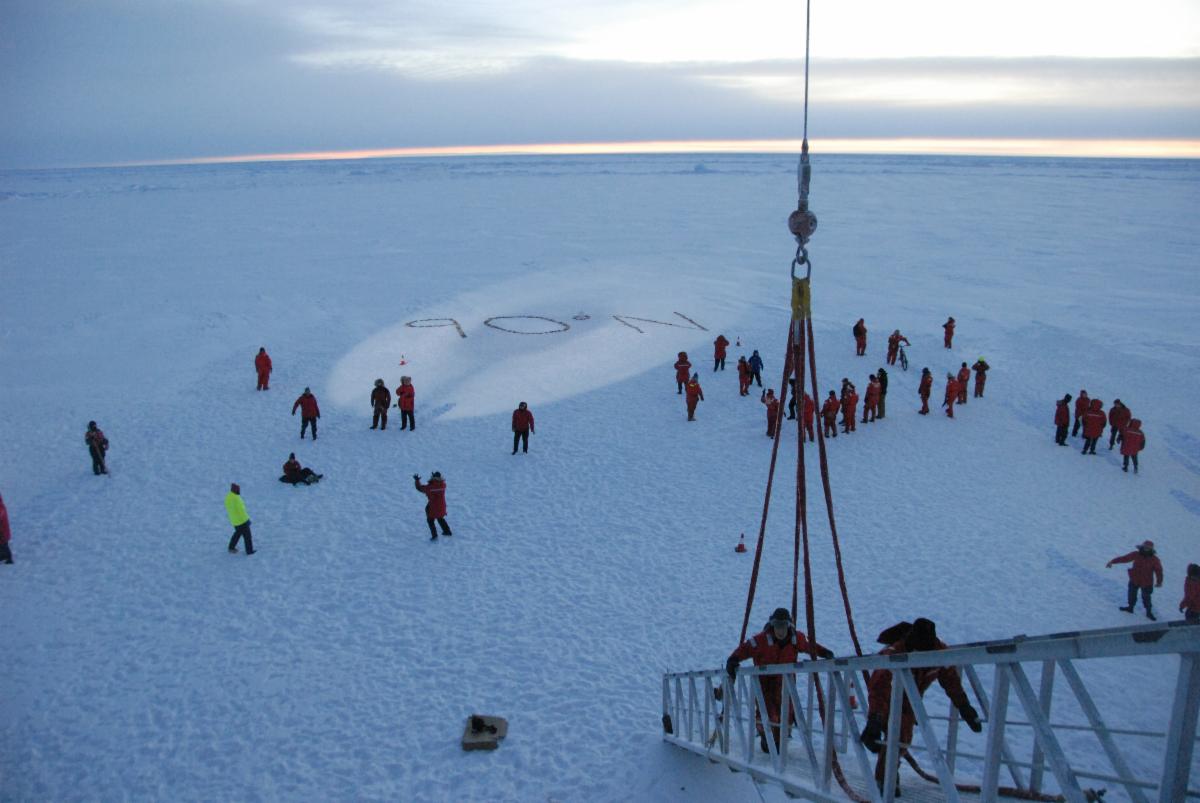
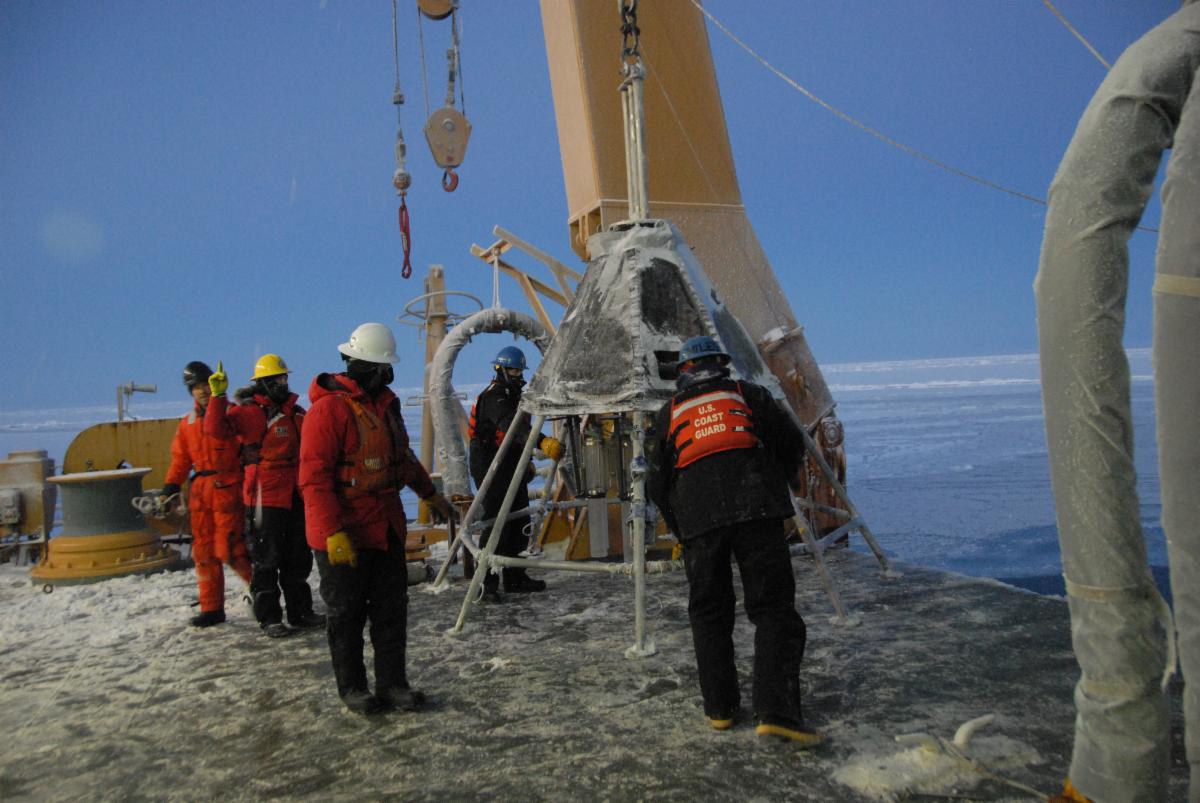
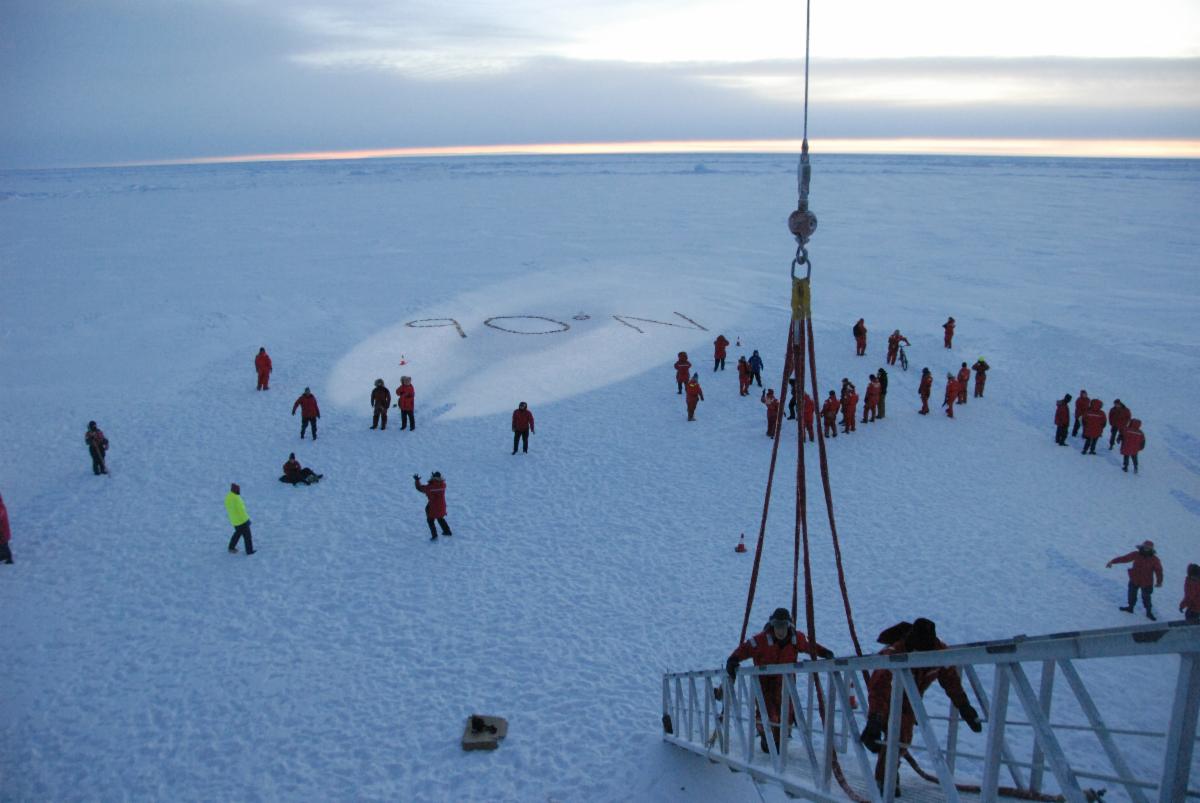
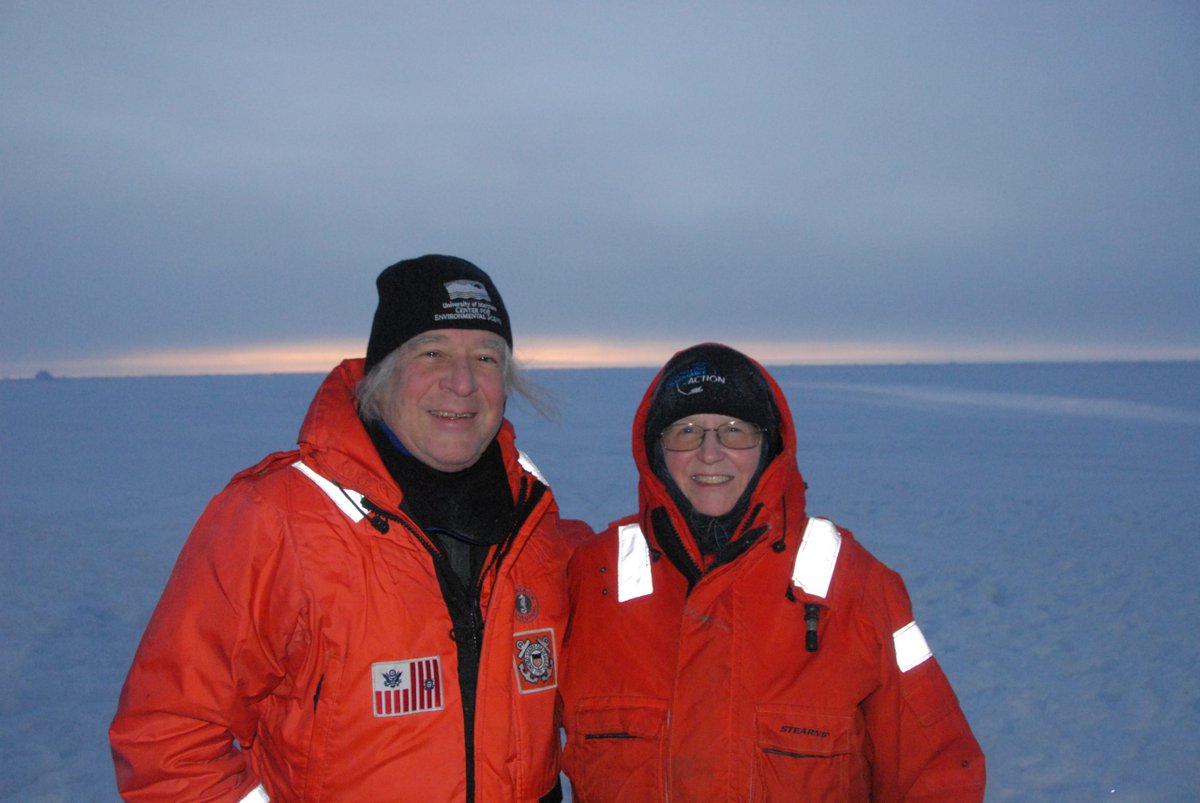
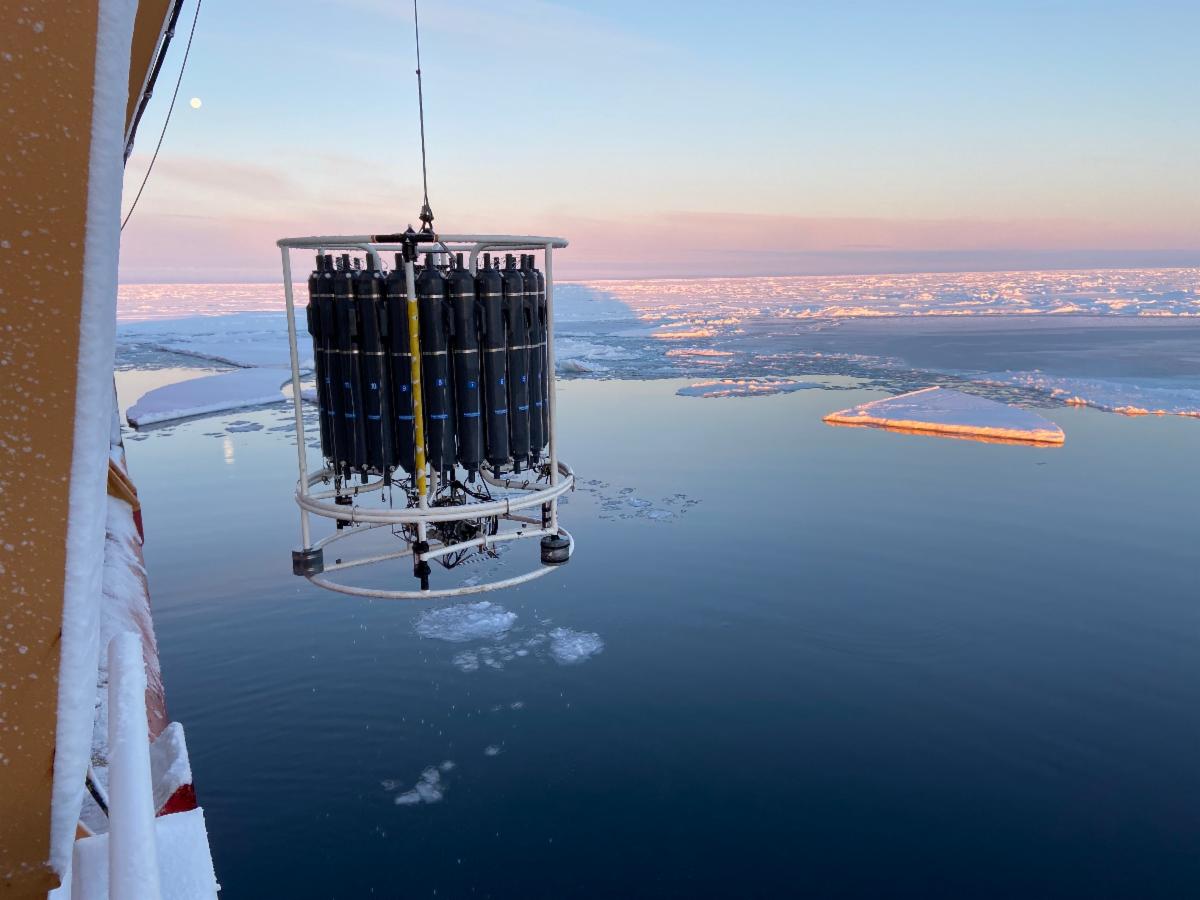
Drs. Jackie Grebmeier and Lee Cooper traveled to the North Pole this past fall on an #Arctic science research cruise.
Read about their travels in this @SpinSheet article: https://t.co/dSv1OSHpkw
@ArcticCBL#ArcticScience
🍬🌊🥤How does #microplastic accumulate in the global ocean?
🌊👶🧓Why do we have to rethink the age of the deep #ocean?
Dr. Micheael Gonsior explores all this and more during his interview with @finding_genius!
#Chemistry#Environment
“Clearly there are some species—#dolphins, tooth #whales, killer whales— that use [sound] for hunting prey, & quieter oceans are important for them” says Colbert of @UMCES CBL. “But there are so many animals that haven’t been studied at all.” 🐬 🔊 👨🔬 https://t.co/SzDHNgV8XC
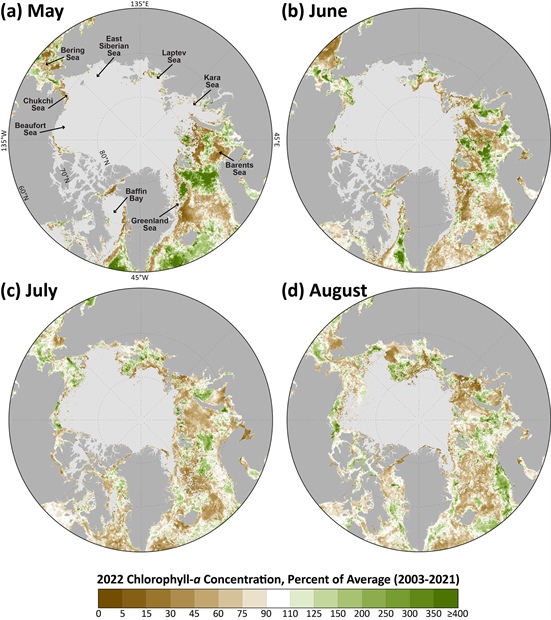
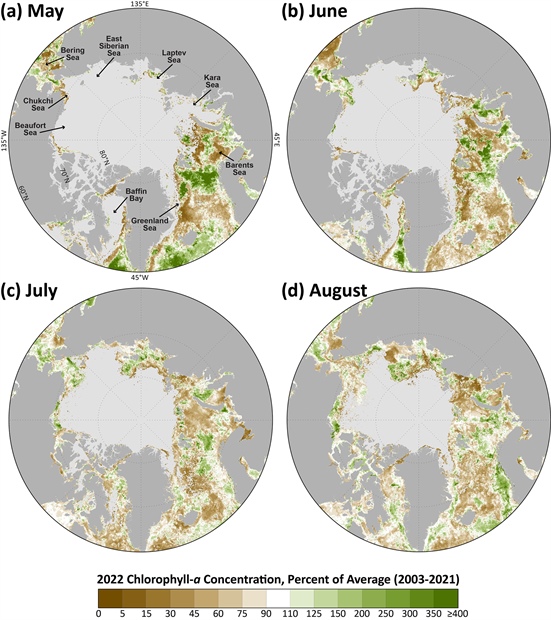
In 2022, the #Arctics sea ice extent was well below the long-term average. Most regions continued to show increased ocean plankton blooms, or ocean primary productivity.
Drs. Lee Cooper & Jackie Grebmeier contributed to this section of #ArcticReportCard https://t.co/4aWN0Bn7Vc
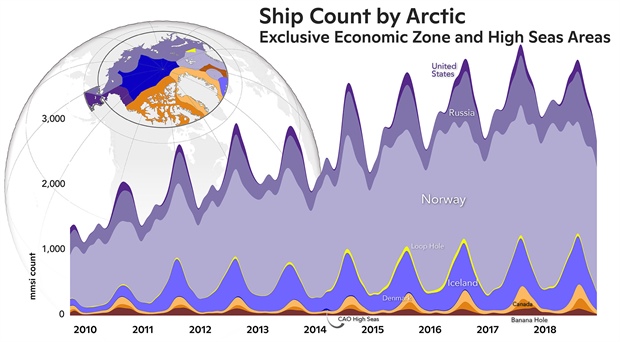
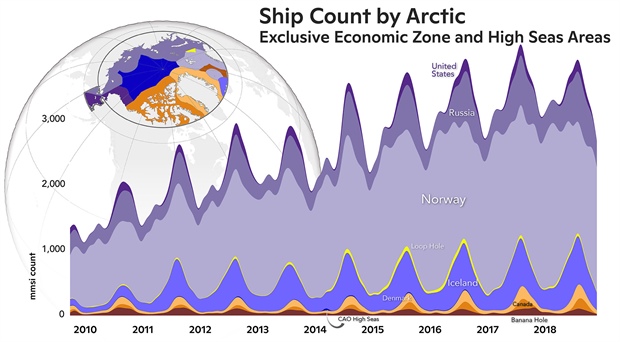
As sea ice is diminishing, #Arctic maritime ship traffic is increasing
⬇️🌊❄️🟰⬆️🚢
Understanding this change in relation to coastal community welfare, the dynamics of natural systems & socioeconomic development will be critical to informing decisions
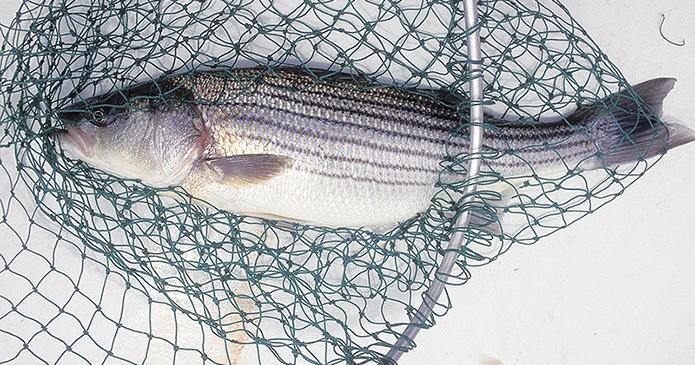
“There's too much mortality in the #ChesBay on males & subadult females owing to the interaction of warming, hook & release mortality, & disease. Summer has never been a hospitable time 4 these individuals, but it’s gotten considerably worse” ~ @SecorLab https://t.co/G86feizcsV
“There are some things that [#StripedBass] don’t have going for them, that they did when they recovered so many years ago,” says @SecorLab of new challenges facing rockfish in the #Chesapeake. Read his thoughts on #InvasiveSpecies, #ClimateChange & more https://t.co/hR8p7w09Tv
Dr. Lee Cooper & Dr. Jackie Grebmeier, of @UMCES CBL, are co-authors of part of the #ArcticReportCard: Arctic Ocean Primary Productivity: The Response of Marine Algae to Climate Warming & Sea Ice Decline https://t.co/4aWN0Bn7Vc
@ArcticCBL#ClimateChange#Arctic#SeaIce
2009-2018 satellite records show ⬆️ ship traffic in the Arctic as sea ice ⬇️. The most significant increases in maritime traffic are occurring from the Pacific Ocean through the Bering Strait & Beaufort Sea 🚢
https://t.co/MIDJDAALRr ~ w contributions from Dr. Jackie Grebme
Human-caused #ClimateChange is having an ever-increasing effect on the Arctic. From the ocean to the air, warming trends are increasing.
Learn more in the 2022 #ArcticReportCard, w contributions from @UMCES CBL scientists Jackie Grebmeier & Lee Cooper https://t.co/v7X6NH47cd
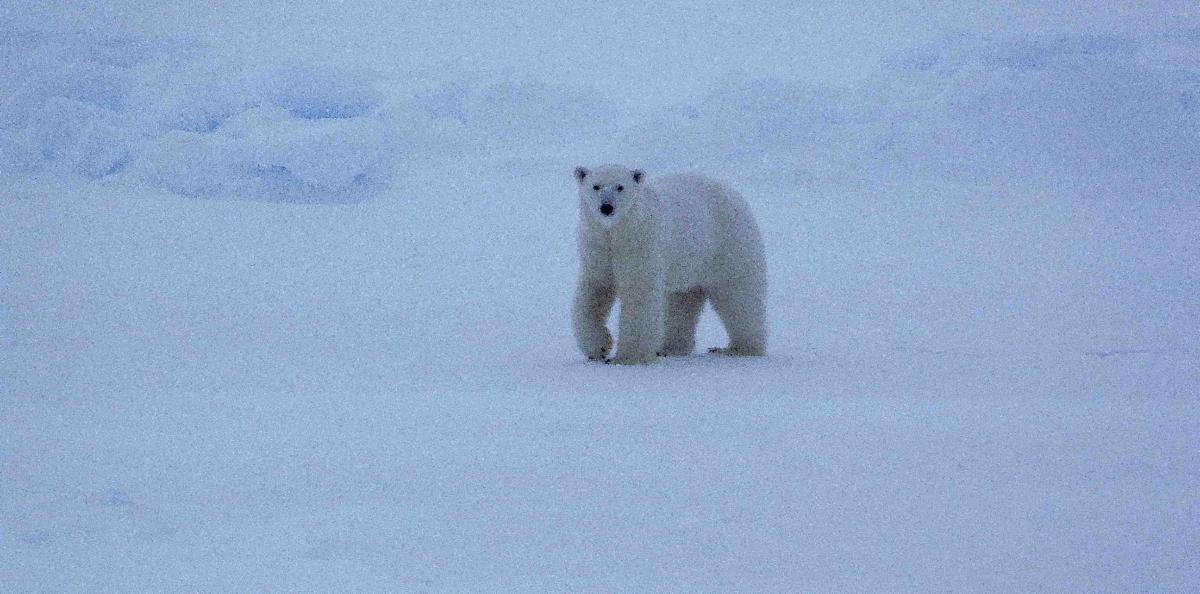
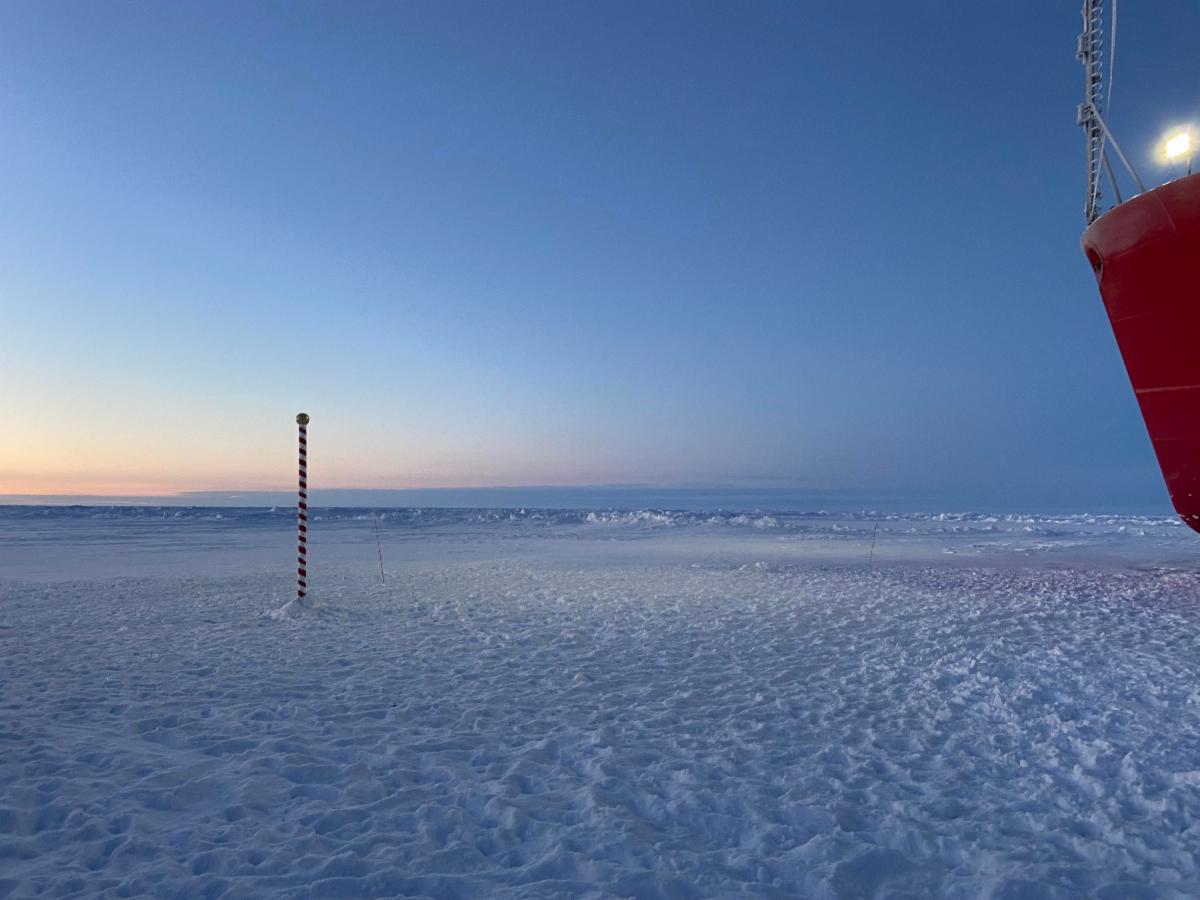
What does the North Pole really look like? ❄️🔬🚢👩🔬🎅
5 scientists from @UMCES CBL found out this past fall, when they traveled from #Maryland to the #NorthPole while studying #Arctic#oceanography aboard the @USCGPACAREA Cutter Healy: https://t.co/Qt9i14wRz7
#Santa
Scientists Lee Cooper & Jackie Grebmeier have been visiting the #Arctic on research expeditions for more than 30 years, but they have never visited the North Pole. Until now... 👩🔬👨🔬❤️❄️🌊🚢🔬 https://t.co/69D4T68DPn


![CBLOutreach's tweet photo. “Clearly there are some species—#dolphins, tooth #whales, killer whales— that use [sound] for hunting prey, & quieter oceans are important for them” says Colbert of @UMCES CBL. “But there are so many animals that haven’t been studied at all.” 🐬 🔊 👨🔬 https://t.co/SzDHNgV8XC https://t.co/2xEHelOP8H](https://pbs.twimg.com/media/Flqo0caX0AM2FlK.jpg)



![CBLOutreach's tweet photo. “[Blue crabs] probably shaved 3 weeks at either end,” said @TomAtCBL, who heads @UMCES’s #Chesapeake Biological Lab. “So their winter has gone from 5 months, down conservatively to 4 months, possibly to as little as 3.5 months.” https://t.co/AZGcEU4g53
@ChesBayJournal #Climate https://t.co/EUebBVWoc8](https://pbs.twimg.com/media/FoSgCrEWcAEOpjB.jpg)




![CBLOutreach's tweet photo. “There are some things that [#StripedBass] don’t have going for them, that they did when they recovered so many years ago,” says @SecorLab of new challenges facing rockfish in the #Chesapeake. Read his thoughts on #InvasiveSpecies, #ClimateChange & more https://t.co/hR8p7w09Tv https://t.co/7Wur2Ahb47](https://pbs.twimg.com/media/Fk_ZomQWQAMvni_.jpg)