Spending more money on education is surprisingly ineffective at boosting teacher salaries. Inflation-adjusted K-12 funding is up 25% from 2002-2020. Average teacher salaries are down 0.6%. https://t.co/1PRJkDHJ8e
A thread on my latest column for @EducationNext (1/6)
This is amazing. Tens of thousands of low-income and disabled students are first in line to get TEFA scholarships (as they should be).
Demand is real. It’s not just from advantaged families already in private school. Lives are going to be changed because of this opportunity.
🚨School choice opponents are crying today!
OFFICIAL demographic information for the students who have received TEFAs (so far) is out.
- Majority low-income students
- Majority special needs students
- Majority SWITCHERS from public schools
The fearmongers' myths are BUSTED!
There are some moves shrinking districts try before layoffs:
-lobby the state for more overall money or hold harmless funding to offset revenue losses from serving fewer kids
-lobby for property tax increases to offset state revenue losses
These are surprisingly effective alternatives to actually downsizing staff
I agree with this, and the evidence from LEARNS in Arkansas so far supports it.
But pension boosts are basically required in the current system, because teacher pension plans are underfunded in the first place. That’s what’s been gobbling up teacher salary increases.
It’s clear that states are going to have to play a much larger & heavy-handed role in school consolidation over the next decade. It’ll be painful, but individual districts aren’t able to handle school closures at this scale.
I don’t think people have fully absorbed just how big the declines in student enrollment are going to be.
Eight states are projected to experience DOUBLE DIGIT declines by 2031.
@FlowTap1@NealMcCluskey Nobody should expect switcher rates to start high for a young universal choice program. Still, this is worse than sloppiness on their part.
@SenMarkKelly Dude, the whole point of school choice is to reduce how zip codes and family resources determine a child’s school.
Also, it’s federally funded and doesn’t take a dime from public schools. The opposite is true. Public school kids will get scholarships.
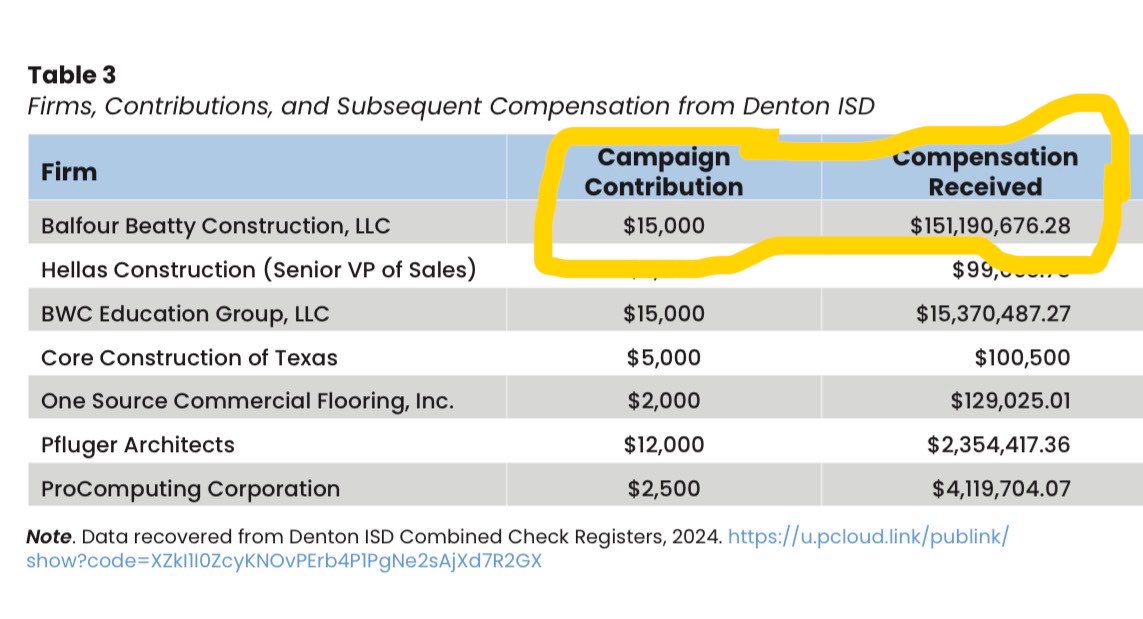
Gracious.. Balfour Beatty contributes $15k to a TX school district bond campaign.. gets $151.2 MILLION in payments for capital projects when the bond passes. Money well spent 😳
We are never going to have effective cost control in higher education if the government doesn’t start saying to colleges: “No. This is too expensive. We’re not going to pay for it.”
@marcportermagee@PrestonCooper93 Private lenders will fill some of the gap, but they are less likely to underwrite riskier loans for students with poor credit, who can’t get a co-signer, or who are pursuing degrees in low-ROI fields.
It’ll push down on tuition and keep students from drowning in debt.
Federal student loan expansion was intended to increase access.
It sure did!
It increased access to insane amounts of taxpayer-backed debt for questionable degrees that students can’t/don’t repay.
Many low-ROI degree programs are a product of colleges offering majors that they have no business offering.
It might not even reflect program quality. It could be that the institution isn’t selective enough in what students they accept into certain programs.
@ManhattanInst@FREOPP I then explore strategies to improve ROI. First, try to improve students' earnings.
➡️Expand high-value majors
➡️Require low-performing majors to create improvement plans
➡️Invest in career services, including internships
➡️Close the weakest programs
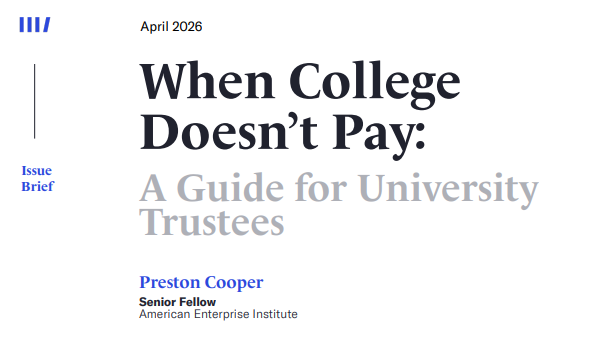
Excited to share my latest report for @ManhattanInst.
Why college trustees should care about the ROI their institution offers students--and what they can do about it.
god I hate this faux populist bullshit. K-12 is also free for rich people, as are public parks, the fire dept, libraries etc. Study after study shows means testing is the quickest way to gut programs for the rich AND the poor because it erodes the public base of support.
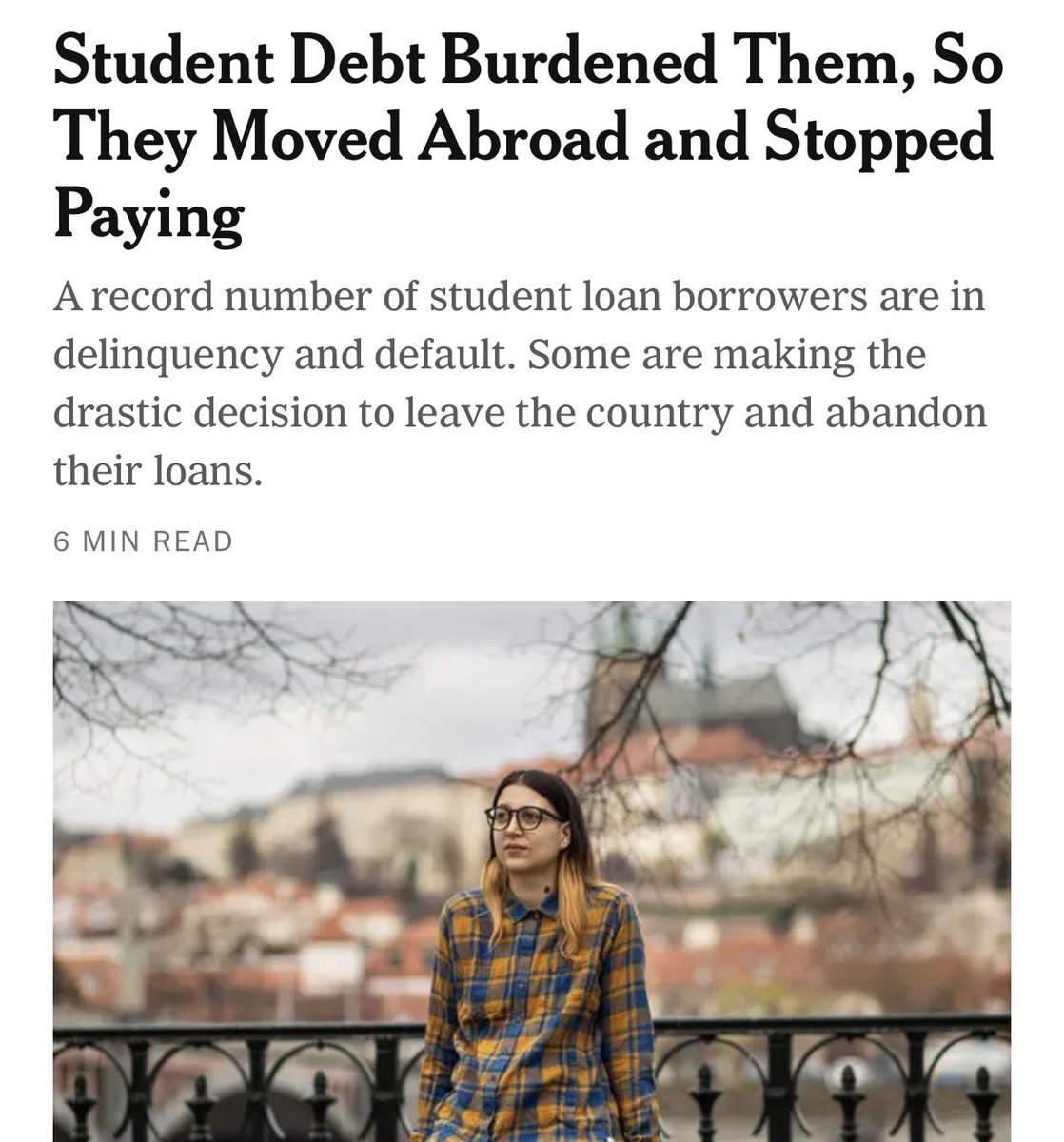
“Ms. Tully was on an income-based repayment plan, which allows many borrowers to have their remaining debt forgiven after 20 years … She was paying $60 per month when she defaulted. This amount, to many, may seem manageable. But for her, it remained psychologically burdensome”
It’s remarkable how common this is at major universities—large shares of programs with little/no enrollment.
84 Syracuse academic programs served a combined total of *258 students*
Kids already in private schools are always going to be more likely to *apply* for a new ESA program.
But the policy design in TX ensures those who are less able to afford private education on their own are first in line to *receive* an ESA, since funds are limited.
These are data on who has applied. The eventual data on who participates will look different.
The law requires us to prioritize students with disabilities and low-income students, and those two groups could use up all available funding in year 1.
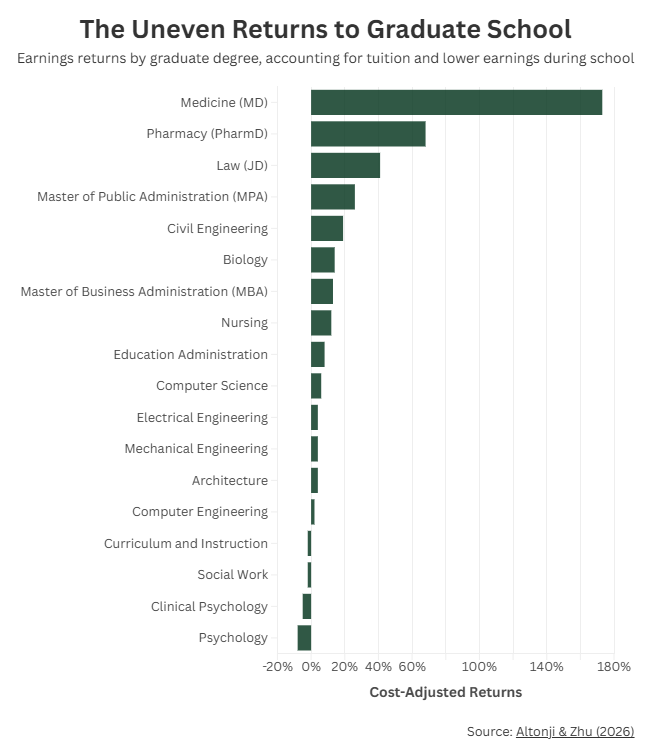
My latest for @AEI: two great new reports from @PeerResearch on grad school outcomes.
One calculates that the financial returns to many popular grad degrees are low or negative.
Another shows grad school completion rates are lower than often assumed.
https://t.co/lL5I5k13cz