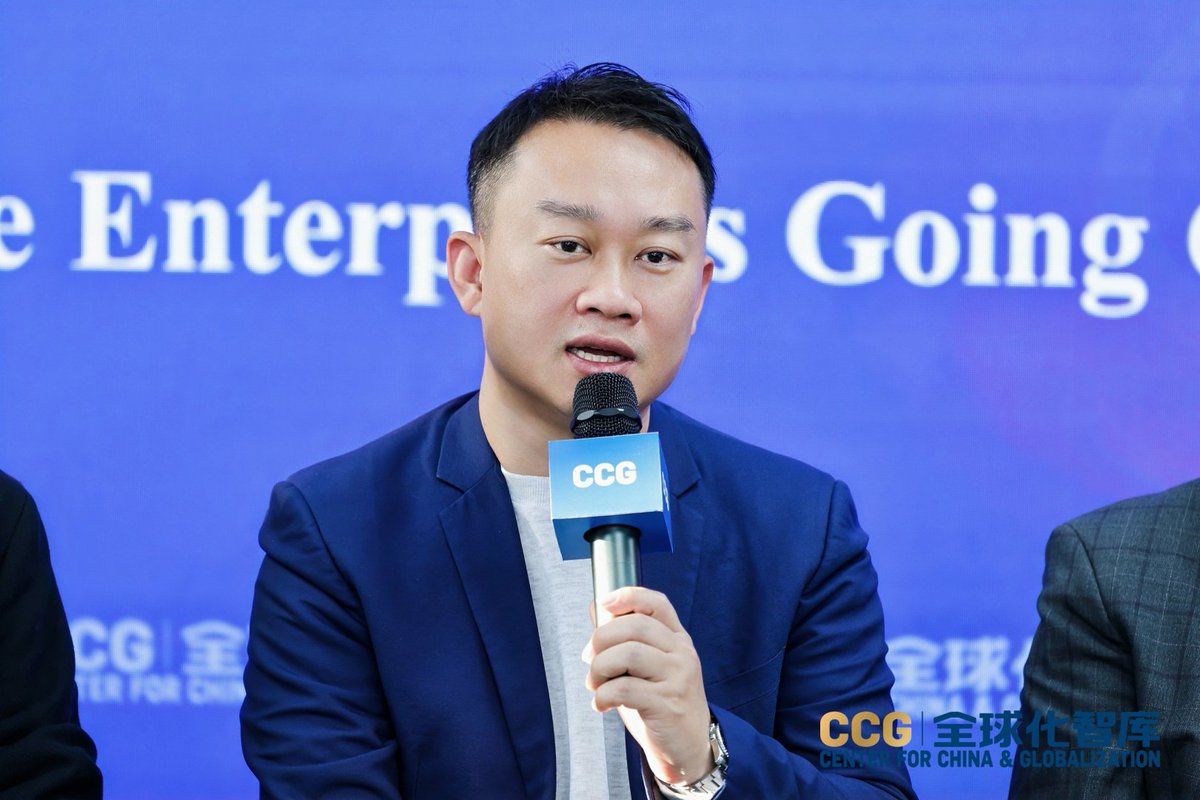
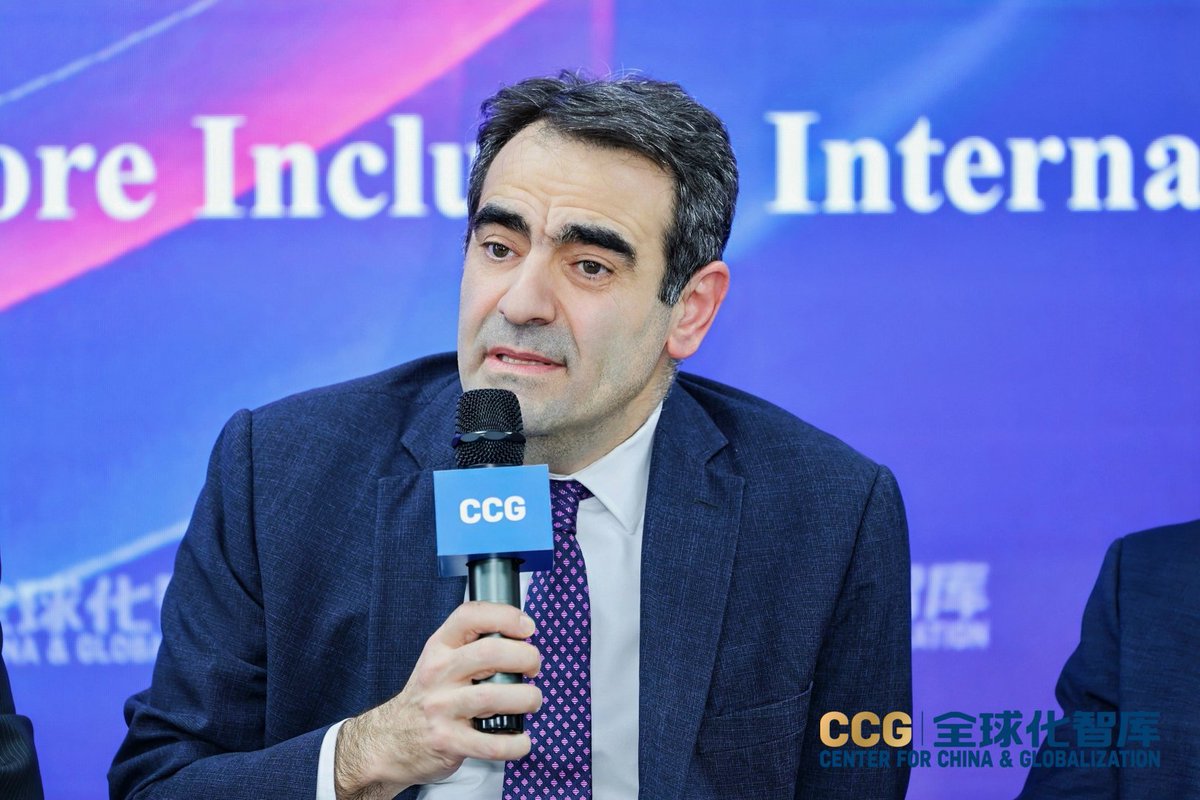
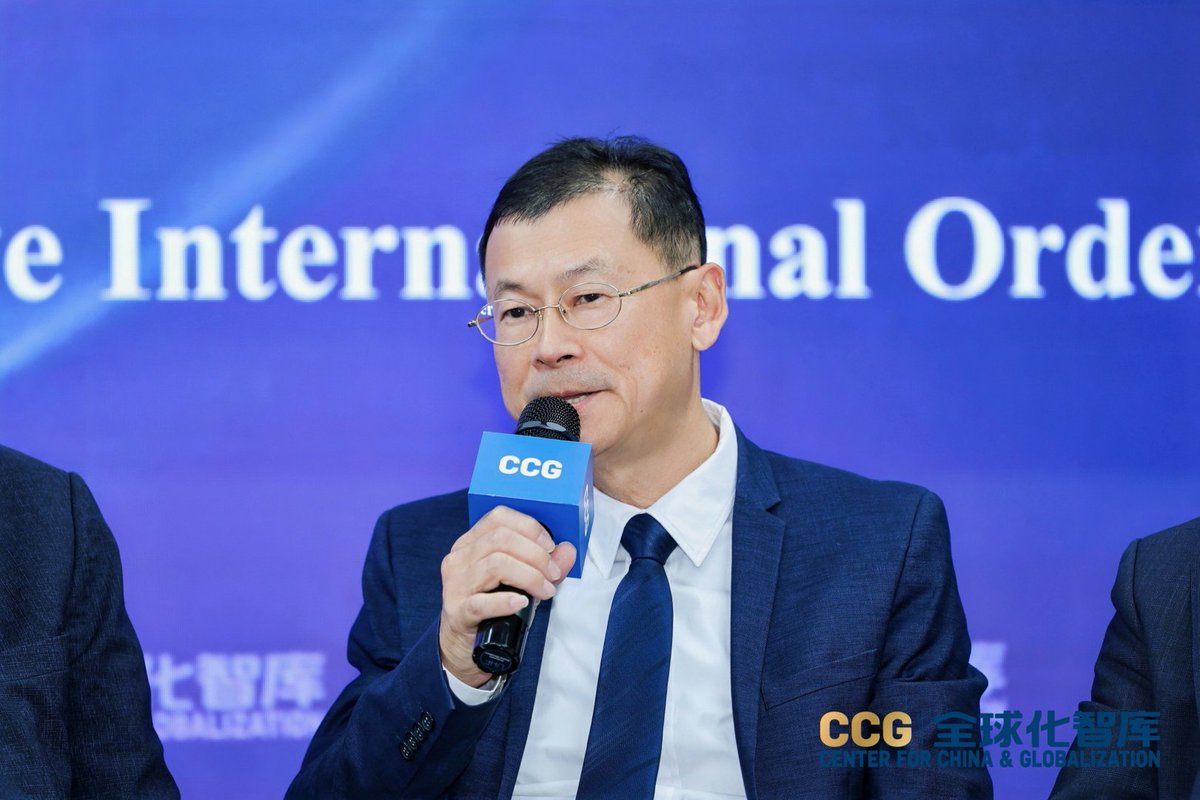
“These companies look forward to having global scale. They want to be like Toyota or Hyundai, which are global success stories, and have an interest in Canada.” — @ZichenWanghere, on Chinese automakers’ global expansion, as featured in @globeandmail
https://t.co/jexAg71pzh
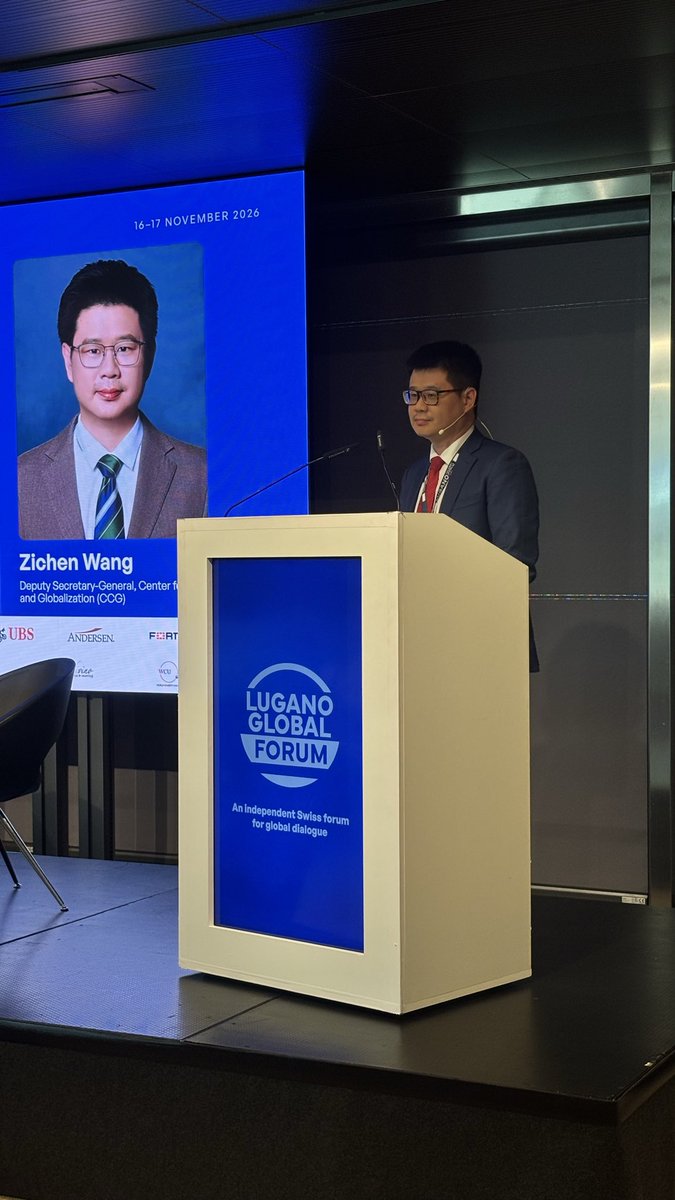
The View from Beijing: China and the New Global Order
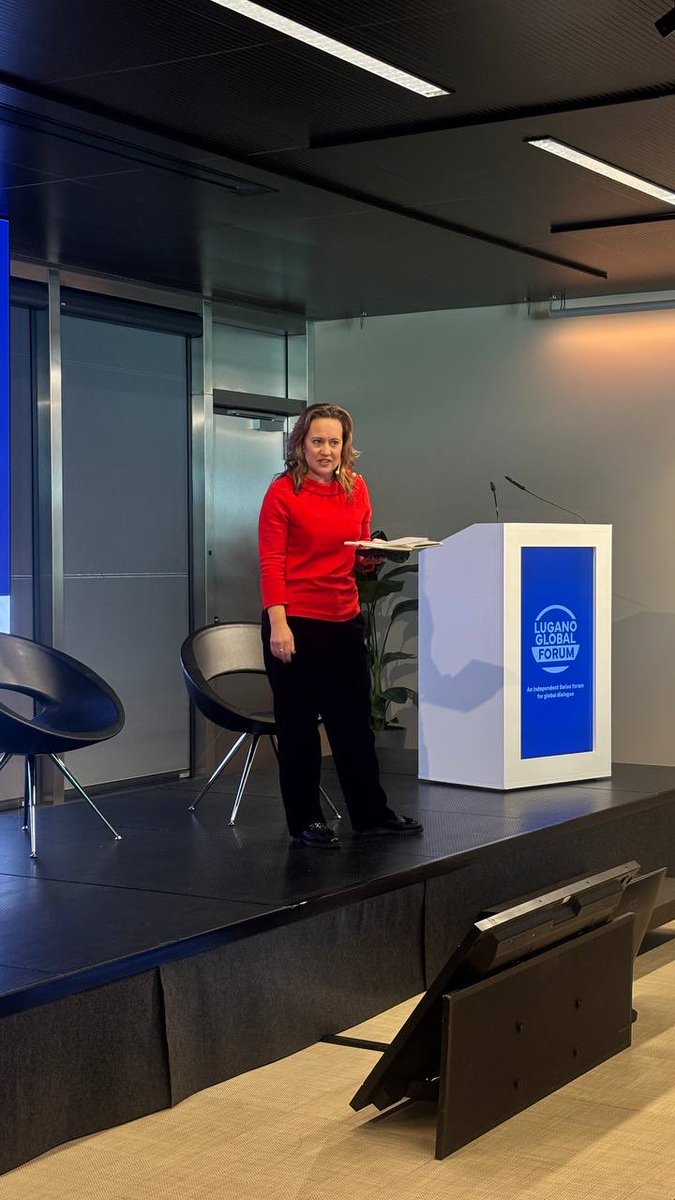
Zichen Wang, Deputy Secretary-General of the Center for China and Globalization in Beijing. Introduced by Sally Bundock.
“Key-man risk,” weak compliance and poor governance can also threaten overseas operations, Gao warned. Chinese firms seeking long-term success abroad must strengthen ESG and governance rather than simply replicate domestic management practices.
Gao Hao of Tsinghua University said weak corporate governance can derail overseas acquisitions. He cited a Chinese firm's failed bid for a European family business after due diligence found decision-making and control were concentrated in one person.
Yu Zhichao of Beijing Zero Gravity Space Technology said satellite exports face Chinese government reviews, including checks on destination countries. Given the sector’s sensitivity, he recommended local partnerships and joint ventures to secure business and protect operations.
Panasonic’s localization in China extends to management and decision-making, said Ning Yue, director of its Government and Public Affairs team in Beijing. With 58 legal entities and over 40,000 employees in China, most of its subsidiary heads and senior executives are now Chinese
He also identified opportunities for Chinese firms in the UK in renewables, industrial automation, EVs, healthcare technology and energy-efficient building materials.
Qiu Zhaojun, CEO of the Britain-China Local Economic and Trade Cooperation Promotion Association, said Chinese firms can expand in the UK through local SME acquisitions and service partnerships, not just exports.
Local rules challenge Chinese ride-hailing firms abroad, said Chao Sun of Sunshine Mobility. Germany requires private-hire cars to return to base between bookings; in the UK, only licensed black cabs can take street hails. Platforms must adapt dispatch and fleet operations.
Yu estimated that about 25 Chinese commercial satellite companies have launched at least one satellite, alongside 11-12 rocket makers. With domestic competition intense, he said the company sees overseas markets as a key growth opportunity.
China’s Beijing Zero Gravity Space Technology expects a major strategic partnership and order in Nigeria, vice-president Yu Zhichao said. Its chairman plans to meet President Bola Tinubu during next week’s ASEICC 2026 space conference in Abuja.
Yu put a typical three-satellite package at $700m-$1bn, without giving a value for the prospective Nigerian order. He said the systems could protect leaders and monitor assets, terrorists and opposition groups; imaging satellites offer 0.25-metre resolution.
CCG Vice President Zhang Wei opens session on Chinese enterprises going global with three questions: where new growth lies, whether cost or regulatory and governance capabilities matter more, and how public and private actors can build a resilient support ecosystem.
Türkiye’s Ambassador to China Selçuk Ünal said “the world is bigger than five,” backing UN Security Council reform. He argued that the erosion of the existing international order should not lead to inaction, calling on UN member states to work collectively towards a new one.
Sun Xiansheng, chairman of the International Society for Energy Transition Studies, proposed a Global South platform to coordinate on issues and give the group a voice commensurate with its population and economic weight, potentially involving ASEAN, the African Union or Morocco.
He said the Bandung principles of sovereignty, territorial integrity, non-interference and equality among countries, large and small, laid the groundwork for South-South cooperation and developing countries’ participation in global governance.
Ma Jianchun, President of the China Society for WTO Studies and former Chinese ambassador to The Gambia, traced the Global South’s roots to the 1955 Bandung Conference and the 1964 Group of 77, which gave developing countries a platform to speak collectively.
He noted that developing countries account for 70–75% of the world's population and have contributed nearly 80% of global economic growth over the past decade, arguing that their growing economic weight deserves greater recognition.
Loh Wee Keng, Chairman of the Malaysian Chamber of Commerce and Industry in China, said Global South countries deserve equal treatment and a greater voice in global affairs, regardless of their economic size, population or level of development.