In Tennessee, one in four residents—25% of the population—is now taking prescription mental health medications, well above the national average. This rate, based on 2021 QuoteWizard data, surged 15% in just the first ten months of that year amid pandemic stresses. The dramatic rise highlights growing reliance on psychotropic drugs and the urgent need for awareness of patient rights, informed consent, and non-drug alternatives.
https://t.co/UZ0HkzFeB3
There is no evidence linking depression to serotonin deficiency, argues psychiatrist Joanna Moncrieff @joannamoncrieff
In this debate, she suggests depression is rooted in personal trauma, and that its reputation as a medical condition was deliberately engineered by the pharmaceutical industry.
Join her alongside Anna Lembke and Sarah Wilson in “The pathology of everyday life”. https://t.co/fcMoEORntB
⚠️ WARNING: Think twice before allowing your child to take SSRIs for anxiety or depression.
When Charay Gadd-Spencer thinks of her daughter, she remembers a girl who loved to draw, played soccer year-round in Michigan and dreamed of becoming an Air Force pilot.
But in July 2024, London told her mother she needed help with anxiety.
Within days, she was prescribed fluoxetine, a selective serotonin reuptake inhibitor (SSRI) commonly known as Prozac.
Less than a month later, she took her own life.
She was 12.
Study shows prevalence of dementia among people with schizophrenia is a staggering 28% at age 66 vs 1.3% in 'controls'. Antipsychotics and other medications suggested as possible cause https://t.co/mQl5yYzoYy
Are antidepressants being overprescribed?
Psychiatrist Joanna Moncrieff argues that the chemical imbalance theory that depression is caused by a serotonin deficiency is not supported by evidence. The staggering rise in people being prescribed antidepressants, she suggests, is a sign of how we've medicalised normal human experience.
Tap here to watch her full debate, “The pathology of everyday life,” with Sarah Wilson and Anna Lembke. https://t.co/fcMoEORntB
Happy 250 Years, America! 🇺🇸
Since 1969, CCHR has helped enact over 190 laws worldwide protecting citizens from psychiatric abuse and upholding informed consent and human rights in mental health care.
Tennessee is leading the way with stronger protections and we’re just getting started.
Here’s to another 250 years of freedom, checks & balances, and real mental health rights for every American.
CCHR Tennessee – Protecting Minds & Liberties
#America250 #MentalHealthRights #CCHRTennessee
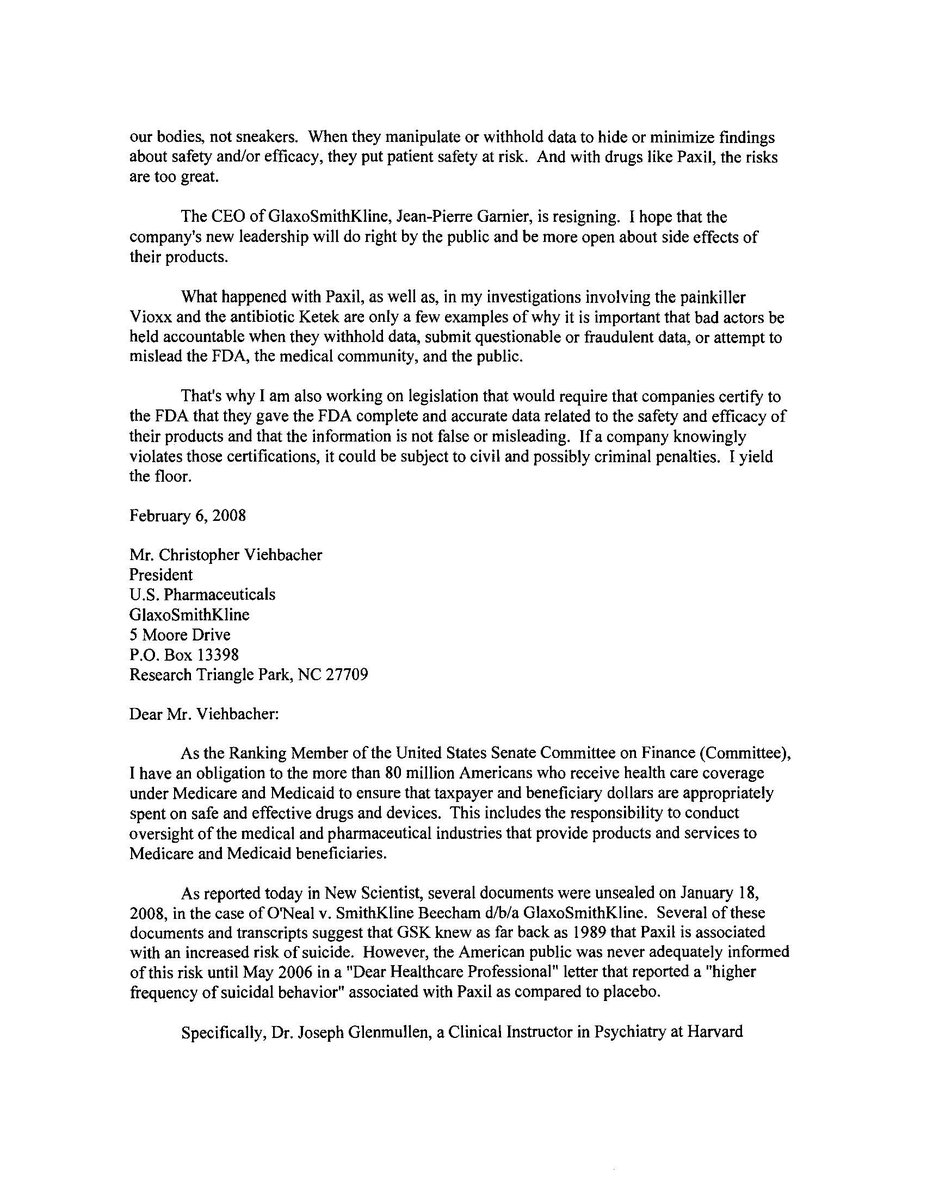
"Essentially, it looks like GlaxoSmithKline bamboozled the FDA."
— @ChuckGrassley Senator Grassley on Paxil (2008)
Nearly two decades later, we're still debating many of the same issues: hidden data, selective publication, regulatory transparency, and accountability.
Without litigation unsealing internal company documents, much of what we know may never have come to light.
Follow the documents.
Thanks again @thackerpd for your tireless work back in the early days.
#HistoryMatters #antidepressants #fda #psychiatry #mentalhealth
Exciting news! First 100 attendees get a free Italian Ice from Columbia’s own Joey Italian Ices. This Friday is Grand Opening, 6pm! #ColumbiaTN#FirstFriday
Exciting news! First 100 attendees get a free Italian Ice from Columbia’s own Joey Italian Ices. This Friday is Grand Opening, 6pm! #ColumbiaTN#FirstFriday
While Her Own Agents Protect Anthony Fauci, Inspector General Appears Frightened of Investigating the National Institutes of Health https://t.co/1qdgNS2tiS Despite multiple criminal referrals from Congress and the NIH, Inspector General will only audit grants for performance /1
82,605 Tennessee schoolchildren are on psychotropic drugs. That’s 1 in 12 kids.
As a parent, that number should stop you in your tracks.
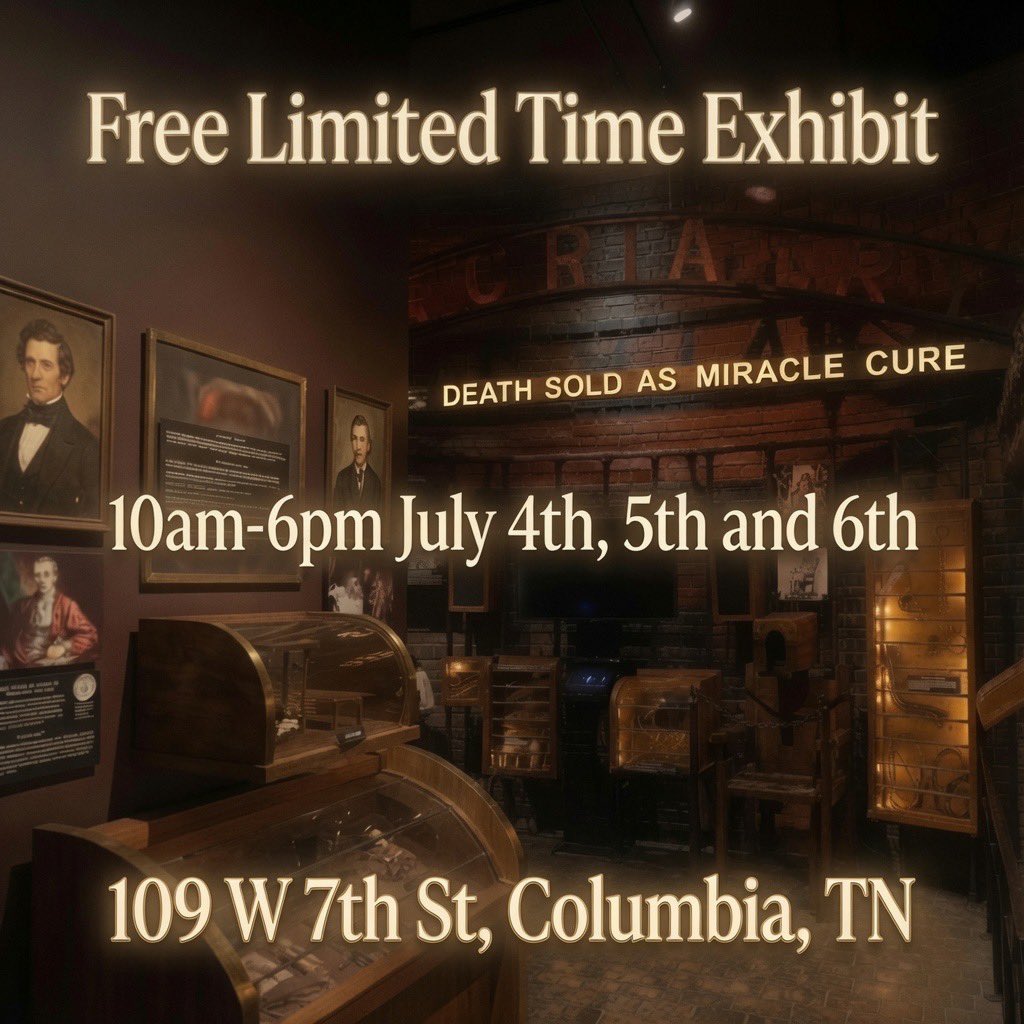
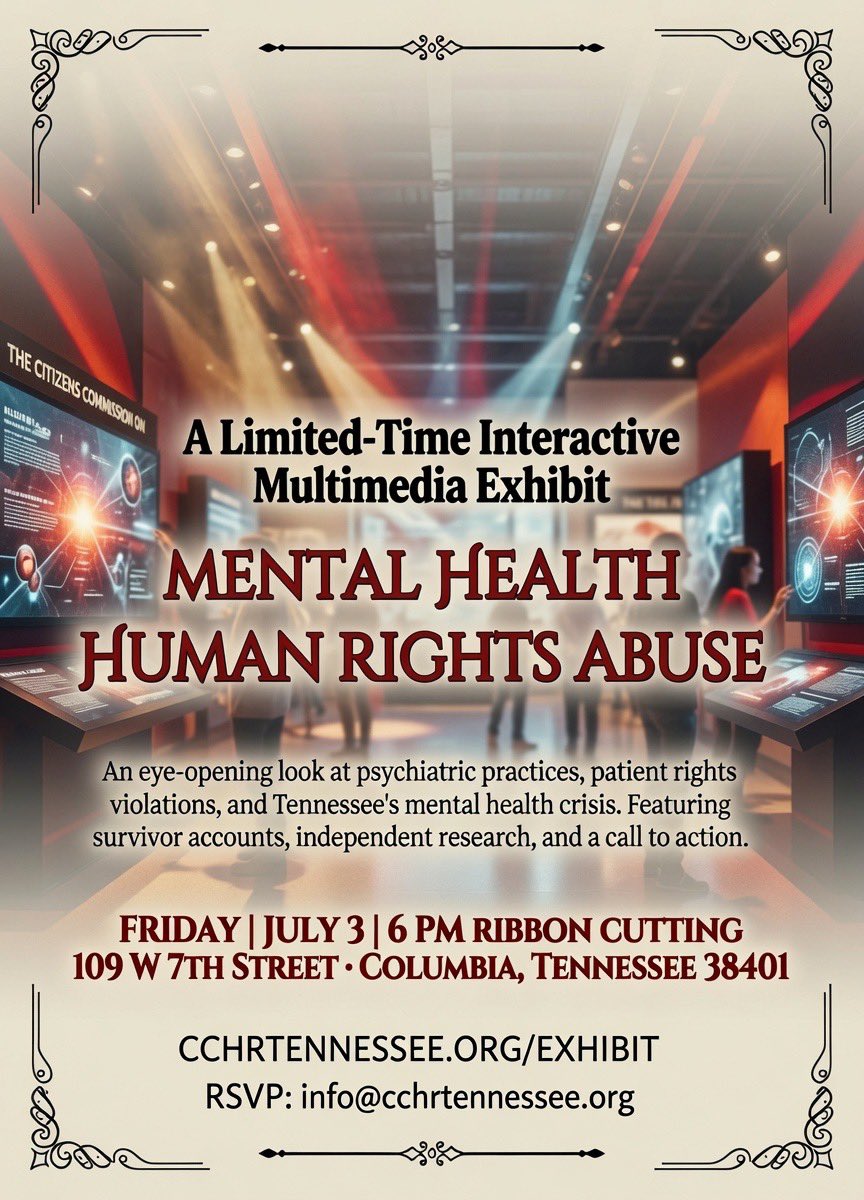
A free exhibit opening July 3rd in Columbia, TN breaks down what’s happening — and what you can do about it.
📍 109 W 7th St, Columbia, TN
📅 July 3–6, 2026 | Free Admission
Bring a friend. This one matters.
We must never forget the 1991 FDA hearings about the emergence of violence and suicide linked to antidepressants.
Thirty-five years later, there has never been a full government investigation into that question.
How can we insist something doesn’t exist if we’ve never been willing to seriously examine it?
Internal documents, adverse event reports, and thousands of families’ experiences suggest these questions deserve more scrutiny, not less.
If you don’t look, you’ll never find what you’re not willing to see.
Glad to see states like Tennessee asking the questions others have been reluctant to ask.
Thanks @MidwesternDoc for posting.