Cover crops continue to gain popularity with cotton growers for one simple reason: they make soil healthier. But don't just take it from us. Let these three cotton farmers take you along their soil health journeys courtesy of the Soil Health Institute.
More data = better #cotton. The Cotton Variety Initiative from @CottonInc uses basic and applied research to improve lint yield, fiber quality, and stress tolerance all while reducing input costs and promoting sustainability. Check it out: https://t.co/0FXLsogAqd
Are you familiar with https://t.co/ldqPfCAJqR? This tool will display and provide tools for #cotton growers to compare yields & fiber quality of new cotton varieties. Data is available free-of-charge to cotton growers thanks to @CottonInc and SeedMatrix.
https://t.co/gczKGZNjAV
In this webinar, Michael A. Jones with @CUESNews breaks down #cotton variety to help you know what to look for when making your selection for next season.
https://t.co/8MV0BRGXZN
The rise of value-added transgenic traits is making #cottonseed variety selection more complicated, but we can help you make the right choice.
Check out our latest newsletter. #cotton
https://t.co/CJLaSqu3bl
There is no one-size-fits-all approach for an effective soil & nutrient management plan. Work closely with your agronomist or other partners to determine the best management techniques for your #cotton operation. Check out our newsletter.
https://t.co/GW3uidmAo7
Healthy soil = healthy #cotton. How can you be sure your soil is providing the necessary nutrients to produce healthy cotton? This article from Jeffrey Silvertooth, Extension Agronomist with @UAZCoopExt, is a great starting point to learn more.
https://t.co/Tj7yti3kga
Are you a #cotton producer in located in the Cotton Belt? Check out this overview of #covercrops for information on termination, selection and establishment
https://t.co/5xHYQtLMiW
The biggest barriers to using cover crops are typically moisture management, input costs and pest management. Implementing the right system for your operation can help quell these concerns. #cotton#covercrops
https://t.co/1ps9pp2jo8
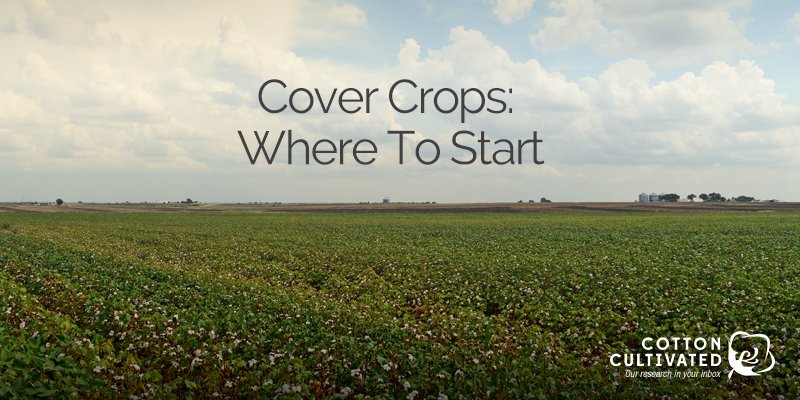
: Let's take a closer look at cover crops, including why you should be using them, and where to get started. #cotton#covercrops
https://t.co/1ps9pp2jo8
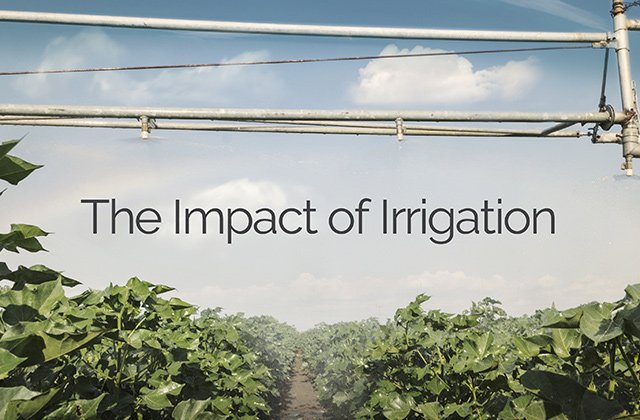
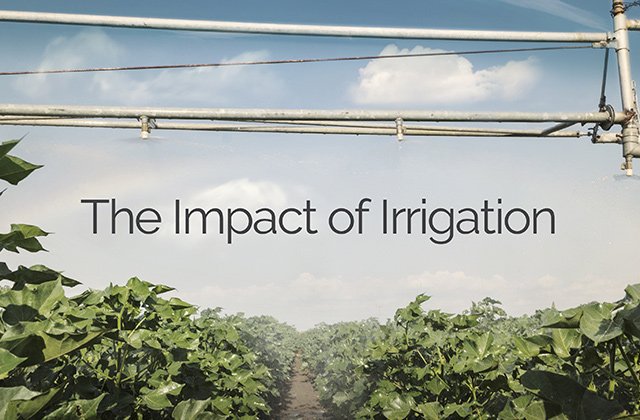
Just one extra inch of irrigation on top of normal rainfall can boost cotton fiber production by 50 pounds per acre. Learn more by checking out all of our irrigation resources here:
https://t.co/YA8Kjl8H8o
In a lot of cases, rainfall provides adequate water for cotton crops, but a little extra irrigation can make a big difference. Read the latest:
https://t.co/g3eTjFx7mT
Greg Kruger, Ph.D., weed science & application technology director @unlagrohort talks about the four biggest causes of particle drift, and ways to mitigate them in this webinar. Watch now:
https://t.co/fP5j0YAh0M
Looking for ways to manage insecticide resistance? We've got your covered. Check out our resource library for tips and strategies managing insecticide resistance on your farm
https://t.co/jzXvCaieP1
Our latest: Dominic Reisig, Ph.D. talks insecticide resistance and steps to manage it across the U.S. cotton belt. See the webinar:
https://t.co/YHwzxBVnn5
Now here's a newsletter you'll want to read. Our research delivered straight to your inbox with one thing in mind: to help you grow better cotton.
https://t.co/N2IHuObLVN