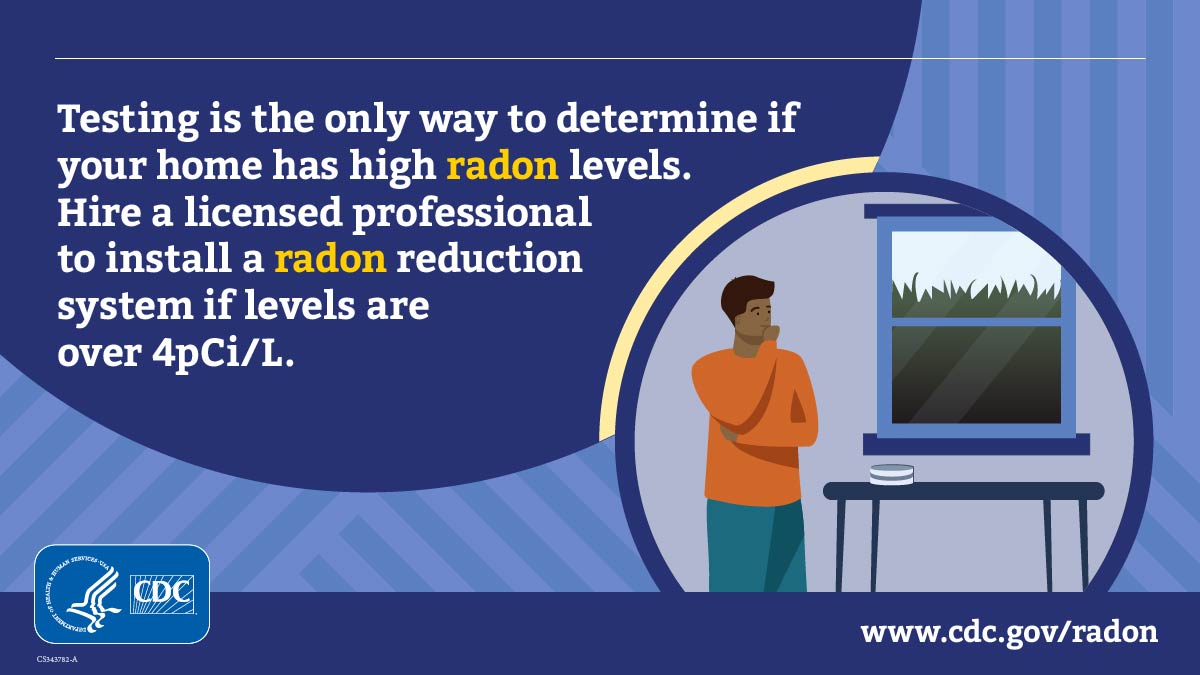
Testing your home is the only way to know if radon levels are high. You and your family could be at risk for lung cancer. Get the why, when and ways to test your home for radon:
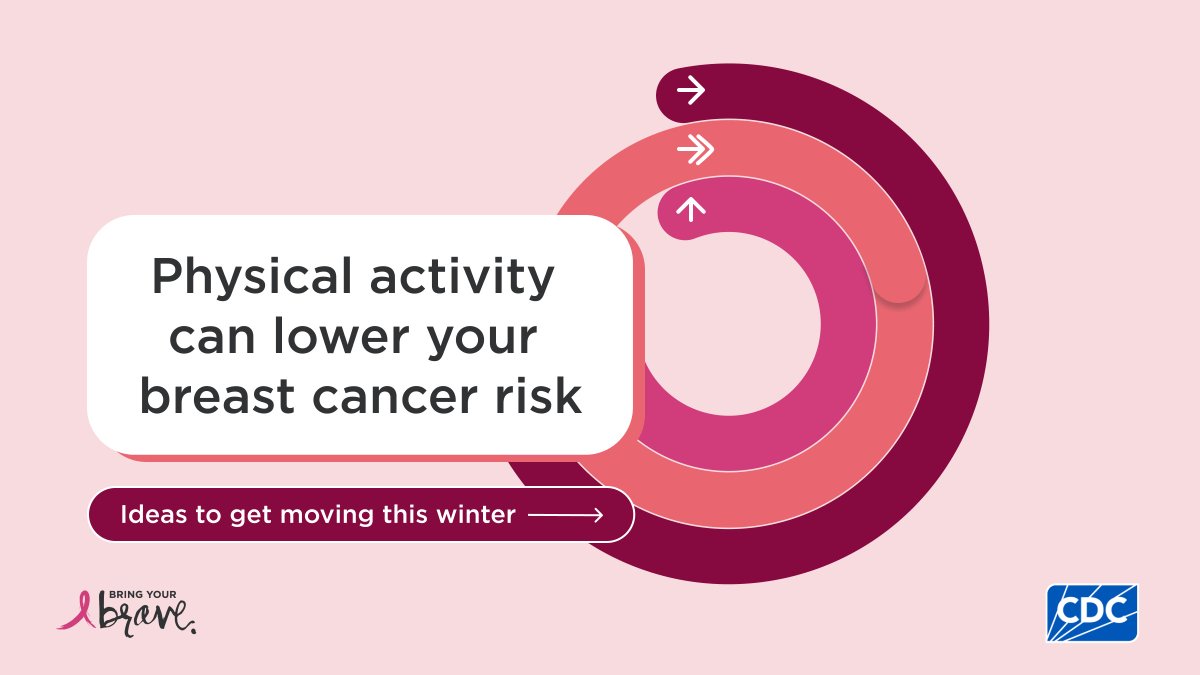
Find something you enjoy that keeps you moving during colder months. Adults should get at least 150 minutes a week of moderate-intensity activity and at least 2 days a week of muscle-strengthening activity. Learn about other ways to lower your breast cancer risk: https://t.co/dBmApujTqS
Most breast cancers occur in older women, but rates have been increasing slowly in women younger than 45. Get the most recent data on breast cancer in young women: https://t.co/jb5JnQYjTY
Even with a busy schedule, find time for yourself. It’s important to keep up to date on your health care appointments and screenings – and if you’re 40+ or approaching 40, make sure you plan for your mammogram this year: https://t.co/WNafREbRRs
@CDCgov study found some women who are eligible for low-cost breast & cervical cancer screenings through a CDC program were not up to date. About 61% of women were not current with breast cancer screenings and 40% with cervical cancer screenings. https://t.co/qelxHD3WL1
Cindy’s routine cervical cancer screenings found precancerous cells that were removed before they could turn into cancer. Take time to schedule your next Pap and/or HPV test to prevent cervical cancer. https://t.co/eqbhATgFg8
Start 2026 strong. Add healthy habits to your routine to lower your cancer risk.
Taking care of your health can help lower your risk of #BreastCancer: https://t.co/NKz05yjaYt
During a routine cervical cancer screening, Jasmine’s Pap test showed abnormal cells. If left untreated, abnormal cells can turn into cervical cancer, so Jasmine got a preventive procedure. Stay up to date on screenings so you can stop cervical cancer in its tracks. https://t.co/EG49HzhYKp
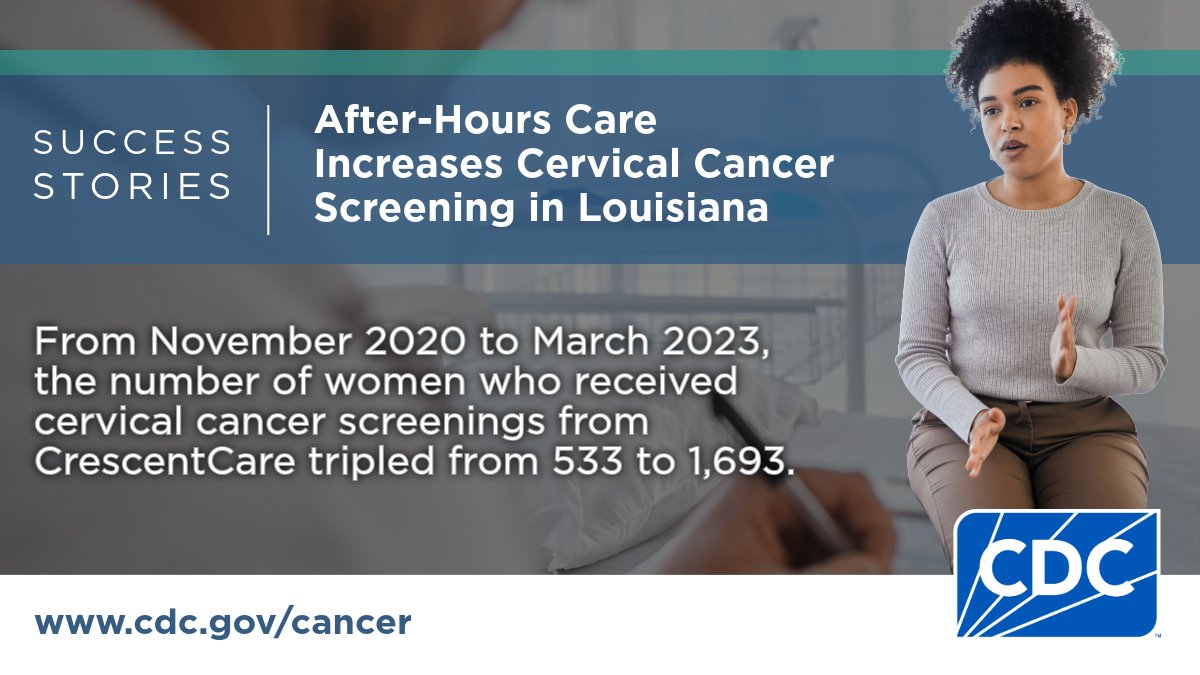
Success Story: Louisiana Cancer Prevention and @CrescentCare504, a non-profit health care agency, teamed up to increase cervical cancer screenings in the community.
Louisiana has one of the highest cervical cancer death rates in the U.S. From November 2020 to March 2023, the organizations increased the number of screenings from 533 to 1,693. Learn how they achieved great success: https://t.co/SZ6VQJz0i5
Make your health a top priority in the new year.
Screening tests and the HPV vaccine can help prevent cervical cancer. Regular, on-time screening can prevent cervical cancer or help find it early when treatment works best. You should get screened for cervical cancer even if you received an HPV vaccine. Learn more: https://t.co/y96go8j6Qa
Certain cancers can run in families. Use the “My Family Health Portrait: Cancer” app to collect your family history of cancer so you and your doctor can make a plan to manage your risk. Download here: https://t.co/G4lgXye1mt
Cervical cancer rates in the U.S. decreased among young women aged 15 to 29 years across all economic levels. From 2007 to 2019, rates went down most among young women living in counties with a lower economic status. The decrease may be due to HPV vaccinations and screenings.
CDC provides free or low-cost breast and cervical cancer screenings to women who qualify. Find a screening program near you: https://t.co/rHerTZBXge
Learning your family history of cancer can help you understand your own risk. The My Family Health Portrait: Cancer app can help you gather health information from your family members and share it with your doctor. Download today: https://t.co/G4lgXye1mt
Preventive care is the best care. This Cervical Cancer Awareness Month, be your best advocate by keeping up with or getting back on track with regular screenings to help prevent cervical cancer. https://t.co/eqbhATgFg8
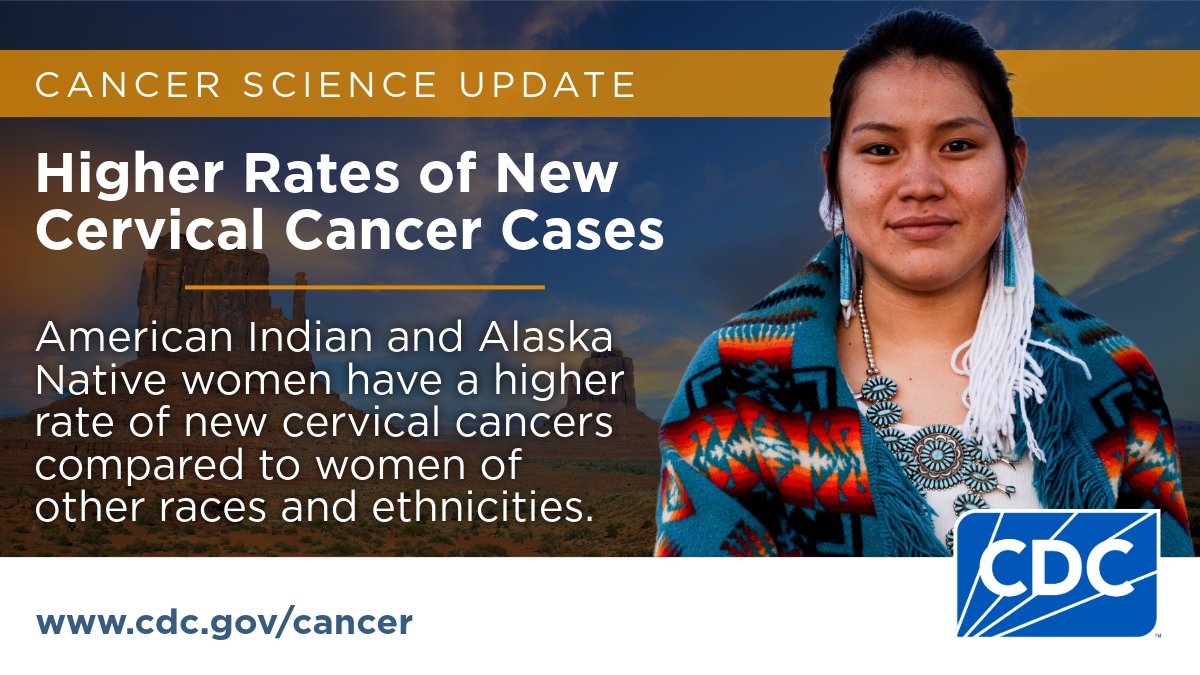
American Indian and Alaska Native women have a higher rate of getting cervical cancer than other women. HPV and Pap tests can help prevent cervical cancer or find it early. Learn about screening options: https://t.co/eqbhATgFg8
Cervical cancer is the most common HPV-associated cancer among women. Most HPV infections have no symptoms and go away on their own. Some long-lasting infections can progress to precancer and cancer. Learn more about cancers associated with human papillomavirus: https://t.co/hdHO6tnorI
Many women in the U.S. are not getting screened for cervical cancer as recommended. In May 2025, the first at-home HPV self-collection device was approved by the Food and Drug Administration. Learn more about women’s preferences for this new option: https://t.co/yyUeOWmmGY