The Center for Earth & Environmental Science focuses on water quality research and environmental restoration/stewardship in conjunction with community outreach.
Bug Fest is today (Aug. 30, 12-4 PM) at Southeastway Park. Join CEES for this celebration of all things insect. We'll be at the Bats & Bugs station. Stop by to learn about bats & bugs and how to rewild a bit of your yard to help provide habitat for both. Free wildflower seeds!
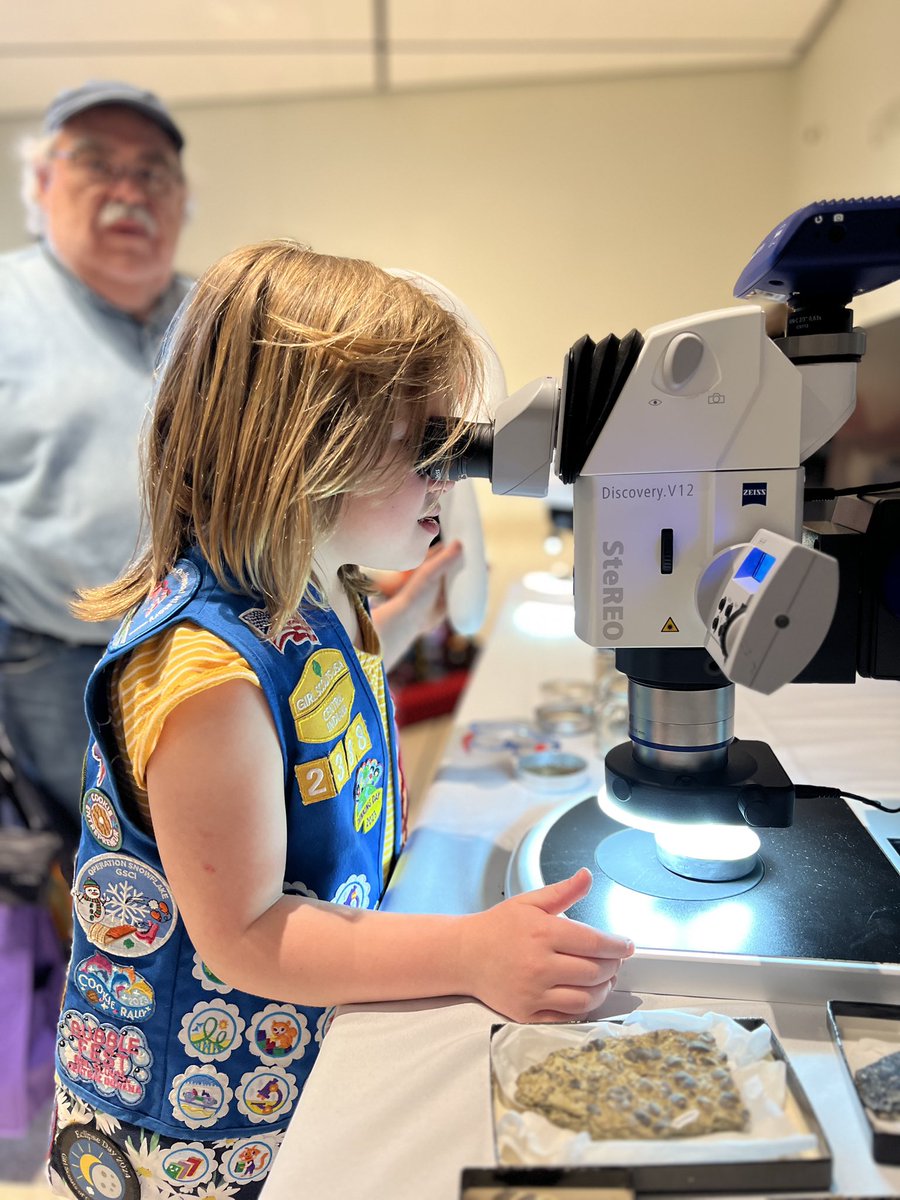
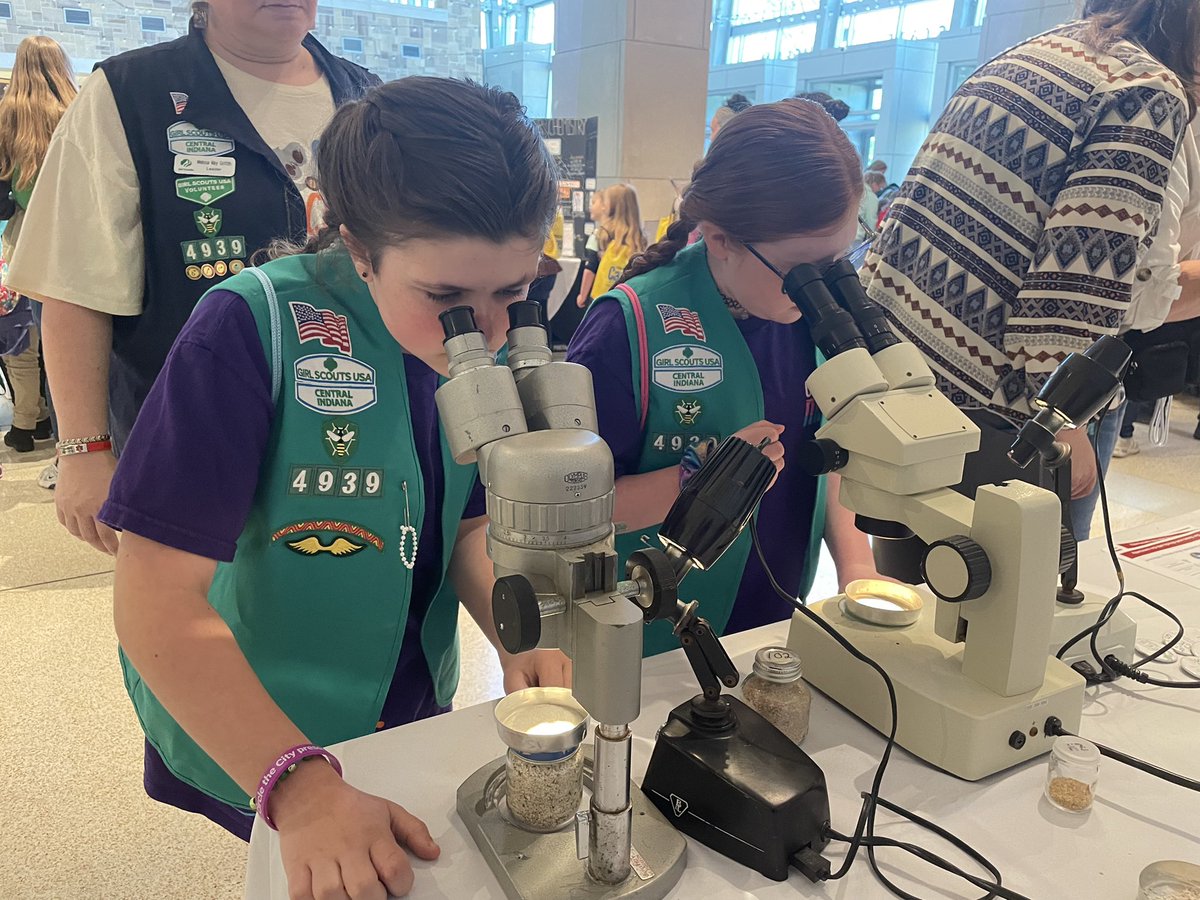
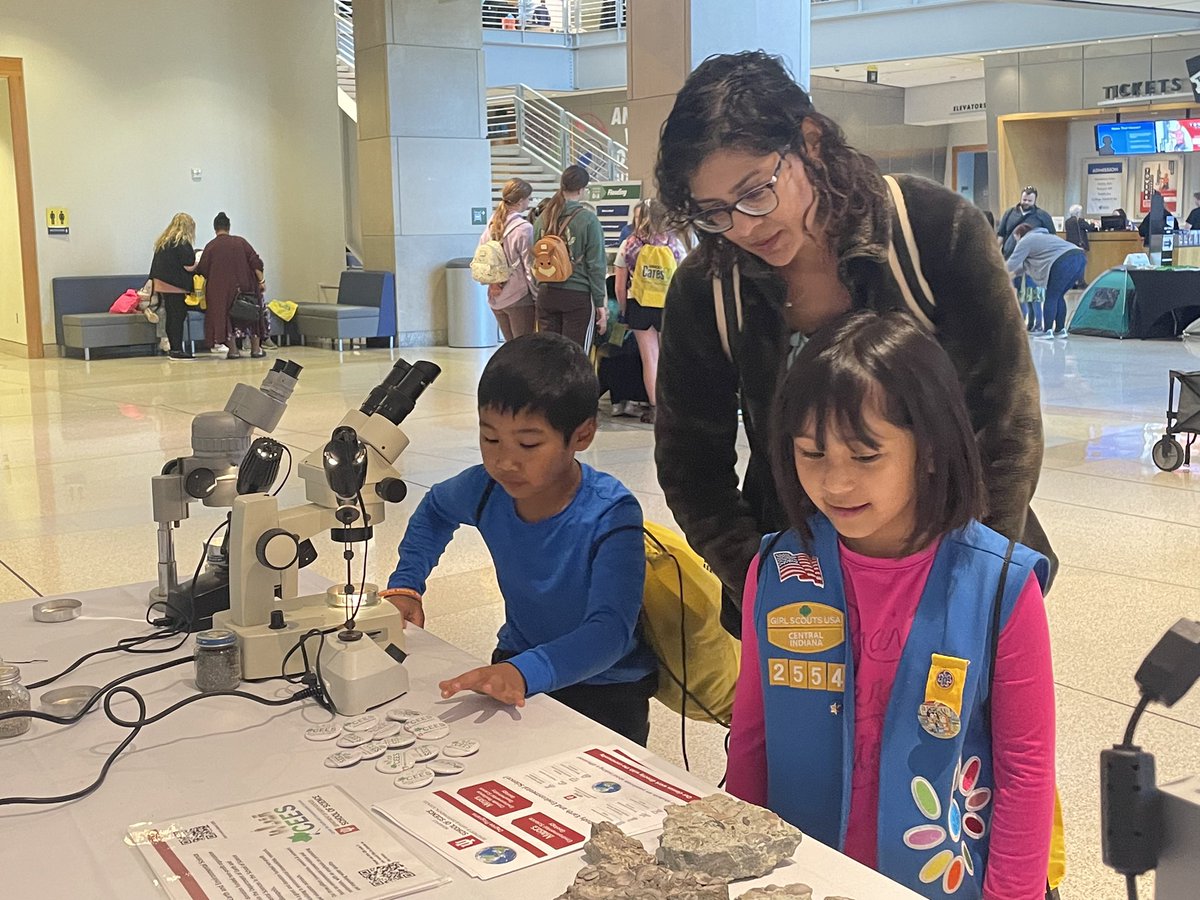
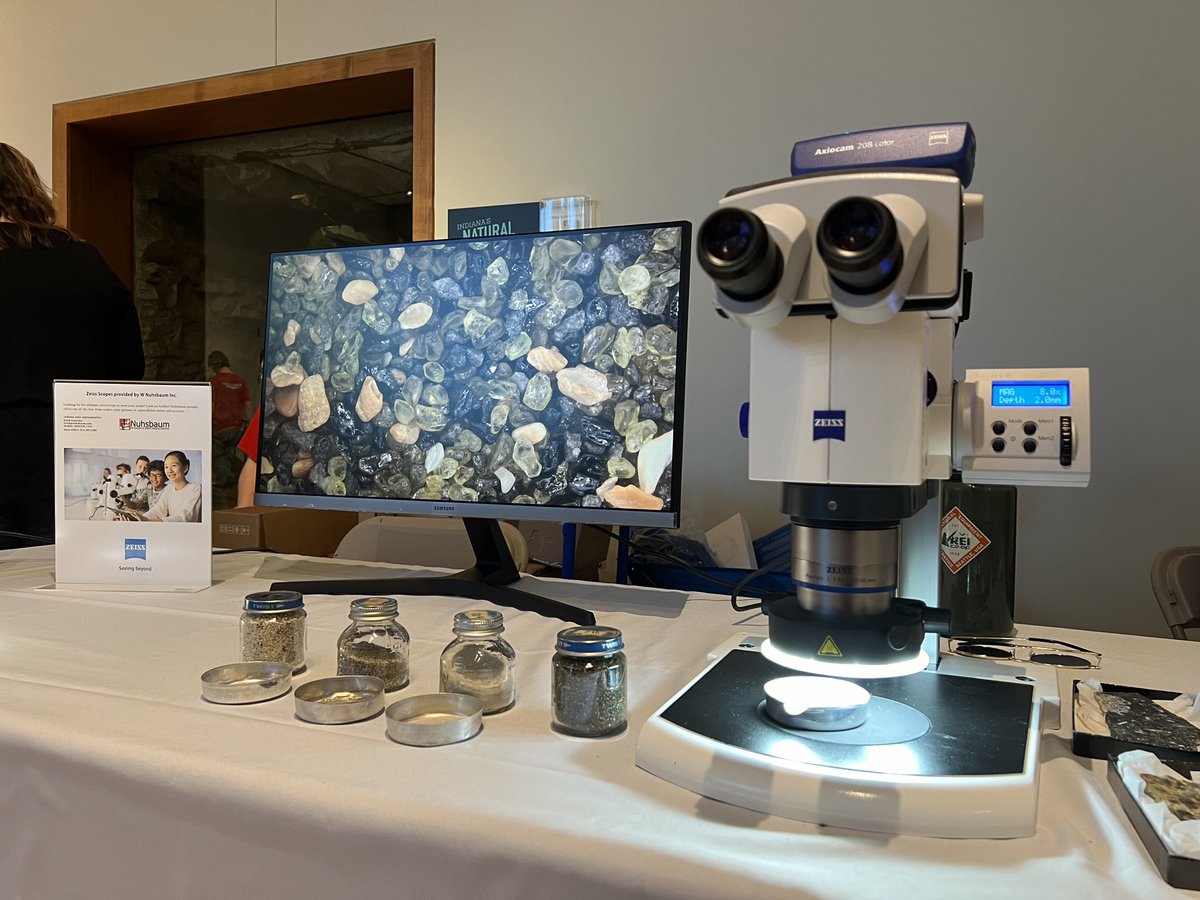
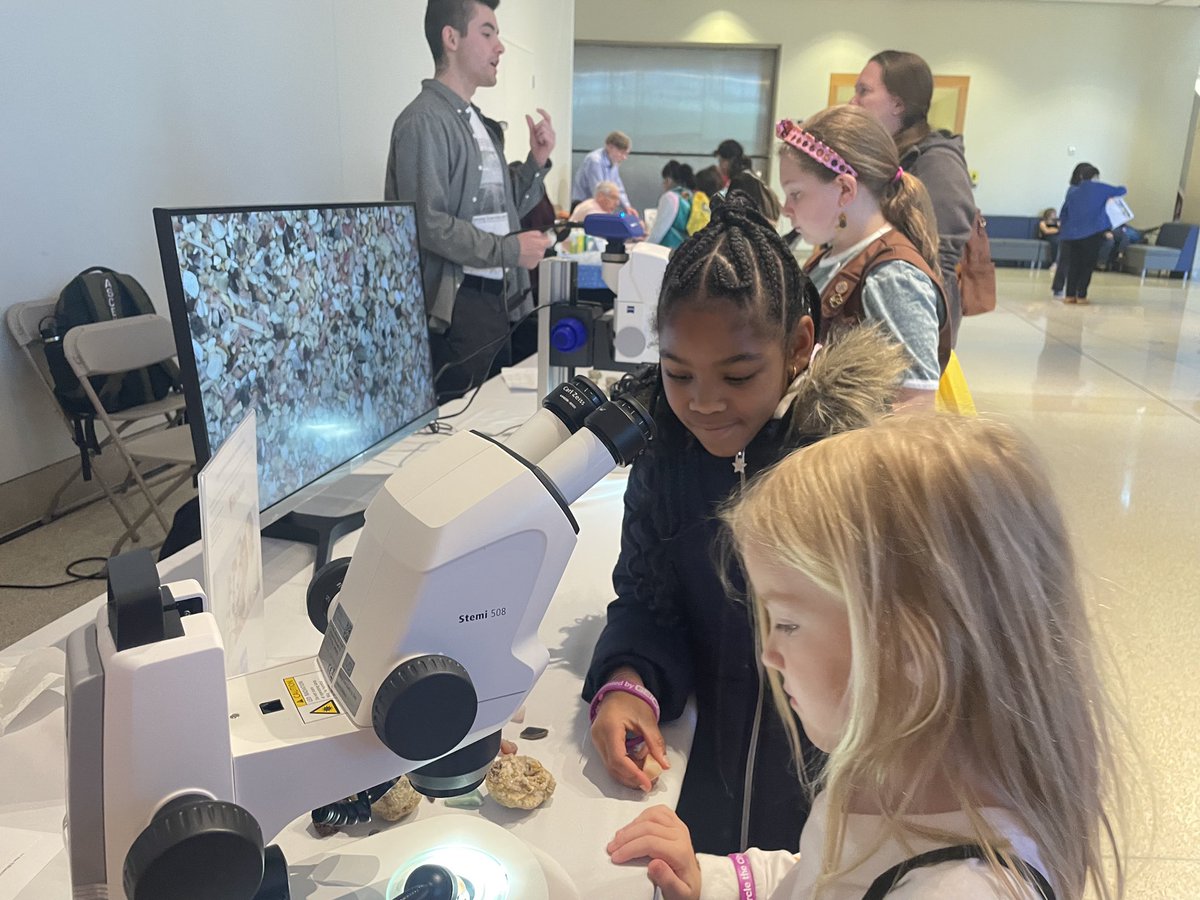
CEES is providing Earth Science Adventures with Microscopes at the Indiana State Museum today as part of the Girl Scouts Circle the City STEM event!
The event runs from 10:0am-3:00pm.
Come on out and join the fun - there is so much to see and do!
Invasive Species Awareness Week falls at the end of February/beginning of March. This is a particularly good time to remove invasive honeysuckle: honeysuckle is already leafing out (other shrubs are not), which makes the honeysuckle easy to identify.
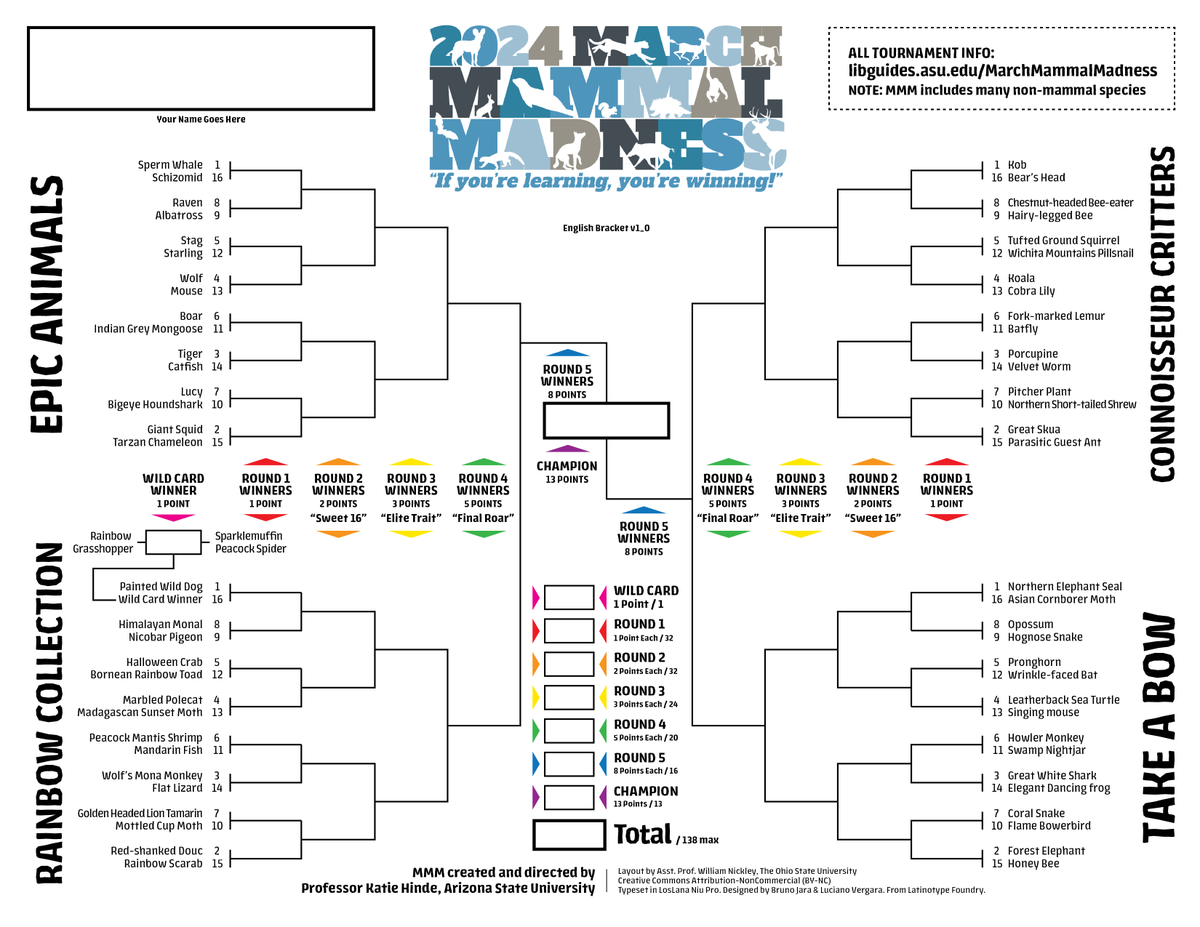
Science Educators! The brackets have dropped for Mammal March Madness! Are your students ready for the challenge? Fun! Excitement! Suspense! The thrill of victory! The agony of defeat! And, of course, the occasional unexpected upset!
https://t.co/u7NZWyI7QO
Learning about tornadoes was just one of the highlights of our Explore Your World Family Science Night @NobleCrossing! Thanks to @CEES_IUPUI for sharing your knowledge with our students!
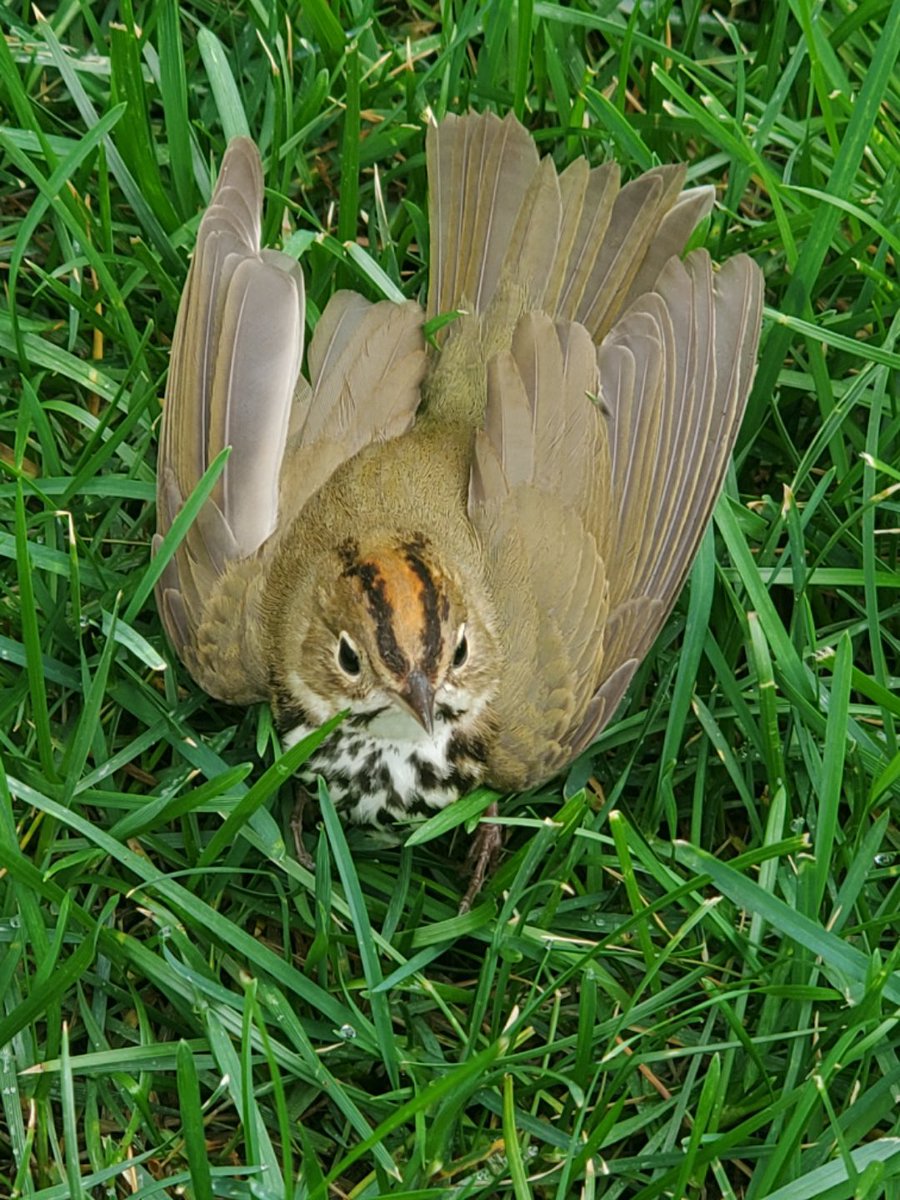
The intensity of spring migration is picking up! Four birds were found today during building surveys for the campus Bird Window Strike Project. This ovenbird (a type of warbler) survived, but appears to gave sustained a wing injury.
Spring migration is underway!
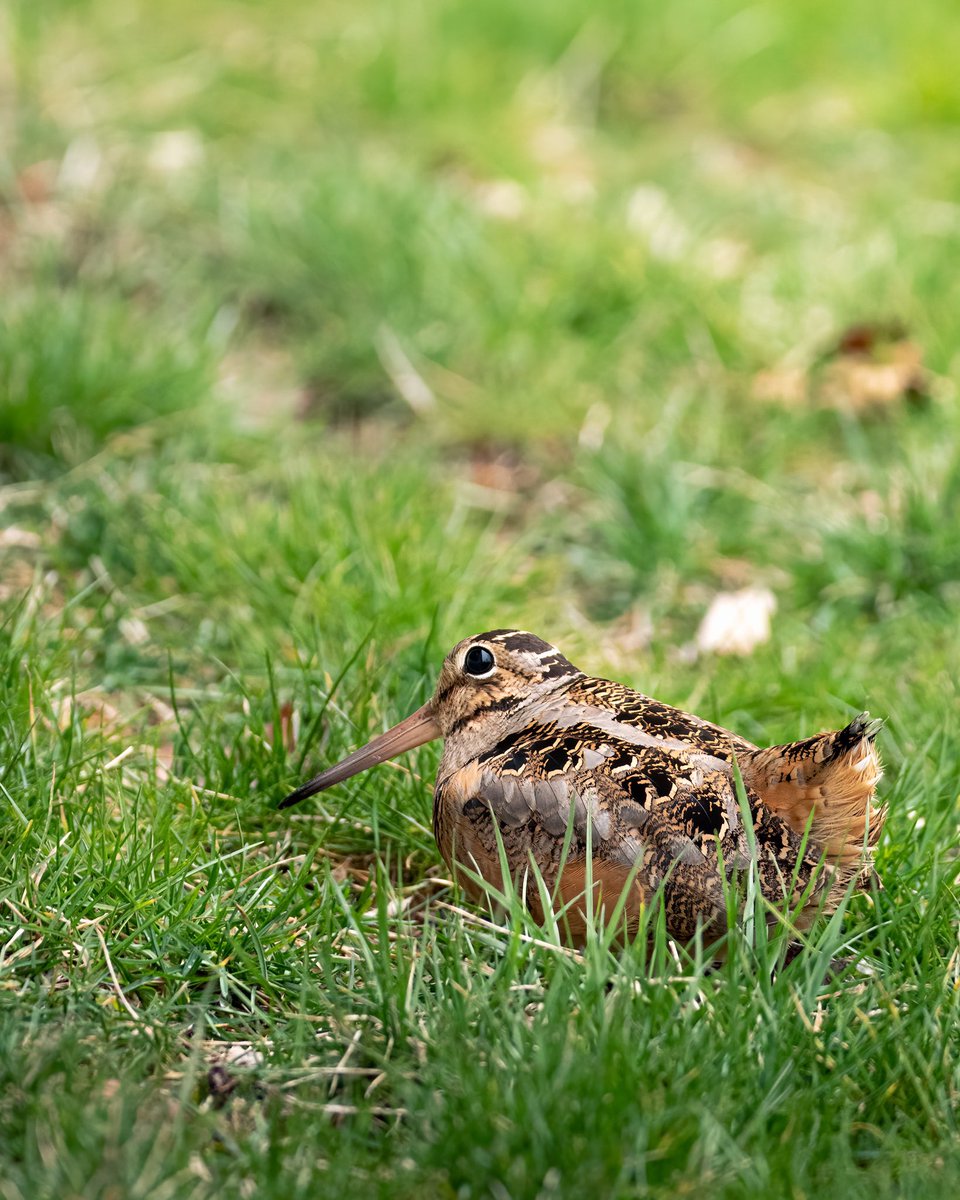
An American Woodcock was seen on campus today during a survey for the CEES spring Bird Window Strike Project. Fortunately the woodcock was alive and unharmed!
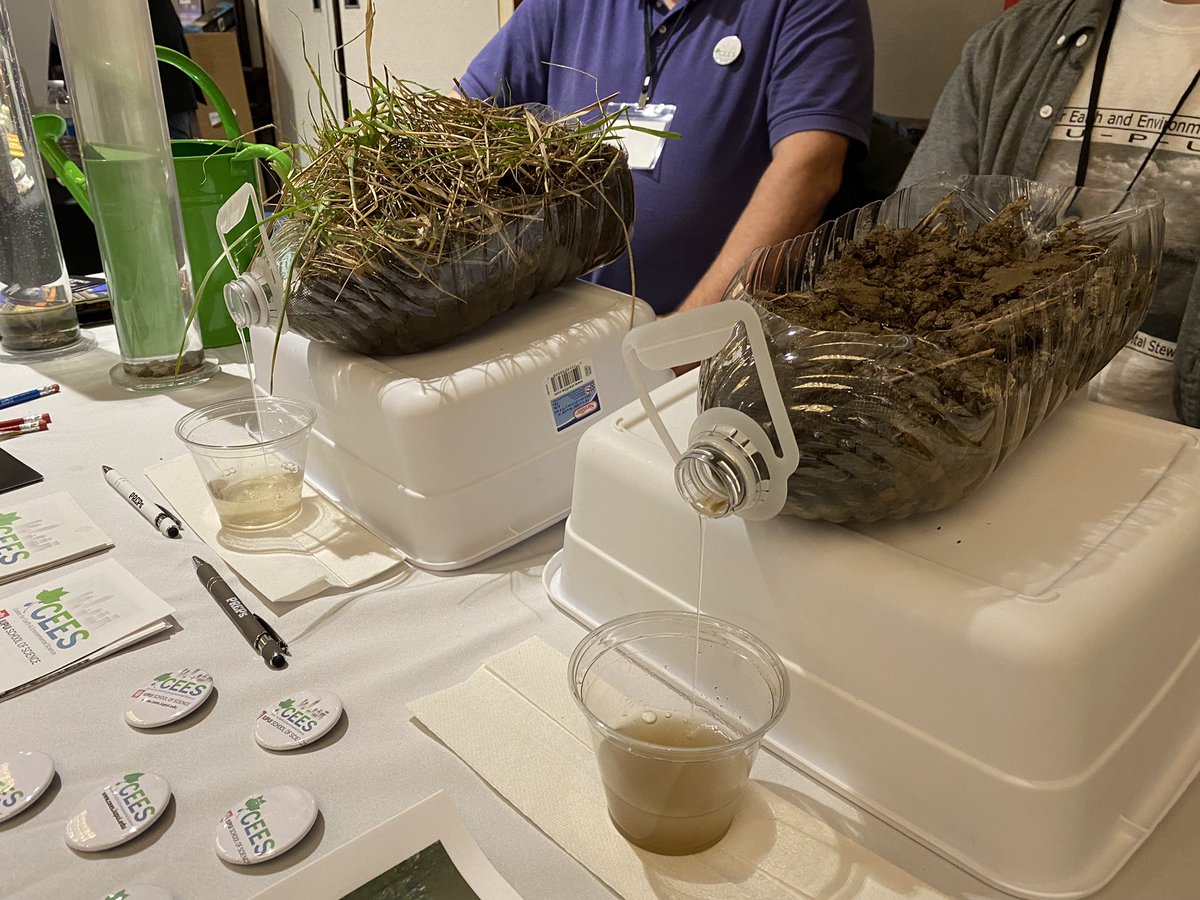
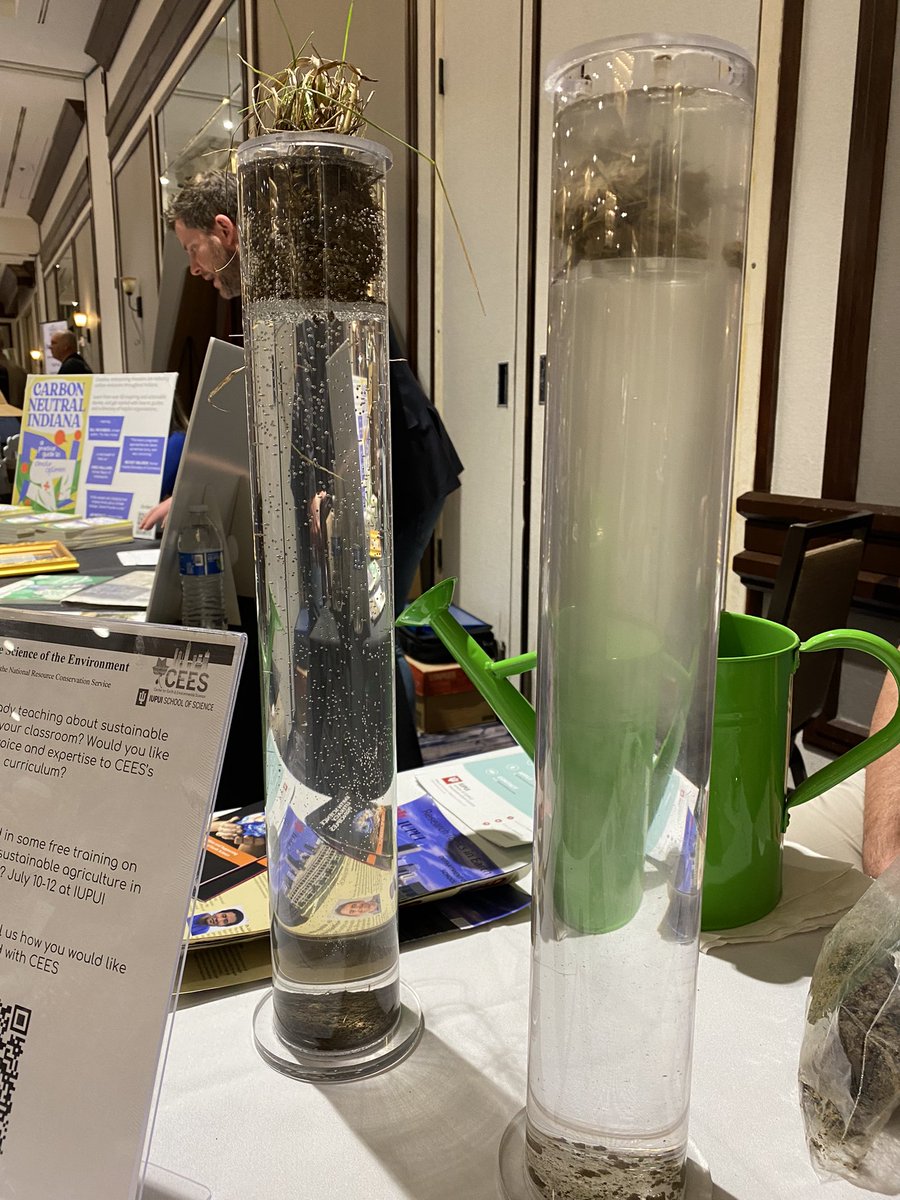
HASTI conference is in full swing! Stop by the CEES table to chat about earth science and incorporating sustainable agriculture topics in the classroom.
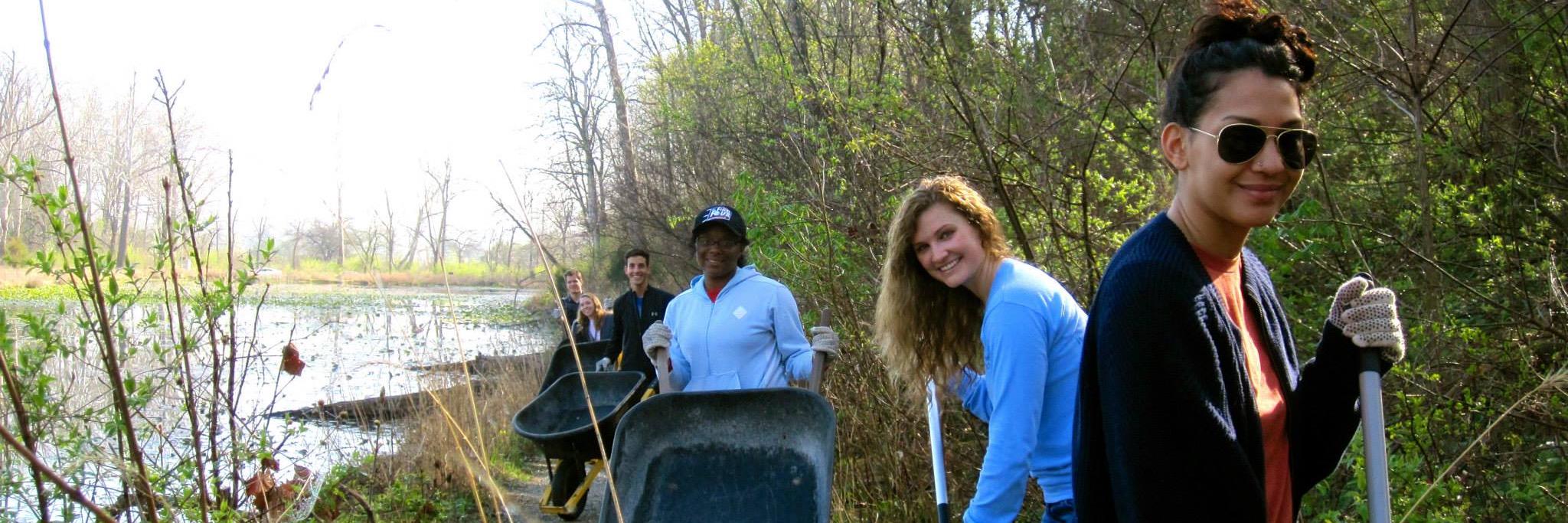
Thank you FFA volunteers for your service! The UWT Monarch Sanctuary was cleared of many invasive trees and shrubs, improving habitat for endangered Monarchs and other pollinators!