CEEW-GFC acts as a non-partisan market observer and catalyst that monitors, develops, tests, and deploys financial solutions to advance the #green transition.
1/6
📢India’s renewable energy generation increases by 20% with over 150 GW of large-scale RE under construction in FY26
Read the CEEW-GFC Market Handbook FY26 for the full picture 👇
https://t.co/Ch0SqjAWDK
5/6
Sovereign Green Bonds worth ₹20,000 crore were issued through four 30-year tranches at 6.98% coupon.
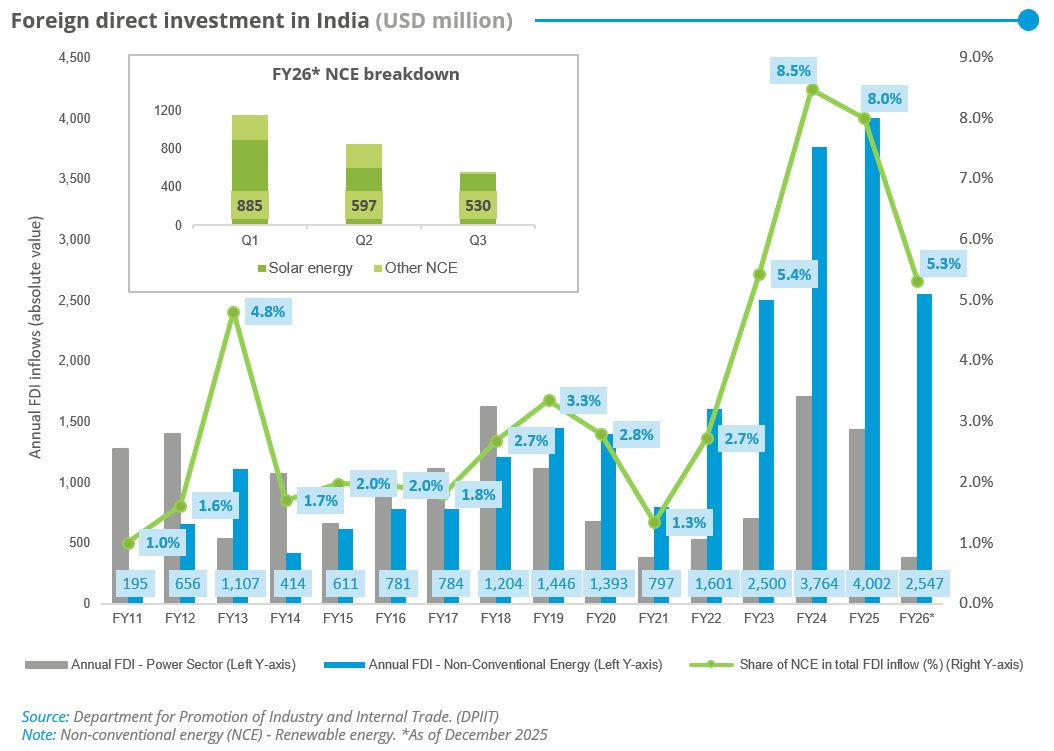
Cumulative FDI in RE stood at USD 2.5 billion in the first three quarters of FY26. Solar attracted 79% of flows, even as overall RE-focused FDI declined 26%.
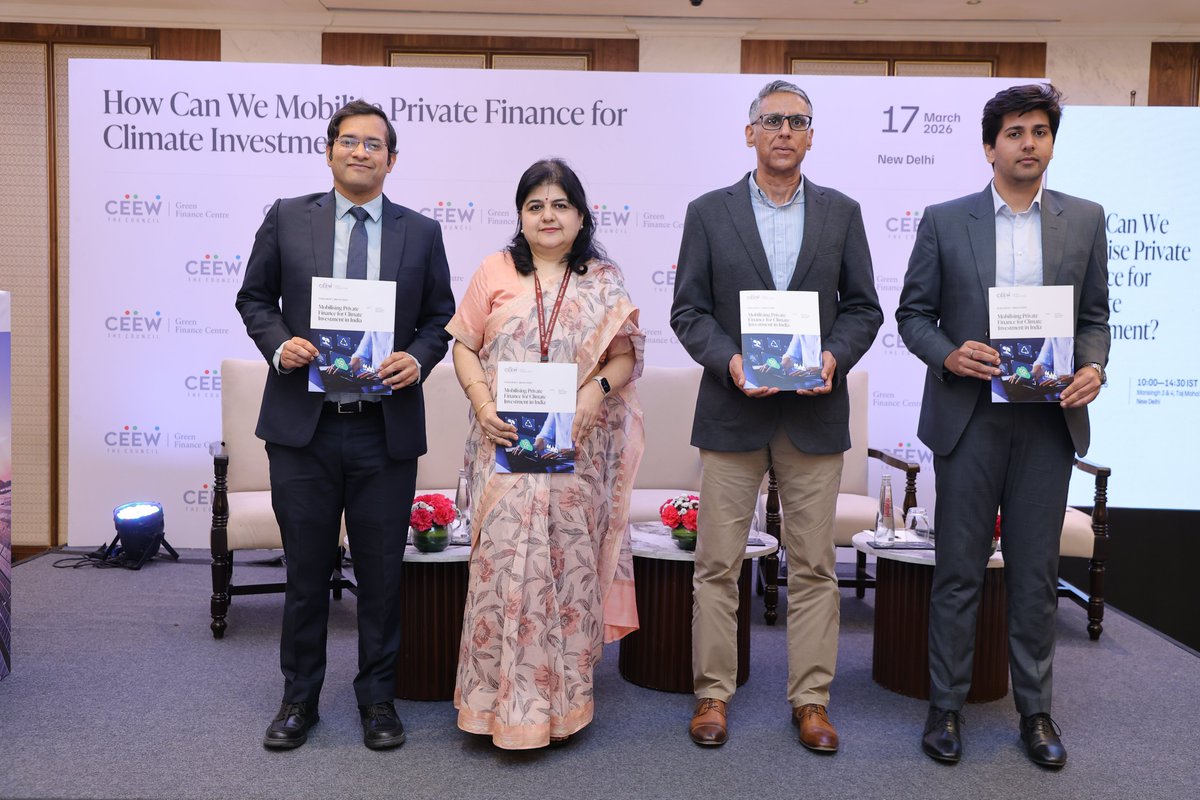
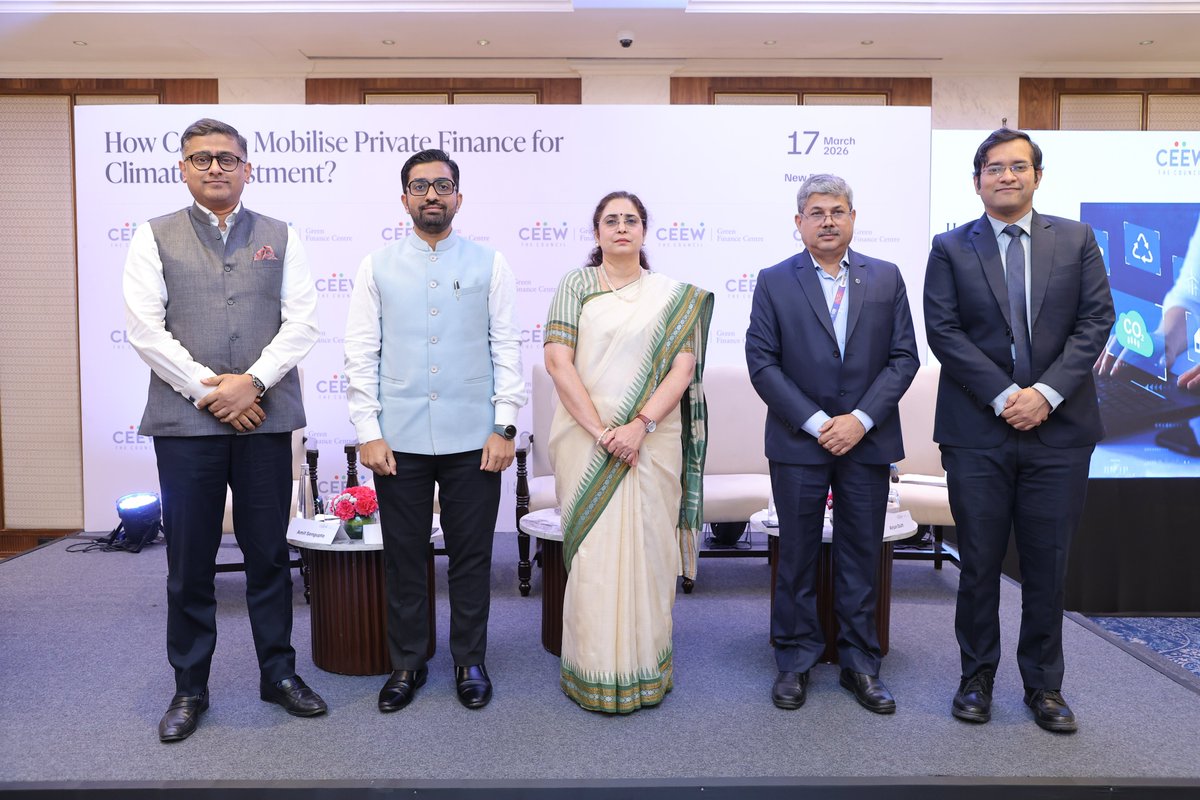
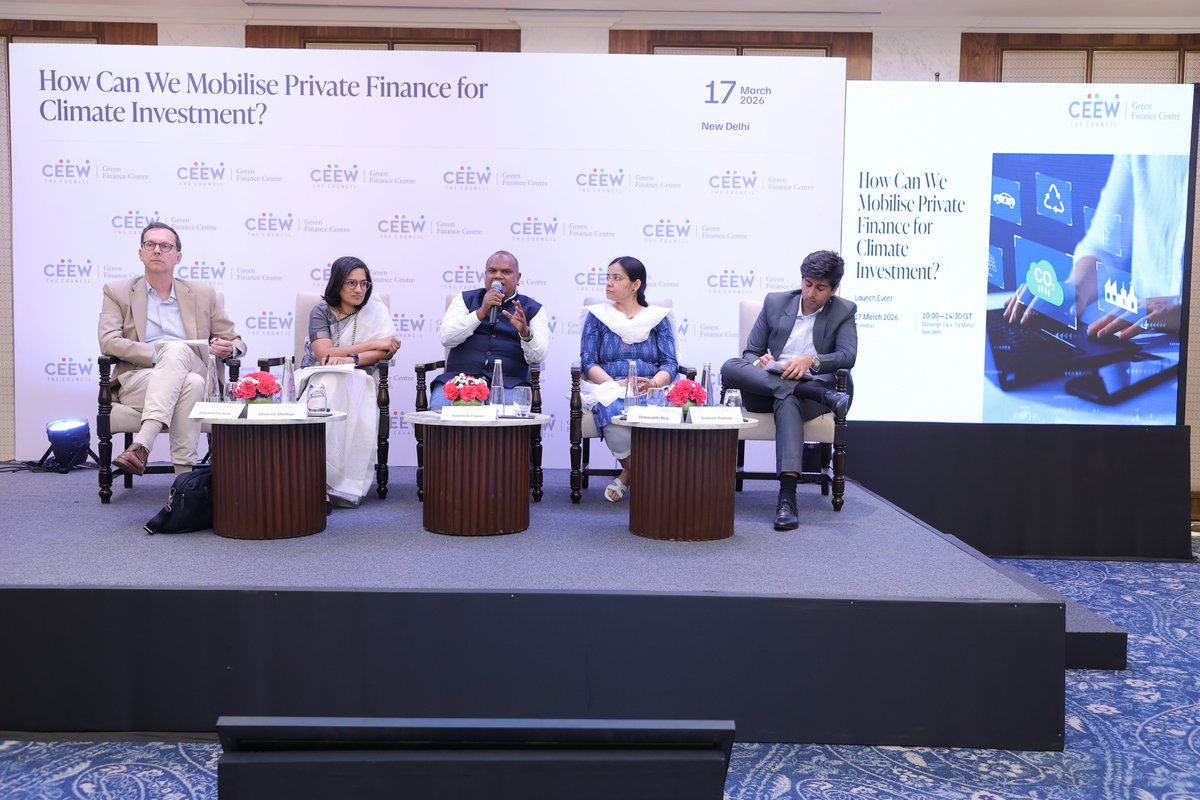
The event also marked the launch of CEEW-GFC’s latest #PolicyBrief: Mobilising Private Finance for Climate Investment in India. The discussions emphasised that scaling private finance is not just about increasing capital flows, but strengthening the overall ecosystem.
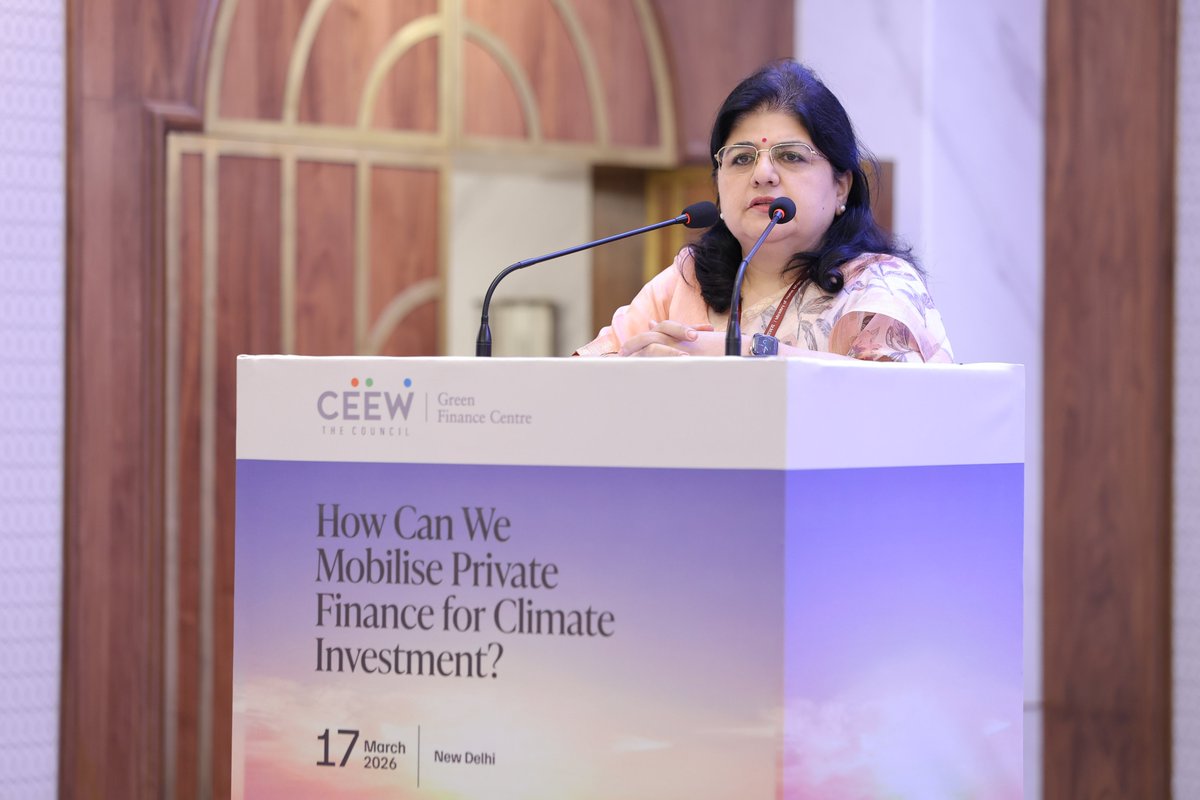
Keynote speaker Smt. Chandni Raina (DEA, Ministry of Finance) highlighted the role of India’s upcoming Climate Finance Taxonomy in ensuring regulatory coherence and preventing greenwashing.
With the right structures in place, adaptation investments can become viable, scalable, and investable at scale.
This is where clearer definitions, better financial structures, and stronger institutions matter.
📘 Read the full study: https://t.co/67qsoT49Im
$100 billion a year. That’s what climate adaptation will take in India. Today, adaptation fin is ~$15 billion annually. While mitigation sectors attract private capital, adaptation fin is still evolving, even as need to build resilience across agri, water, health & infra grows
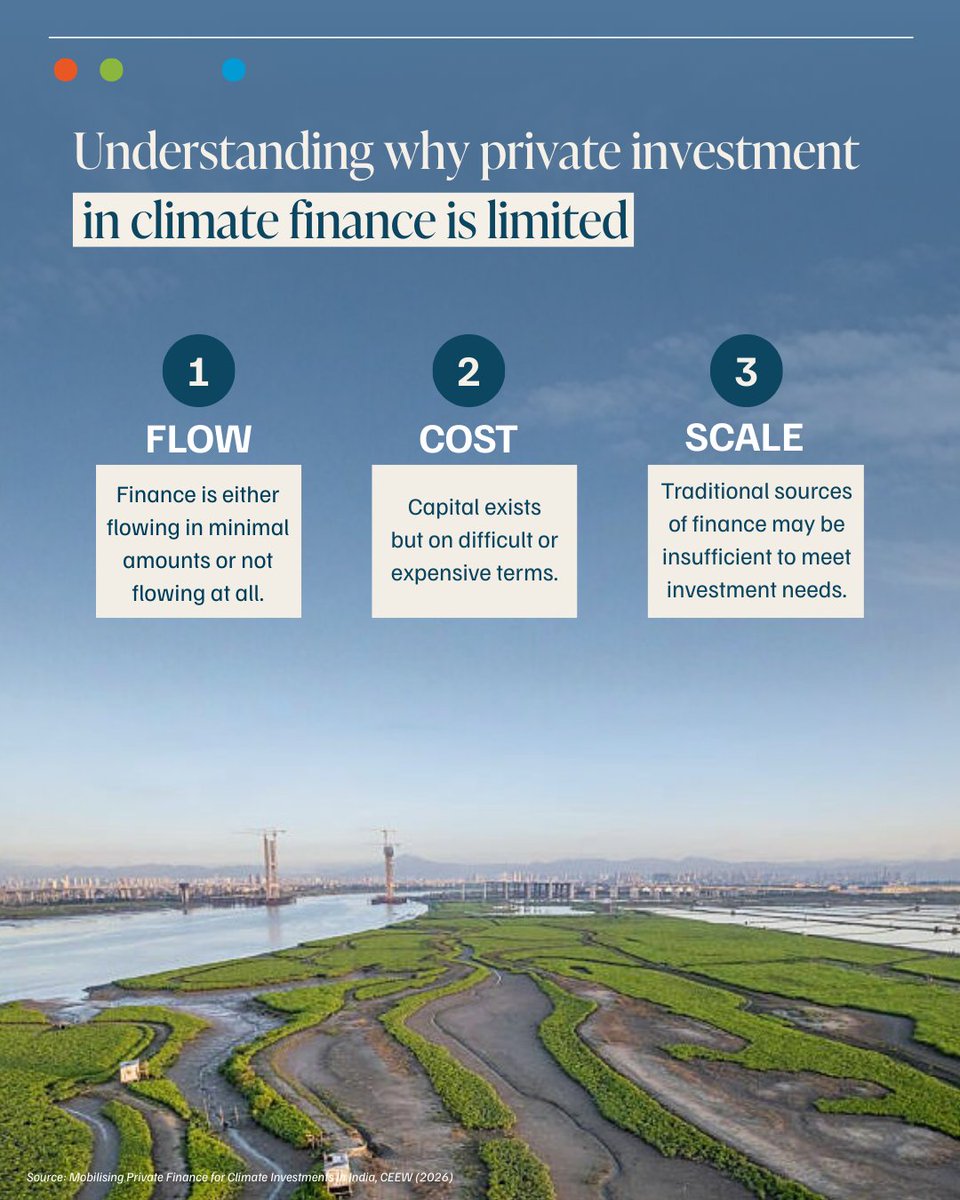
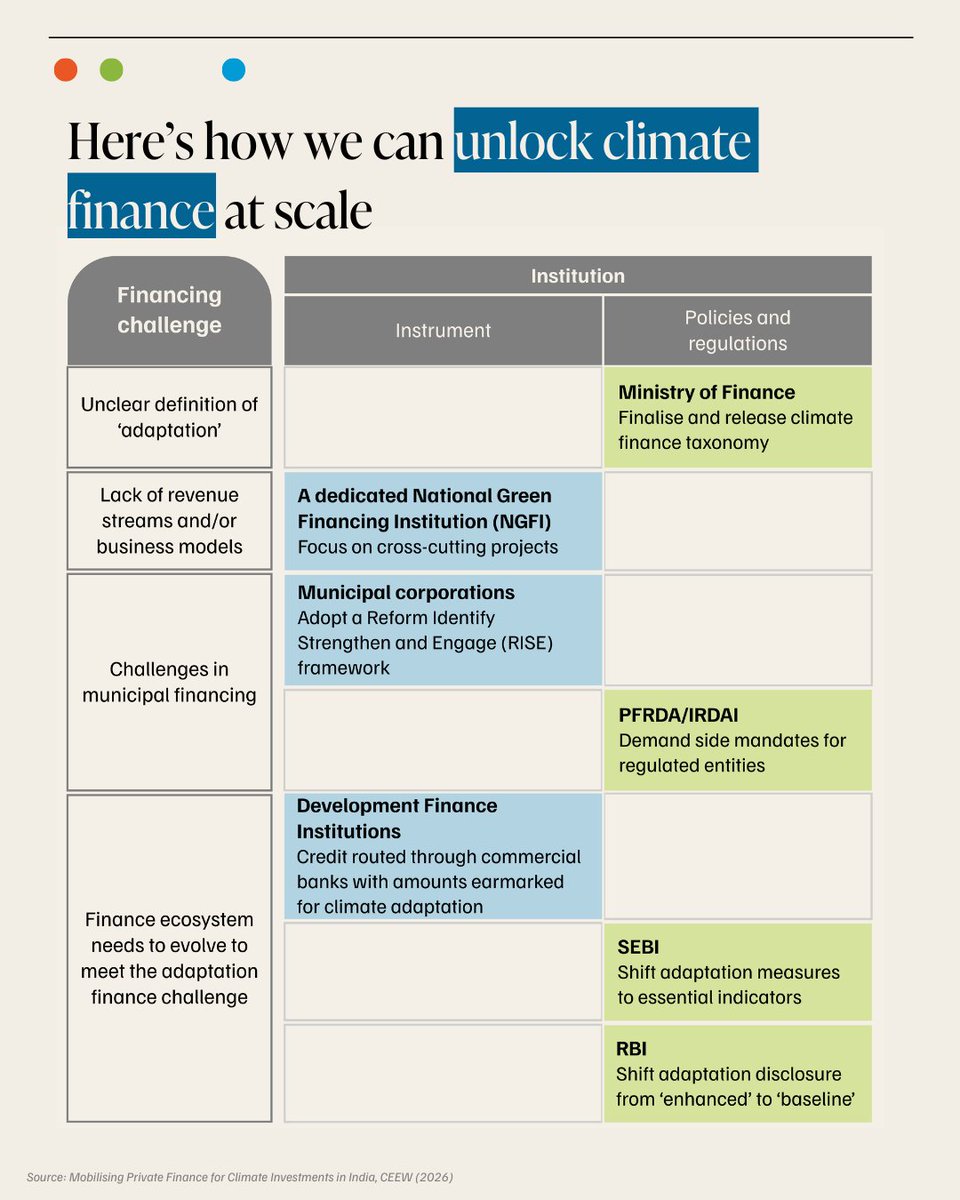
A new policy brief by CEEW-GFC examines how private capital can scale climate investment and proposes a 3×3 framework:
- Barriers: flow, cost, scale
- Solutions: instruments, institutions, policies & regulations
A structured way to move from constraints to action.
1/5
📢Renewables surpassed 50% share of the total installed capacity of India in Q3 FY26; INR 10,000 crore green bonds auctioned this quarter
Dive into CEEW-GFC’s Q3 2025-26 Market Handbook to stay ahead of the curve:
https://t.co/Ch0SqjAWDK
4/5
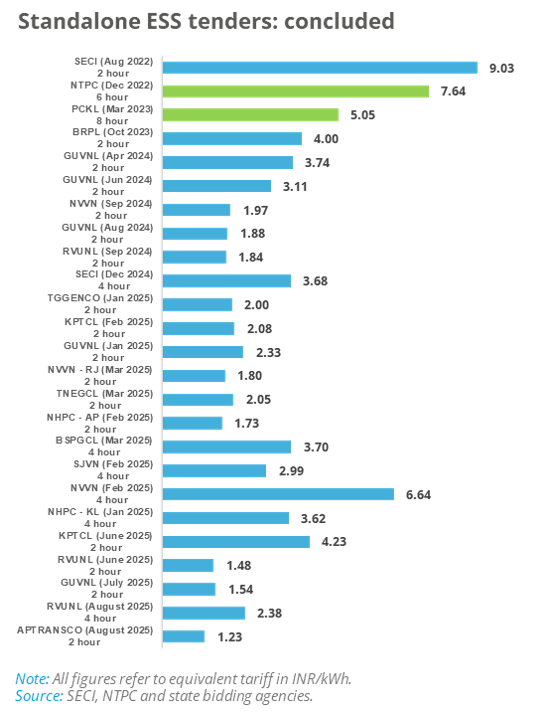
🔋 Lowest ever BESS tariff of INR 1.23 per unit discovered in this quarter
The record low tariff signals improving cost competitiveness and growing confidence in energy storage systems.
The study calls for clear national EV targets with category-wise sub-targets, aligned state roadmaps, better data transparency, and dynamic recalibration of PM EDRIVE incentives, ensuring India’s EV transition is not just fast, but equitable.
📘 Read https://t.co/xOVB6hI4Xd
CEEW-GFC’s new study, Navigating India’s Electric Mobility Transition: Market Dynamics to Policy Shifts, finds that EV sales have grown 15x since FY20. E2Ws emerge as the largest segment by FY25, signalling broader household & enterprise uptake. (2/3)