The journal of #translational#immunology 🔃
@britsocimm journal publishing high-quality & impactful research since 1966
Editor-in-Chief: Prof @Mauri_group
Long non-coding RNAs are emerging as key drivers of neuroimmune interactions in oral cancer, shaping immune evasion and nerve invasion and pointing to new therapeutic targets 🧬
🔗 https://t.co/n3jE2lw0tm
#Immunology#CancerResearch#Neuroimmunology
🎉 Registration is open for #FOCIS2026!
📅 June 9–12, 2026
📍 San Francisco
Get ready to ignite innovation, connect with global immunology leaders, and experience the forefront of translational immunology at @FOCISimmunology 2026!
Learn More: https://t.co/2jmrb55Esu
Organoid co-culture and organ-on-chip systems are transforming how we study immune–epithelial interactions, enabling more precise, patient-relevant models of disease 🧬
🔗 https://t.co/6unUPcKsTL
#Immunology#Organoids#Microfluidics#PrecisionMedicine
Research in Crohn’s disease shows peripheral blood T cells are already less prone to apoptosis before reaching the gut, with reduced catalase activity contributing to this effect 🧬
🔗 https://t.co/ZB4W5c55Gm
#Immunology#CrohnsDisease#Tcells
A simpler, highly specific way to detect AIH? This study shows that MF-SMA patterns on vascular smooth muscle cells are easy to recognize and match gold-standard specificity, offering a more reliable diagnostic approach. 🧬
https://t.co/4f5t8X2wFg
Early splenectomy delays inflammation and reduces joint damage in a mouse model of autoimmune arthritis, highlighting a surprising protective role when done at early stages. 🧬
https://t.co/xdqYBRpcYh
#Immunology#Autoimmunity#Arthritis
📢 New open‑access study identifies PSMB8 as a biomarker predicting proton pump inhibitor response in pediatric eosinophilic esophagitis, supporting more personalized treatment decisions.
🔗 https://t.co/ptqrwgWkRr
📢 Autoimmune overlap spotlight: MOG‑IgG and NMDAR‑IgG can coexist, causing MNOS, often presenting with psychiatric symptoms or seizures.
Most patients respond to immunotherapy, but relapse risk is higher, making early recognition crucial.
🔗 https://t.co/sT1RMHLKwK
🫁 #WorldAsthmaDay
Open‑access research reveals how reduced IL‑10 from FoxP3⁺ Treg cells in allergic eosinophilic asthma may be partially compensated by CD46‑driven FoxP3⁻ IL‑10⁺ regulatory T cells, shedding light on immune balance in asthma.
👉 https://t.co/eygKyxGcp4
🧬 A rare SCID case highlights the complexity of inborn errors of immunity, showing how concomitant RAG‑2 and LRBA variants can coexist and why functional immunological testing is crucial when interpreting novel genetic findings, even years post‑HSCT.
👉 https://t.co/FnjJOUhgTM
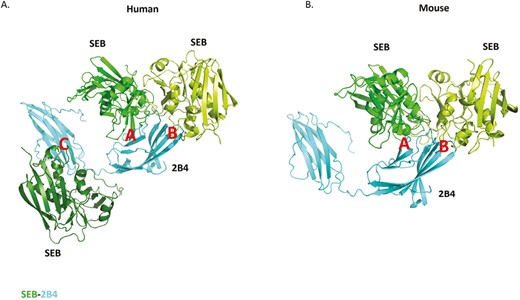
This study highlights 2B4 (CD244) as a key receptor driving Staphylococcus aureus–associated allergic inflammation. SEB binds and activates 2B4, amplifying eosinophil responses, pointing to a promising therapeutic target.
📄 https://t.co/bnHdb09Naw
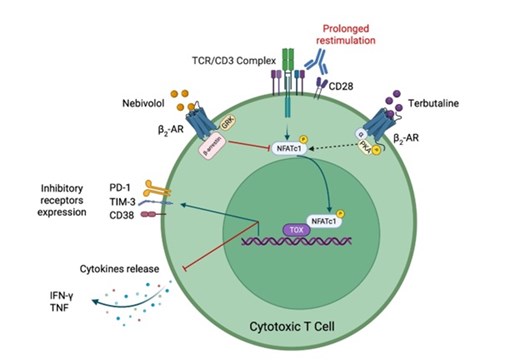
This new open‑access study shows the β‑blocker nebivolol prevents T‑cell exhaustion and boosts cytotoxicity against breast cancer cells via β₂‑adrenergic receptor–dependent signalling, highlighting a potential new immunomodulatory strategy.
https://t.co/9I1WWjfpF8
Open‑access review shows how immunotherapy has transformed advanced melanoma treatment, with many patients now likely cured, and highlights emerging options for those who don’t respond to current therapies.
https://t.co/RI2VFzSzq0
Neutrophil extracellular traps (NETs) are emerging as both biomarkers and drivers of rheumatoid arthritis, linked to disease activity, treatment response and key pathogenic pathways. Targeting NET formation could open new therapeutic avenues in RA.
https://t.co/F7ZIqBhGN4
IFNγ from activated CD4⁺ T cells plays a key role in driving lupus by promoting B‑cell differentiation and autoantibody production. Mice lacking IFNγ showed reduced symptoms, highlighting these cells as a potential therapeutic target.
https://t.co/PjLexV6a1E
#Immunology
New study by Burke et al. shows oral vaccines perform less effectively in high‑burden settings due to maternal, host and environmental factors, highlighting the need for targeted strategies to boost effectiveness.
Read here: https://t.co/iec1crIjJE
#CelebrateVaccines
New review shows how, in Sjögren’s syndrome, salivary gland epithelial cells act not just as targets but as drivers of autoimmune inflammation. Their altered signalling and antigen‑presenting features can shape and sustain immune dysregulation.
🔗 https://t.co/p8giJcDaKG
🔬 Open‑access study investigates how neutrophils contribute to multiple sclerosis.
Using proteomics, it reveals altered granule proteins, shifts in pro‑inflammatory signalling, reduced T‑cell suppression, and enhanced Th17 differentiation in MS.
Read: https://t.co/3PNQ92KfWa
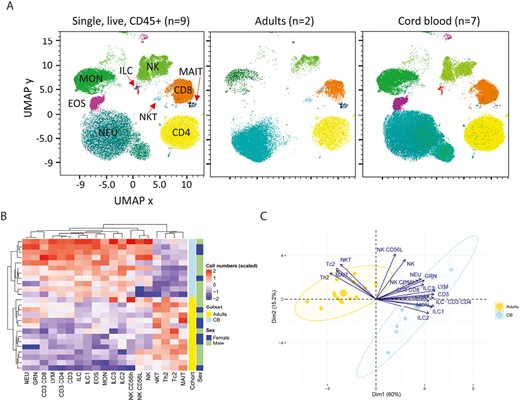
🧬 Research shows newborn immunity differs sharply from adults: NK cells and ILCs are functionally mature at birth, while NKT‑like cells are far less abundant and less active. Important context for understanding early‑life infection risk.
🔗 https://t.co/PAEwVebNiu