I can't believe that almost one year passed since @CappaElisabetta, Valentina Ghidini, and I had the pleasure to discuss with @CynthiaRudin what are the implicit assumptions that we make when using black box AI! The video is available below ->
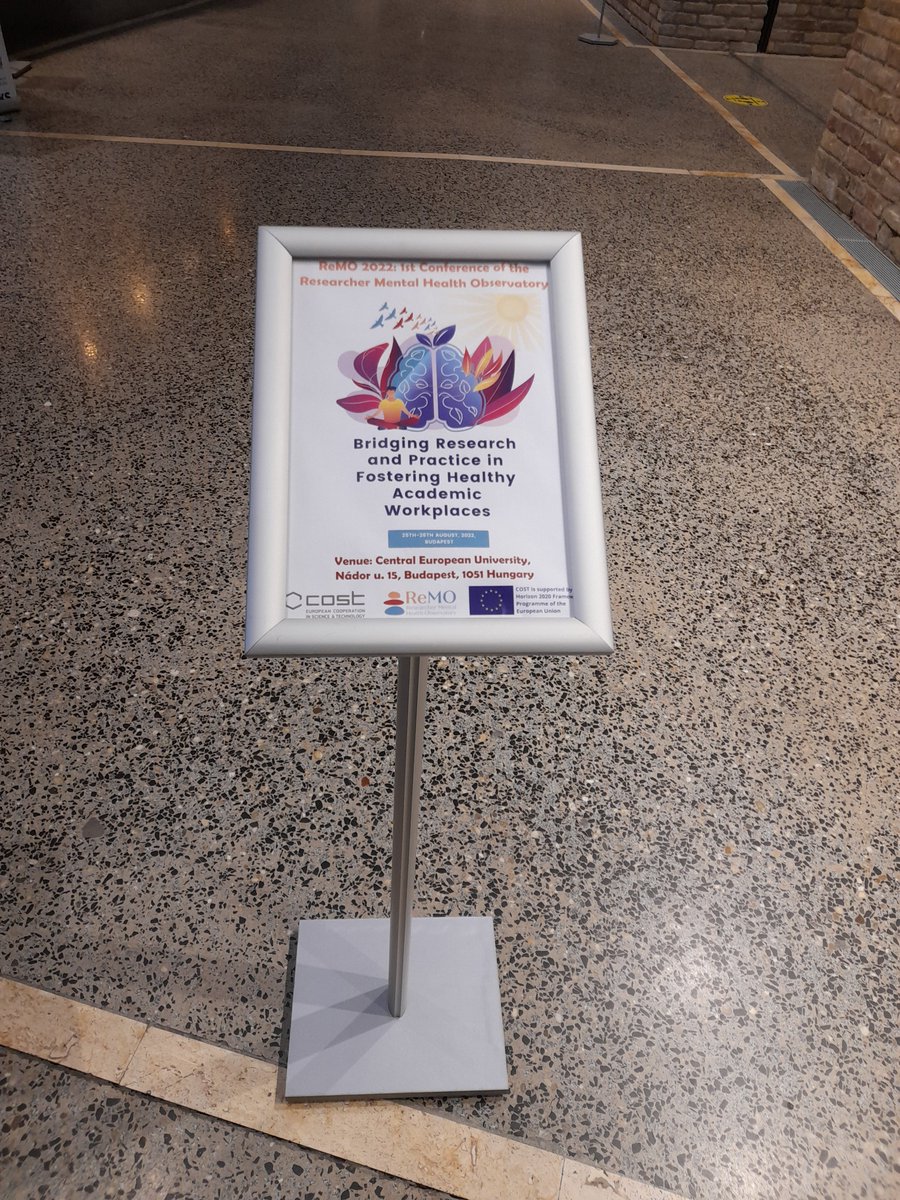
A powerful ending for @ReMO_COST by @SMisljencevic: we should focus on collecting and communicating data on #MentalHealth issues affecting researchers to a greater extent than the general population. It needs to be known outside of the academic bubble for it to become a priority.
Academic work can cause significant pressure on any researcher. However, as @LuisaSolms showed at @ReMO_COST conf, developing psychological capital and self compassion can enhance both positive affect and support seeking. Very interesting results from @UvA_Amsterdam! #ReMO2022
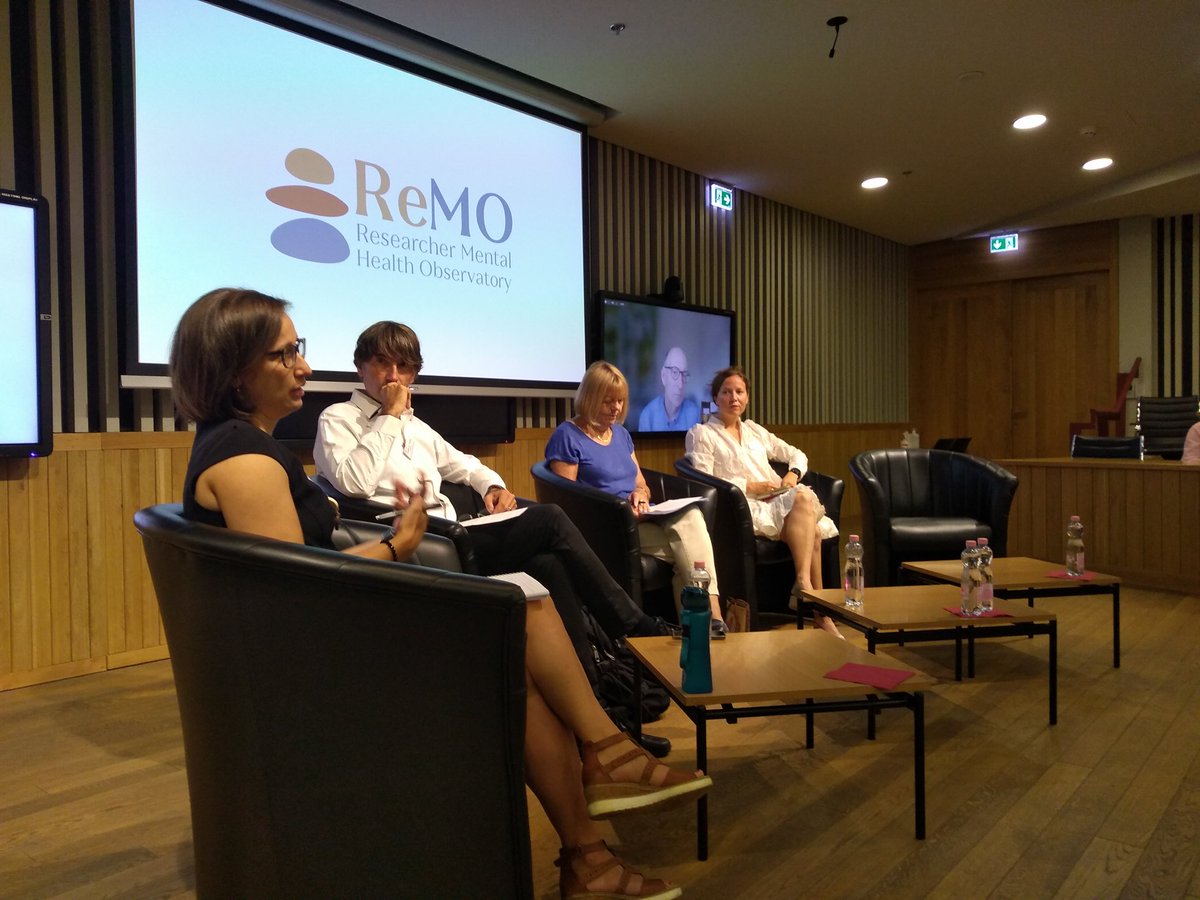
The discussion at @ReMO_COST conf today showed how #MentalHealth in academia is intertwined with other issues. Should we find a way to measure mental health/community work, as “if you don’t measure it, it doesn’t exist”, or… slow down and measure everything a bit less? #ReMO2022
Working on researchers’ self efficacy would work wonders for their #MentalHealth, suggests @AnnaMuroR from @UABBarcelona, presenting research on the efficacy of coaching for doctoral candidates. It seems to be working well, we look forward for a Coursera course addressing this!
Different #MentalHealth services can serve different people and different purposes, states Paola Mesteers from @UniUtrecht at #ReMO2022.
A refreshing approach as much of the conversation around #disability and mental health issues seems to focus on the best way to approach them.
This observation reminds of the @guardian’s UK study on researchers #MentalHealth and particularly the title of Kim Thomas’ article: “We don’t want anyone to know”. More than half of the 2500 participants to that study wouldn’t disclose their difficulties at work.
During his talk at #ReMO2022, Hendrik Huthoff is presenting a #MentalHealth First Aid training which can be done and implemented online. He reports that many people go for this online service so that they are not seen entering a Mental Health office.
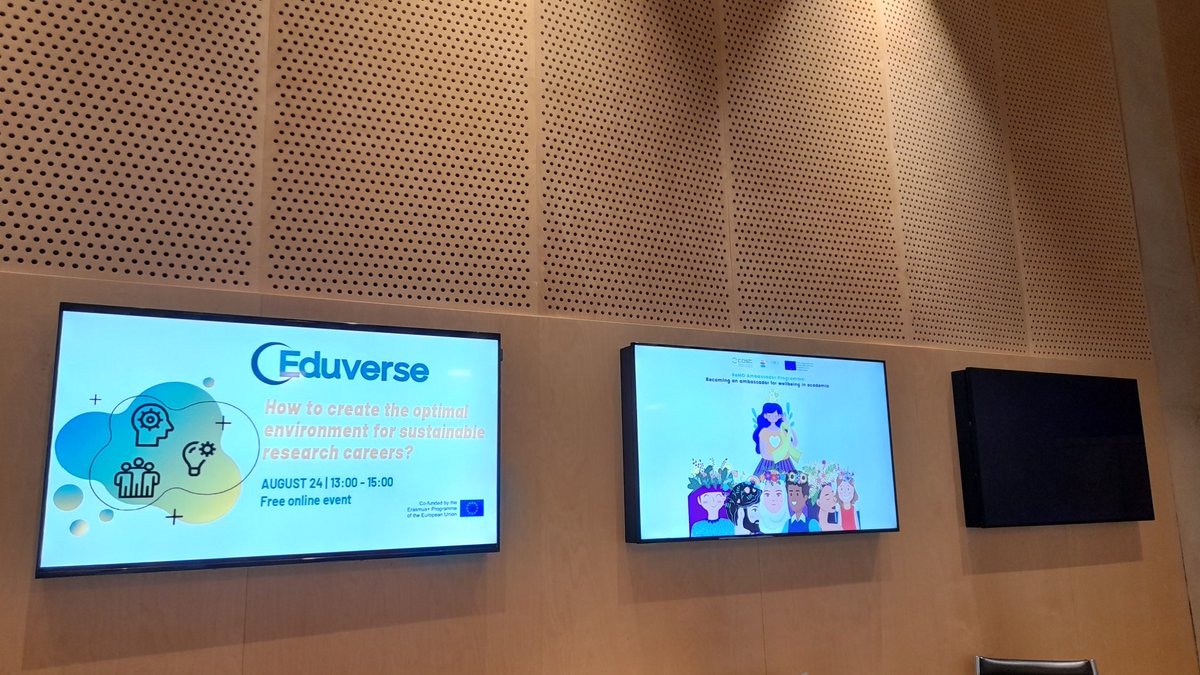
Lately we have focused on #MentalHealth in #academia and noticed how our posts and studies on PhD students resonated with many undergrads. We are happy to see this addressed at @ReMO_COST conference in Budapest today! The earlier these issues are addressed, the better.
#ReMO2022
While agreeing on the need to clearly state what we know is unknown, @pat_etica underlines how there can be several unknown unknowns, as well. These should also be taken into account.
For the last lecture of our series with @IIPP_UCL, @SunetraGupta is talking about how we should all be aware of the “illusion of certainty” when discussing mathematical models, in her lecture titled "Using mathematical models to understand epidemics”.
Algorithms can be helpful if they are simple enough to be comprehensible and be clear about what the knowns and the unknowns are, states professor Gupta. The problem in the case of this pandemic, in her opinion, was that what was not known was presented as known and viceversa.