First thematic school of the international research group (GDRi-sud) WAMBA-net, West african marine fish DNA barcoding network is starting in Abidjan! @UMREntropie@umrMARBEC@ird_fr
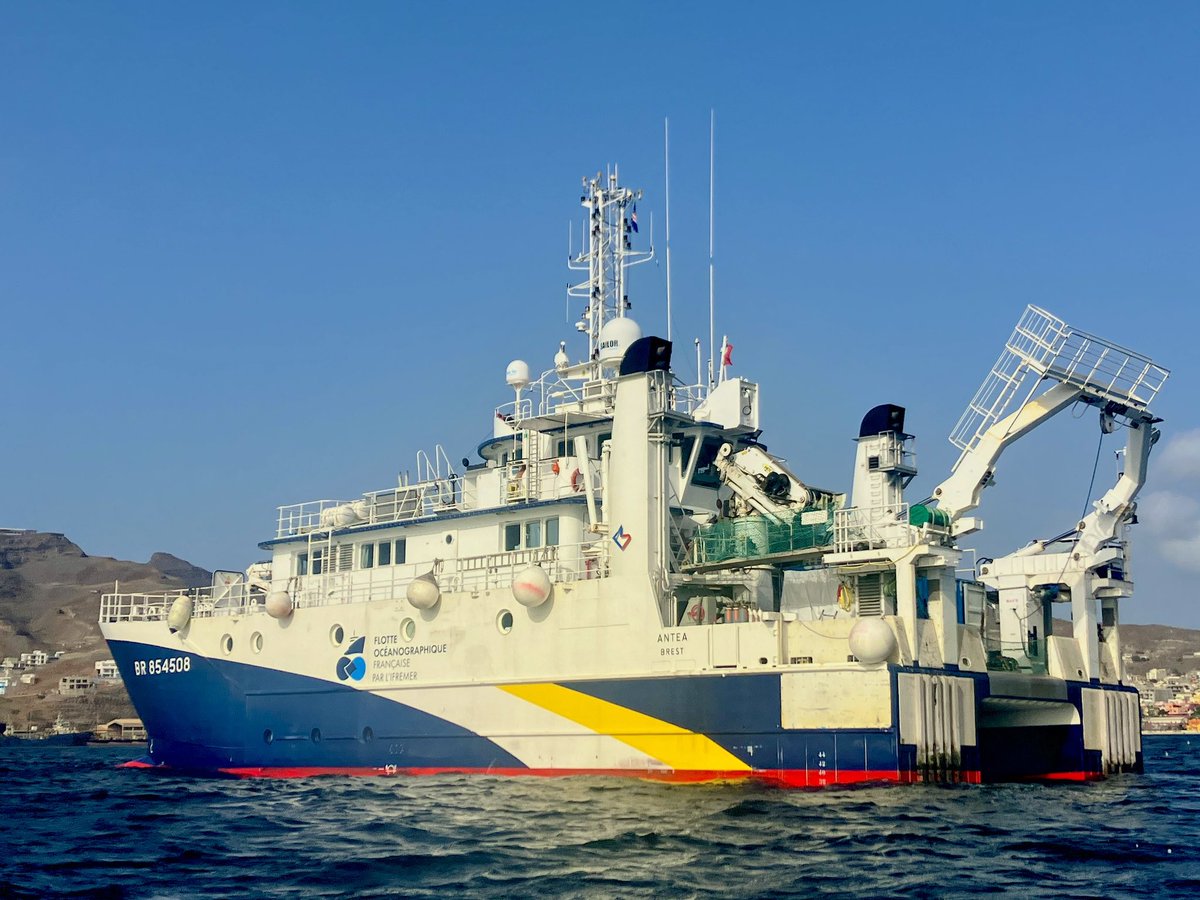
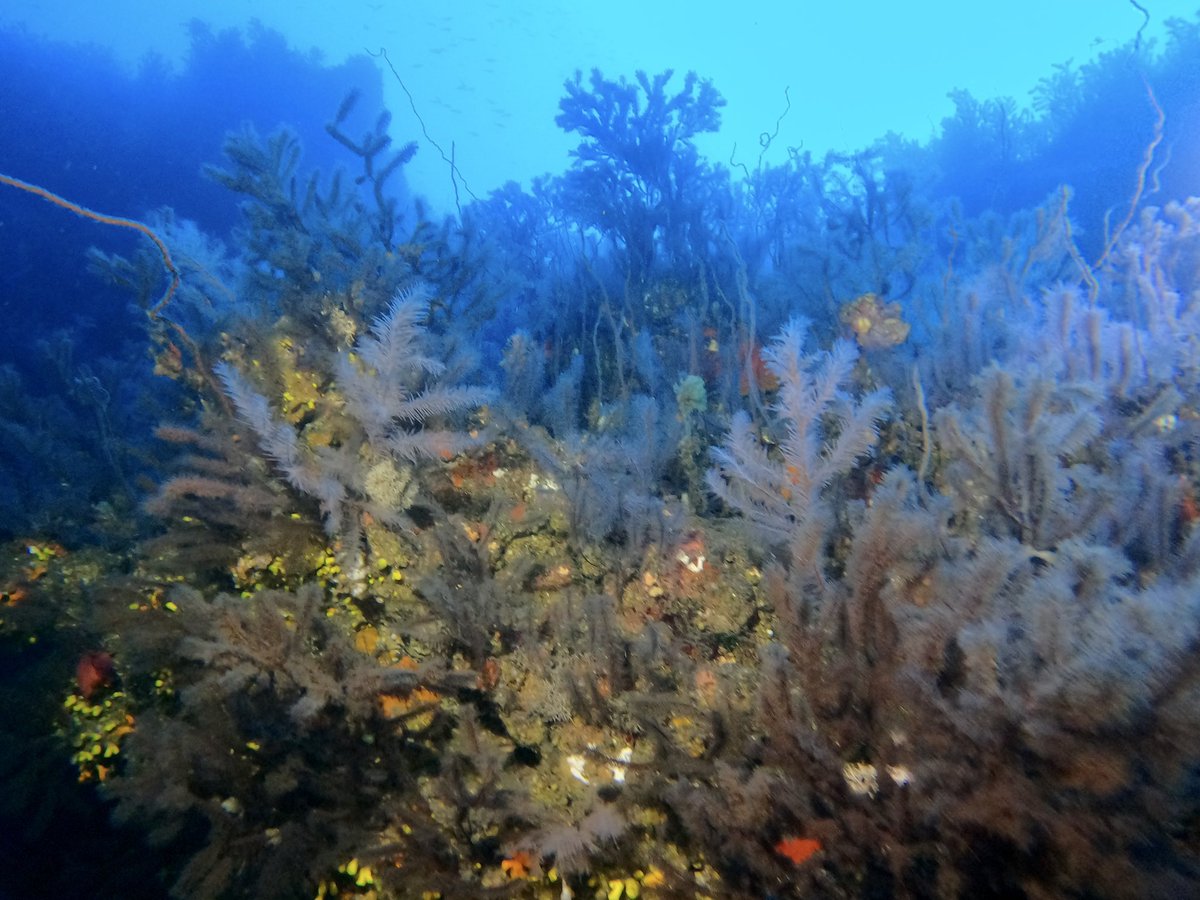
DISCOVER mission leg 2 started. ANTEA vessel will bring us around Cabo Verde archipelago to study the mesophotic biodiversity.
@CoralReefFish@OOBanyuls @INEE_CNRS @ird_fr
Dive operations are starting in our DISCOVER cruise! It’s all very complicated here and we only have two small boats, so we are diving in alternate days. Today it’s @philebo73 team day!
Crawling biodiversity: each one of these Gastropods (Strombidae) crawl around carrying on the shell its own garden, which biodiversity is different between individuals.
Day 2, mission DISCOVER, Cabo Verde
@CoralReefFish @INEE_CNRS @ird_fr@OOBanyuls@calacademy
Nothing like photographing a fish for the first time, and this will happen a lot here in Cape Verde! First off, the beautiful endemic and of course very aggressive Cape Verde Damsel (Similiparma hermani). I will post a picture of the baby when I get it, looks nothing like this.
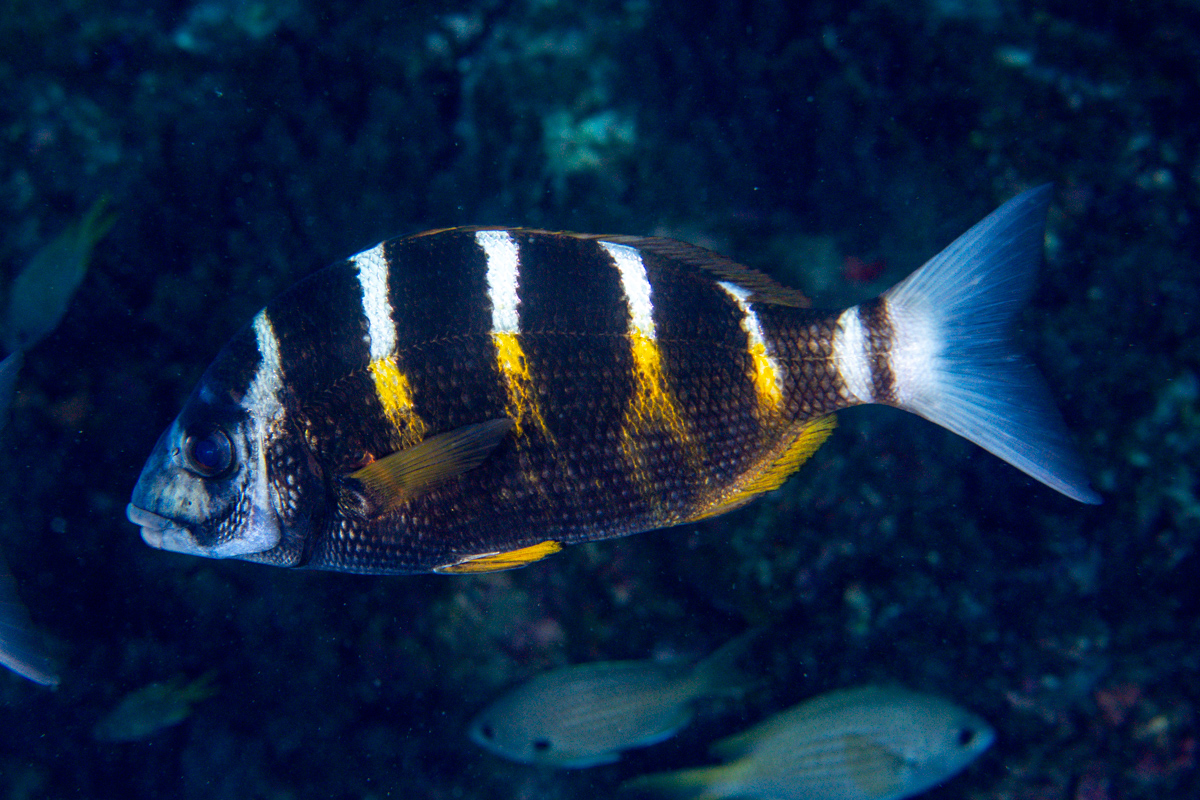
Cape Verde is strongly influenced by cold water currents coming from the north, what makes the fauna here very different. The diversity of Seabreams (Sparidae) is particularly high. Here is the good looking Banded Seabream (Diplodus fasciatus), endemic to Cape Verde. #ichthyology
Prognathodes marcellae is one of the most common fishes in Cape Verde #mesophotic coral ecosystems. We saw dozens at about 65m depth today! #ichthyology
New article @UMREntropie published in Scientific Reports: Highly restricted dispersal in habitat-forming seaweed may impede natural recovery of disturbed populations. https://t.co/FrmFYJxZNM
New article @UMREntropie published in Coral Reefs: Complex spatial patterns of genetic differentiation in the Caribbean mustard hill coral Porites astreoides. https://t.co/KqeE2fgIXT
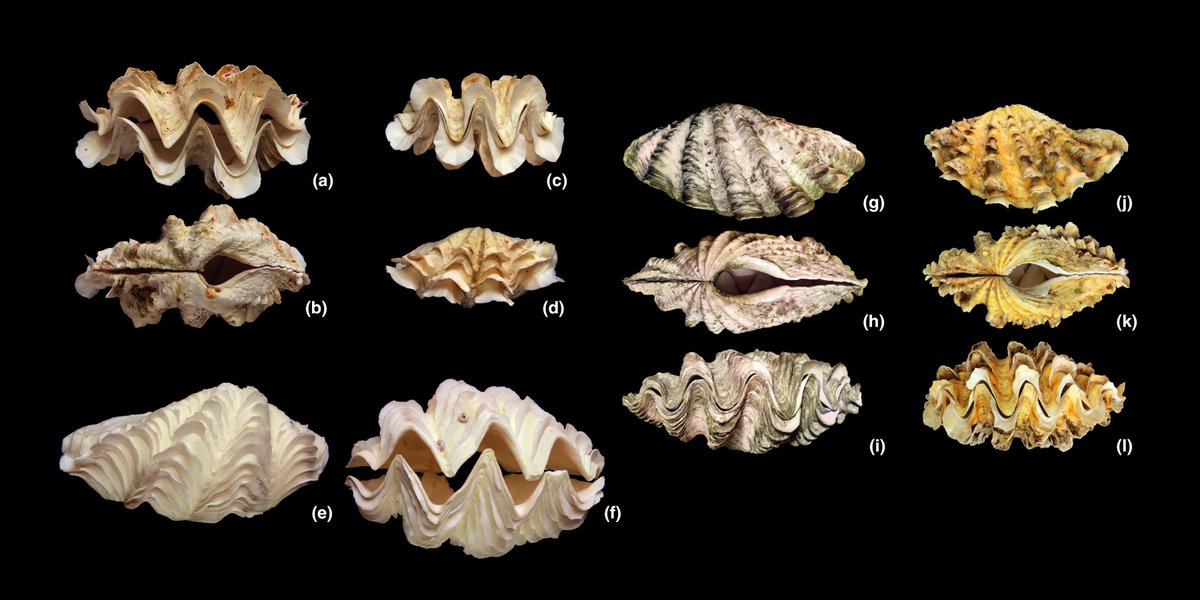
Des chercheurs d'ENTROPIE @UMREntropie expliquent sur le Blog de Journal of Biogeography l'histoire ayant permis la redécouverte du bénitier Tridacna elongatissima
For decades, the diversity of massive mollusks in the Western Indian Ocean has been overlooked. Read the story behind this month's cover article at https://t.co/6xnN9XqbIh
For decades, the diversity of massive mollusks in the Western Indian Ocean has been overlooked. Read the story behind this month's cover article at https://t.co/6xnN9XqbIh
Phylogenetic analysis of giant clams provides insight into species diversity, phylogenetic relationships and phylogeographical patterns in the Western Indian Ocean.
https://t.co/1P7IrimIrM
Phylogenetic analysis of giant clams provides insight into species diversity, phylogenetic relationships and phylogeographical patterns in the Western Indian Ocean.
https://t.co/1P7IrimIrM
Une nouvelle espèce de bénitier redécouverte dans l'Océan Indien, Tridacna elongatissima, permet de mieux comprendre les relations phylogénétiques au sein de ce groupe et de proposer des scénarios concernant l'origine de l'espèce endémique de mer rouge @UMREntropie
Phylogenetic analysis of giant clams provides insight into species diversity, phylogenetic relationships and phylogeographical patterns in the Western Indian Ocean.
https://t.co/1P7IrimIrM